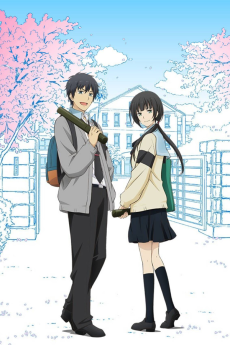
ReLIFE: Final Arc
After reliving the life of a high school student through the ReLIFE experiment, 27-year-old Arata Kaizaki cannot believe how quickly it has changed him. He has begun to see the world through a different perspective that he had completely forgotten as an adult. He has made friends and formed deep relationships with each one of them. However his support, Ryou Yoake, reminds him that the experiment is all an illusion; after his experiment ends, he will be forgotten by all of them.
The experiment of another ReLIFE subject is also coming to an end. After spending two years with ReLIFE, Chizuru Hishiro has developed into a more open, more thoughtful person than she could have ever imagined. She has met people who have changed her life, her perspective, and ultimately her. However, now that their ReLIFE is coming to an end, will they be able to let go of the memories they have made?
(Source: MAL Rewrite)
📺Anime Details
📝Editorial Analysis
The last bell rings. Arata Kaizaki stands in the hallway—backpack slung over one shoulder, sunlight cutting across the floor like a blade—and watches Chizuru Hishiro walk away without turning. Not because she’s angry. Not because she’s indifferent. Because she doesn’t remember him. Her expression is calm, unburdened, utterly ordinary. That ordinary-ness hurts. It’s not dramatic collapse or sobbing silence—it’s the quiet, surgical removal of shared history, leaving only the hollow echo of what was, and what can never be recalled.
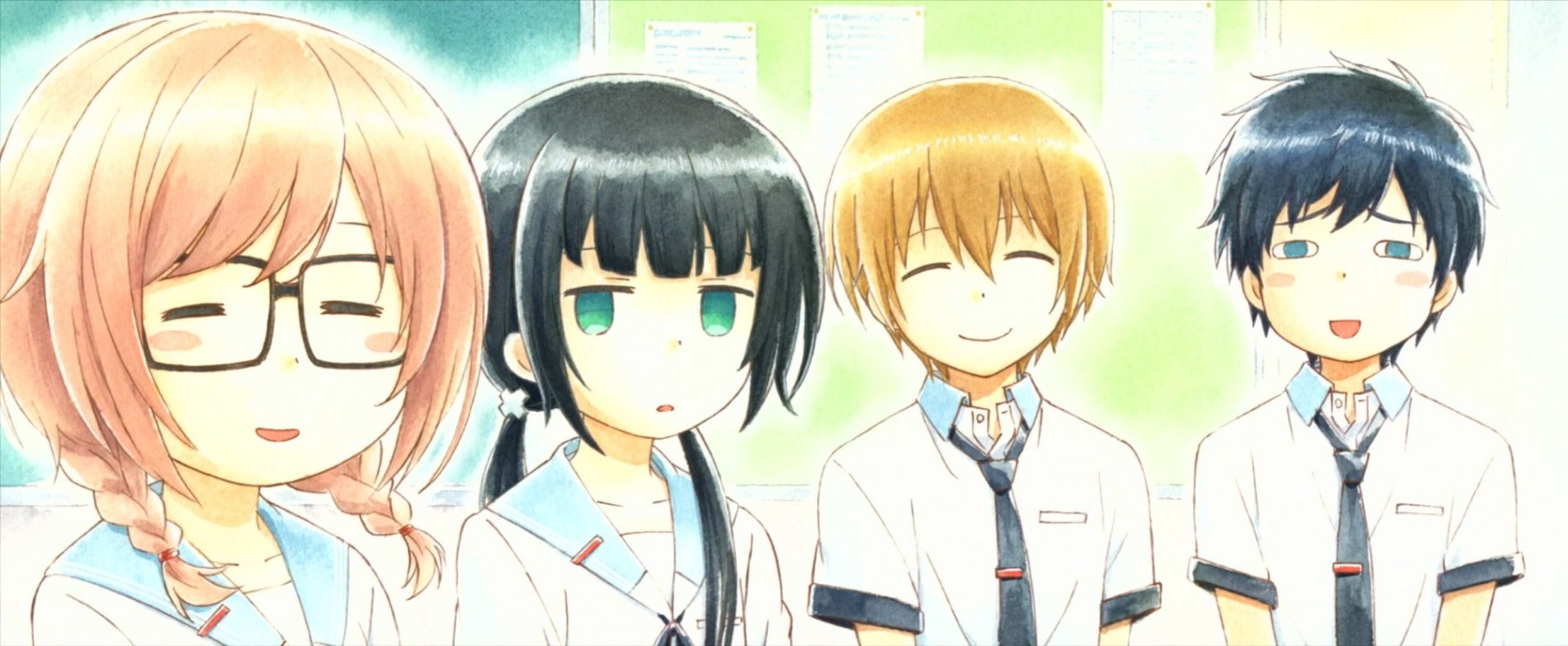
That’s the atmosphere of ReLIFE: Final Arc: a slow, sunlit ache. Not despair—but reverberation. It’s the feeling of standing on solid ground while knowing the earth beneath you is temporary scaffolding. The comedy lands because it’s real—awkward group lunches, fumbled confessions, the absurdity of relearning how to hold a pencil at 27. The drama doesn’t shout; it lingers in the pause before a handshake, the way Ryou Yoake’s voice tightens just once when he says, “This experiment isn’t about fixing you. It’s about letting them forget.” There’s no villain, no twist betrayal—just time, memory, and the unbearable weight of consent: Arata chose this. He agreed to be erased. And that makes it more devastating, not less. You don’t feel cheated—you feel witnessed, as if the show understands how adulthood calcifies us, how we stop noticing the texture of a friend’s laugh, how love can bloom in borrowed time and still leave scars that glow in the dark.
Which is why BioShock Infinite resonates so sharply—not for its sky-cities or vigors, but for its dimensional grief. Booker DeWitt doesn’t just fight enemies; he unravels himself across timelines, each version carrying the same guilt, the same unremembered losses. The player review notes how people mourn “the Bioshock Infinite we could have gotten”—a line that mirrors Arata mourning the version of Chizuru who could have known him, who should have remembered. Both works treat memory not as data, but as relational architecture: tear it down, and the people you loved become strangers wearing familiar faces. The “Adult & Dark Seinen” dimension isn’t about violence—it’s about confronting the self you buried, then realizing no one else is left to recognize the excavation.
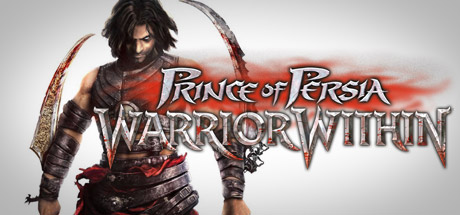
Then there’s Prince of Persia: Warrior Within, where Dahaka isn’t chasing the Prince—he’s chasing consequence. Every misstep echoes. Every saved moment frays at the edges. The player review calls the Dahaka chase “goated,” but what sticks is the relentlessness: no reset button erases cause and effect. Like Arata’s final arc, it’s not about winning—it’s about enduring the weight of your own timeline. The Sands of Time trilogy overall treats time as both weapon and wound: rewinding saves lives but fractures identity. When the Prince stares at his own shadow splitting into light and dark, it’s the same gut-punch as Arata watching his reflection age back to 27 in the bathroom mirror—this body remembers what this mind must forget.
Even The Witcher 3: Wild Hunt, with its lower score but raw emotional fidelity, fits—not through spectacle, but through irreversible tenderness. Geralt’s bonds aren’t quest markers; they’re gravitational fields. The player review celebrates DLC announced eleven years later, underscoring how deeply those relationships endure beyond the game’s runtime. Like Chizuru’s unknowing kindness in the final scene—her smile at a stranger who once held her hand during thunderstorms—Geralt’s choices linger offscreen, haunting the world long after the credits roll. Both ask: What remains when memory dissolves? Not lore. Not trophies. Resonance.
This pairing is for the person who cries at grocery store playlists because a song from 2014 triggers a scent, a sidewalk crack, a half-remembered conversation—and feels grateful, not sad. For the one who replays Warrior Within not for combat flow, but to feel the Dahaka’s breath again, that cold certainty that some debts can’t be paid, only carried. For the reader who underlines lines in manga about “the kindness of forgetting,” then closes the book and stares out the window for ten minutes. They don’t want escapism. They want recognition: that love measured in finite time isn’t lesser—it’s louder, clearer, more fiercely human.
🎮25 Games That Match the Vibe







Match Dimensions Explained
❓Frequently Asked Questions
Why does BioShock Infinite match ReLIFE: Final Arc’s vibe so well?
Because both hinge on time, memory, and identity crises—Booker DeWitt’s fractured past and Elizabeth’s multiversal awareness echo Yuzuru’s second-chance adolescence and the emotional weight of remembering *and* forgetting. The game’s haunting Columbia setting and its slow unraveling of truth (like the lighthouse reveal) mirror Final Arc’s bittersweet reckoning with growth, loss, and irreversible change—exactly why it scores 84 and fits the Adult & Dark Seinen + Time & Memory dimensions.
Is there a ReLIFE: Final Arc anime or game adaptation?
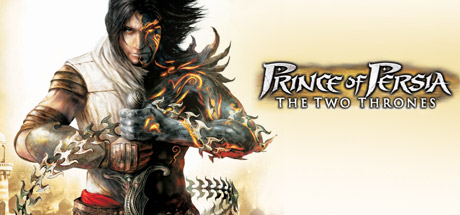
No—ReLIFE: Final Arc is exclusively a manga conclusion (2018), and there’s no official game adaptation. But if you’re craving that same blend of emotional maturity, time-inflected introspection, and grounded-yet-mystical stakes, the Prince of Persia trilogy nails it: Sands of Time’s dagger-driven time rewinds, Warrior Within’s Dahaka chase (still 'goated' per player reviews), and Two Thrones’ split-personality tension all channel ReLIFE’s core themes—just with swords and sand instead of school uniforms.
How do Prince of Persia: Warrior Within and The Witcher 3 compare for ReLIFE fans?
Warrior Within leans into ReLIFE’s darker, more visceral coming-of-age—Dahaka’s relentless pursuit mirrors Yuzuru’s anxiety about consequences catching up to him, while its gritty tone and time-loop dread fit the Adult & Dark Seinen label. The Witcher 3 offers deeper emotional narrative payoff (Geralt’s paternal bond with Ciri echoes Yuzuru’s mentorship of Chizuru), but its open-world scope and monster-hunting distract from ReLIFE’s tight, character-first intimacy—hence its lower score (71) and different dimensional focus.
What’s the best game like ReLIFE: Final Arc if I want that quiet, reflective ‘second chance’ mood?
Go straight to Prince of Persia: The Sands of Time—it’s the most tonally aligned. That opening desert sequence, the Prince’s regretful narration, and the way the Dagger lets him rewind *small, human mistakes* (like misjudging a jump or hurting someone) feels like ReLIFE’s heartbeat: tender, fallible, and deeply personal. Player reviews even call out its ‘satisfying tactical platforming’ and emotional pacing—no grand battles, just growth measured in seconds rewound and choices re-made.