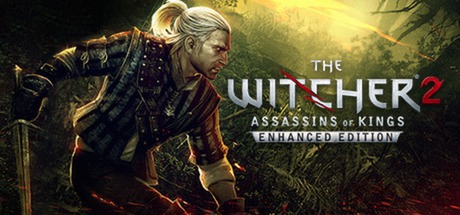
The Witcher 2: Assassins of Kings Enhanced Edition
A time of untold chaos has come. Mighty forces clash behind the scenes in a struggle for power and influence. The Northern Kingdoms mobilize for war. But armies on the march are not enough to stop a bloody conspiracy...
🎮Game Details
💬What Players Say
"The Witcher 2 is an amazing game for something released back in 2011. In many ways it feels more thoughtfully designed than the next entry in the series The gameplay here is genuinely good, sure there are bad aspects, like being able to drink potions only during meditation, meaning you cannot heal/use heal potion mid fight but it never bothered me, health regeneration outside combat is pretty fast. In hindsight the system actually encourages preparation before battles, which fits the fantasy of being a witcher, but it can be annoying yeah Most importantly for me the game truly understands what a witcher is supposed to be...."
"This game did not age well, i recently wanted to replay all the games and i beat the first witcher and went on to this one, the combat is clunky and seems to be a step down from the first game, i understand that this was their attempt at making a game using their own engine, but dude, its bad. The only viable way to fight is to spam Quen and roll around like an idiot, bombs do virtually nothing to monsters and humans alike, traps do nothing to monsters and humans alike, the visuals and the story is okay. i would honestly say just skip this game unless you are a masochist."
"Its nice, a bit linear when compared with the other two games and its smaller, lacks some of the open world of the first and third game and some of its rpg elements, its a good game, but its the worst of the series."
📝Editorial Analysis
The torchlight flickers low over the war council chamber in The Witcher 2: Assassins of Kings Enhanced Edition—not from cinematic flare, but from the oppressive weight of a single line in the official description: “A time of untold chaos has come. Mighty forces clash behind the scenes in a struggle for power and influence.” You’re not watching armies march—you’re standing in the smoke-choked silence after the shouting stops, Geralt’s boots still damp from mud tracked in from the battlefield, his voice quiet, his choices already narrowing like a noose tightening in slow motion. That’s the game’s heartbeat: not spectacle, but consequence, thick and unyielding—exactly what player review 1 calls “thoughtfully designed,” and what review 3 quietly confirms by calling it “a bit linear… smaller… lacks some of the open world”—not as flaws, but as constraints that focus the pressure. The clunkiness review 2 laments? It’s not broken combat—it’s resistance. Every parry feels earned, every dialogue branch carries the grit of real trade-offs, because this isn’t about freedom. It’s about agency under siege.
What makes The Witcher 2 ache with such particular gravity is how it refuses catharsis. There’s no triumphant music swelling as the credits roll—just exhaustion, ambiguity, and the sour aftertaste of compromise. You don’t win the Northern Kingdoms’ war; you survive a single fracture in its crumbling foundation. The atmosphere isn’t grimdark for shock value—it’s weary, intimate, claustrophobic. It makes you think about loyalty when allegiances dissolve overnight, about justice when every faction wears moral camouflage, about identity when even your own body becomes contested terrain. This isn’t high fantasy escapism. It’s adult storytelling that trusts you to sit with discomfort—to feel the weight of a decision long after the screen fades to black.
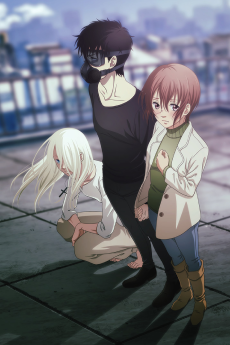
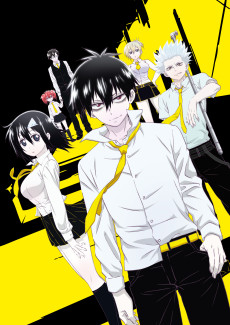
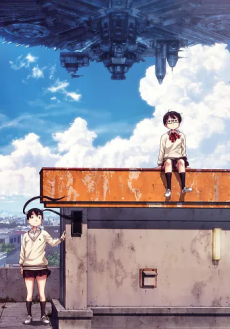
That emotional DNA pulses strongest in Owarimonogatari, where the supernatural isn’t spectacle but symptom—a manifestation of unresolved grief, guilt, and fractured selfhood. Like The Witcher 2, it moves through tight, psychologically charged spaces (a library, a rooftop, a hallway), where every conversation is a negotiation of truth and omission. Both treat darkness not as setting but as texture: the way light falls on a face mid-confession, the silence between words that carries more weight than exposition. They share that same seinen precision—no hand-holding, no narrative safety net—just raw, unvarnished emotional consequence.
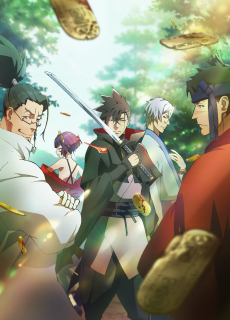
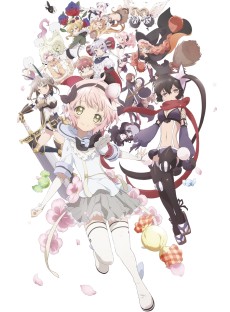
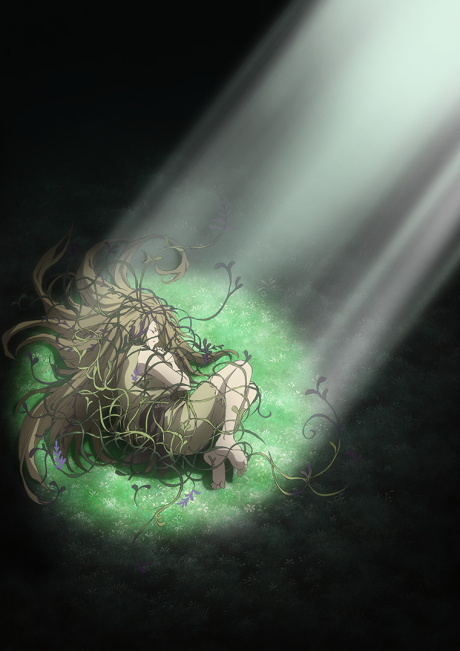
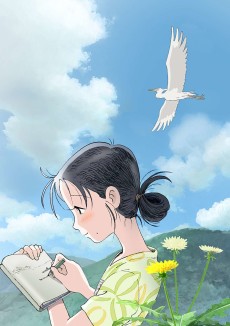
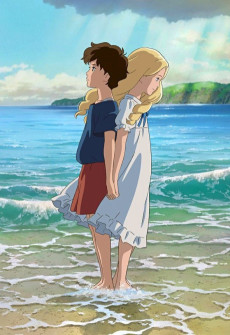
Maquia: When the Promised Flower Blooms resonates just as deeply—not in scale, but in tempo and tenderness. Its fantasy framework isn’t built for battles, but for the quiet erosion of time: a mother aging while her child does not, love persisting amid political erasure. Like The Witcher 2, it’s small in scope but enormous in emotional density. Neither offers grand victories—only endurance, sacrifice, and the haunting beauty of love that persists despite systems designed to crush it. Both make you feel the weight of years in a single glance, the ache of choosing one person over a cause, the loneliness of carrying memory no one else shares.
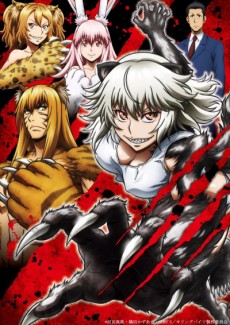
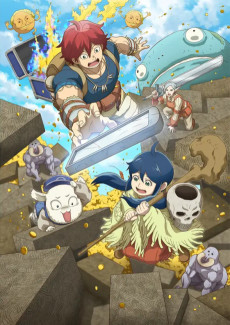
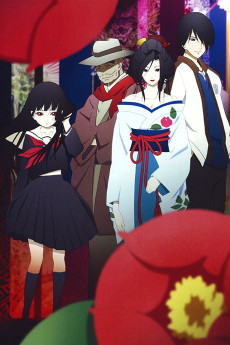
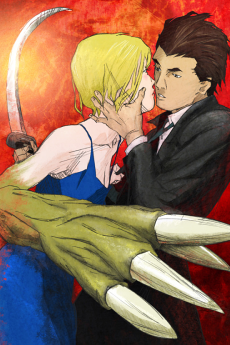
And then there’s GOBLIN SLAYER, whose unflinching gaze into trauma, ritual, and the cost of survival mirrors The Witcher 2’s refusal to sanitize violence or its aftermath. It’s not the gore that binds them—it’s the deliberateness: how both linger on the cleanup, the trembling hands, the bureaucratic indifference that follows horror. No heroics, just procedure, fatigue, and the quiet, stubborn act of showing up again—even when you know the next mission will leave another scar you won’t name aloud.
This pairing isn’t for fans of epic quests or power fantasies. It’s for the ones who rewatch a scene three times because of how a character blinks before lying. For readers who underline paragraphs not for plot, but for the silence between sentences. For players who pause mid-fight—not to heal, but to watch rain soak into bloodstained earth and wonder if anything they’ve done today mattered at all. These are stories for people who understand that the most devastating moments aren’t shouted—they’re whispered, deferred, buried beneath layers of duty, and felt deeply, quietly, without relief.
→235 Anime That Match the Vibe

Maquia’s quiet devastation—watching her adopted son age while she remains unchanged—mirrors Geralt’s weary vigilance as kings scheme and children burn in war-torn Flotsam. Unlike most dark fantasy, neither flinches from the psychological weight of time: one measures centuries in woven Hibiol, the other in scarred choices amid collapsing thrones. Their shared 💔 Emotional Narrative roots tragedy not in spectacle, but in irrevocable love persisting through irreversible loss.
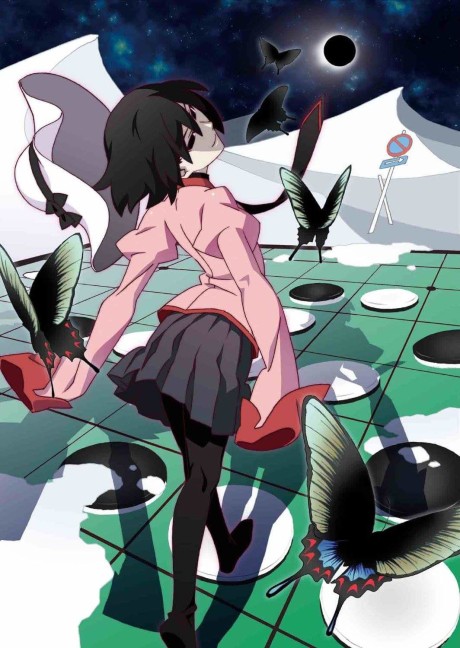
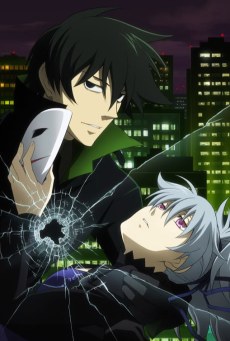
Ougi Formula’s fractured mirror-dialogue mirrors Geralt’s interrogation in Loc Muinne—both trap protagonists in recursive moral labyrinths where truth dissolves into perspective. Unlike most dark fantasy, *The Witcher 2* and *Owarimonogatari*’s “Final Season” weaponize psychological ambiguity not for shock, but to dissect how trauma calcifies into identity—Sodachi’s self-erasure echoing Geralt’s amnesia as acts of survival. This resonance in 💔 Emotional Narrative feels startlingly intimate: war and wordplay both become wounds that refuse clean closure.
Dark worlds where beauty and brutality coexist — every victory comes at a cost.

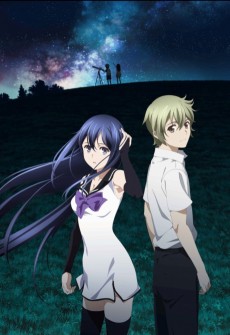
Nazuna’s quiet determination to make Ko *choose* love—despite his vampiric alienation—mirrors Geralt’s weary agency amid political machinations he never sought. Unlike most dark fantasy, *The Witcher 2*’s emotional narrative isn’t about destiny but consequence; similarly, Season 2’s psychological depth emerges not from supernatural spectacle, but from intimate, awkward moments where desire and dread entwine. This shared 💔 Emotional Narrative makes their resonance startling: two stories where darkness clarifies, rather than obscures, the weight of human (and inhuman) choice.
Dark worlds where beauty and brutality coexist — every victory comes at a cost.
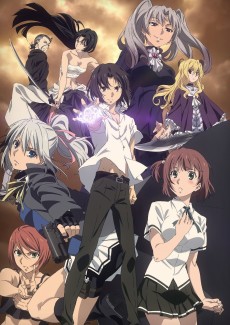
Dark worlds where beauty and brutality coexist — every victory comes at a cost.
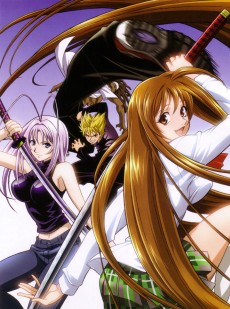
Dark worlds where beauty and brutality coexist — every victory comes at a cost.
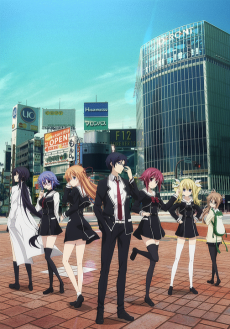
Dark worlds where beauty and brutality coexist — every victory comes at a cost.
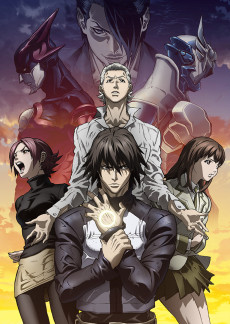
Dark worlds where beauty and brutality coexist — every victory comes at a cost.

Dark worlds where beauty and brutality coexist — every victory comes at a cost.


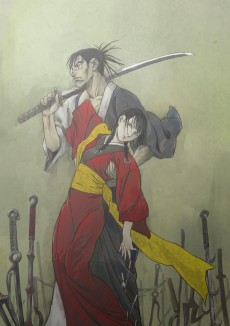
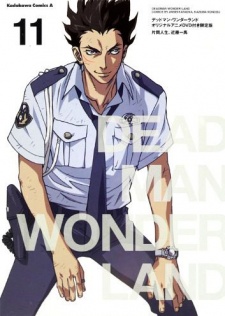

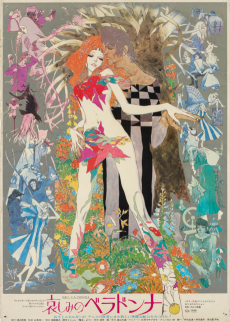
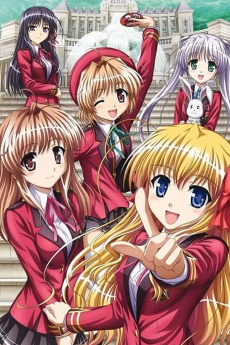


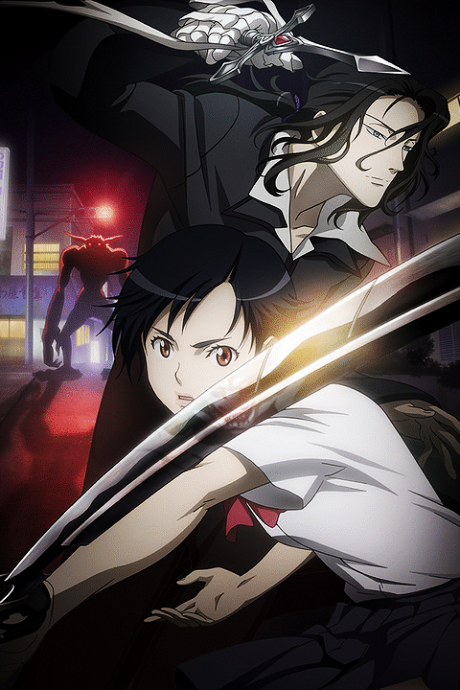

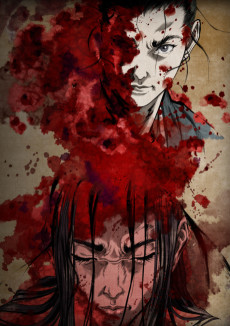

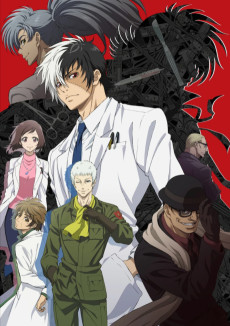

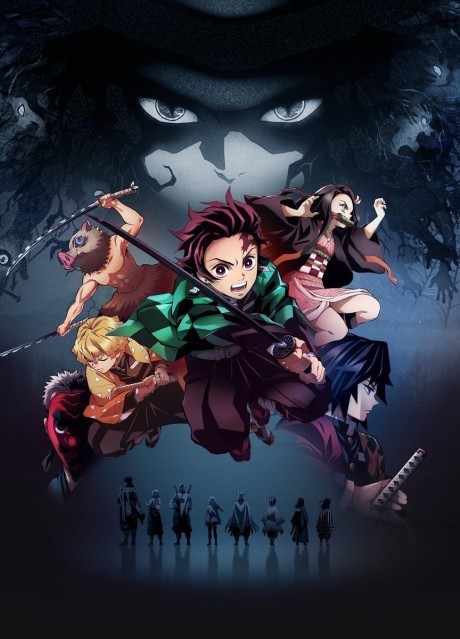


![Fate/stay night [Heaven’s Feel] III. spring song](https://s4.anilist.co/file/anilistcdn/media/anime/cover/large/bx21719-MSdTlkno0Z0u.jpg)















![Fate/stay night [Heaven's Feel] II. lost butterfly](https://s4.anilist.co/file/anilistcdn/media/anime/cover/large/bx21718-Hjj26Sapx1bd.jpg)









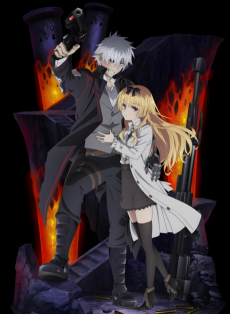
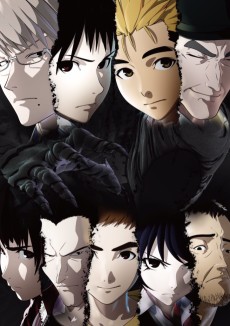
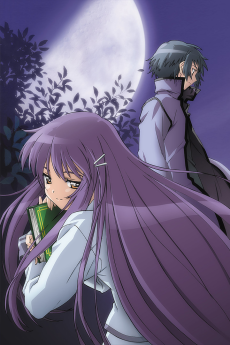
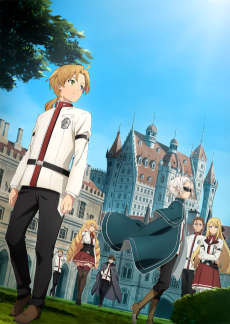




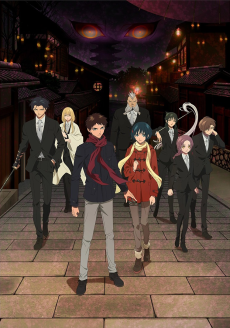


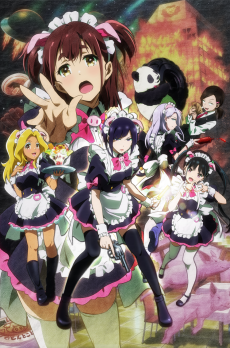
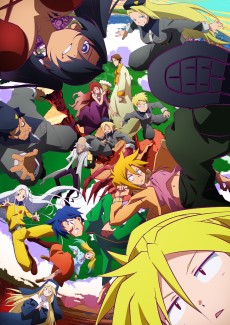
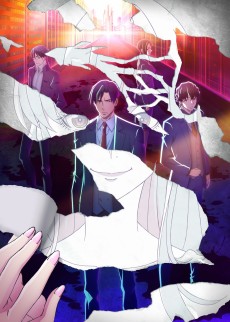
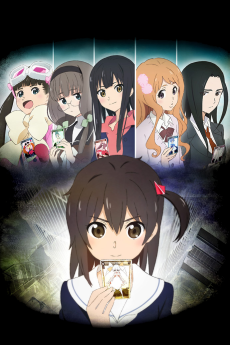
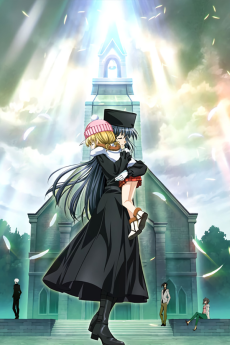
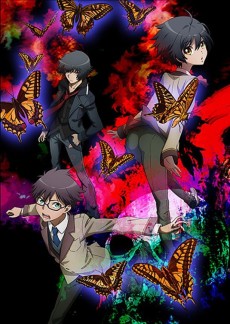
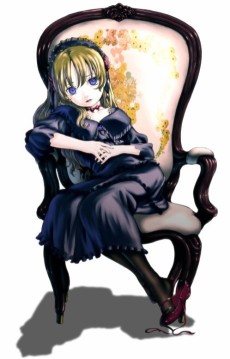









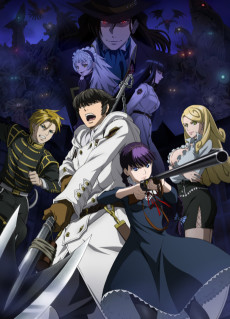


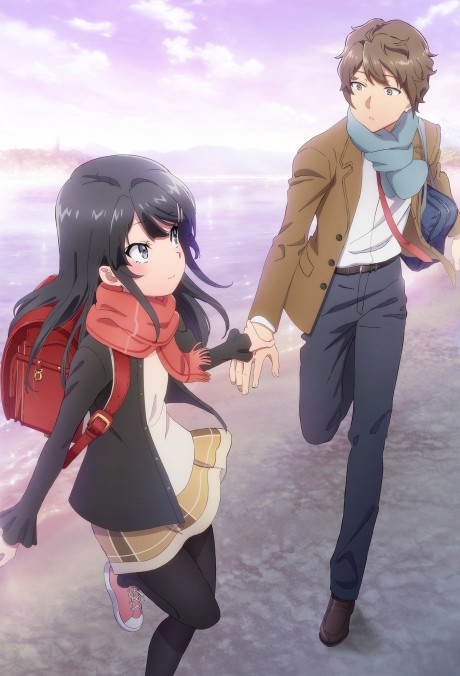


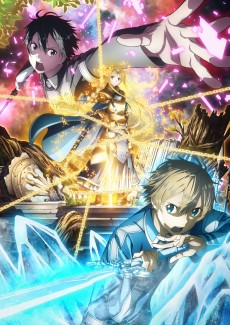
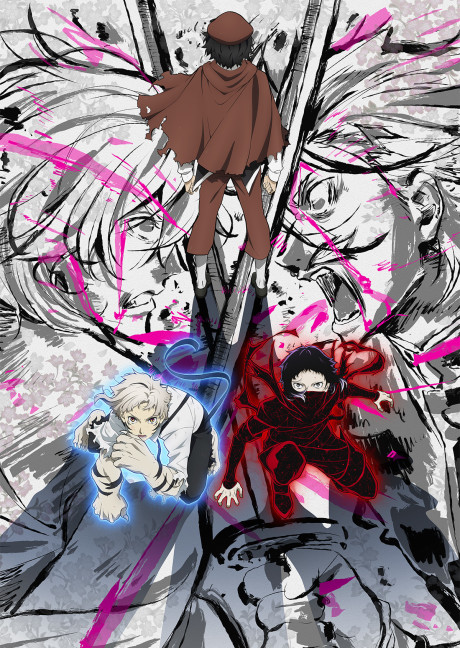





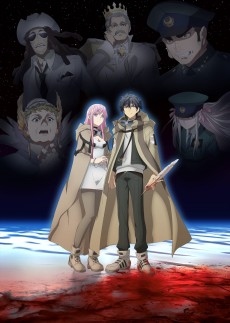
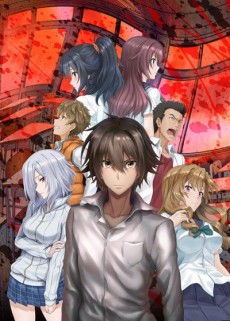


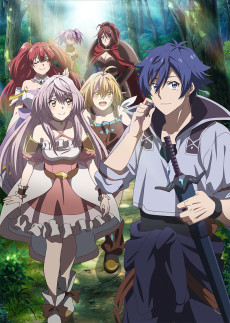
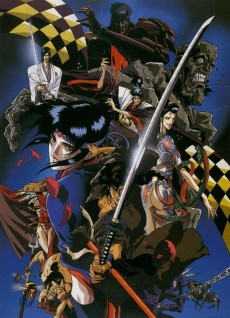


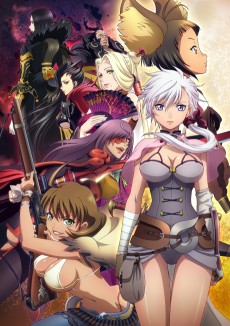
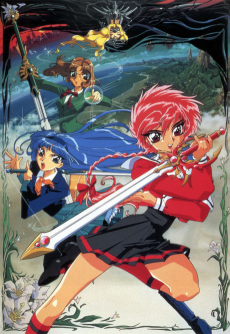
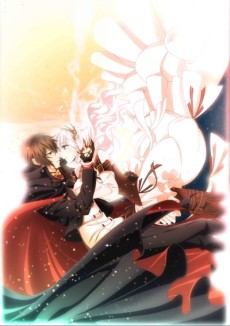
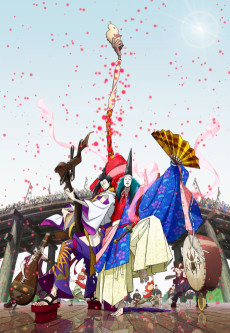






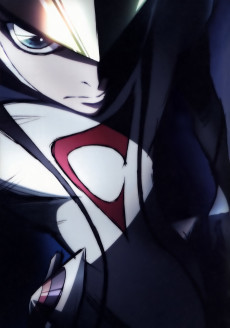
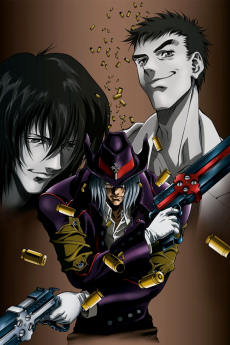
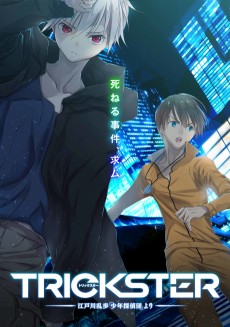
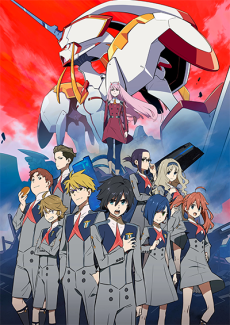






Match Dimensions Explained
❓Frequently Asked Questions
Why is Owarimonogatari listed as similar to The Witcher 2: Assassins of Kings Enhanced Edition?
Because both dive deep into morally gray political intrigue and psychological weight—like Geralt navigating the bloody coup in Flotsam while dealing with personal betrayal, Owarimonogatari’s Araragi confronts layered consequences of past choices in a fragmented, dialogue-heavy, emotionally charged narrative. The tone matches too: dense, atmospheric, and unflinching in its adult themes—no heroic fantasy gloss, just hard truths and quiet devastation.
Is there an anime adaptation of The Witcher 2: Assassins of Kings Enhanced Edition?
No—there’s no official anime adaptation of *The Witcher 2* specifically. Netflix’s *The Witcher* series adapts Sapkowski’s books and loosely pulls from game lore, but it skips *Witcher 2*’s tightly scripted, choice-driven conspiracy (like the Lodge vs. Nilfgaard power play or Iorveth’s rebellion) entirely. If you’re craving that same vibe, *GOBLIN SLAYER* nails the grounded, tactical brutality and moral exhaustion of Geralt’s Flotsam arc—especially scenes where he’s outnumbered, low on potions, and forced to improvise mid-fight.
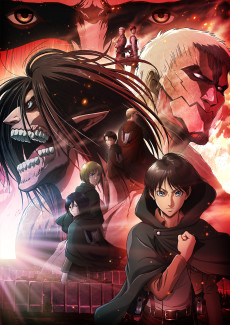
How does Maquia: When the Promised Flower Blooms compare to Attack on Titan: No Regrets for Witcher 2 fans?
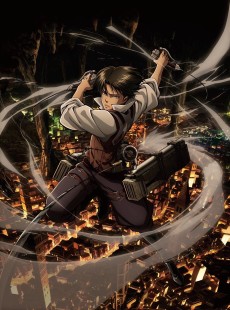
Both hit *Witcher 2*’s core pillars—Dark Fantasy, Emotional Narrative, Adult & Dark Seinen—but differently: *No Regrets* mirrors the game’s gritty military tension and tragic inevitability (think Golan’s doomed charge or the siege of La Valette), while *Maquia* echoes its quieter, character-driven tragedy—like Geralt’s isolation after the Scoia’tael massacre, Maquia’s decades-long grief over lost time and stolen family feels just as raw and intimate.
What’s the best anime like The Witcher 2 if I want that ‘grim, consequential, small-scale war’ vibe?
Go straight to *GOBLIN SLAYER*—it’s the closest tonal match for *Witcher 2*’s claustrophobic stakes and tactical realism. Forget flashy magic; think Geralt’s fight in the sewers of Flotsam—exhausting, dirty, high-risk—and compare it to Goblin Slayer’s dungeon crawls: limited stamina, brutal resource management, and real consequences for every misstep. Even the pacing feels right—tight, urgent, and emotionally heavy without needing epic world-ending stakes.