
Maquia: When the Promised Flower Blooms
The people of Iorph live far away from the lands of men, weaving the happenings of each day into a fabric called Hibiol. They live for centuries while maintaining their youthful appearance. Maquia, an orphaned Iorph girl, lives her life in an oasis surrounded by friends, yet somehow feels “alone”. But the tranquil lives of the Iorph are shattered in an instant when the Mezarte army invades their territory on a dragon fleet, seeking the blood that grants the Iorph long life. Maquia manages to escape, but loses her friends and her home in the chaos. She then encounters an orphaned baby who is “alone”. Maquia raises this boy "Ariel", with the help of some new friends. But as the era changes, the bond between Maquia and Ariel changes too, amidst a backdrop of racial tensions between the Iorph and the Mezarte. This is a story of irreplaceable time, woven by two lonely people who can only find solace in each other.
(Source: Eleven Arts)
📺Anime Details
📝Editorial Analysis
The first time Maquia holds the infant Leilah, her arms tremble—not from weakness, but from the sheer weight of a choice she didn’t know she was making. Rain slicks the ash-choked ground where her home once floated among clouds; the dragon fleet is gone, her people scattered or slaughtered, and all that remains in her trembling hands is a human child—fragile, warm, utterly dependent. She doesn’t name him yet. She just holds him, breath shallow, as if afraid the act of breathing too deeply might shatter the silence between her immortality and his fleeting, burning life.
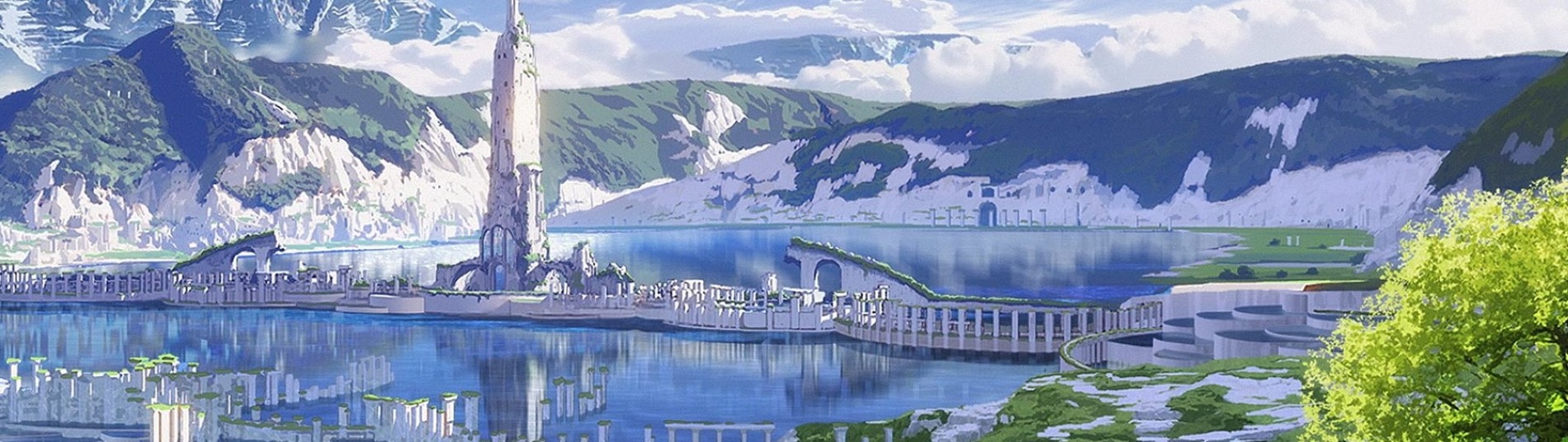
That moment isn’t about fantasy spectacle—it’s about presence. Maquia: When the Promised Flower Blooms doesn’t trade in grand battles or arcane politics. Its atmosphere lives in the hush before dawn in a borrowed farmhouse, in the quiet rhythm of weaving cloth while Leilah sleeps nearby, in the way years pass not with fanfare but with the slow fraying of a sleeve, the deepening lines around Maquia’s eyes even as her face stays unchanged. It makes you feel the ache of continuity—how love persists not despite time, but within its erosion. You don’t think about destiny or prophecy. You think about laundry drying on a line, about how hard it is to explain “forever” to a boy who measures time in school terms and birthday cakes, about the quiet horror of watching someone you raised become a stranger—not through distance, but through growing up.
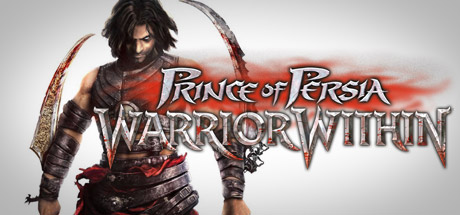
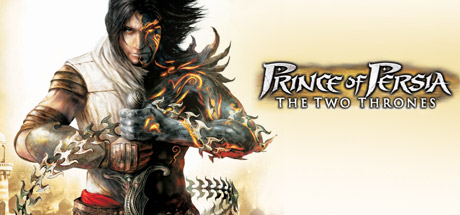
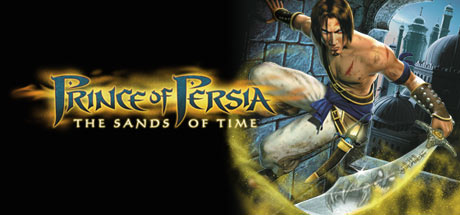
That emotional DNA—the intimacy of caregiving across impossible temporal divides, the dignity in small labors, the tragedy not of death but of outliving meaning—echoes in games that treat time not as a mechanic, but as a wound. Prince of Persia: Warrior Within shares this in its relentless Dahaka chase: a literal embodiment of consequence breathing down your neck, turning every corridor into a corridor of memory. The player review calls it a “journey”—not of conquest, but of reckoning. Like Maquia fleeing the ruins of Iorph, the Prince doesn’t run toward salvation; he runs away from himself, haunted by choices that echo across decades. Both works trap their protagonists in cycles where escape feels less like freedom and more like postponement—of grief, of responsibility, of time’s quiet, inevitable verdict.
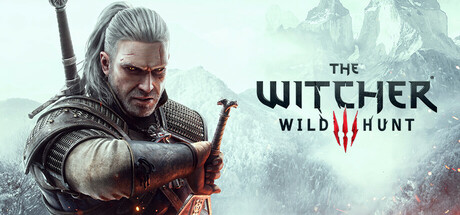
Then there’s The Witcher 3: Wild Hunt, where Geralt tracks Ciri not just as a contract, but as a father who missed the shape of her childhood—and now must learn her again as a woman forged in fire and loss. The description names her “the Child of Prophecy,” but the game’s heart lives in the quiet campfire scenes, in the way Geralt’s voice catches when he sees her wear his old armor, in the unspoken tension between protection and permission. The player review notes the DLC arriving 11 years later—a detail that lands like a gut-punch. Because The Witcher 3 understands what Maquia knows: love isn’t measured in milestones, but in the stubborn, tender persistence of showing up—again and again—even when the world has moved on without you.
And BioShock Infinite, with its fractured lattices of time and memory, mirrors Maquia’s central paradox: how do you parent someone whose future you can already see slipping through your fingers? Booker’s debt isn’t monetary—it’s temporal, emotional, existential. The description frames his mission as “rescue,” but the player review hints at deeper unease—the “Bioshock Infinite we could have gotten.” That longing for an alternate path, a gentler timeline, is Maquia’s entire emotional architecture. She doesn’t rage against time; she kneels beside it, stitches a blanket, hums a lullaby—and waits for the day her son will look at her and finally see not a guardian, but a ghost.
This pairing isn’t for fans of epic scale or power fantasies. It’s for the person who rewatched the scene where Maquia teaches Leilah to weave—not for the craft, but for the way her fingers guide his, steady and silent, for three full seconds longer than necessary. It’s for the player who paused The Witcher 3 mid-quest just to sit with Ciri on a cliffside, watching the sun set over a war-torn coast, saying nothing. It’s for anyone who’s ever loved someone so fiercely they forgot, for a moment, that love doesn’t stop clocks—it only makes the ticking louder. These stories are for those who find holiness in the ordinary, who understand that the most devastating tragedies aren’t shouted—they’re whispered, over porridge, across years, in the space between one breath and the next.
🎮48 Games That Match the Vibe








Match Dimensions Explained
❓Frequently Asked Questions
Why is Prince of Persia: Warrior Within recommended for Maquia fans despite its action-heavy reputation?
Because both hinge on haunting, time-tinged grief — Maquia’s decades-long separation from Ariel mirrors the Prince’s desperate flight from Dahaka, a literal embodiment of fate and consequence. The game’s oppressive underworld sequences, where memory fragments flicker during Dahaka chases, echo Maquia’s visual poetry around loss and endurance, all wrapped in that same adult & dark seinen tone.
Is there a visual novel or anime-style game adaptation of Maquia itself?
No — Maquia remains a standalone film with no official game adaptation. But if you're craving that same tender-yet-tragic emotional pacing and themes of found family across time, The Witcher 3’s Ciri storyline (especially her quiet moments in Skellige or the emotional climax at the end of Blood and Wine) delivers comparable weight and intimacy without needing a direct adaptation.
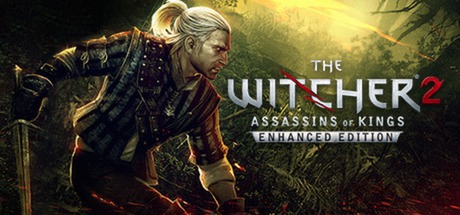
How does The Witcher 2 compare to The Witcher 3 for Maquia vibes?
The Witcher 2 leans harder into political sorrow and moral erosion — like Maquia’s heartbreaking scene where Erial chooses duty over motherhood, Geralt’s choices in Flotsam or the tragic fallout of the Lobinden summit hit with similar quiet devastation. Its tighter, more claustrophobic world and emphasis on consequence over spectacle makes it feel closer to Maquia’s restrained intensity than the broader, more heroic scale of The Witcher 3.
What’s the best game like Maquia if I want something deeply melancholic but still hopeful, not grimdark?
BioShock Infinite — especially Elizabeth’s arc — nails that bittersweet, memory-laced hope Maquia embodies. When she opens the tear to see Booker’s past or when the ending reframes sacrifice as love across timelines, it lands with the same aching tenderness as Maquia’s final flower scene. It’s adult & dark seinen, yes, but never nihilistic — just profoundly human.