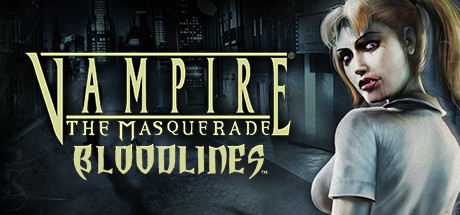
Vampire: The Masquerade - Bloodlines
Vampire®: The Masquerade-Bloodlines™ delivers a new type of RPG experience-one that blends all the core elements of a traditional RPG with the graphical richness, immediacy and brutal combat of a first-person action game. The game plunges players into the dark and gritty vampire underworld of modern-day L.A. as a creature of the night.
🎮Game Details
💬What Players Say
"** BUY IT ON GOG; if you want to use the steam version you need to download the unofficial patch in order to make it work, GOG version comes with it by default. ** Very good game, I love the environments and the music adds to them very well, combat is definitely dated but still fun, the story and worldbuilding are very immersive. I'm in love with the hot vampire communist."
"I got this game because I love nothing more than early RPG's as it comes from the era where game developers actually cared about the quality of their game. That being said, the game itself is incredibly janky. Unplayable without the unoffical patch and even with that patch I would experience crashes, frame rate issues, model/textures unwilling to populate and sometimes characters required to be interacted with would do this stanky leg t-pose, iykyk...."
"In this game, you will experience the inner workings of a vampire society living alongside humans (who remain oblivious to their existence) in Los Angeles in the early 2000s. Your journey will take you from palces like a gothic nightclub housed inside a Downtown church to the dark corners of Santa Monica, like the eerie Ocean House Hotel, and all the way to the decadent glamour of the Hollywood streets. While the passage of time is noticeable in its technical aspects, you can easily install community made patches AKA The "Unofficial Patch" that vastly improve the quality of the experience...."
📝Editorial Analysis
The flicker of a neon sign—“Hollywood Forever”—bleeds crimson across rain-slicked asphalt as you crouch behind a dumpster in downtown Los Angeles, fangs aching, heartbeat stuttering, your own reflection warped in a broken puddle. You’re not just hiding from humans. You’re hiding from yourself. The official description nails it: “the dark and gritty vampire underworld of modern Los Angeles in the early 2000s.” Not gothic castles or misty Transylvanian forests—this is strip malls, dive bars with peeling wallpaper, and a city that hums with oblivious life while rot festers beneath fluorescent lights. One player calls it “very good,” another says they love “early RPGs as it comes from the era where game developers actually cared about the quality of their game.” That care isn’t in polish—it’s in weight: every dialogue choice drags like wet velvet, every feeding decision tastes metallic, every faction’s ideology feels lived-in, dangerous, and exhaustingly human.
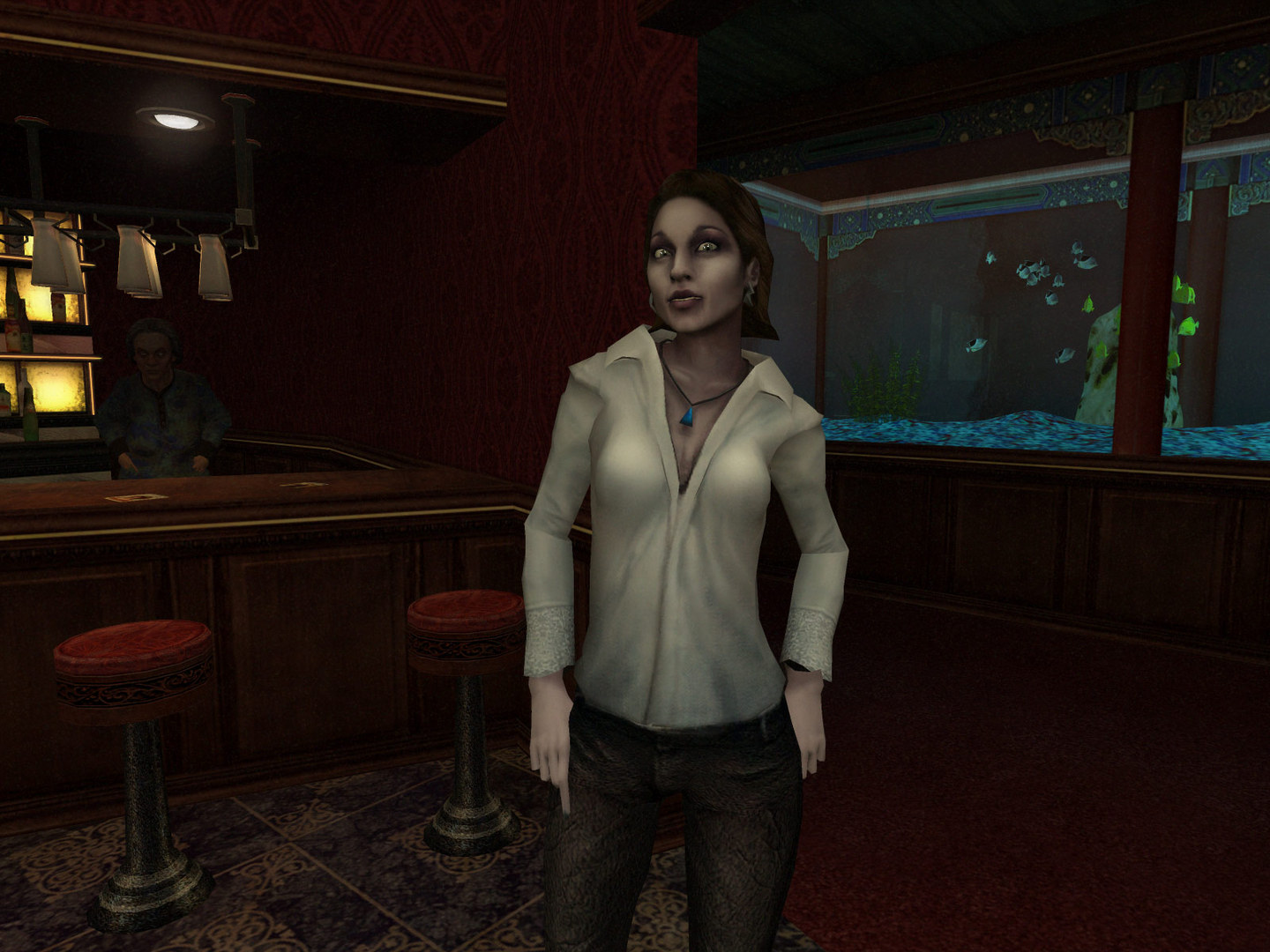
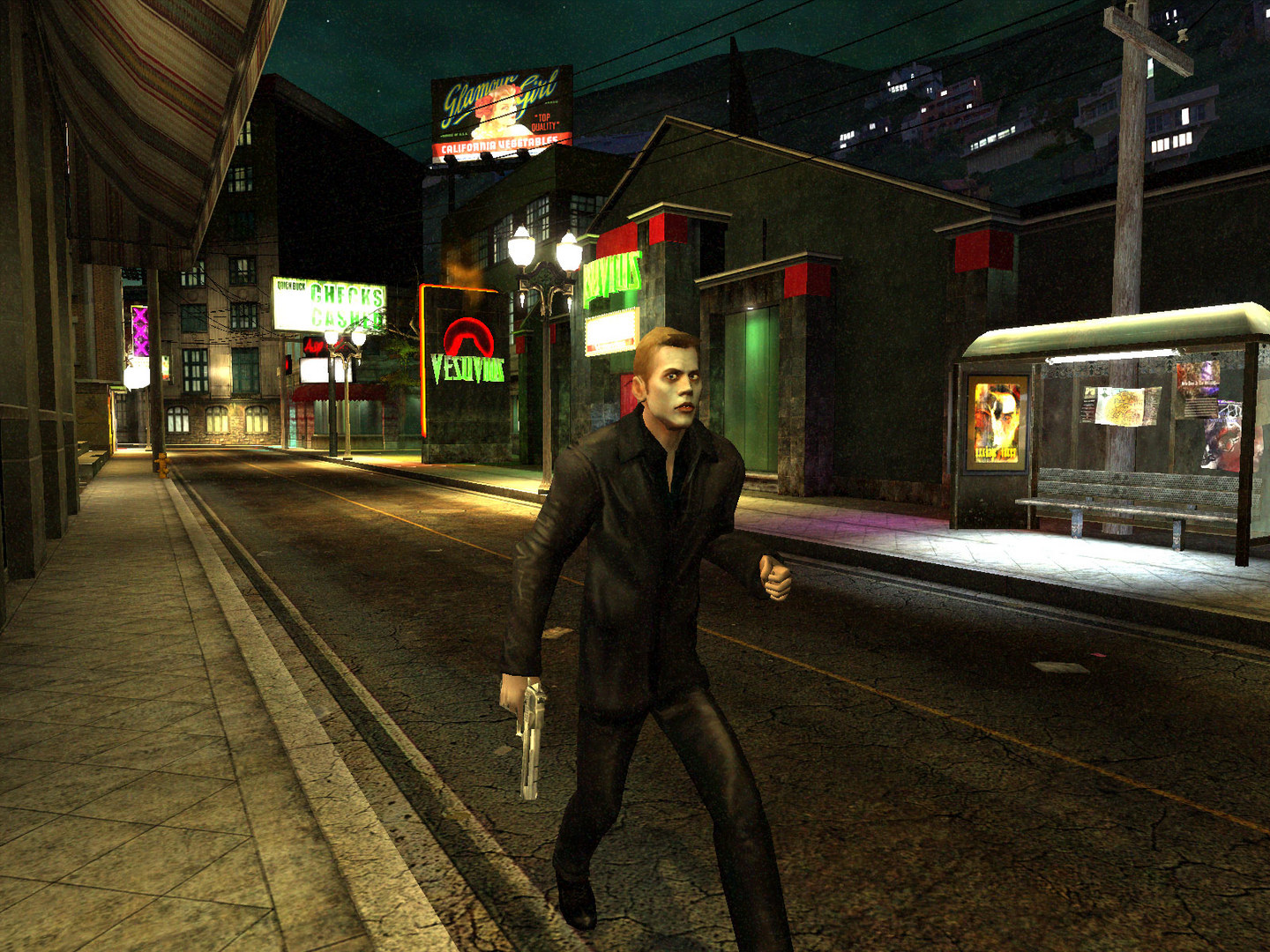
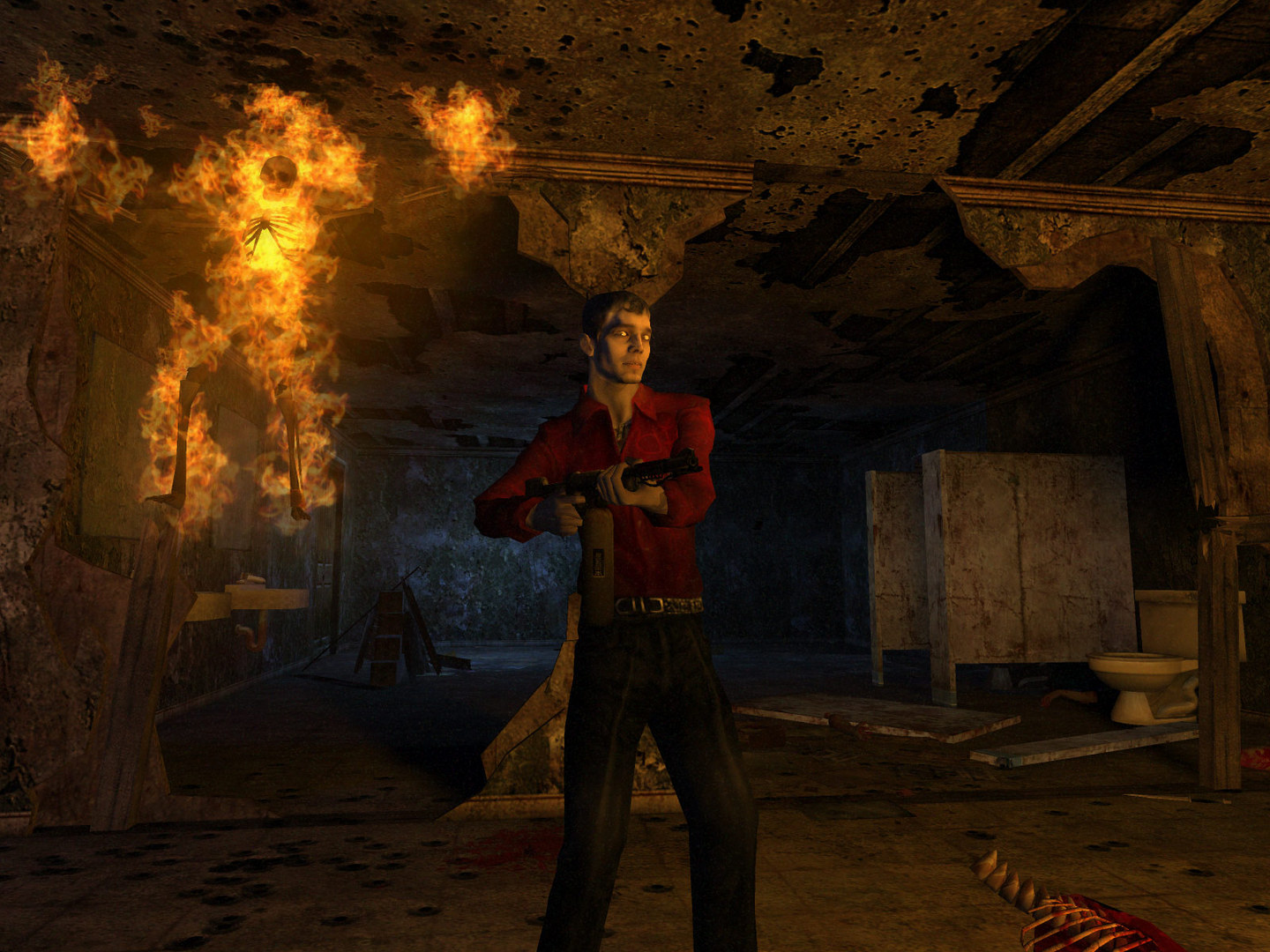
This isn’t horror-as-spectacle. It’s horror-as-erosion. The atmosphere doesn’t shout—it leaks: through cracked voice lines, flickering textures, ambient radio static bleeding into vampire whispers, and the slow, sickening realization that immortality isn’t power—it’s entrapment. You feel the dread of waking up at dawn in a coffin you didn’t choose, the shame of craving blood while staring at a sleeping human’s throat, the isolation of knowing no one—not your sire, not your clan, not even your own reflection—can truly see you. It’s not about being monstrous. It’s about becoming unmoored, watching your humanity fray at the edges until you’re left holding only ritual, hierarchy, and hunger. That’s the feeling: inescapable intimacy with decay.
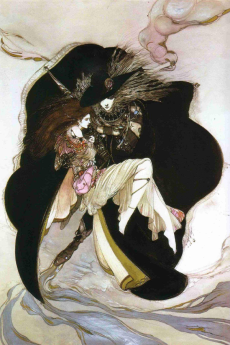
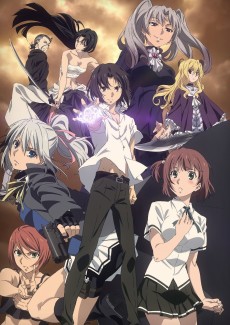
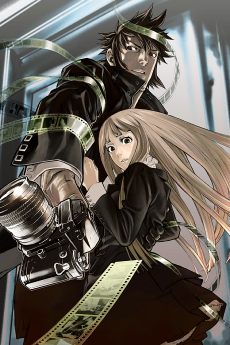
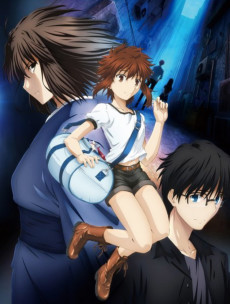
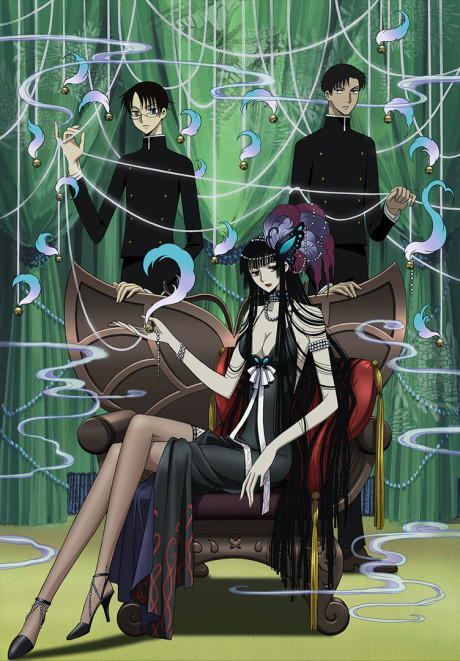
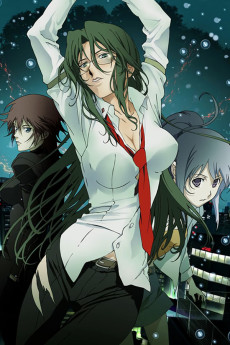
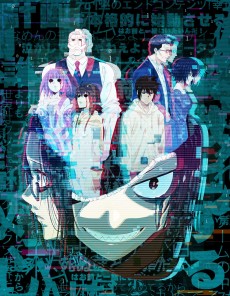
The Garden of Sinners Chapter 5: Paradox Paradigm shares that same Neon Noir soul—where streetlights don’t illuminate, they accuse. Like Bloodlines, it traps its characters in a Los Angeles soaked in moral ambiguity and spectral residue, where every alleyway breathes with suppressed violence and every conversation hides three layers of unspoken consequence. The Dark Fantasy here isn’t dragons or spells—it’s the quiet horror of logic collapsing under its own weight, of time folding in on itself until cause and effect become indistinguishable from guilt. Both demand you sit with discomfort, not solve it.
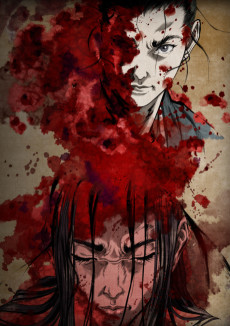
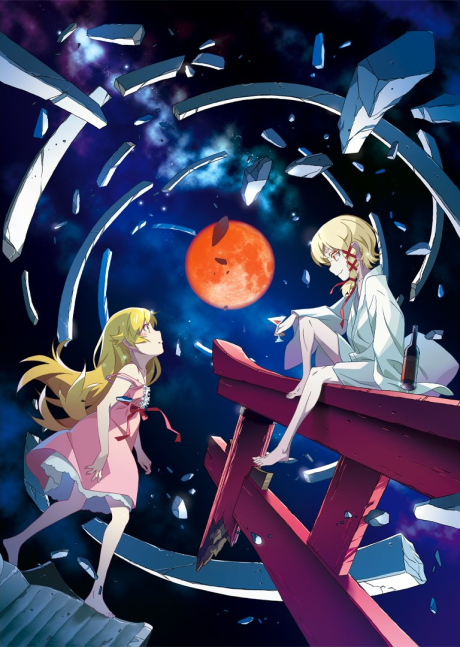
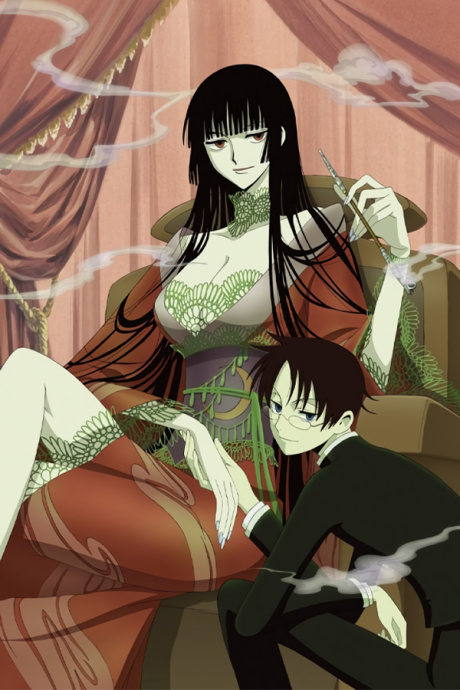
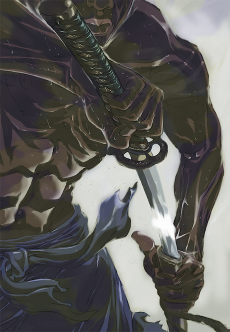
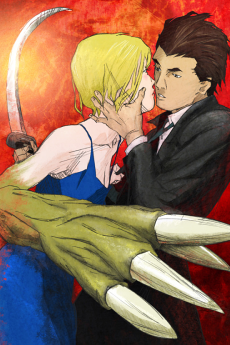
Kizumonogatari Part 2: Nekketsu hits with surgical precision on Body Horror & Occult. In Bloodlines, your vampiric disciplines warp your senses—your vision bleeds red, your hearing fractures into overlapping whispers, your body rebels mid-conversation with involuntary snarls or tremors. Kizumonogatari doesn’t flinch from the physical cost of power: teeth elongating, skin splitting, bones re-knitting in grotesque silence. Neither work treats transformation as liberation. It’s violation—intimate, irreversible, and dripping with shame. The occult isn’t mystical lore; it’s bureaucracy laced with blood oaths, and every incantation smells like iron and regret.
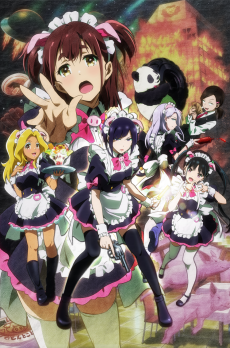
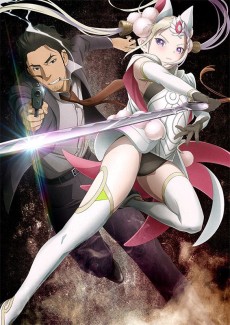
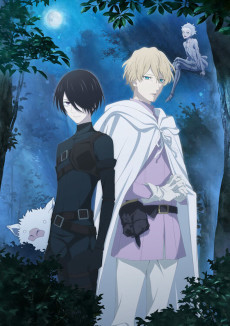
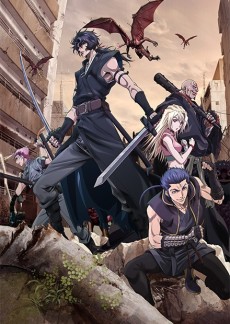
Undead Murder Farce, with its Dark Fantasy, Neon Noir, Body Horror & Occult alignment, mirrors Bloodlines’ tonal whiplash—sudden, jarring shifts between deadpan satire and visceral dread. Think of Bloodlines’ infamous “Motel 6” quest: absurd, claustrophobic, escalating into something deeply unsettling. Undead Murder Farce does the same—using gallows humor to mask existential rot, where a vampire’s hunger isn’t romanticized but rendered as clinical, humiliating, and physically grotesque. Both refuse easy catharsis. When the punchline lands, you’re already sweating.
This pairing isn’t for fans of heroic ascension or clean moral victories. It’s for the person who rewinds a cutscene just to hear how a vampire’s voice cracks when lying to their own sire. For the one who pauses mid-game to stare at a flickering vending machine in an abandoned subway station—not because it’s plot-relevant, but because its glow feels true. For readers who underline sentences in Kizumonogatari where blood isn’t red but warmly viscous, and gamers who remember how the GOG version boots without needing the unofficial patch—because that small, quiet reliability feels like the only mercy in a world built on lies. They’re drawn not to monsters, but to the tremor before the bite: that split second where you still recognize yourself—and know, with cold certainty, that you won’t next time.
→225 Anime That Match the Vibe
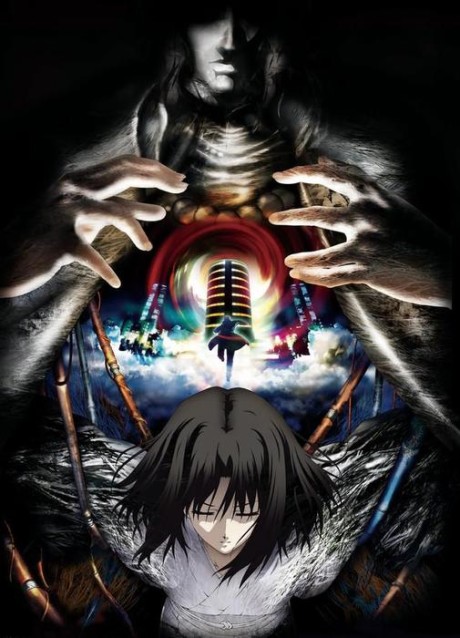
Shiki’s rain-slicked apartment—where Tomoe hides like a feral thing—echoes the neon-drenched, decaying opulence of Santa Monica’s vampire dens in *Bloodlines*. Where the game weaponizes noir’s moral fog through player-driven betrayal and fractured identity, *Paradox Paradigm* deepens it with Shiki’s quiet dread as Tomoe’s past bleeds into her present—both works trap characters in cycles of violence masked by aesthetic glamour. This shared **Neon Noir** resonance isn’t just stylistic; it’s structural: trauma wears lipstick and trench coats, and salvation always arrives too late.
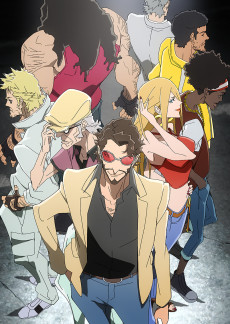
Shadows, cigarettes, and moral ambiguity — noir at its most stylish.
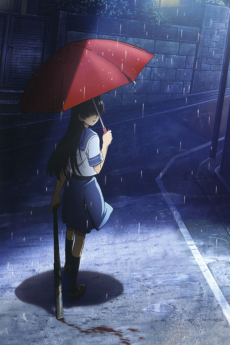
Shadows, cigarettes, and moral ambiguity — noir at its most stylish.
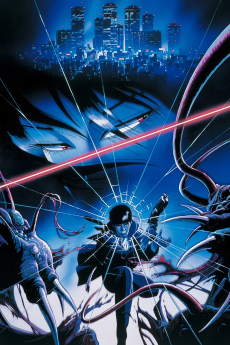
Shadows, cigarettes, and moral ambiguity — noir at its most stylish.
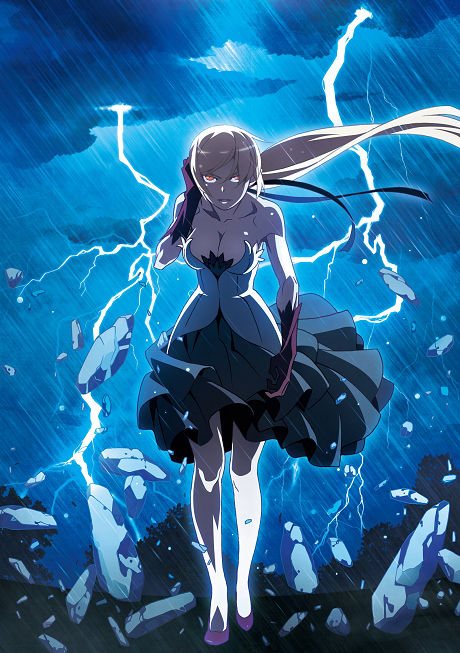
Koyomi Araragi’s grotesque, blood-slicked transformation in *Nekketsu*—limbs snapping, skin splitting under feverish crimson light—mirrors the visceral body horror of Bloodlines’ Malkavian blood frenzy, where sanity unravels in jagged, neon-lit hallucinations. Unlike most vampire media, both weaponize psychological disintegration not as spectacle but as intimate, nauseating consequence—Araragi’s self-loathing and the player’s descent into clan-driven paranoia feed the same dark fantasy hunger for identity erosion. That shared commitment to noir-tinged, adult anguish makes their resonance startlingly coherent, not coincidental.
Shadows, cigarettes, and moral ambiguity — noir at its most stylish.

Shadows, cigarettes, and moral ambiguity — noir at its most stylish.

Neon-drenched Miami jail cells in *STONE OCEAN* pulse with the same claustrophobic dread as Bloodlines’ rain-slicked, flickering alleyways—both weaponizing 🌃 Neon Noir to frame moral collapse as a visual rhythm. Jolyne’s body warping under Dio’s curse mirrors the player’s visceral, irreversible embrace of vampiric degeneration: each transformation is less power-up, more grotesque surrender. Unlike most supernatural narratives, neither flinches from the horror of self-betrayal—where Uvogin’s disintegration or the Malkavian’s fractured psyche becomes a mirror for Jolyne’s unraveling autonomy.

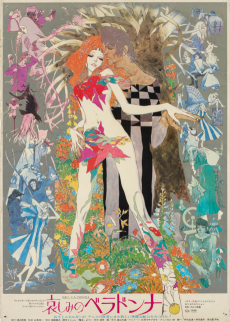
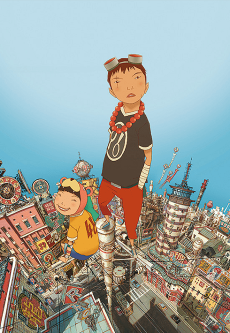
Neon-drenched alleyways in Santa Monica bleed into Paprika’s fractal dream corridors—both worlds warp perception until the line between psyche and pavement dissolves. Where Bloodlines’ Malkavian clan suffers reality fractures mid-conversation, Paprika’s DC Mini hijacks collective unconsciousness, turning therapy into horror with visceral body horror & occult dread. This isn’t just shared noir gloom; it’s a mutual obsession with how trauma reshapes flesh, memory, and identity—making their dark seinen resonance deeply unsettling, not stylized.

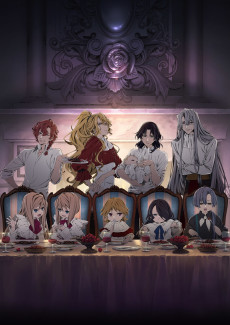
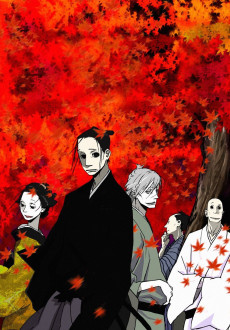
Aya Rindo’s severed head, calmly debating ethics while floating beside her reassembled body, mirrors Bloodlines’ own grotesque intimacy with decay—where vampiric degeneration isn’t just lore but tactile, visceral consequence. Unlike most supernatural fare, both anchor their 🌃 Neon Noir atmospheres in institutional rot: the Asylum’s flickering fluorescents and the Victorian-era Ministry’s gilded corruption alike expose power as parasitic. This mutual obsession with 👻 Body Horror as moral litmus—flesh failing under ideology—makes their resonance startlingly precise, not stylistic coincidence.










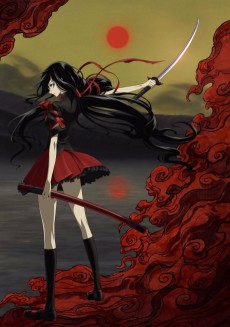
![Tokyo Ghoul: [PINTO]](https://s4.anilist.co/file/anilistcdn/media/anime/cover/medium/bx21326-Vmunxqzj1umc.jpg)


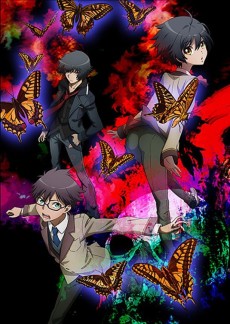
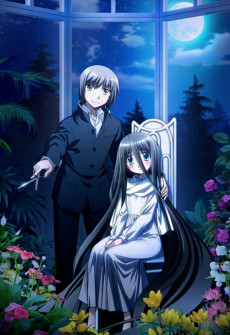






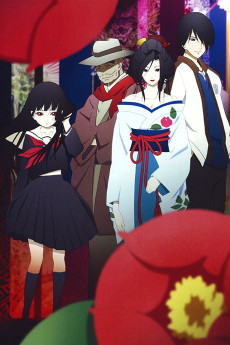









![Fate/stay night [Heaven’s Feel] III. spring song](https://s4.anilist.co/file/anilistcdn/media/anime/cover/large/bx21719-MSdTlkno0Z0u.jpg)




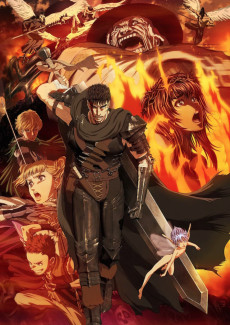
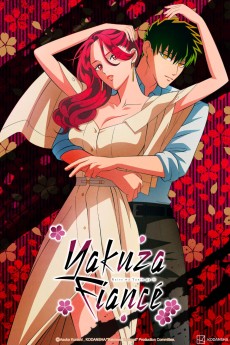

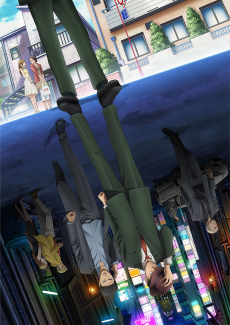


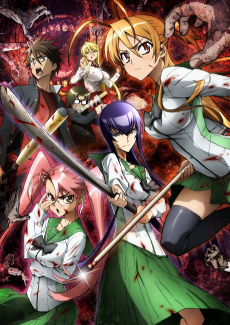









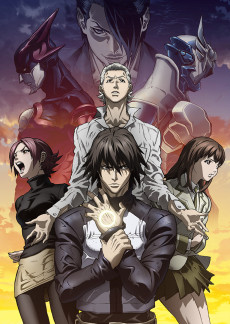

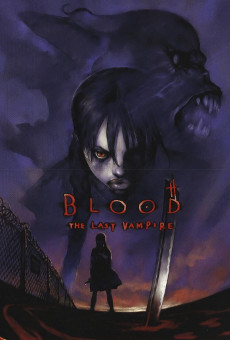
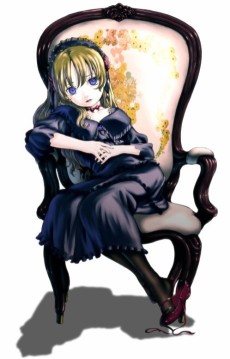
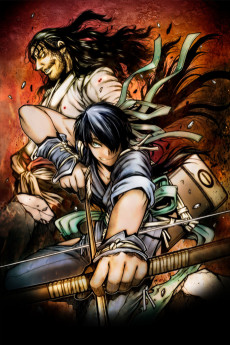




















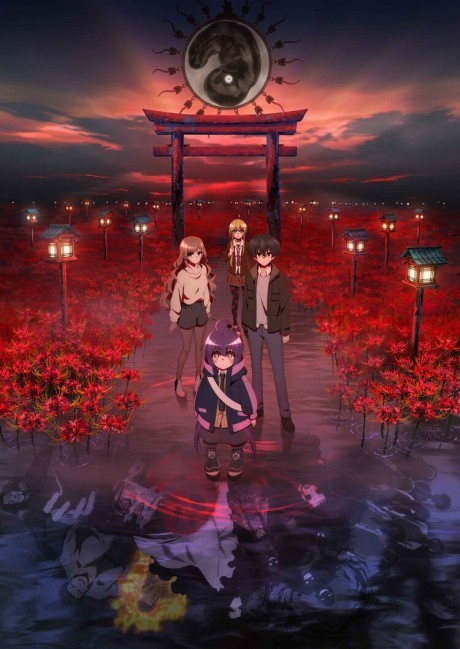

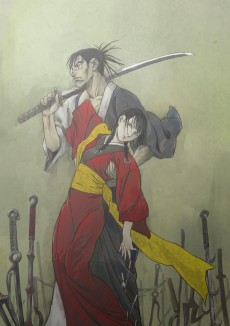




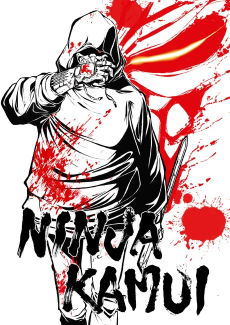


















![Fate/stay night [Heaven's Feel] II. lost butterfly](https://s4.anilist.co/file/anilistcdn/media/anime/cover/large/bx21718-Hjj26Sapx1bd.jpg)














Match Dimensions Explained
❓Frequently Asked Questions
Why is The Garden of Sinners Chapter 5 recommended for Vampire: The Masquerade - Bloodlines fans?
Because it nails that same neon-drenched, morally gray vampire underworld vibe—specifically in the Shinjuku underground scenes where Mikiya Kokutou navigates occult conspiracies while the city pulses with rain-slicked noir lighting. Like Bloodlines’ LA setting, it treats vampirism as a brutal social hierarchy—not just power fantasy—and drops you right into the tense, whispered politics of hidden supernatural factions.
Is there an anime adaptation of Vampire: The Masquerade - Bloodlines?
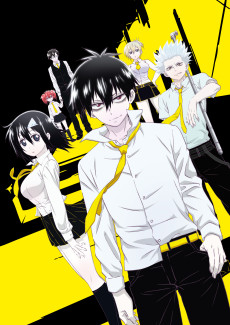
Nope—there’s no official anime adaptation of Bloodlines (or any VtM RPG, for that matter). But if you’re craving that exact blend of gritty L.A. vampire noir and personal descent into monstrous bureaucracy, Undead Murder Farce delivers hard: think Shizuru’s clinical dissections and the Red Court’s labyrinthine clan politics mirroring Bloodlines’ Camarilla power plays in the early 2000s.
How does Kizumonogatari Part 2 compare to Blood Lad for Bloodlines fans?
Kizumonogatari Part 2 leans into visceral body horror and psychological unraveling—like when Kiss-Shot Acerola-Orion Heart-Under-Blade forces Araragi to confront his own hunger and identity—whereas Blood Lad goes full dark comedy with Staz’s failed ‘human girlfriend’ arc and the grotesque, slapstick gore of demon anatomy labs. Both hit Body Horror & Occult, but Kizu’s tone matches Bloodlines’ grim intimacy; Blood Lad’s closer to its chaotic bar-brawl combat energy.
What’s the best anime like Bloodlines if I want that ‘late-night L.A. vampire politics’ mood?
Go straight to Lord of Mysteries—it’s got the same slow-burn dread, layered occult societies operating in plain sight (think the Screamers vs. Bloodlines’ Anarchs/Camarilla), and a protagonist navigating dangerous allegiances while hiding his true nature. The fog-choked London streets and ritual-heavy worldbuilding echo Bloodlines’ emphasis on secrecy, consequence, and the exhausting weight of maintaining the Masquerade—no flashy fangs, just cold calculation and whispered betrayals.