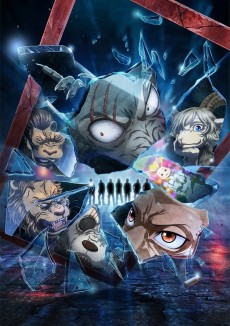
BEASTARS Season 2
"Beastar"—a title awarded to beasts who prove their excellence through fighting inequality to unite carnivores and herbivores in an anthropomorphic animal society. Cherryton Academy has gone five years without one such leader. However, following the murder of an alpaca within the school boundaries, the growing tension between the different species poses a greater need for a Beastar to ensure peace and harmony.
When Louis, the prime candidate for this prestigious role, rejects the offer and leaves the academy, the student council declares to honor any student who captures the culprit of the aforementioned murder as Beastar. Meanwhile, Legoshi's sense of duty as a strong wolf who must protect the weak pushes him to investigate the incident. To further complicate his life, he struggles to manage his complex feelings for the white rabbit, Haru.
(Source: MAL Rewrite)
Note: The first episode had an early delivery on Netflix Japan on January 5, 2021. The regular TV broadcast started on January 7, 2021.
📺Anime Details
📝Editorial Analysis
The fluorescent lights of Cherryton Academy’s hallway hum—low, insistent—while Louis stands frozen in the frame, his deer antlers casting long, trembling shadows across cracked tile. His breath hitches. Not from fear of being caught, but from the weight of what he’s just done: rejected the Beastar title. Not with defiance, not with pride—but with a quiet, gutted surrender. That moment isn’t about ambition lost. It’s about a body remembering its own hunger while trying to speak kindness in a language no one trusts.
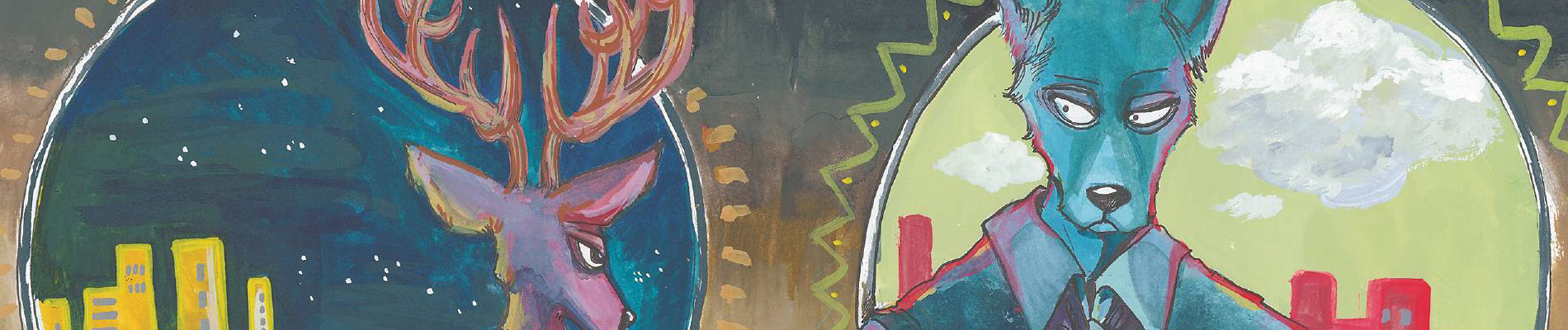
That’s the atmosphere—not tension, exactly, but pressure: the kind that builds beneath skin, behind eyes, in the pause before a confession. BEASTARS Season 2 doesn’t shout its stakes. It lets silence thicken like blood clotting in warm air. You feel the weight of biology pressing against ethics, the exhaustion of performance—how every herbivore flinches at a carnivore’s step, how every carnivore watches their own hands like they might betray them. It’s not noir in the visual sense—no trench coats or rain-slicked alleys—but in its moral vertigo: the world is lit too brightly, yet nothing is clear. Truths are half-swallowed. Motives curdle mid-sentence. And desire? It never arrives clean—it comes tangled with shame, power, and the terrifying intimacy of being seen as dangerous.
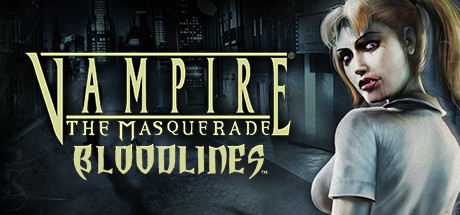
That emotional DNA pulses strongest in Vampire: The Masquerade - Bloodlines, where players navigate a neon-drenched Los Angeles ruled by ancient, hungry clans who must perform humanity while feeding on it. The description calls it “a new type of RPG experience—one that blends all the core elements of a traditional RPG with the graphical richness, immediacy and brutal combat of a first-person shooter.” But what resonates isn’t the combat—it’s the masquerade itself. Like Louis, your vampire must lie fluently, suppress instinct, and weigh every interaction: a glance too long, a laugh too sharp, a hunger too visible. One player review nails it: “BUY IT ON GOG; if you want to use the steam version you need to download the unofficial patch…”—a messy, imperfect, deeply human effort to keep the system running, just like Louis keeps his composure fraying at the edges but never snapping. Both demand you live inside contradiction—not as irony, but as survival.
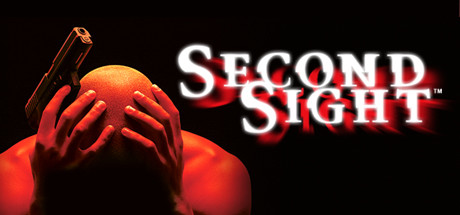
Then there’s Second Sight, described as “combining an atmospheric, psychological thriller narrative with paranormal psychic abilities, stealthy exploration and intense shooter action.” Its player review says: “Second Sight, hands down, is one of my favourite games of all time. Despite its age and wonky mechanics, I've loved this game for its story and mec…” That “wonky mechanics” line is key—it mirrors how BEASTARS Season 2 refuses smooth storytelling. Flashbacks stutter. Conversations derail into subtext so thick you taste copper. Louis doesn’t solve the alpaca murder—he unravels himself inside it. Like the protagonist of Second Sight, who uses psychic powers to revisit memories and reassemble fractured truths, Louis revisits his own impulses—not to master them, but to witness them. Neither story offers catharsis. They offer recognition: the horror of realizing your mind isn’t fully yours to command.
And Max Payne, where “a fugitive undercover cop framed for murder, hunted by cops and the mob, Max is a man with his back against the wall, fighting”—that’s Louis in the final stretch of Season 2: isolated, misread, moving through spaces where every ally could turn, every gesture could be evidence. The player review recalls passing controllers after death—“once you died, you passed the controller to the next player”—which echoes how BEASTARS Season 2 makes vulnerability communal. Louis doesn’t break alone. He breaks in front of others—in front of Haru, Juno, even Legoshi—and each witness carries the fracture differently. There’s no lone wolf here. Just animals, breathing too loud in rooms full of ghosts.
This pairing isn’t for fans of clean allegory or tidy moral binaries. It’s for the person who rewatched Louis’s speech in the auditorium three times—not to catch plot points, but to hear the tremor in his voice when he says “I’m not worthy”, and feels something familiar in that self-erasure. It’s for the player who lingered in Vampire: The Masquerade - Bloodlines’ Red Line Club not for the quests, but because the bassline made their ribs ache. For the one who still remembers the exact moment in Second Sight when memory rewinds—and how it felt less like power, more like grief. These aren’t stories about monsters. They’re about what happens when you stop pretending you’re not one—and then dare to love anyway. Shame. Longing. Trembling. Recognition. Hunger. Exhaustion. Grace.
🎮20 Games That Match the Vibe








Match Dimensions Explained
❓Frequently Asked Questions
Why does Vampire: The Masquerade - Bloodlines keep coming up in BEASTARS Season 2 game recommendations?
Because both dive deep into layered social tension where your species (vampire vs. beast) dictates how others treat you—like when Legoshi hides his predatory instincts while navigating Cherryton’s elite circles, just like your Brujah or Ventrue character must mask their bloodlust amid L.A.’s neon-drenched vampire hierarchy. The game’s dialogue-driven choices, moral ambiguity around feeding, and constant fear of exposure mirror Season 2’s psychological weight—especially during Legoshi’s isolation after the festival incident.
Is there a BEASTARS video game adaptation with official licensing?
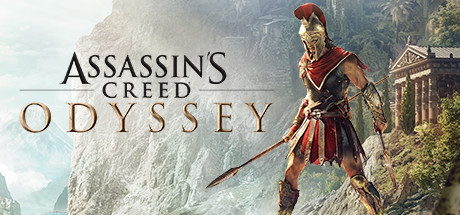
No—there’s no officially licensed BEASTARS game yet. All current matches like Max Payne, Second Sight, and Assassin’s Creed™: Director’s Cut Edition are *unofficial* parallels based on shared vibes: adult-toned noir, identity-as-conflict themes, and morally gray urban worlds. Fans often cite Max Payne’s lone-wolf desperation (framed cop hunted by everyone) as the closest emotional echo to Legoshi’s Season 2 arc—hunted not by law, but by his own nature and society’s gaze.
How does Second Sight compare to Max Payne for BEASTARS Season 2 energy?
Second Sight leans harder into psychological fragmentation and internalized control—think Legoshi’s panic attacks or suppressed urges—via psychic powers that literally let you rewind time or possess enemies, mirroring his struggle to master instinct. Max Payne delivers raw, cinematic noir grit: bullet-time shootouts, voiceover monologues dripping with fatalism, and a world where every alley feels like Cherryton’s shadowy underbelly—but it’s more externalized violence than internal unraveling.
What’s the best BEASTARS Season 2–style game if I want that late-night, rain-slicked, emotionally heavy vibe?
Vampire: The Masquerade - Bloodlines is your top pick—it’s got that exact oppressive, rain-soaked L.A. atmosphere, morally exhausting choices, and characters who wear masks both literal (clan disciplines) and social (like Juno pretending indifference while reeling from Legoshi’s rejection). Even the GOG version’s built-in patch fixes the jank so you can sink into its world without distraction—just like binge-watching Season 2 at 2 a.m., headphones on, heart pounding.