Hitman: Codename 47
As the enigmatic Hitman, you must use stealth and tactical problem solving to enter, execute and exit your assignment with minimum attention and maximum effectiveness. For a price, you have access to the most devious devices, but how you use them will determine if you retire as a millionaire or get permanently retired.
🎮Game Details
💬What Players Say
"it's jank, it's old, and you definitely need to read https://steamcommunity.com/sharedfiles/filedetails/?id=3541891155 before it's playable, but underneath it all lies an unpolished gem."
"I remember playing this game when I was young. It was one of my very first games that I ever tried. Back then my understanding of English was fairly limited which meant that I brute forced every level to progress...."
"Puzzles are one of my favorite genres, but I was not satisfied by this puzzle game. I know, Hitman is a stealth action game, but I quickly identified it as fundamentally a puzzle game. Each mission, my task as a player is to figure out the very narrow and tightly-timed set of actions that would allow me to "solve" each scripted scenario...."
📝Editorial Analysis
The first time you crouch behind a potted fern in the Hong Kong hotel lobby—heart thudding, cursor jittering over a guard’s patrol path—you’re not thinking about story. You’re calculating: how many seconds until he turns, where the spare keycard is stashed, if the janitor’s cart will roll past before the elevator chimes. There’s no music, no voiceover, just the low hum of AC and the faint clink of ice in a glass down the hall. That’s Hitman: Codename 47: not a shooter, not a thriller, but a tense arithmetic of consequence, where every action is a variable in an equation you’re solving blindfolded—guided only by fragmented intel, janky physics, and the quiet dread that one misstep unravels everything. As one player put it: “it’s jank, it’s old… but underneath it all lies an unpolished gem.” And that gem isn’t polish—it’s precision, buried under layers of friction.
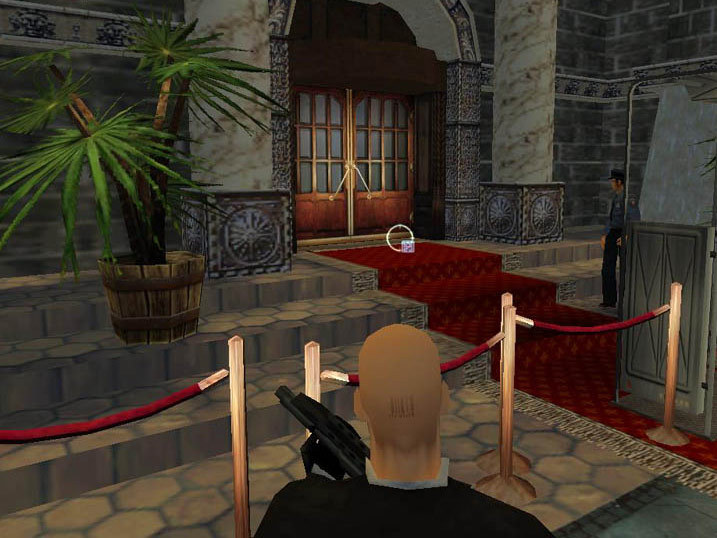
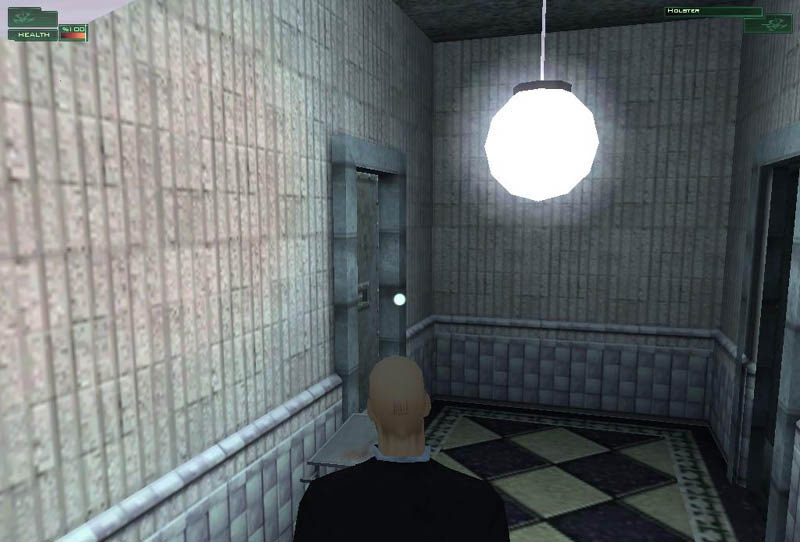
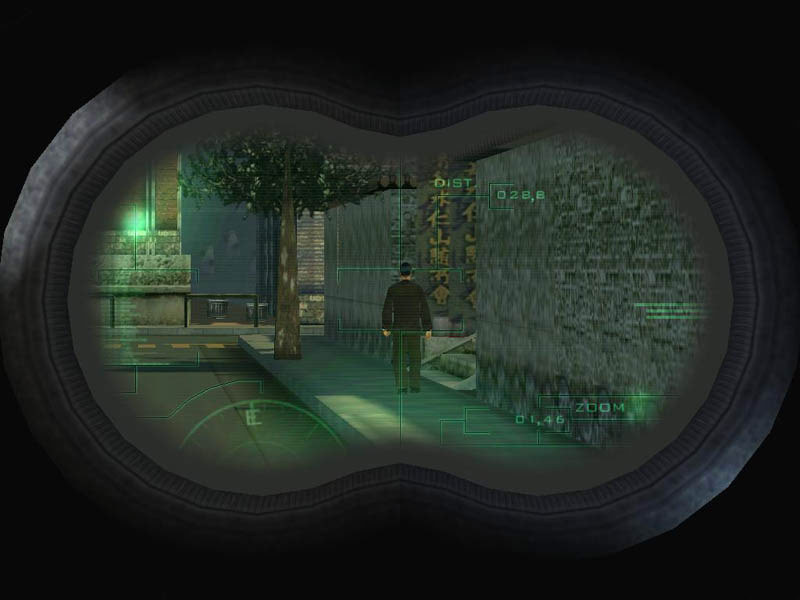
What makes Hitman: Codename 47 vibrate with such singular unease isn’t its violence or its spy trappings—it’s the weight of silence. This isn’t stealth as spectacle; it’s stealth as suspension. You don’t feel like a hero—you feel like a trespasser who’s already been seen, just not yet registered. The game forces you into a state of hyper-attentive paranoia: reading body language, parsing schedules, treating architecture like circuitry. Even the “devious devices” aren’t flashy—they’re levers, distractions, miscalculations waiting to happen. You don’t win by outgunning; you win by outwaiting, by letting time itself become your accomplice. That’s why players call it a puzzle game—not because it’s abstract, but because each mission is a closed system, governed by cause-and-effect so brittle it feels alive. You brute-force it when young, then relearn patience later—not as skill, but as surrender to rhythm.
That same neon noir pulse thrums through Black Lagoon: The Second Barrage, where gunfire echoes off rain-slicked docks and every negotiation happens inches from a knife’s edge—not because characters crave chaos, but because they’ve internalized the rules of a world where trust is a timing error. Like Agent 47, Revy doesn’t dominate space—she navigates its fault lines, using environment, misdirection, and split-second reads to turn overwhelming odds into manageable variables. Then there’s Darker than Black, where Hei moves through Tokyo like a ghost calibrated to surveillance blind spots—his powers aren’t superhuman so much as hyper-tactical, bending perception just enough to slip between layers of control. His missions unfold with the same clinical patience: no monologues, no fanfare—just observation, adaptation, extraction. And B: The Beginning, too: Keith’s early infiltration sequences mirror 47’s Hong Kong hotel—same low-light tension, same reliance on environmental storytelling, same sense that every corridor hides two outcomes, and only one leaves you breathing.
These aren’t matches based on plot or power sets. They’re resonances in dimension: Neon Noir, yes—but not just aesthetics. It’s the glare of streetlights on wet pavement reflecting off a sniper scope, the smell of ozone and cigarette smoke before a kill, the way silence stretches taut right before a trigger pull. Tactical Warfare here isn’t about squads or gear—it’s about decision density: how many micro-choices you make per minute, how many can collapse into catastrophe, how many must be held in memory at once. And Adult & Dark Seinen isn’t just R-rated content—it’s the absence of moral scaffolding, the refusal to tell you whether you’re right, only whether you’re still standing. No anime listed offers redemption arcs or triumphant themes. They offer consequence, delivered with the same dry, almost bureaucratic gravity as Hitman: Codename 47’s mission briefings.
This pairing speaks to someone who finds catharsis not in victory, but in control regained after near-total loss. Not the teenager grinding levels, but the adult replaying a failed hit—not to win, but to understand the exact millisecond their timing slipped. It’s for the viewer who watches Hei pause mid-stride, head tilted, listening—not for danger, but for the rhythm of a heartbeat three rooms away. For the player who reads that Steam guide not for cheats, but for certainty, because certainty is the rarest currency in this world. They don’t want to be saved. They want to calculate. They want to wait. They want to know, deep in their bones, that if they watch long enough, move slow enough, breathe quiet enough—the world will yield its pattern. And when it does? That’s not triumph. It’s recognition.
→103 Anime That Match the Vibe

Shadows, cigarettes, and moral ambiguity — noir at its most stylish.

Neon Noir bleeds through Tokyo’s rain-slicked alleys as Hei slips between surveillance blind spots—just like Agent 47 threading past laser grids in a Hong Kong penthouse. Where *Codename 47* demands surgical silence and environmental improvisation, *Darker than Black*’s Season 1 treats every assassination as a high-stakes tactical puzzle rooted in consequence: Hei’s contracts carry moral weight, not just payout codes. This shared reverence for precision under pressure—neither flashy nor heroic, but coldly competent—makes their resonance startlingly intimate.

Neon Noir glows through rain-slicked Tokyo alleys in *Buddy Daddies*—just as it bleeds into the flickering fluorescents of *Hitman: Codename 47*’s corporate labyrinths. Kazuki’s precise, silent takedowns echo Agent 47’s cold calculus, yet both weaponize that same Tactical Warfare discipline to shield vulnerability: a child’s laughter muffling a silenced shot, a father’s lie dissolving under surveillance camera light. It’s startling how tenderness becomes the ultimate stealth mechanic in both—where control isn’t domination, but containment of chaos for someone else’s safety.
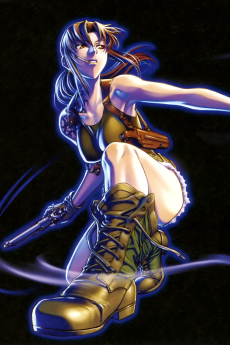
Neon-drenched Bangkok docks in *Black Lagoon: The Second Barrage* mirror the rain-slicked, high-stakes urban labyrinths of *Hitman: Codename 47*—both weaponize 🌃 Neon Noir to frame moral ambiguity as atmosphere. Where Rock’s quiet breakdown in Episode 5 (“The Sacred War”) exposes the hollowness beneath corporate and criminal facades, Agent 47’s silent, methodical eliminations in the Hong Kong hotel mission dissect power through surgical restraint. This resonance isn’t stylistic coincidence: 🎯 Tactical Warfare here means choosing *how* to disappear—not just who to kill.
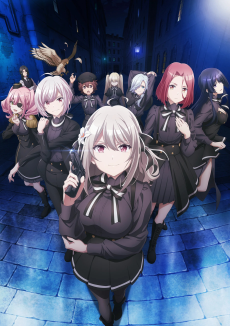
Shadows, cigarettes, and moral ambiguity — noir at its most stylish.

Shadows, cigarettes, and moral ambiguity — noir at its most stylish.

Neon-drenched alleyways in *My Hero Academia* Season 4—like the rain-slicked Tokyo showdown where Shigaraki’s decay clashes with Overhaul’s quirk-enhanced yakuza—pulse with the same *Neon Noir* tension as Hitman’s nocturnal infiltration of a glowing, labyrinthine Hong Kong hotel. Where Agent 47 calculates sightlines and guard rotations to vanish after a silent kill, Midoriya and his classmates execute split-second tactical warfare against layered enemy hierarchies—no gadgets, just grit, timing, and environmental awareness. It’s surprising how deeply both commit to consequence-driven stealth: one through bullet-holed silence, the other through bruised knuckles and collateral damage.

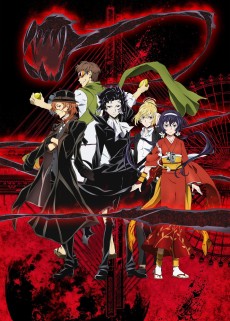
Neon Noir bleeds through both: Hitman’s rain-slicked, chiaroscuro Budapest mirrors the neon-drenched, rain-lashed Yokohama docks where Atsushi and Akutagawa duel Francis—each fight a ballet of calculated misdirection and split-second timing. Where Hitman weaponizes silence and environmental awareness to erase targets unseen, Season 3 frames its supernatural warfare as tactical chess—Akutagawa’s “Rashomon” isn’t just power, but precision deployment under pressure. That shared DNA of Adult & Dark Seinen makes their resonance startling: cold competence masking deep moral fracture.
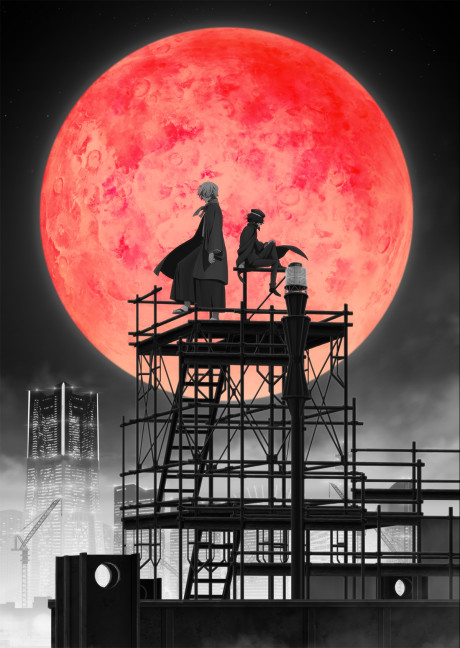
Neon-lit alleyways pulse with the same hushed tension as Hitman’s Hong Kong mission—where Yukichi Fukuzawa’s season-four solo bodyguard work mirrors Agent 47’s precision contracts: no grand ideology, just lethal competence traded for yen or kroner. 🌃 Neon Noir binds them—not through glamour, but in how shadow and sodium light sculpt moral ambiguity into tactical geometry. Unlike most action pairings, this resonance lives in silence: Fukuzawa sheathing his blade mid-step echoes 47’s exit fade-to-black, both choosing restraint as the final weapon.
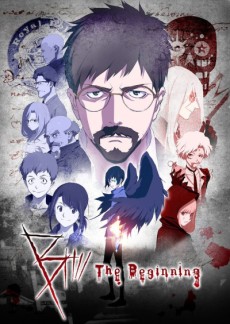
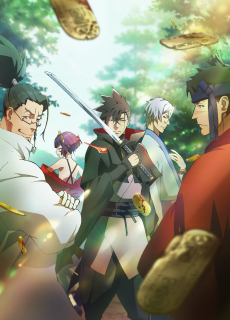
Neon-lit rain slicks the cobblestones of Cremona’s undercity as Koku vanishes into a ventilation shaft—mirroring Agent 47’s silent ascent through a Vienna opera house’s rafters. 🌃 Neon Noir binds them not just visually, but ethically: both navigate morally collapsed systems where precision replaces morality, and silence becomes the deadliest weapon. Unlike most thrillers that glorify chaos, these works find chilling elegance in restraint—making their shared 🎯 Tactical Warfare feel less like action and more like cold calculus.


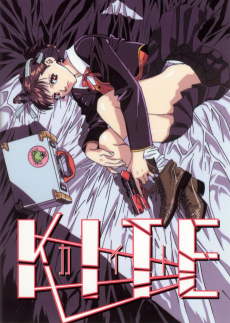
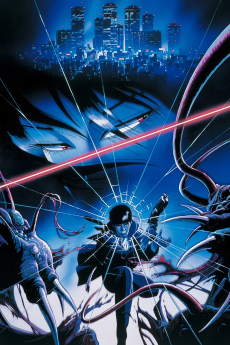

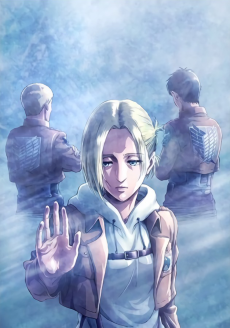
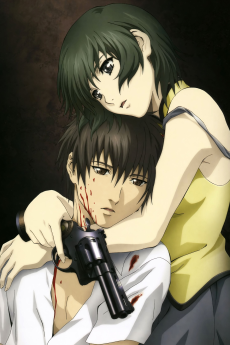





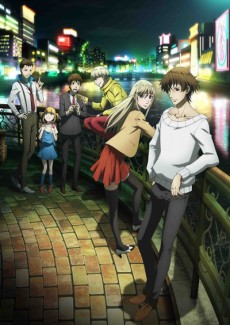
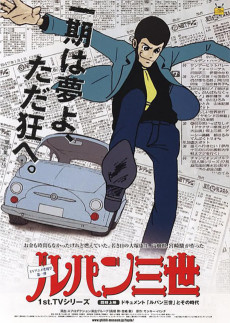



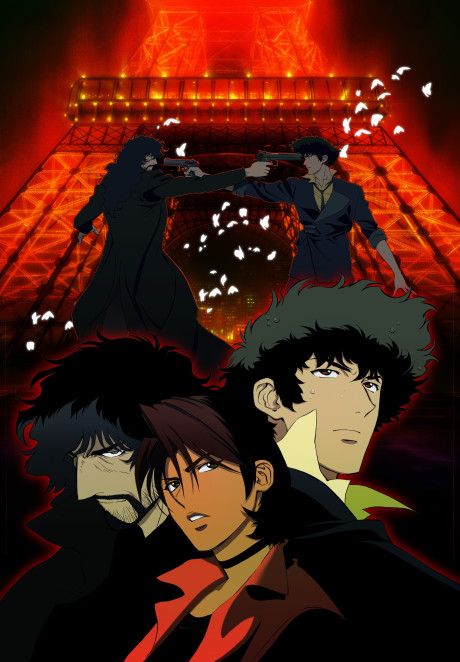
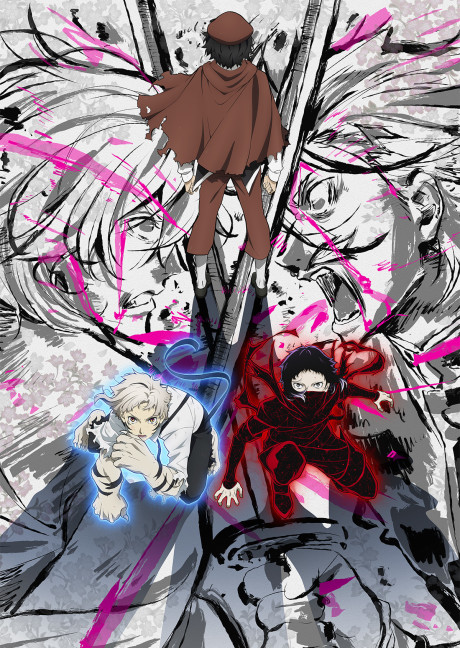


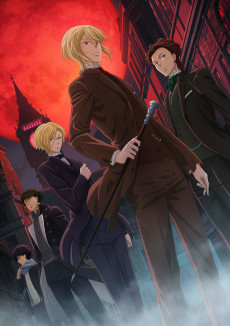
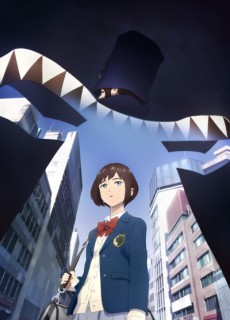
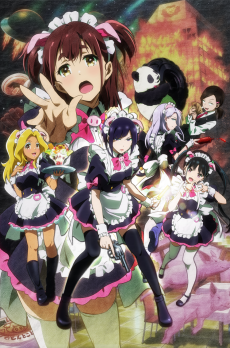
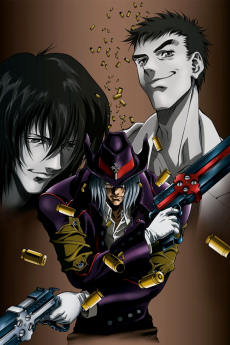





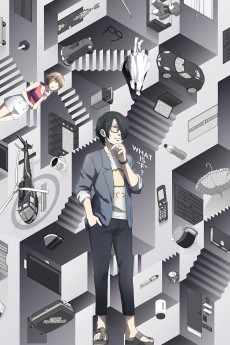



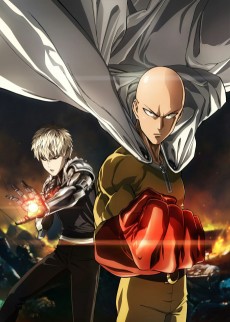


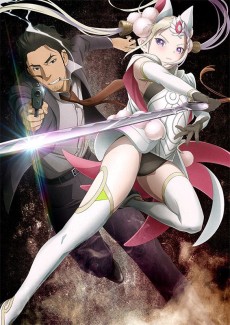
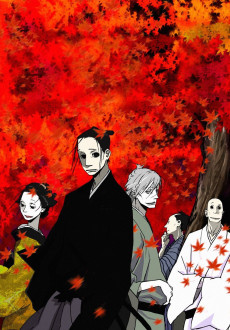

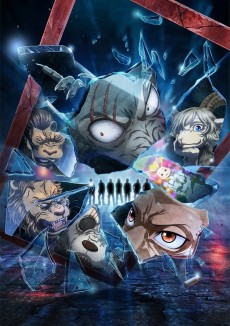
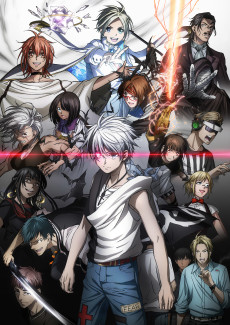



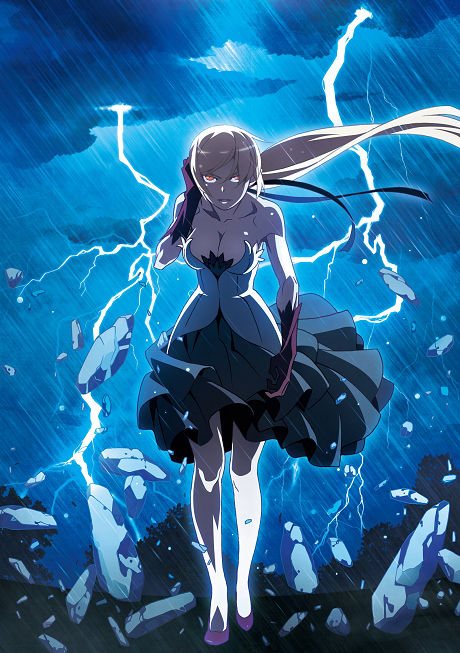

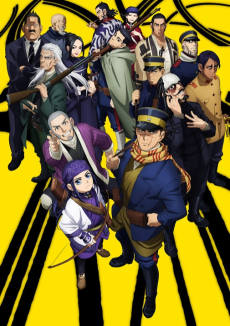







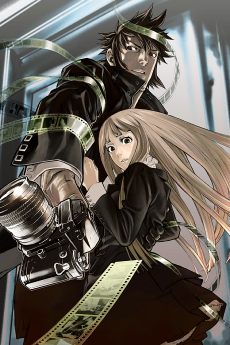
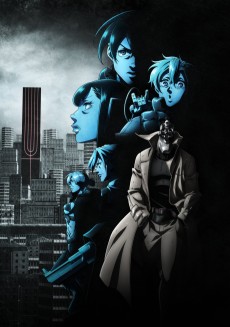

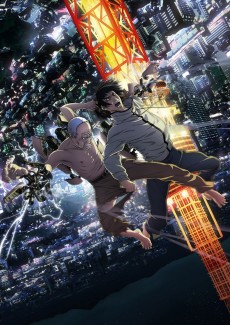

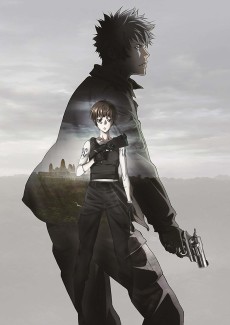


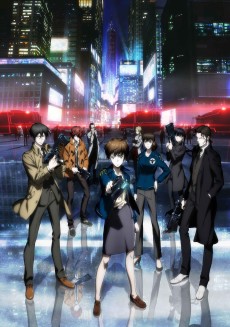



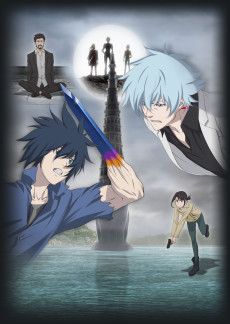
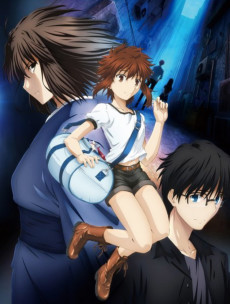
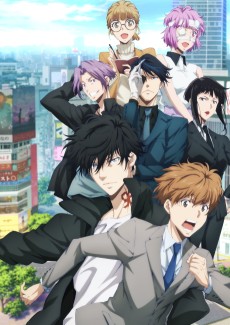
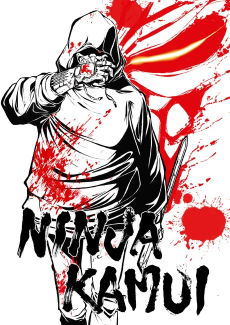
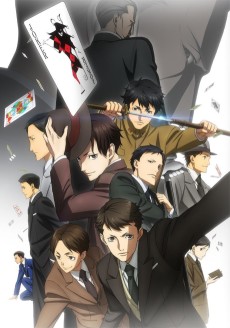
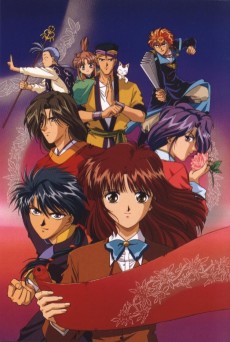


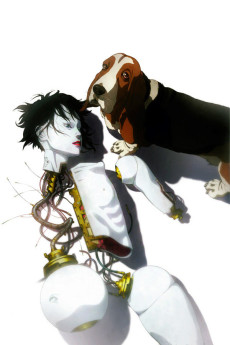
Match Dimensions Explained
❓Frequently Asked Questions
Why is Black Lagoon: The Second Barrage considered the top anime like Hitman: Codename 47?
Because it nails that same gritty, neon-soaked tension where every mission feels like a high-stakes puzzle—like when Revy and Rock infiltrate the Yakuza dockyard in episode 5, using misdirection, timed distractions, and environmental chaos instead of brute force. It’s got the same ‘tactical warfare’ DNA as Hitman, plus that ‘Adult & Dark Seinen’ edge where moral ambiguity and cold calculation drive the action—not just flashy fights.
Is there an anime adaptation of Hitman: Codename 47?
Nope—no official anime adaptation exists, despite decades of fan speculation and even a canceled 2006 manga attempt. What *does* exist are spiritually aligned anime like B: The Beginning, where Keith Fong’s meticulous planning and use of gadgets (like his custom sniper rifle and surveillance drones) mirror Agent 47’s approach—especially in the rooftop takedown sequence in episode 8, where he exploits guard patrol patterns just like you’d study camera rotations in the Hotel level.
How does Darker than Black compare to Bungo Stray Dogs 4 for Hitman-style stealth and planning?
Darker than Black edges it out with tighter tactical pacing—think Hei’s ‘Pandora’ infiltration in episode 13, where he disables security systems one by one, uses shadows and rain cover like 47 uses vents and disguises, and never fires unless absolutely necessary. Bungo Stray Dogs 4 leans more into flashy ability duels (Atsushi vs. Dazai’s mind games), while Darker than Black mirrors Hitman’s ‘puzzle game’ core—each mission is a self-contained system to observe, exploit, and exit cleanly.
What’s the best anime like Hitman if I want that quiet, calculating, ‘retire as a millionaire’ vibe?
Buddy Daddies is your pick—it’s got that low-key, methodical energy where Kiryu and Ryo plan every babysitting gig like a covert op: checking exits, prepping alibis, and turning mundane settings (a grocery store, a park bench) into tactical zones. It’s not about bloodshed—it’s about precision timing and emotional control, just like 47 slipping past guards in the Paris opera house without ever drawing his fiber wire.