
Lycoris Recoil
“LycoReco” is a café with a traditional Japanese twist located in downtown Tokyo. But the delicious coffee and sugary sweets are not the only orders this café takes! From delivering packages short distances, to pick-ups and drop-offs on the lonely streets at night, to zombies and giant monster extermination…?! Whatever your problem, we're here to help! We will solve any kind of "trouble" you may have!
Waiting for you are the ever-smiling poster-girl and the cool, serious newcomer. A petite girl who never wants to work and a young woman approaching thirty who wants to get married. And the manager is a nice guy who’s obsessed with Japan!
Whatever your order is, leave it all up to us♪
(Source: Official Site)
📺Anime Details
📝Editorial Analysis
The steam rises from a ceramic mug—warm, quiet, ordinary—as Chisato Nishikigi smiles across the counter of Lycoris Recoil, her fingers curled around the handle like she’s holding onto something fragile. Outside, Tokyo hums: distant sirens, bicycle bells, the low thrum of subway trains beneath pavement. Inside, the scent of matcha latte and burnt sugar lingers. Then, without breaking eye contact, she flicks her wrist—not to draw a gun, but to flip a pancake on the griddle behind her. The motion is effortless. The contradiction is electric. This isn’t tension disguised as calm—it’s calm forged in tension, a heartbeat held steady while the world spins just slightly off-kilter.

What makes Lycoris Recoil vibrate with such quiet intensity isn’t its gunplay or conspiracies—it’s how deeply it trusts stillness. It treats urban life not as backdrop, but as emotional architecture: narrow alleyways where light pools like spilled honey; café counters worn smooth by years of elbows and whispered confessions; the weight of silence between two women who know each other’s breath patterns before they know each other’s fears. It makes you feel safe, then suspicious of that safety—like the city itself is breathing just a half-beat slower than you are. It doesn’t ask you to choose between action and intimacy—it insists they’re the same language, spoken in different registers. That duality—the warmth of found family layered over the chill of systemic violence—is the show’s true pulse.
That exact resonance echoes in Assassin's Creed™: Director's Cut Edition, where player reviews note its “Neon Noir” and “Political Thriller” dimensions—not as aesthetics, but as mood. One reviewer admits the dated textures don’t break immersion because the feeling holds: “I should probably start with the flaws first… no issues with me.” That’s the Lycoris Recoil mindset: accepting surface imperfections because the emotional fidelity—the way rooftops shimmer under sodium lamps while ideology tightens its grip below—feels true. Like Chisato flipping pancakes mid-crisis, the game’s parkour isn’t just movement—it’s grace under surveillance, a body moving with certainty in a world built to fracture certainty.
Then there’s Disco Elysium - The Final Cut, tagged with “Romance & Shoujo” and “Neon Noir”—a pairing that sounds absurd until you sit with it. Its description calls it “a groundbreaking role playing game” where you “carve your path across” a city, and one player review drops this line like a stone into still water: “Capital has the ability to subsume all critiques into itself.” That’s the unspoken dread humming beneath Lycoris Recoil’s café lights—the sense that even kindness, even sweetness, is being quietly absorbed, repackaged, weaponized by unseen forces. Both refuse easy binaries: love isn’t escape from politics here; it’s the site where politics becomes personal, intimate, bodily. When Yuuri leans into Chisato’s shoulder after a mission, it’s not relief—it’s resistance, tender and tactical.
And Dragon Age: Origins, with its “Emotional Narrative” and “Tactical Warfare”, lands with the same quiet precision. Its player review praises the “pause attack mechanic” that “help[s] a lot to strategist your tactic”—a phrase that mirrors how Lycoris Recoil choreographs emotion: every glance, every shared pastry, every unspoken rule about when to speak and when to hold fire, is part of a larger, practiced strategy of care. The game’s legacy isn’t just in epic battles—it’s in the dwarf noble’s voice cracking as he defends his clan’s honor, or the elf’s laugh that carries the weight of displacement. That’s the same texture as Takina learning to taste coffee without flinching—not growth as triumph, but as re-calibration.
This isn’t for people who want explosions or tea ceremonies. It’s for the ones who feel their chest tighten when a character pauses—just half a second too long—before saying “I’m fine.” For those who’ve ever walked home at night past glowing convenience stores and felt both protected and watched, both seen and unmoored. For players who replay dialogue trees not to optimize outcomes, but to hear a voice soften just once more. For viewers who rewatch episode 13 not for the climax, but for the shot of Chisato’s hand resting, open-palmed, on the café counter—empty, waiting, enough.
🎮19 Games That Match the Vibe






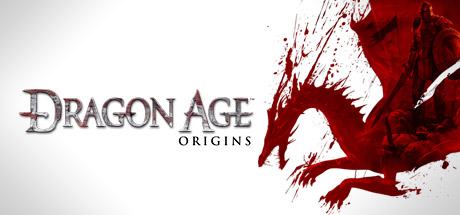




Match Dimensions Explained
❓Frequently Asked Questions
Why does Disco Elysium feel so much like Lycoris Recoil’s quieter, rain-slicked moments?
Because both lean hard into Neon Noir atmosphere and morally gray political tension—think Chisato’s calm-but-deadly rooftop standoffs mirrored in Disco Elysium’s rain-drenched Martinaise alleys and Detective Harrier’s internal monologues about systemic rot. The game even shares Lycoris’ quiet intensity: you’re not just solving crimes, you’re navigating ideological minefields like the ‘Capital subsumes all critiques’ line from that player review—very Chisato-and-Yojo debating duty vs. humanity.
Is there an anime adaptation of Assassin's Creed that captures Lycoris Recoil’s stylish action?
No official anime adaptation exists—but Assassin’s Creed: Director’s Cut Edition *does* nail the same sleek, high-stakes Tactical Warfare vibe as Lycoris’ café takedowns or train-station skirmishes. Its parkour-driven chases across Acre’s rooftops and silent, precise takedowns (no flashy combos, just lethal efficiency) feel like watching a live-action episode where Chisato swaps her blazer for a hooded robe.
How does Persona 5 Royal compare to Dragon Age: Origins for Lycoris Recoil fans who love emotional bonds and stylish combat?
Persona 5 Royal leans into Romance & Shoujo + Emotional Narrative with its Tokyo school life, confidant-building, and jazz-fueled heists—like Lycoris’ warm character moments between missions. Dragon Age: Origins delivers deeper Tactical Warfare with its pause-attack system (perfect for planning squad flanks like Yoriko’s precision support), but lacks P5R’s breezy charm and visual pop—so if you crave *both* heartfelt dialogue *and* slick turn-based flair, P5R’s your match.
What’s the best game like Lycoris Recoil for when I want that bittersweet, late-night city glow and philosophical weight?
Disco Elysium – The Final Cut is your answer. It’s soaked in Neon Noir, drips with the same melancholy beauty as Lycoris’ night drives through Shinjuku, and hits that Political Thriller depth—like when Yojo questions institutional loyalty, but dialed up to existential levels (see that player review quoting capital’s self-cannibalizing logic). Plus, its detective work feels like Chisato quietly reading a room before acting—calm, sharp, and heavy with unspoken stakes.