Rogue Trooper
Nu Earth: a poisoned planet where endless war rages between the Norts and the Southers. A futile struggle on a hostile planet with no end in sight. But there are tales of a lone warrior. A man who knows no allegiance, the Rogue Trooper!
🎮Game Details
💬What Players Say
"good hidden gem single player game. is like ps2 era game no bullshiet."
📝Editorial Analysis
The wind howls across Nu Earth—not with the clean fury of a storm, but with the rasping, chemical-laced wheeze of a dying lung. You’re crouched behind the rusted hull of a downed APC, rifle hot in your hands, watching tracer fire stitch jagged lines across a sky stained ochre and bruised violet. There’s no music swelling, no squad chatter—just static hiss, distant artillery thuds, and the low, guttural click-hiss of your own respirator syncing with your breath. This isn’t war as spectacle. It’s war as exhaustion. As the official description says: a futile struggle on a hostile planet with no end in sight. And yet—you move. Alone. Not for flags or generals, but because the rifle still fires, the boots still grip the poisoned soil, and the last thing left is motion itself. That’s the feeling the player review nails without naming it: no bullshiet. No cutscene bloat, no hand-holding, no moral scaffolding—just you, the grit, and the quiet, grinding weight of survival.
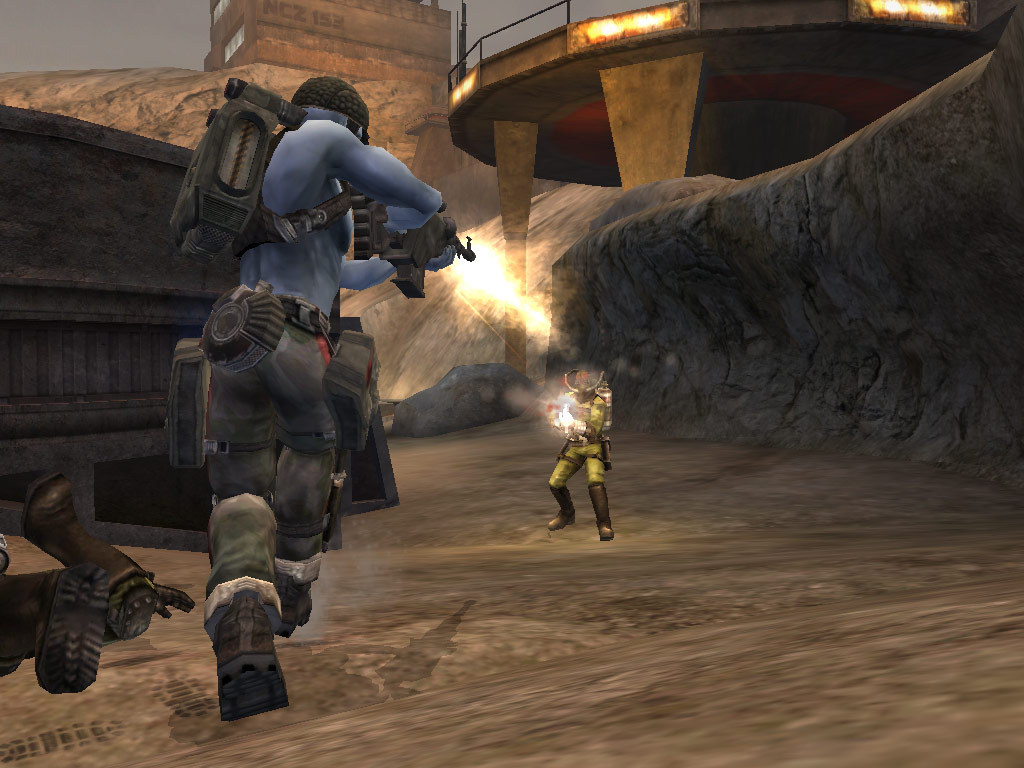
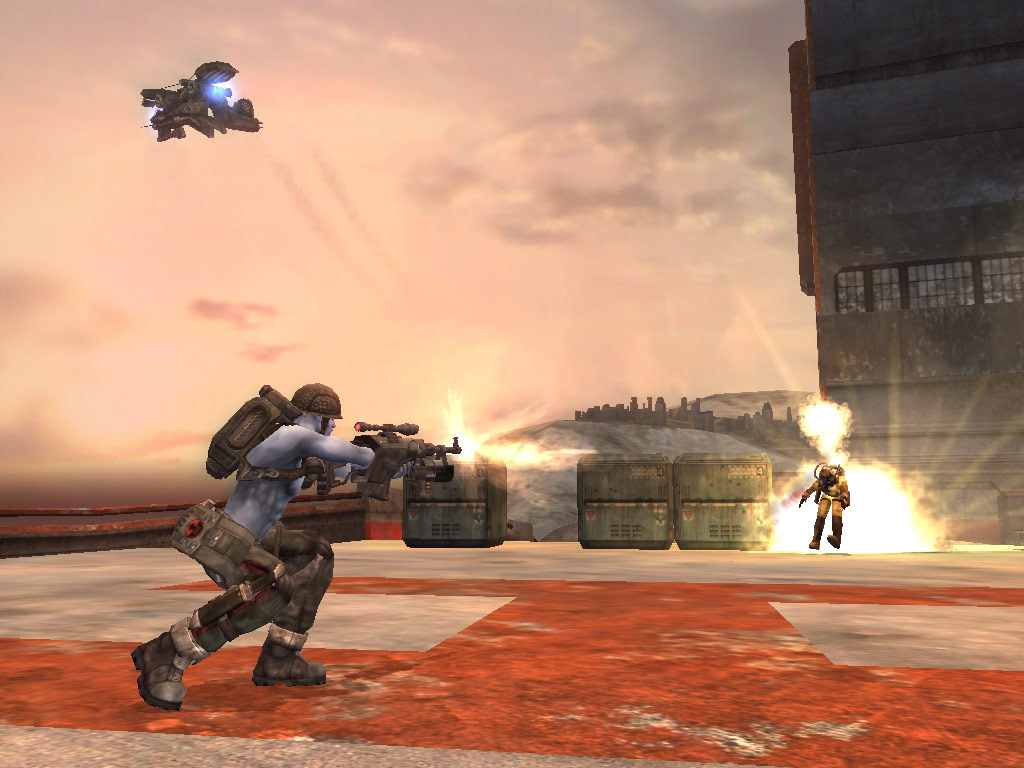
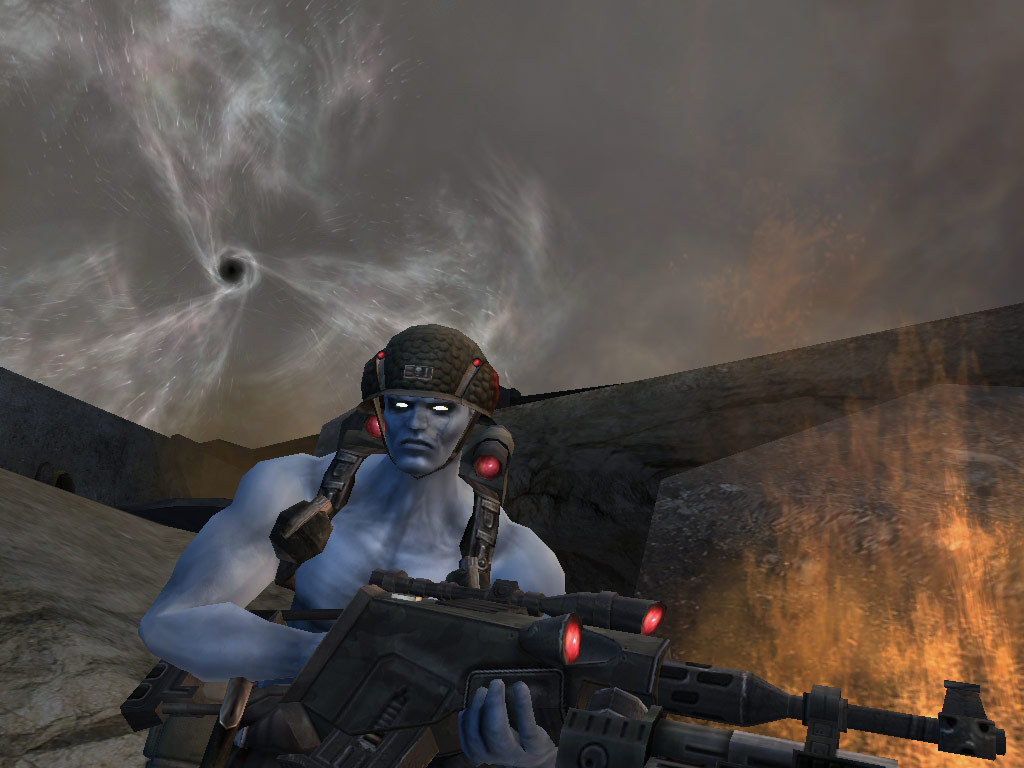
What makes Rogue Trooper’s atmosphere singular isn’t its sci-fi setting or third-person shooter mechanics—it’s the emotional gravity of perpetual attrition. It makes you feel weary, not heroic; resigned, not defiant. The planet isn’t just a backdrop—it’s an active antagonist breathing toxins into your lungs, corroding your gear, blurring your HUD with acid rain. You don’t win Nu Earth. You outlast it—by minutes, by meters, by sheer refusal to fold. That’s why the game lingers like smoke in your throat long after the credits: it doesn’t ask you to believe in victory. It asks you to respect the endurance of someone who keeps walking through hell because stopping means dissolving into the dust.
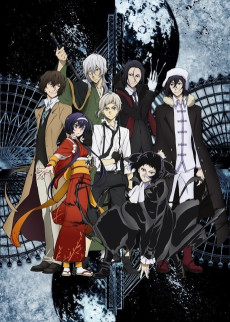
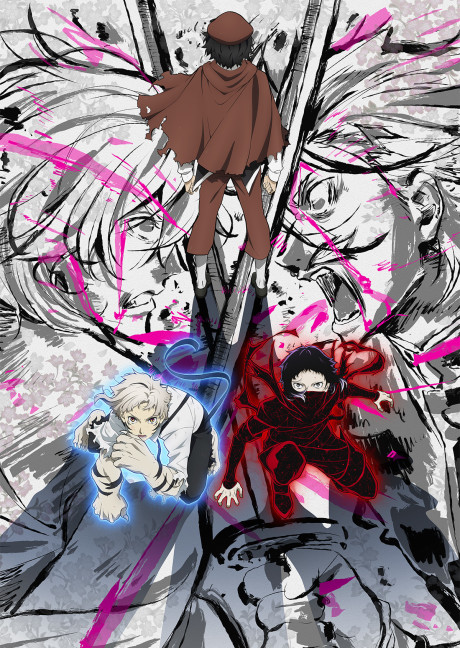
That same worn-down, neon-bleached intensity pulses through Cowboy Bebop, where Spike Spiegel drifts through space not chasing glory but echoes—of lost causes, broken loyalties, and a war that ended but never released him. Its Neon Noir isn’t just visual; it’s tonal—the flicker of a bar sign reflecting in a rain-slicked visor, the silence between gunshots echoing louder than the shots themselves. Like Rogue Trooper, it treats combat as tactical, not theatrical—every reload matters, every cover position counts, every decision carries the dull thud of consequence. Then there’s Darker than Black, where Hei moves through Tokyo’s underbelly like a shadow with a pulse—his missions precise, his allegiances frayed, his world soaked in the same Neon Noir haze: sodium-vapor glow on wet pavement, surveillance feeds bleeding static, violence that’s sudden, efficient, and heavy. No grand speeches—just the weight of a knife drawn, a sniper scope adjusting, a life ending mid-sentence. And Bungo Stray Dogs 4 sharpens that edge further: its Tactical Warfare isn’t about armies, but about precision under pressure—characters calculating angles, exploiting environmental hazards, turning alleyways and stairwells into lethal geometry. Like Rogue Trooper’s lone trooper scanning a ruined refinery for vantage points, Atsushi doesn’t roar—he assesses, adapts, and acts—because hesitation isn’t dramatic. It’s fatal.
This isn’t for the player who wants to save the galaxy or the viewer who needs redemption arcs wrapped in bowties. It’s for the one who feels seen when a character reloads their pistol in silence, staring at their own reflection in a cracked visor. It’s for the person who finds poetry in a spent shell casing skittering across cracked concrete—or in the way a neon sign buzzes just before a fight breaks out. It’s for those who understand that weariness isn’t weakness—it’s the texture of truth. Who recognize that loyalty isn’t sworn to nations, but to the next breath, the next shot, the next moment where you choose to keep moving—not because it matters, but because you do. These pairings speak to the ones who’ve ever walked home late at night, past flickering streetlights and shuttered shops, feeling the quiet hum of exhaustion—and nodded, just once, to the echo of a trooper’s bootstep fading into the poison wind.
→118 Anime That Match the Vibe

Shadows, cigarettes, and moral ambiguity — noir at its most stylish.

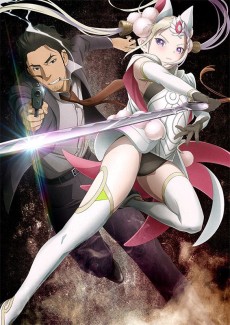
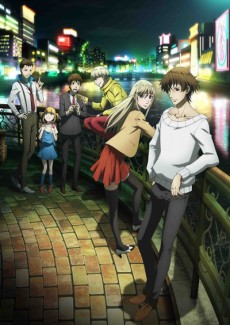
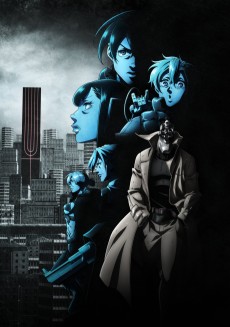
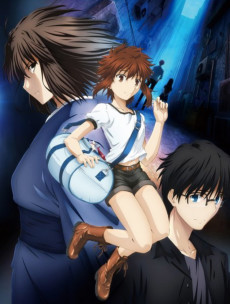
Neon-drenched rain slicks Tokyo’s alleyways as Hei flicks ash from a cigarette—his calm a stark counterpoint to the psychic bloodshed humming beneath Hell’s Gate. Like Rogue Trooper’s trench-scarred Nu Earth, *Darker than Black* weaponizes neon noir not just as style but as moral weather: light refracts through poisoned air, warping loyalty and erasing clean lines between soldier and specter. Where Rogue’s Genetic Infantryman fights with his dead comrades’ voices in his helmet, Hei negotiates contracts in silence—both tactical warfare forged in systems too broken to name heroes.

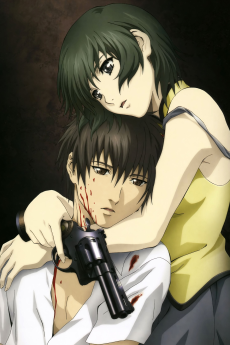
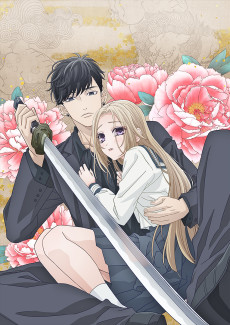
Neon-drenched rain slicks Kazuki’s coat as he cradles Miri in a quiet Tokyo alley—suddenly echoing Rogue Trooper’s lone sniper silhouetted against Nu Earth’s toxic auroras. Where tactical warfare frames both the Southers’ grim trench raids *and* Kazuki’s precise, emotionally restrained takedowns, 🌃 Neon Noir binds their worlds: not just in palette, but in how light exposes vulnerability amid violence. It’s startling—and quietly profound—how both use combat discipline to frame found-family tenderness.
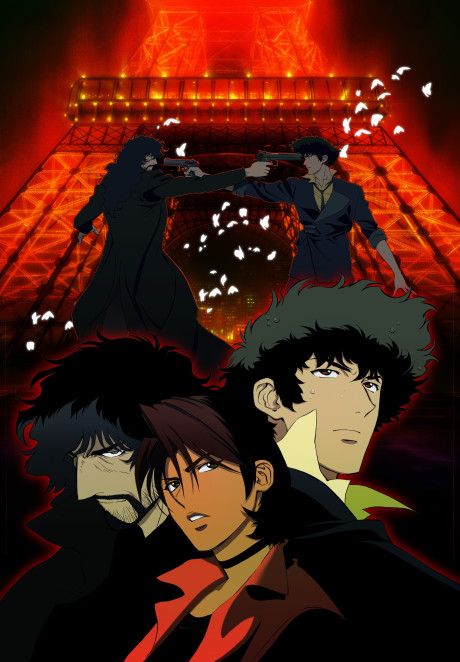
Shadows, cigarettes, and moral ambiguity — noir at its most stylish.
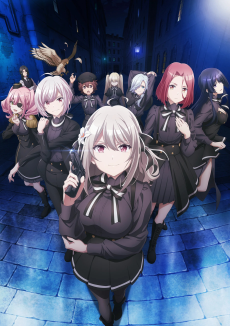
Shadows, cigarettes, and moral ambiguity — noir at its most stylish.
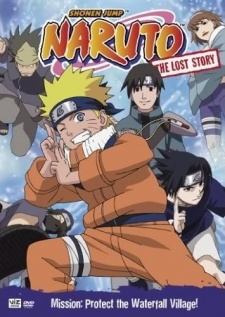
Shadows, cigarettes, and moral ambiguity — noir at its most stylish.
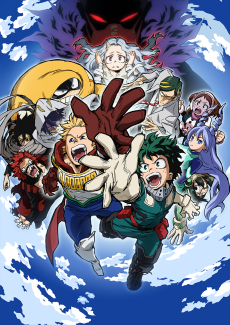
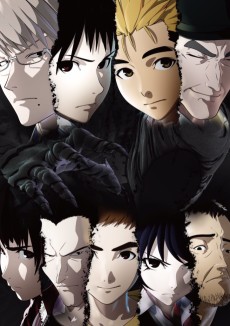
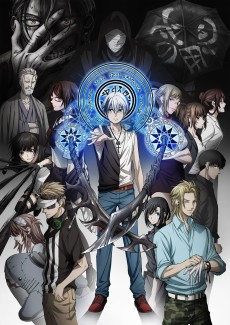
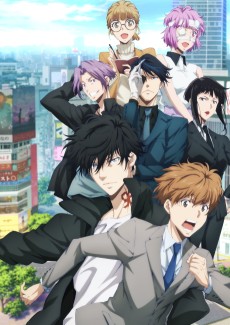
Neon-drenched trench warfare on Nu Earth mirrors the rain-slicked, graffiti-streaked streets where Shigaraki’s fingers twitch toward Overhaul’s crumbling yakuza empire. Where Rogue Trooper weaponizes tactical silence amid chemical fog, Season 4 fractures heroism through claustrophobic alley fights and morally frayed command decisions—both steeped in 🌃 Neon Noir’s grim glamour and 🎯 Tactical Warfare’s weighty consequence. It’s startling how two stories—one sci-fi war tragedy, one superhero civil war—converge on the exhaustion of ideology when the battlefield is already poisoned.
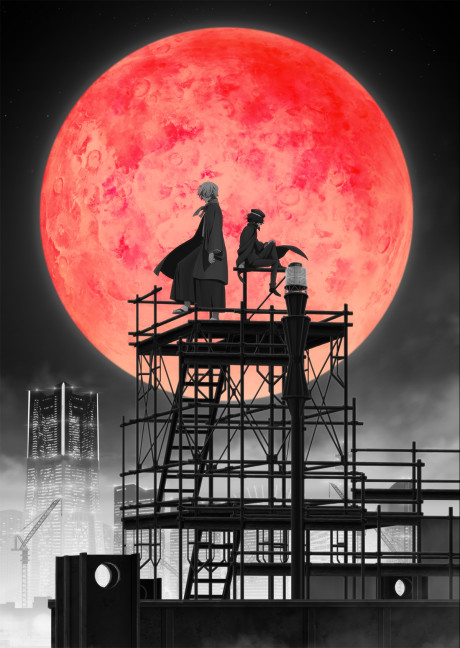
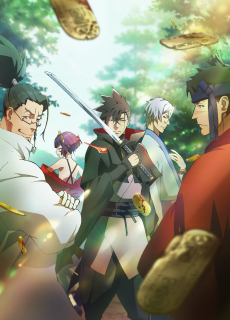
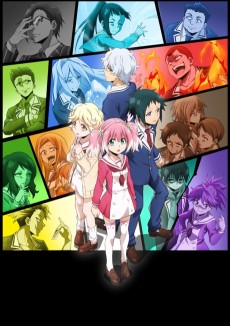
Neon-drenched trench warfare in Nu Earth’s acid rain mirrors Yukichi Fukuzawa’s lone, rain-slicked patrols through Yokohama’s shadowed alleys—both steeped in 🌃 Neon Noir’s moral ambiguity and weary grace. Unlike most tactical shooters or supernatural anime, *Rogue Trooper*’s grim, squad-less survival and *Bungo Stray Dogs 4*’s quiet pivot to freelance swordsmanship share a rare, resonant exhaustion: war isn’t glorious—it’s a job done alone, under flickering signs and falling ash. That tension between duty and detachment feels startlingly human across both.
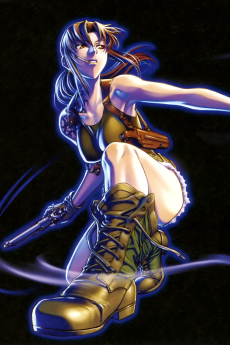
Nu Earth’s acid rain slicks over Rogue Trooper’s cracked helmet visor—just as Rock’s trembling hands steady a pistol in Roanapur’s neon-drenched alleyways during *The Second Barrage*’s tense embassy siege. Where tactical warfare fractures loyalty into split-second choices, both works weaponize moral exhaustion: Rogue’s bio-chipped comrades whisper from his gear; Rock’s quiet breakdown after betraying the Yakuza reveals how deeply noir corrodes idealism. Their shared 🌃 Neon Noir isn’t just lighting—it’s the glow of compromised survival on worlds that refuse redemption.

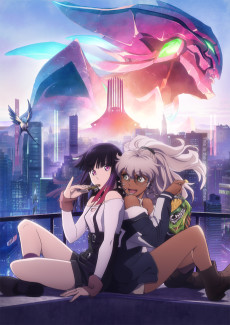
Nu Earth’s acid-rain trenches and Trigun Stampede’s irradiated wastelands share a haunting neon noir glow—where flickering holograms bleed into dust-choked skies. Vash’s pacifism under relentless tactical warfare mirrors Rogue Trooper’s lone Genetic Infantryman navigating futile, systemically broken conflict—not as opposites, but as fractured reflections of conscience in scorched sci-fi soil. That shared tension between weaponized duty and moral exhaustion makes their resonance startlingly intimate.


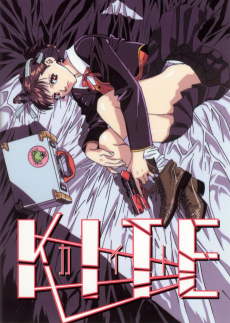
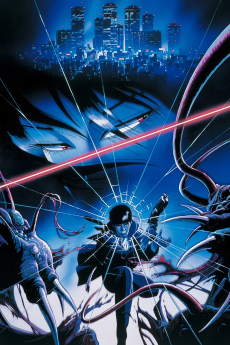



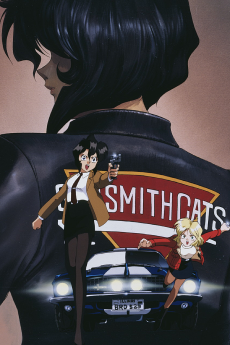

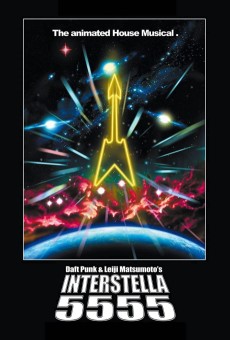

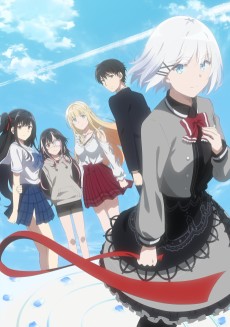
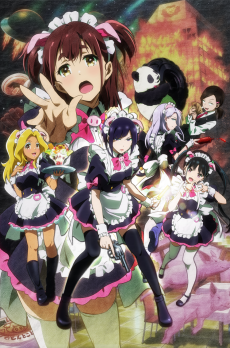
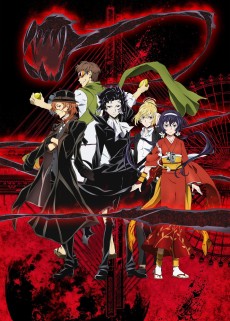
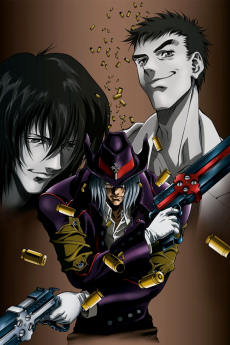

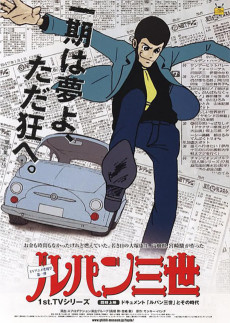


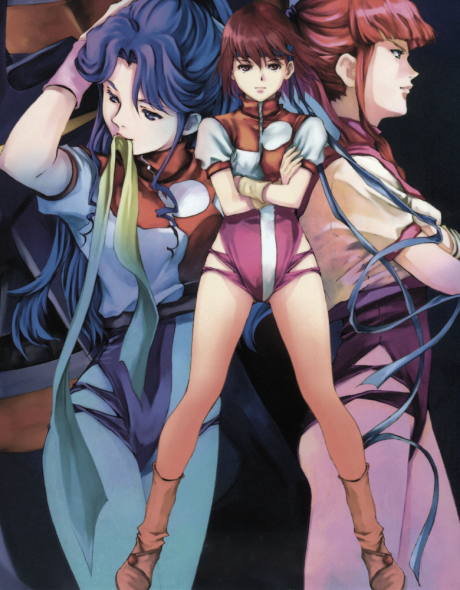
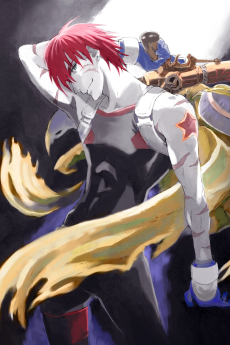
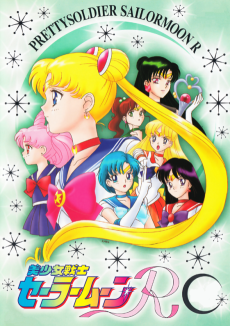
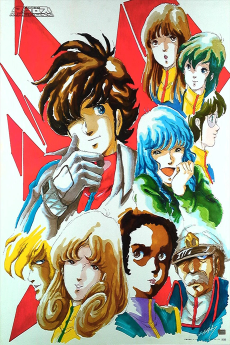
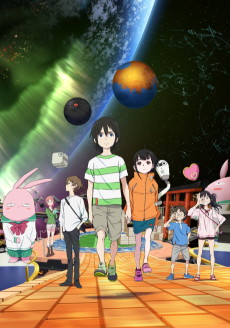
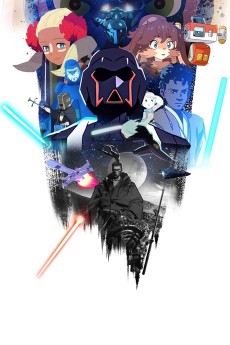


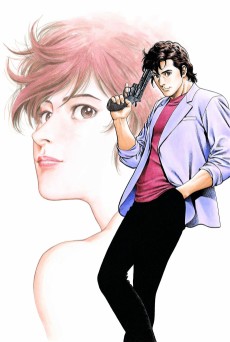
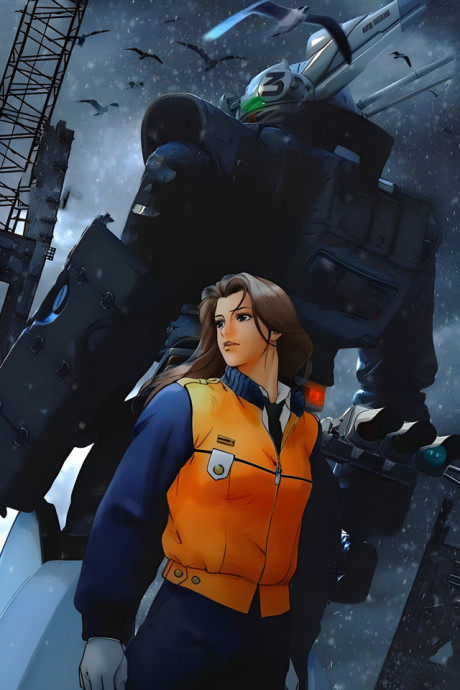

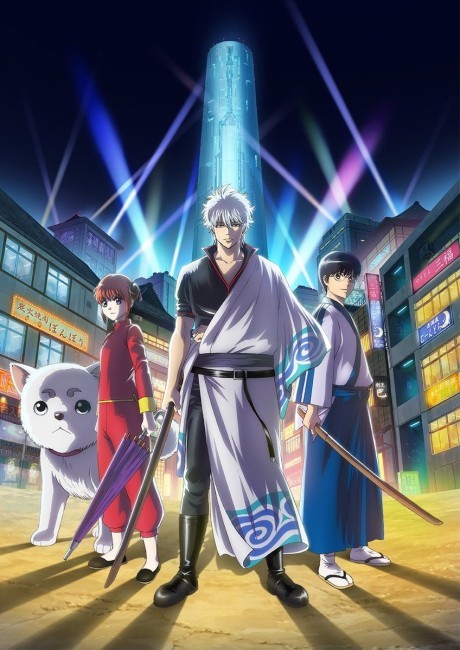


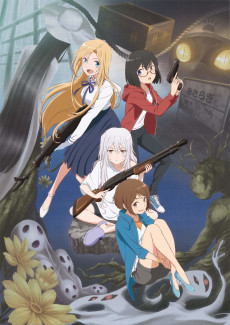
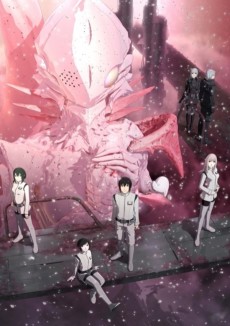
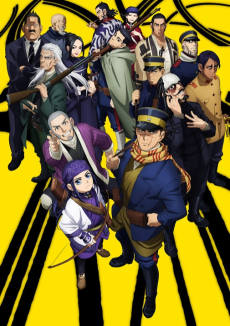
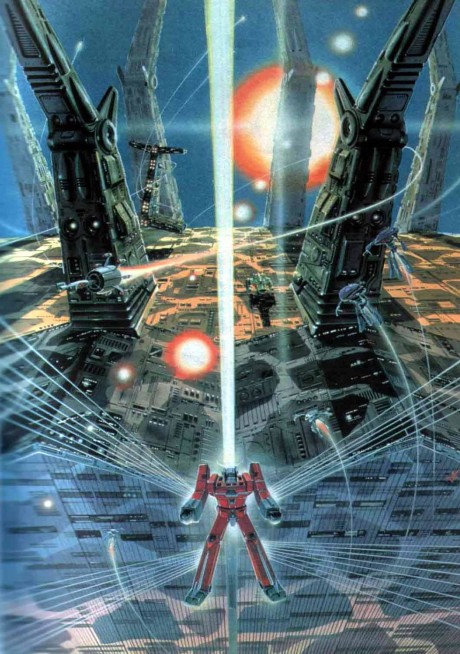

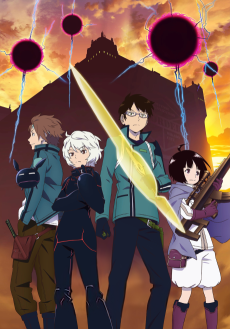
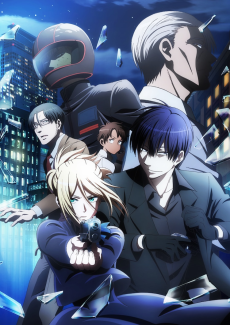
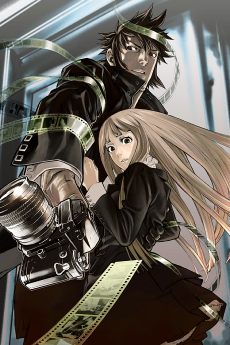
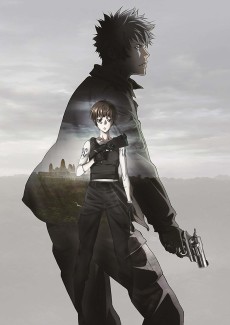







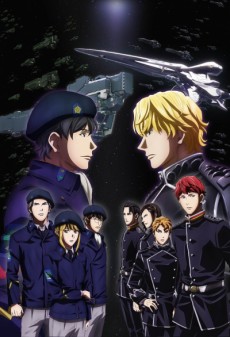
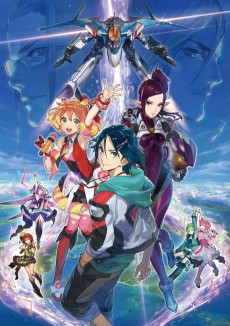

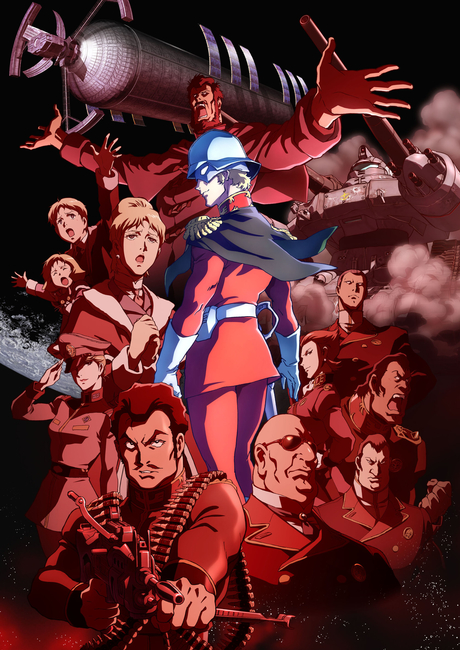
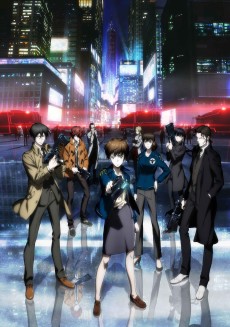
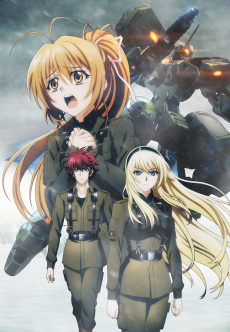
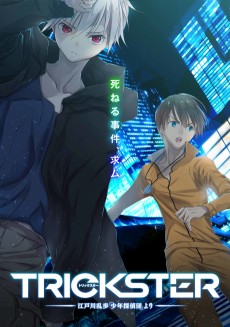
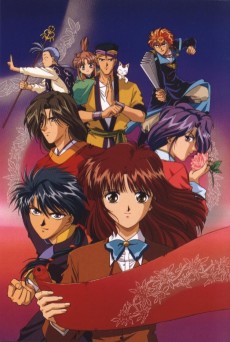
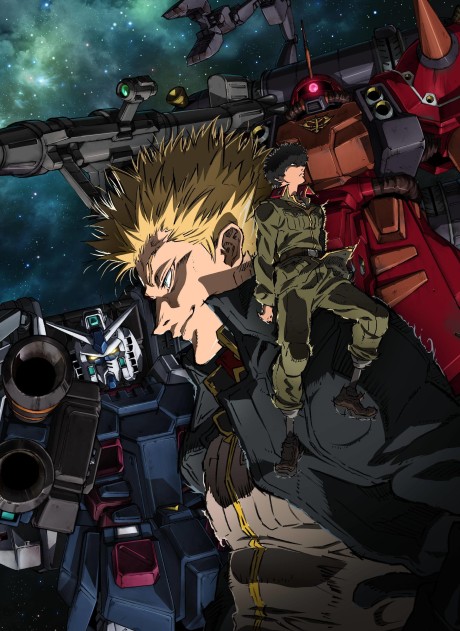
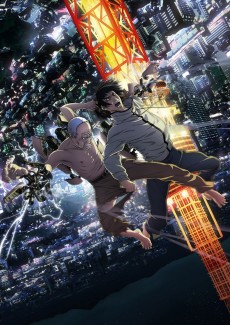


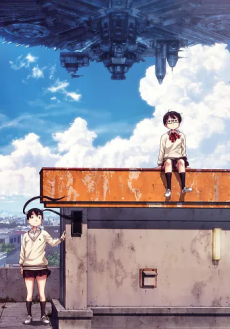
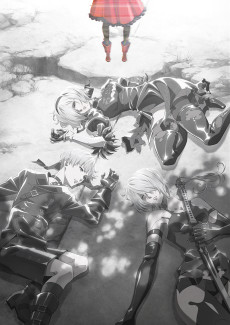
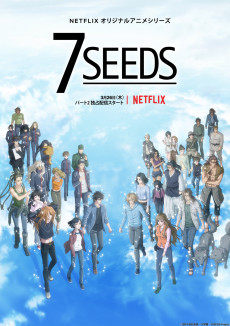
Match Dimensions Explained
❓Frequently Asked Questions
Why is Cowboy Bebop recommended for Rogue Trooper fans?
Because both lean hard into that gritty, rain-slicked Neon Noir vibe—think Spike Spiegel’s weary cool and Rogue’s lone-wolf grit—and share tactical, grounded sci-fi action: Cowboy Bebop’s ‘Boogie Woogie Feng Shui’ shootout mirrors Rogue’s precision cover-shooting on Nu Earth’s ruined cityscapes, all while carrying that same melancholic, war-weary soul.
Is there an anime adaptation of Rogue Trooper?
No official anime adaptation exists—just the 2006 UK live-action TV movie (which flopped hard) and the original 2000s video game. But if you’re craving that same tone, Darker than Black nails it: Misaki’s covert ops in Tokyo’s neon-drenched alleys feel like a Southers intel drop on Nu Earth, complete with tactical squad coordination and morally grey warfare.
How does Bungo Stray Dogs 4 compare to Rogue Trooper?
Bungo Stray Dogs 4 leans into high-stakes Tactical Warfare with tight, cinematic gunplay—like Atsushi’s desperate fight against the Port Mafia in Episode 11, where cover, timing, and environmental awareness matter just as much as Rogue’s plasma rifle reloads and helmet HUD targeting. Both ditch flashy superpowers for grounded, consequence-heavy combat on hostile turf.
What if I love Rogue Trooper’s lone-warrior-on-a-poisoned-planet vibe but want something more grounded and less supernatural?
Then Black Lagoon: The Second Barrage is your best bet—Rebecca’s raw, unfiltered survival in Roanapur’s lawless streets mirrors Rogue’s solo trek across Nu Earth’s toxic wastes, and the show’s brutal, no-nonsense gunfights (like the warehouse siege in Episode 5) mirror the game’s PS2-era ‘no bullshiet’ tactical pacing—no powers, no hand-holding, just bullets, breath, and bad decisions.