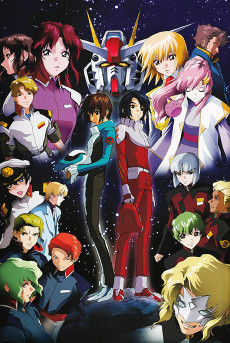
Mobile Suit Gundam Seed
C.E. 71: In the midst of war between the Naturals (OMNI) and Coordinators (ZAFT), a unit from ZAFT is dispatched to hijack the Earth Alliance's newly developed mobile suits on the neutral colony of Heliopolis. Orb Civilian Coordinator Kira Yamato attends the technical college on Heliopolis. After ZAFT hijacks 4 of the 5 mobile suits, Kira stumbles upon the last one, Strike, forced to pilot it to save his and his friend's lives. During this confusion, Kira also reunites with his childhood Coordinator friend, Athrun Zala, who ironically turns out to be a ZAFT soldier and one of the hijackers at Heliopolis. Having control of Strike, Kira joins the Earth Alliance boarding the ship known as Archangel, to protect his friends while despairing over becoming the enemy of his childhood friend and people.
Note: An HD remaster was broadcasting starting on December 23, 2011 with two recap episodes cut, including new and updated animation, conversion to 16:9, and updated music.
📺Anime Details
📝Editorial Analysis
The smell of burnt polymer and ozone hangs thick in the air as Kira Yamato’s fingers slip on the Strike’s control yoke—his knuckles white, breath ragged—not from exertion, but from the horror of realizing he just fired a beam saber through the cockpit canopy of a ZAFT pilot who’d just called out his name. Not an enemy. A classmate. Someone he shared lunch with on Heliopolis. That split-second hesitation, that choked gasp before the blade ignites—it’s not spectacle. It’s weight. It’s the first time war stops being a newsfeed and becomes something you taste.
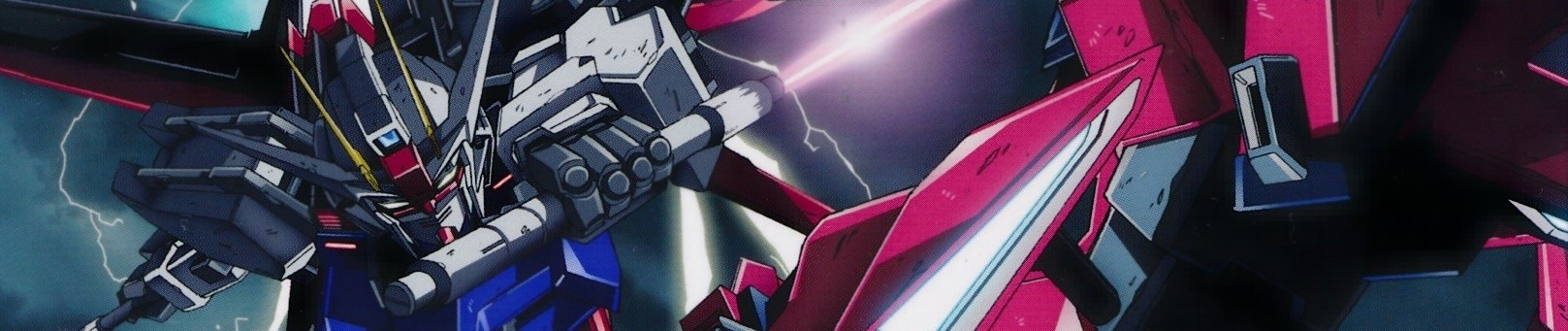
What makes Mobile Suit Gundam Seed ache like no other mecha series isn’t its space battles or love triangle—it’s how relentlessly it forces youth into consequence. Every mobile suit launch is preceded by a civilian’s scream echoing down a collapsing corridor. Every tactical briefing is interrupted by a friend’s voice cracking over comms, asking “Why are we fighting them?” The show doesn’t romanticize duty or destiny; it traps its teen cast in moral gravity wells where “right choice” evaporates under fire. You don’t feel heroic—you feel sickened, then numb, then guilty for surviving. It’s tragedy dressed in military fatigues and powered armor, where every victory smells faintly of ash and unshed tears.
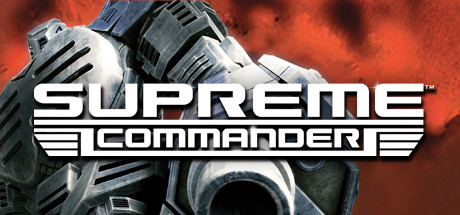
That same emotional DNA pulses in Supreme Commander, not because of scale—but because of silence between the explosions. Its description calls it “The Infinite War,” where three factions wage conflict “for what they believe is true.” No grand villains, no clear liberation—just ideologies calcifying into doctrine, generation after generation. A player review nails it: “The scale of the battles is staggering… even today.” That awe isn’t about firepower—it’s about dread. Watching a quantum gate open to deploy a continent-sized assault carrier while your own base burns? That’s the same vertigo Kira feels staring at the ruined silhouette of Heliopolis against the black—vast, indifferent, and utterly inescapable. Both ask: What do you hold onto when every command order erodes your sense of self?
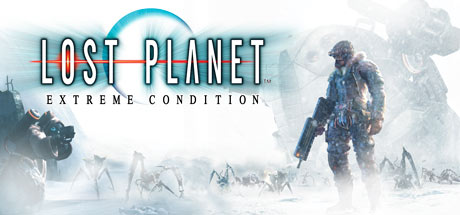
Then there’s Lost Planet™: Extreme Condition, where humanity clings to survival on “ice-covered wastelands,” battling “gargantuan alien Akrid and treacherous Snow Pirates.” The description doesn’t mention politics—but the feeling is identical: isolation, resource scarcity, bodies pushed past breaking point in hostile, beautiful emptiness. A player review sighs about disappointment over unpatched editions—but beneath that frustration lies something deeper: “Bought this version just to say I’m super disappointed…” That wistful, almost nostalgic resignation mirrors Athrun’s quiet stares out the bridge window of the Minerva—a boy who knows the war won’t end, only change shape. Both Lost Planet and Mobile Suit Gundam Seed weaponize environment as emotional architecture: frozen tundra and silent orbital colonies aren’t backdrops—they’re witnesses, indifferent and eternal.
Even Mr. Robot, buried under retro aesthetics and a “lowly service mechanoid” premise, resonates—not through action, but through fractured identity. Asimov serves aboard the Eidolon, carrying “hundreds of frozen human colonists to a new world,” until the ship’s “computer brain malfunctions.” A player calls it “very light Mega Man Battle Network type exploration”—but that softness is key. Like Kira discovering he’s a Coordinator after he’s already bled for both sides, Asimov’s crisis isn’t about rebellion—it’s about recognition: Who am I when the system I trusted starts lying? When your own body (or programming) betrays your purpose? That slow, chilling dawning—the kind that makes your throat tighten mid-sentence—is pure Gundam Seed.
This pairing isn’t for fans of clean heroics or power fantasies. It’s for the ones who pause mid-battle in Supreme Commander, zooming out just to watch their fleet drift silently past a dead moon. For players who replay Lost Planet’s opening snowstorm not for loot, but to feel that brittle, breathless cold in their own chest. For anyone who’s ever watched Kira clutch his headset after another transmission from Lacus—and understood, without words, that love in wartime isn’t escape. It’s another kind of wound. These stories speak to the quietly exhausted: the idealists who still cry, the soldiers who remember birthdays, the kids who pilot machines too big for their hands—and somehow, impossibly, keep choosing tenderness anyway.
🎮26 Games That Match the Vibe







Match Dimensions Explained
❓Frequently Asked Questions
Why does Lost Planet: Extreme Condition feel like Gundam Seed despite having no mobile suits?
It nails the desperate, high-stakes military sci-fi vibe—like when Kira pilots the Strike in the desert or fights in zero-G—through its frozen wasteland setting, Akrid battles that demand precise mech-mounted weapon switching (think Buster Rifle timing), and squad-based survival tension. The Snow Pirates even echo ZAFT’s tactical aggression, and the game’s emphasis on thermal management mirrors how Gundam Seed’s suits overheat during prolonged combat.
Is there a Gundam Seed mobile game adaptation with real mech combat?
No official Gundam Seed mobile game exists—but Mr. Robot comes closest in spirit: you play as Asimov, a mechanoid aboard the colony ship Eidolon, doing light Mega Man Battle Network–style exploration and turn-based mech battles against corrupted systems. It’s retro, yes, but the lonely, duty-bound tone and AI-driven crisis (like the Eidolon’s malfunction) hit that same 'young pilot thrust into war' emotional core.
How does Supreme Commander compare to Tribes: Ascend for Gundam Seed fans who love large-scale strategy and mecha?
Supreme Commander gives you the grand, operatic scale of the Battle of Jachin Due—massive orbital drops, continent-spanning supply lines, and experimental mechs like the Cybran Monkeylord that feel like upgraded Freedom or Justice units. Tribes: Ascend, meanwhile, is all about fluid, high-speed kinetic combat—think Athrun’s Duel vs. Kira’s Strike dogfights—but trades deep strategy for pure movement-based mayhem and team-based capture points.
What’s the best game like Gundam Seed if I just want chaotic, character-driven team battles with personality?
Team Fortress 2—it’s got that same irreverent-but-intense energy as the Archangel vs. Le Creuset fight, where class roles (Soldier, Heavy, Spy) mirror Gundam factions’ specialties, and the constant chaos feels like a cross between Orb’s disciplined tactics and ZAFT’s improvisational flair. Plus, the community’s wild creativity (and those iconic hats) channels the show’s strong character identities—even if it swaps beam sabers for rocket jumps.