Lost Planet™: Extreme Condition
Driven to the brink of extinction on ice-covered wastelands, humankind fights to survive. Battle to survive against gargantuan alien Akrid and treacherous Snow Pirates on the vast and frozen landscape of EDN III.
🎮Game Details
💬What Players Say
"Bought this version just to say I'm super disappointed that Capcom still hasn't fixed Colonies Edition or Lost Planet 2. It would be really awesome to not have to pirate bootleg versions and give my computer AIDS just to get a hit of nostalgia. If someone at Capcom sees this, please fix the games...."
"Hits just as good in 2026, 11/10. and the difficulty scale is actually insane, comparible to dark souls if i may."
"this is a ♥♥♥♥♥♥♥ peak game, i remember playing this game with my dad when i was 6 years old, honestly i recommend lost planet to literally anyone, even tho this game is from '07 its still OG classic"
📝Editorial Analysis
The crunch of ice under your boots isn’t metaphorical—it’s the first thing you hear before the Akrid roars, a sound so deep it vibrates in your molars, while your Thermal Energy meter bleeds red at the edge of the screen. You’re knee-deep in blizzard-white static on EDN III, rifle smoking, breath pluming in jagged white bursts—survival isn’t heroic here, it’s arithmetic: heat left, ammo counted, distance to shelter shrinking as the horizon swallows light. That’s Lost Planet™: Extreme Condition—not a world you explore, but one you endure, driven to the brink by cold, scale, and sheer alien indifference.
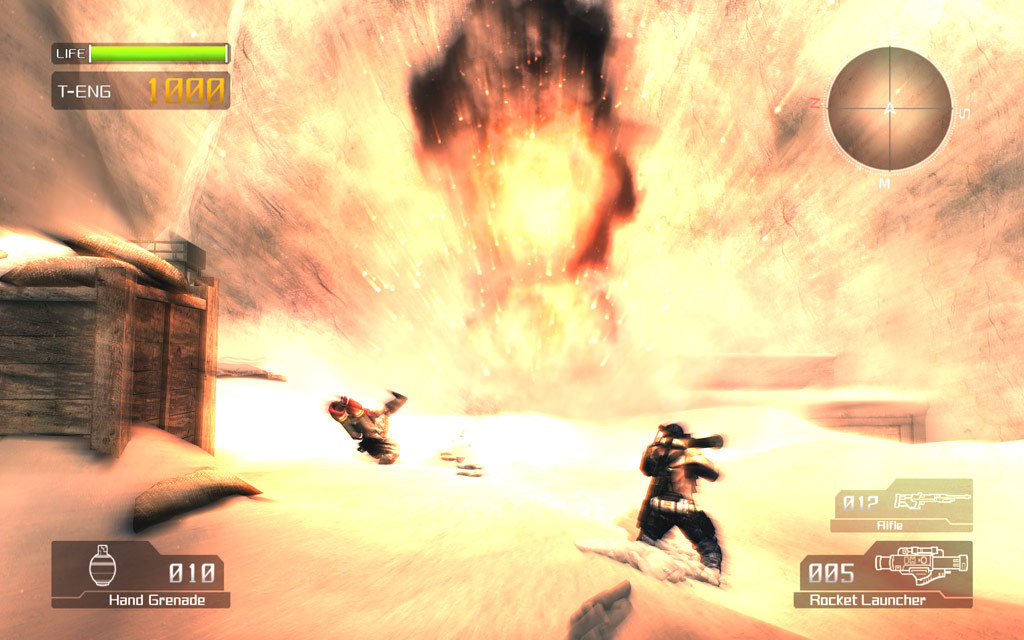
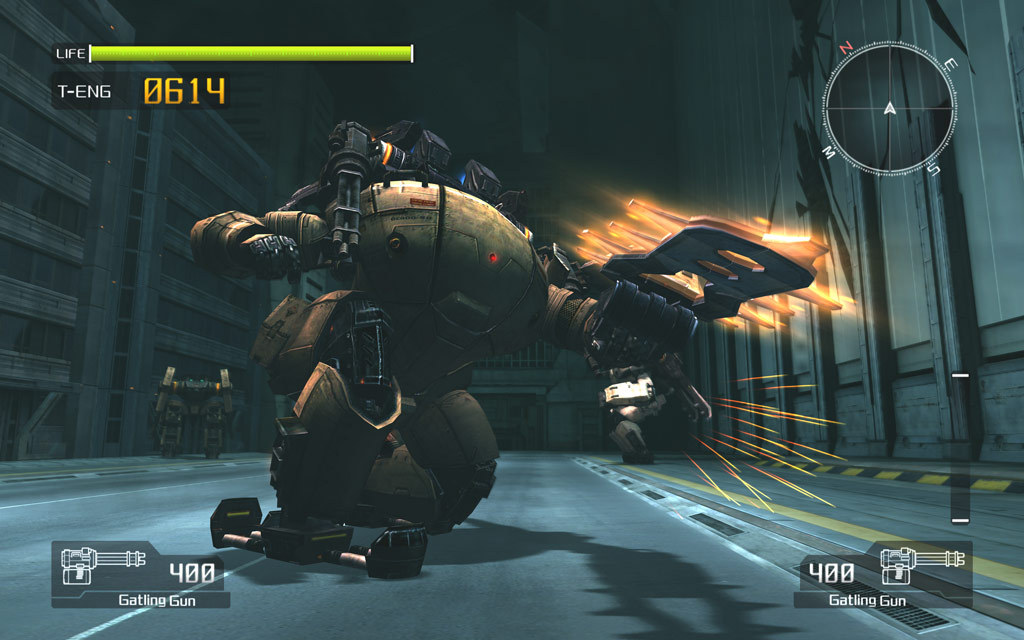
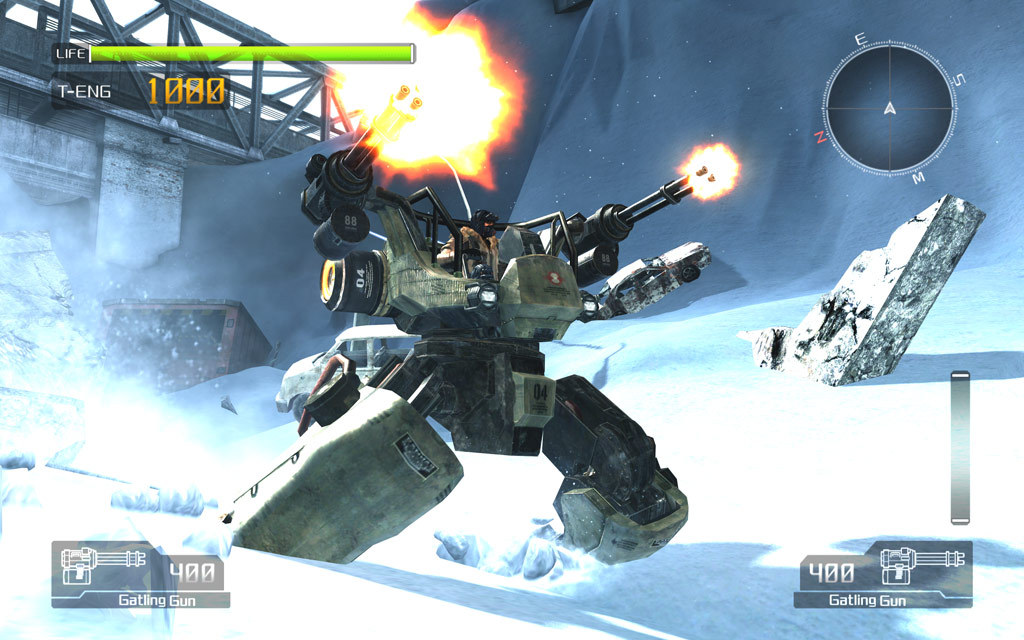
This isn’t sci-fi as spectacle. It’s sci-fi as pressure. The frozen wasteland isn’t backdrop—it’s antagonist, collaborator, and cathedral all at once. Every step risks frostbite; every shot risks overheating your gear; every encounter with an Akrid feels less like combat and more like negotiating with a force of nature. Player Review 2 nails it: the difficulty scale is insane, not because it’s unfair—but because it mirrors real stakes: no checkpoints, no hand-holding, just you, your dwindling thermal reserves, and the crushing weight of an environment that doesn’t care if you live or die. It makes you think about fragility—not of bodies, but of civilization itself, huddled in colonies beneath howling winds, fighting not for glory, but for another hour of warmth. That’s the feeling: desperate intimacy with extinction.
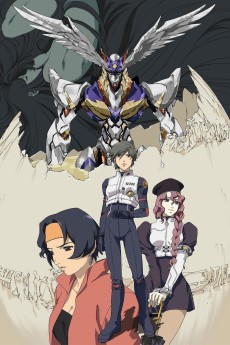
Gurren Lagann The Movie: The Lights in the Sky are Stars shares that same raw, almost spiritual defiance against cosmic scale. Both weaponize verticality—not just as gameplay or animation, but as philosophy. In Lost Planet™, you climb colossal Akrid carapaces like glaciers, firing upward into blinding snowstorms; in Gurren Lagann, the spiral energy punches through the atmosphere, shattering celestial ceilings. Their shared dimensions—Mecha & Military Sci-Fi, Sci-Fi & Space—aren’t about robots or starships alone. They’re about bodies pushing past limits in environments that reject them, where every ascent is both physical and existential. The ice of EDN III and the void between stars aren’t empty—they’re charged with consequence.
Gunbuster resonates in its tactile urgency. Like Lost Planet™, it treats space not as infinite freedom but as hostile architecture: oxygen counts, hull integrity flickers, time dilation bends perception. Its Tactical Warfare dimension isn’t about strategy grids—it’s about split-second triage in zero-G, where a misfired thruster or delayed shield pulse means vaporization. When the protagonist fires her beam cannon in Gunbuster, the recoil shakes the frame; when you unload a thermite round into an Akrid’s weak point in Lost Planet™, the screen stutters with heat distortion and audio feedback—both moments make physics feel personal, not procedural. The cold isn’t just temperature—it’s silence before impact, the pause where survival hangs on one calibrated breath.
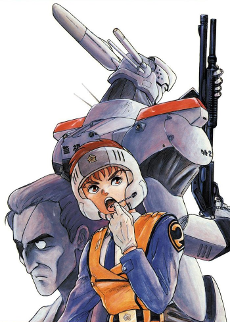
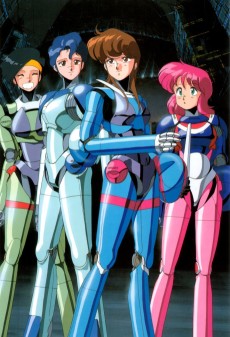
Macross: Do You Remember Love? anchors this DNA in human resonance amid annihilation. Its Tactical Warfare isn’t sterile—it’s orchestrated chaos, where fighter squadrons weave through debris fields while love letters transmit over jammed comms. Likewise, Lost Planet™’s Snow Pirates aren’t cartoon villains—they’re desperate survivors wearing scavenged armor, their ambushes echoing the same scarcity-driven logic as the colonists. The shared Mecha & Military Sci-Fi dimension here isn’t about hardware—it’s about how machinery becomes extension of will, of grief, of stubborn hope. When the VF-1 transforms mid-dive in Macross, it’s not cool—it’s necessary. When your VS suit locks onto an Akrid’s thermal signature in Lost Planet™, it’s not flashy—it’s the difference between seeing your breath and not.
This pairing isn’t for fans of polished escapism. It’s for the kid who played Lost Planet™ at six with their dad—remembering the cold seeping through the controller, the shared shout when the first Akrid burst from the ice, the quiet awe when the colony lights finally pierced the storm. It’s for the viewer who watches Gunbuster not for the mecha, but for the way the heroine’s gloves crack open mid-battle, revealing raw, trembling hands. It’s for anyone who’s ever stood outside on a winter night, looked up at stars they knew were dead light, and felt small—not insignificant, but fiercely, tenderly alive. That’s the pulse these works share: heat against the freeze, voice against the void, us—still here.
→91 Anime That Match the Vibe
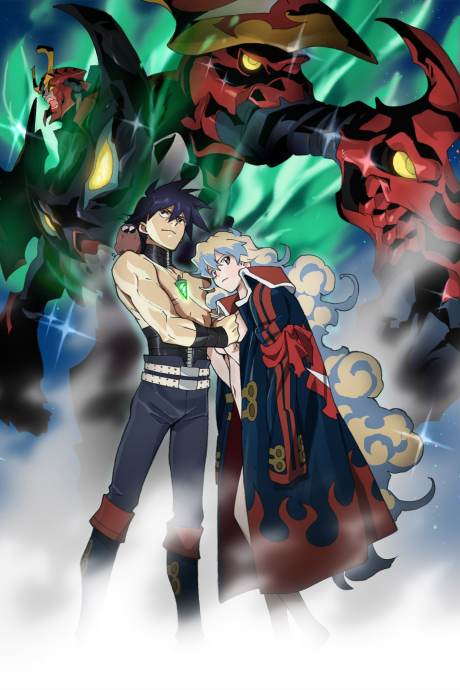
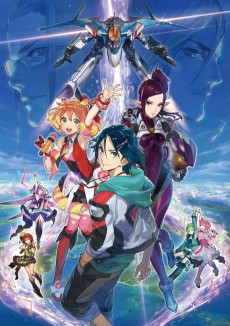
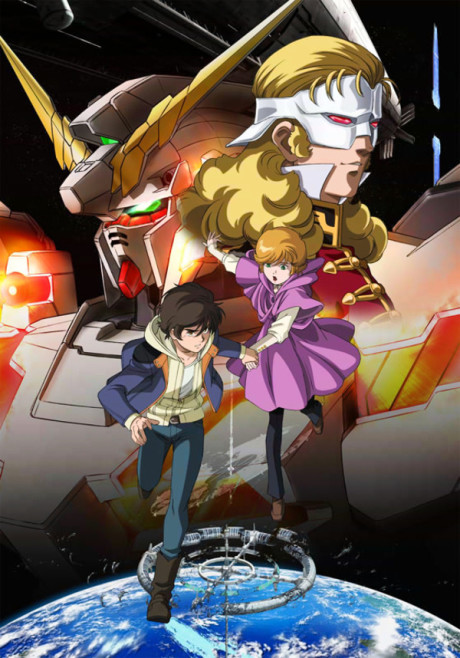
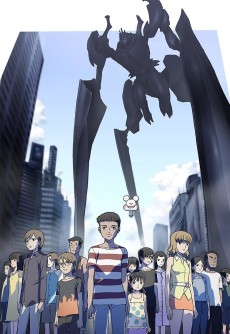
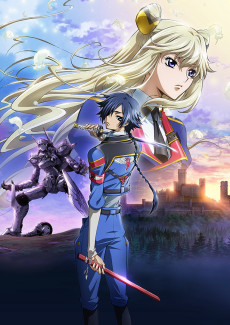
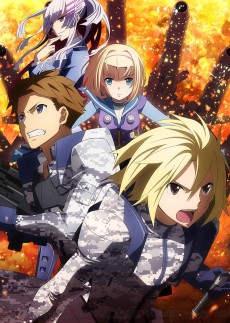
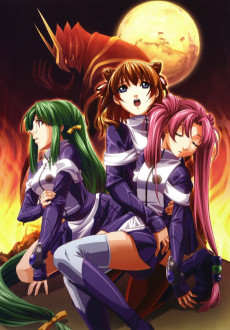
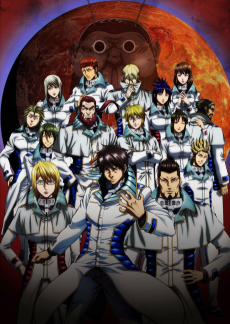
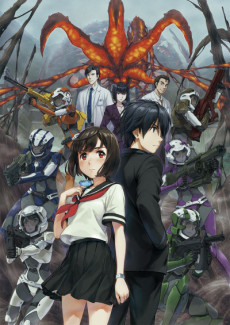
Snow-covered wastelands crack under the treads of a battered Vital Suits as a lone pilot fires into blinding white void—mirroring the opening shot of *Gurren Lagann The Movie*, where Kamina’s helmet gleams amid star-dusted ruins. Unlike most mecha stories fixated on war’s onset, both anchor their hope in *reclamation*: humans rebuilding civilization from frozen oblivion (Lost Planet) or post-Teppelin surface renewal (The Lights in the Sky are Stars). This shared *Mecha & Military Sci-Fi* dimension transforms survival into spectacle—giant machines aren’t just weapons but vessels of stubborn, radiant humanity.
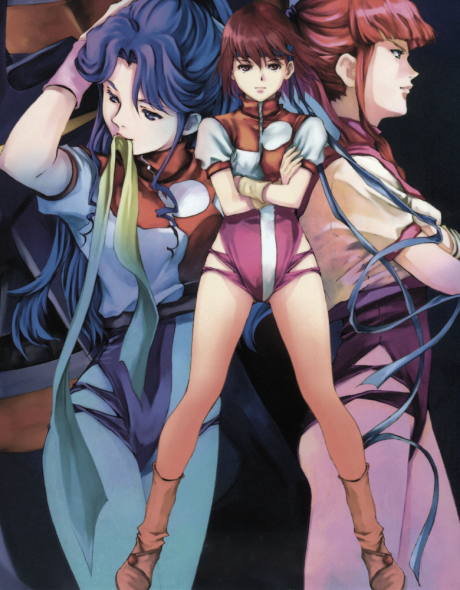
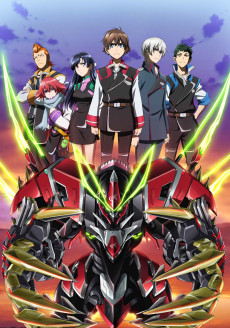
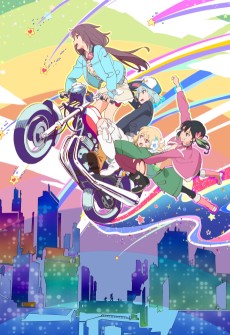
Frozen wastelands crack under the tread of a snow-buried Vital Suits—just as Gunbuster’s *Buster Machine* punches through an alien carapace in deep space. Where Lost Planet weaponizes isolation and claustrophobic ice caves for tactical warfare, Gunbuster’s first OVA frames human desperation against cosmic-scale insectoid invaders with raw, bodily stakes—both grounding mecha & military sci-fi in visceral survival, not spectacle. That shared grit—Akrid swarms versus Buster Bugs, snowdrifts versus vacuum—makes their resonance startlingly physical, not just thematic.

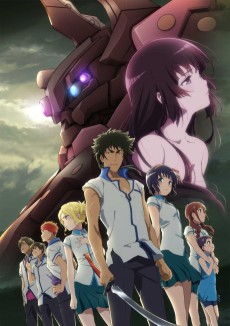
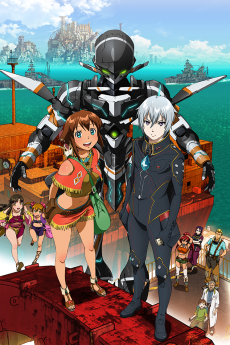
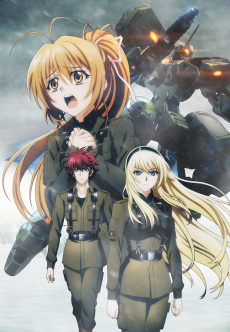
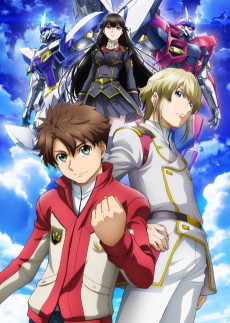
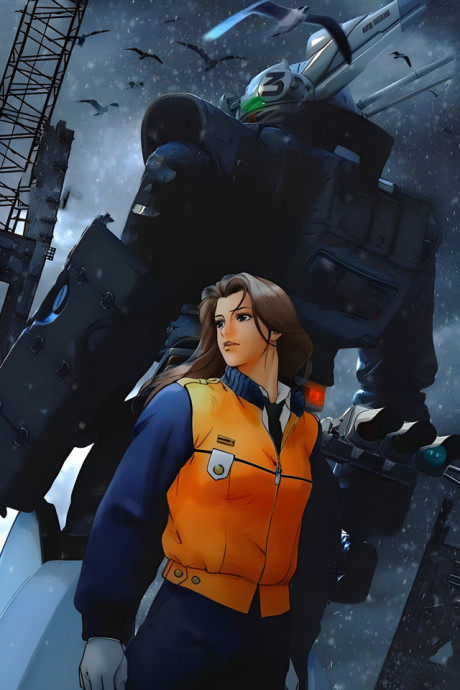
Frozen tundras hum with the same desperate hope as Macross Frontier’s frontier fleets—both pit fragile human colonies against existential alien threats amid vast, indifferent voids. Where Lost Planet’s snow-choked E.D.N. III demands tactical warfare against Akrid swarms in claustrophobic ice caves, Frontier’s spaceborne battles deploy mecha with balletic precision against Zentradi armadas, uniting military sci-fi and soaring scale. That shared tension—between crushing isolation and defiant collective action—makes their resonance unexpectedly poignant, not just loud.
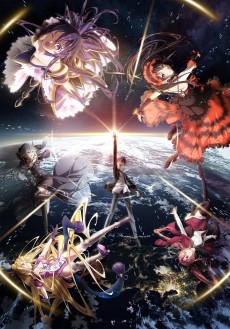
Connected through 3 aesthetic dimensions.

Connected through 2 aesthetic dimensions.
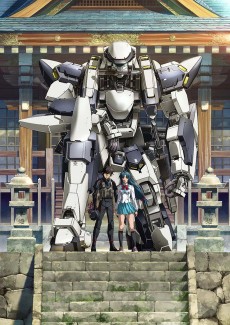
Connected through 3 aesthetic dimensions.
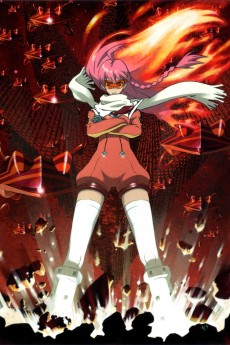
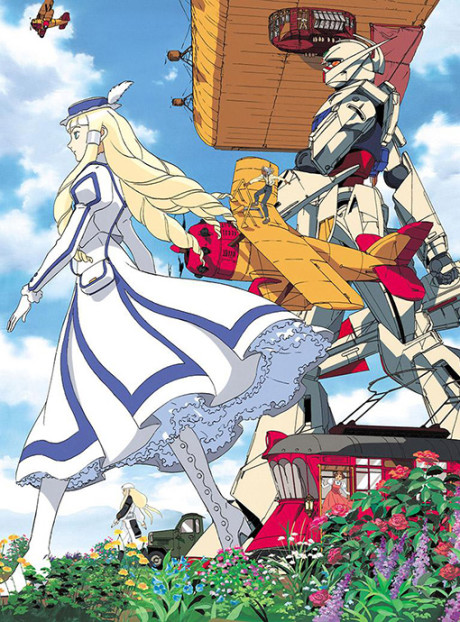
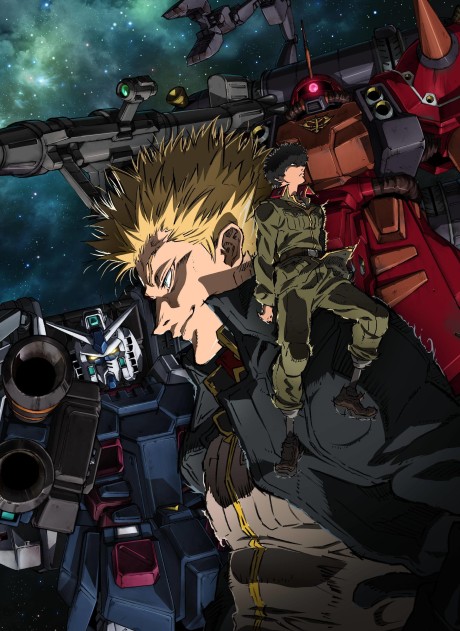
Frozen wastelands crack under the tread of a Buster Machine—just as Lost Planet’s snow-choked E.D.N. III shudders beneath Akrid and VTOLs. Where Diebuster’s TOPLESS pilots (children strapped into biomechanical titans) confront cosmic-scale threats in six tightly wound OVA episodes, Lost Planet grounds its military sci-fi in visceral, ice-slicked survival—yet both fuse mecha with raw environmental hostility. That shared dimension—Mecha & Military Sci-Fi—feels startlingly cohesive: not just giant robots, but machines *straining* against entropy, cold, and overwhelming scale.
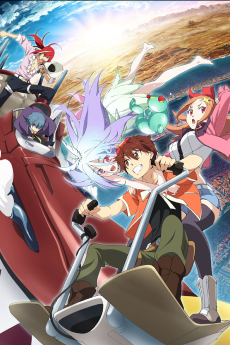
Connected through 3 aesthetic dimensions.
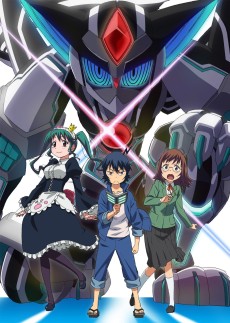
Connected through 2 aesthetic dimensions.

Frozen wastelands crack under Getter Robo’s stomping tread—just as Akrid ice caves collapse beneath a snowmobile’s skids. Where *Lost Planet* weaponizes desperation in subzero survival, *Getter Robo: Armageddon* twists mecha combat into visceral horror: Ryoma’s prison-cell trauma mirrors the game’s psychological toll of isolation and betrayal. Their shared **Mecha & Military Sci-Fi** DNA isn’t just aesthetic—it’s structural: both fuse claustrophobic interiors (cockpits, cells, ice tunnels) with apocalyptic scale, making vulnerability feel terrifyingly physical.
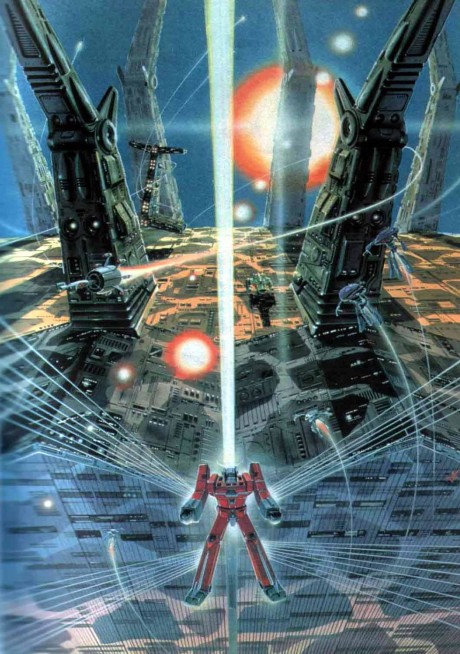






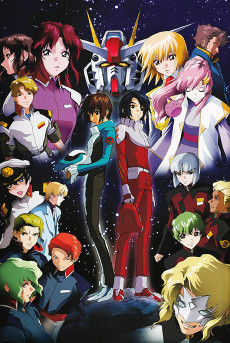

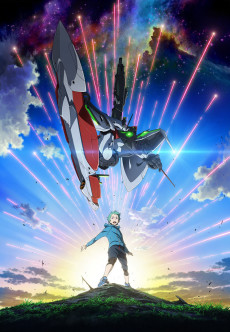

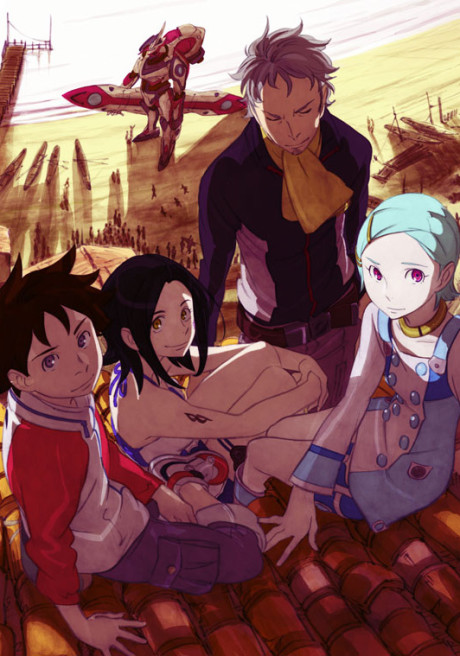
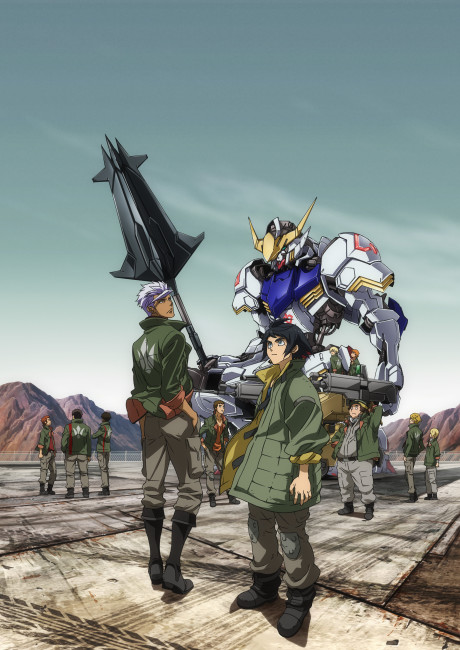







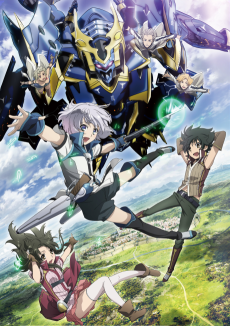

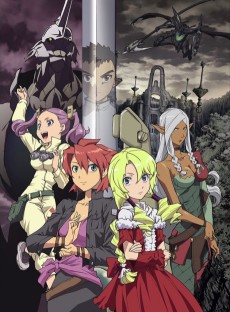
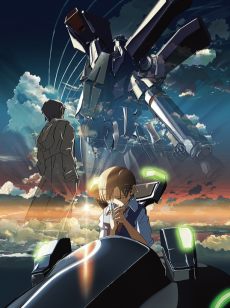

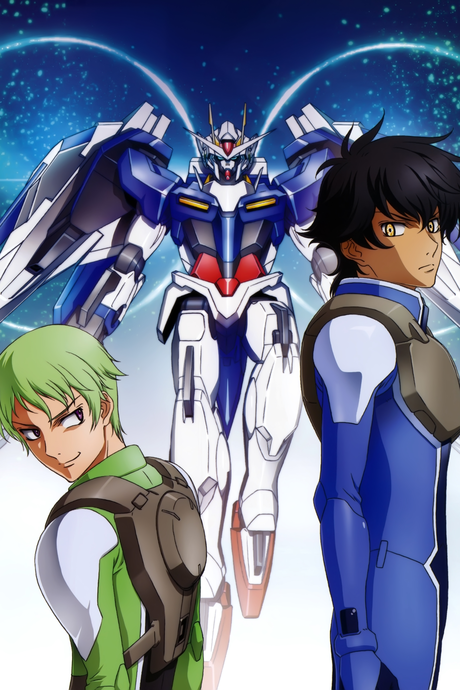

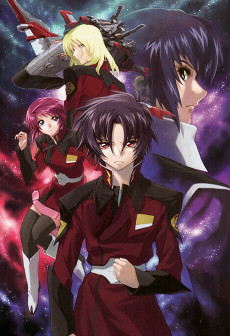

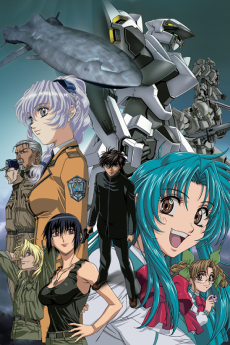
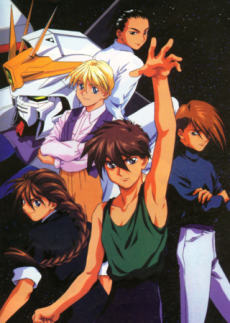
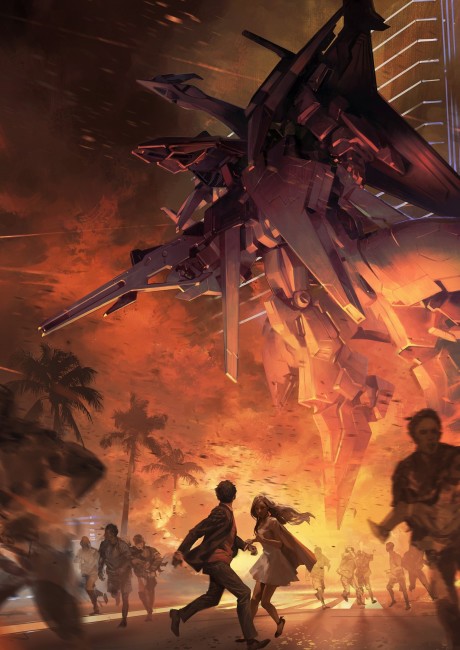
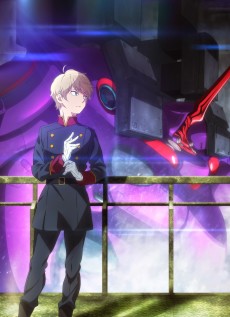
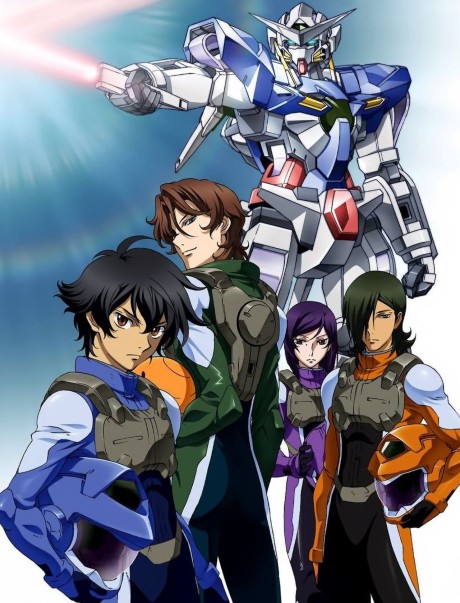
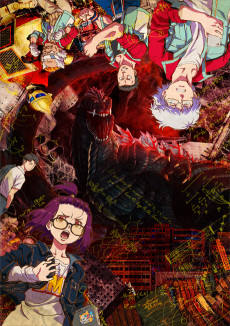
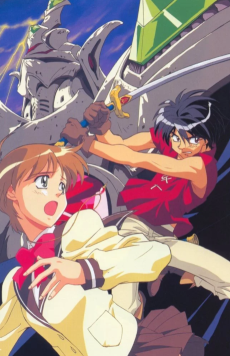



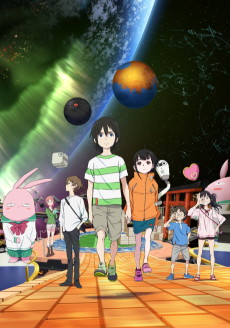
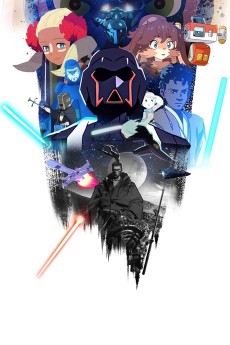




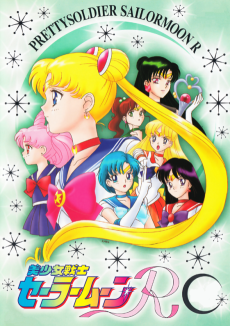
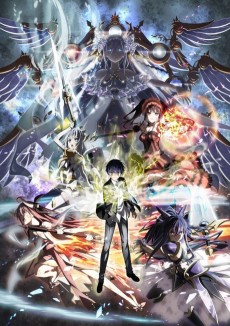






Match Dimensions Explained
❓Frequently Asked Questions
Why is Gurren Lagann: The Lights in the Sky Are Stars recommended for Lost Planet fans?
Because both throw you into a desperate, high-stakes survival fight against overwhelming alien forces on hostile terrain — just swap EDN III’s ice wastelands for Gurren Lagann’s post-apocalyptic underground and cosmic battlefields. You’ll feel that same adrenaline rush when Simon pilots the Tengen Toppa Gurren Lagann against galaxy-sized Akrid-like entities, and the sheer scale of destruction (like the final clash with Anti-Spiral) mirrors Lost Planet’s ‘insane difficulty scale’ and ‘♥♥♥♥♥♥♥ peak’ intensity.
Is there an anime adaptation of Lost Planet: Extreme Condition?
No — Capcom never made or licensed an official anime adaptation, despite how cinematic the game’s story is (think Nevec’s betrayal during the E.D.N. III snowstorm siege or Wayne’s last stand at the Snow Pirate base). Fans still pirate bootleg versions of Colonies Edition because even in 2026, there’s no proper remaster — so if you’re craving that frozen-wasteland mecha action, you’ll need to lean into the closest spiritual matches like Gunbuster or Macross: Do You Remember Love?.
How does The Ideon: Be Invoked compare to Lost Planet in terms of tone and combat?
It’s shockingly close: both open with humanity clinging to survival on a frozen, resource-starved frontier (EDN III’s ice fields vs. Ideon’s barren planet Solo), then escalate into brutal, tactical warfare where mechs aren’t just tools — they’re extensions of raw human desperation. When the Ideon unleashes its ‘Be Invoked’ beam amid blizzards and collapsing ice caverns, it hits with the same visceral, ‘driven to the brink’ weight as Wayne firing his Thermal Suit’s grapple hook mid-Akrid swarm on the frozen plains near the North Pole Colony.
What’s the best anime like Lost Planet if I want that ‘fighting to survive on a frozen wasteland’ vibe?
Gunbuster is your top pick — it nails the isolation, environmental hostility, and escalating stakes: think Buster Machines battling space-faring Akrid analogues (the Space Monsters) while stranded on icy asteroids and frozen orbital debris fields. The climax where Noriko pilots Buster Sigma through a blizzard of enemy fire and cryo-locked gravity wells feels like a direct cousin to Lost Planet’s ‘difficulty scale… comparable to Dark Souls’ — all grit, thermal exhaustion, and last-ditch heroism.