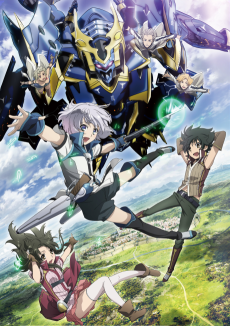
Knight's & Magic
A Japanese mecha otaku dies in a car accident and his soul is reincarnated into another world as Ernesti Echevarria. Eru inherits memories and interests from his previous life, and aims to be a pilot of a Silhouette Knight, a large humanoid weapon that really exists in his world.
(Source: Anime News Network)
📺Anime Details
📝Editorial Analysis
The smell of ozone and hot metal. The low, shuddering thrum in your molars as a Silhouette Knight’s thrusters ignite—not with the clean whine of sci-fi jets, but with the guttural, overloaded growl of something built, something welded, something that breathes fire and torque. Ernesti’s fingers slap the control yoke, knuckles white, not because he’s afraid—but because his body remembers the weight of a PS4 controller, the muscle memory of Team Fortress 2’s chaotic reload timing, the way a Heavy’s minigun spin-up feels like a physical countdown before release. That moment isn’t fantasy escape. It’s recognition: the shock of a soul realizing its old obsessions—mecha schematics, frame stress calculations, the exact pitch of a servo whining under load—are real here, and mortal.
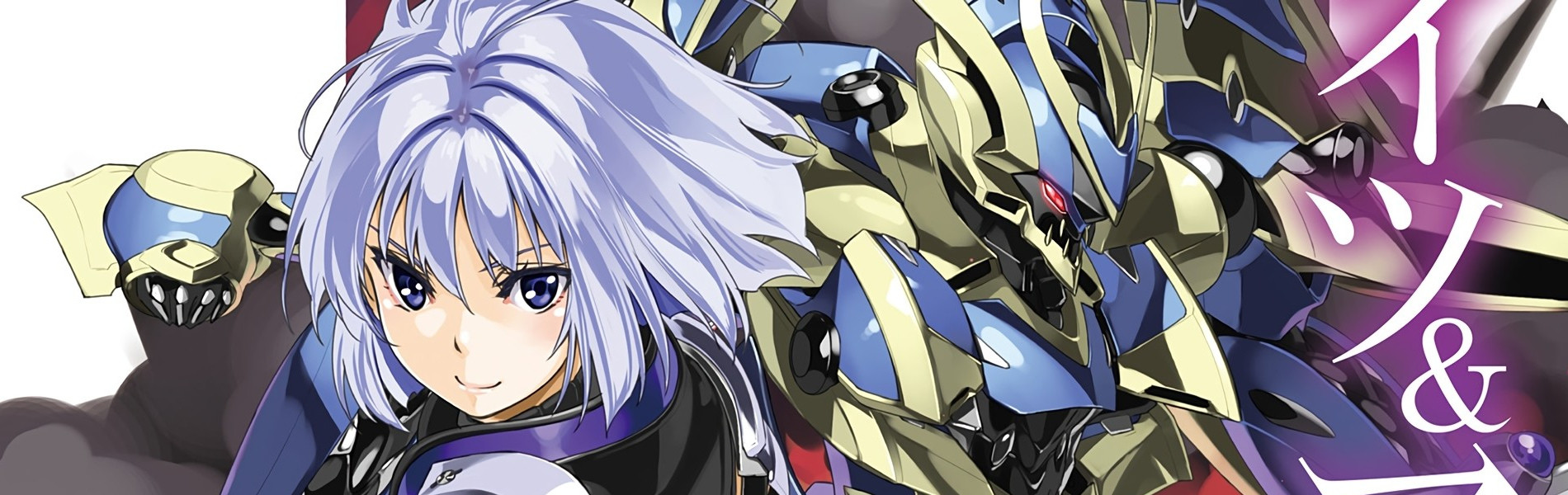
What Knight's & Magic makes you feel isn’t wonder—it’s validation. Not the soft glow of nostalgia, but the sharp, almost painful clarity of seeing your deepest, most niche fascinations—Silhouette Knights as engineering objects, not just magic swords with legs—treated with obsessive, technical reverence. It’s the thrill of watching Ernesti debug a malfunctioning leg actuator like code, cross-referencing ancient texts with real-world physics, sweating over thermal dispersion curves. This isn’t “magic + mecha” as aesthetic mashup. It’s integration: magic as applied science, mecha as living infrastructure, war as logistics made visceral. You don’t just root for the hero—you lean in, squinting at the HUD readouts, feeling that quiet, fierce pride when a gear ratio finally syncs. It’s earned, tactile, real.
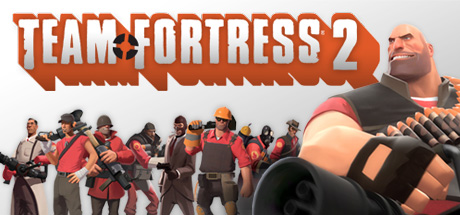
That same electric hum lives in Team Fortress 2. Its description promises “nine distinct classes” and “tactical abilities”—but the player review nails it: “love it. The community is gay, racist, sexist, gay, artistic, gay, furries, and love men.” That messy, defiant, human chaos mirrors Ernesti’s world: Silhouette Knights aren’t piloted by flawless warriors, but by kids, engineers, nobles, and misfits—all shouting over comms, improvising, failing gloriously, then adapting. The game’s “hats” aren’t cosmetic fluff; they’re identity markers in a world where personality is tactics—just like Ernesti’s obsession with customizing armor plating isn’t vanity, it’s survival grammar. Both treat warfare as a stage for wildly specific, deeply personal expression—where a Heavy’s minigun spin-up and Ernesti’s recalibrated gyro-stabilizer share the same pulse: this is how I exist in the storm.
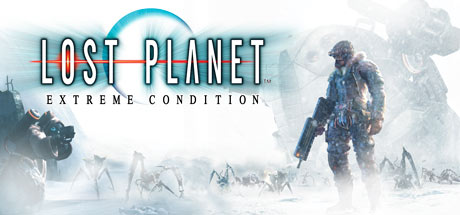
Then there’s Lost Planet™: Extreme Condition, where humanity scrapes survival on “ice-covered wastelands” against “gargantuan alien Akrid.” Its description doesn’t mention magic—but the feeling is identical: mecha as last-ditch biology, as exoskeletal desperation. Ernesti’s early Silhouette Knights aren’t sleek super-weapons; they’re clanking, overheating, jury-rigged things fighting demons in snow-choked valleys—just like Lost Planet’s Vital Suits, creaking under ice and Akrid biomass. The player review’s frustration—“super disappointed that Capcom still hasn't fixed Colonies Edition”—echoes Ernesti’s rage at bureaucratic inertia blocking better armor alloys. Both are about fighting entropy: not with spells or lasers, but with welding torches, coolant pumps, and sheer, stubborn maintenance. The cold isn’t atmosphere—it’s pressure, the kind that makes every bolt tightened feel like defiance.
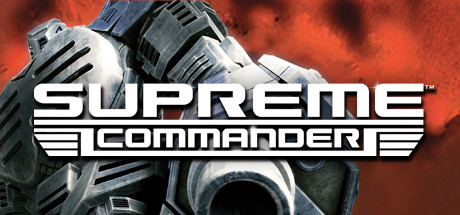
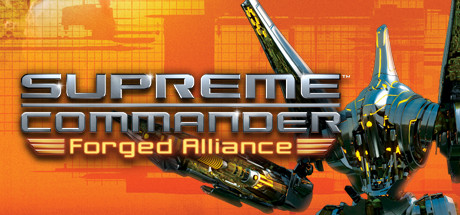
And Supreme Commander? Its description frames “a thousand years” of war where “there can be no room for compromise.” But the player review reveals the truth: “The scale of the battles...” That’s Ernesti staring at a battlefield map, not as a general, but as a systems analyst—calculating resource flow, unit attrition rates, energy grid saturation. His genius isn’t battle intuition; it’s orchestration. Like Supreme Commander’s titanic ACUs building factories mid-battle, Ernesti doesn’t just pilot—he re-engineers the entire logistical chain. The game’s “fast matches” are irrelevant; what matters is the weight of decisions, the silence before a nuke drops, the same hush Ernesti feels before rerouting power to a failing shield generator. Both make you feel small inside vast, humming machines—and godlike for understanding their gears.
This pairing isn’t for casual fans. It’s for the kid who paused Gundam Wing to sketch better knee-joint hydraulics in the margins. For the player who spends hours in Supreme Commander’s editor tweaking unit pathfinding logic, not to win—but to see the system breathe. For anyone who’s ever loved something so hard—mecha, magic, code, war—that the line between obsession and oxygen blurs. They’ll recognize that thrum, that heat, that yes—this is real certainty—in every bolt Ernesti tightens, every TF2 grenade arc, every Lost Planet suit stumble, every Supreme Commander nuke bloom. It’s the feeling of your deepest, weirdest passion being seen, built, and fought for, one precise, trembling, alive decision at a time.
🎮7 Games That Match the Vibe
Match Dimensions Explained
❓Frequently Asked Questions
Why does Team Fortress 2 keep showing up in 'Games Like Knight's & Magic' lists?
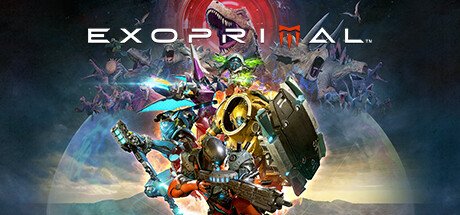
Because TF2 nails the same chaotic, personality-driven mecha-military energy—think Ernesti’s over-the-top engineering passion meeting Heavy’s minigun roar and Engineer’s sentry-building hustle. It’s not about giant robots *per se*, but the tactical class roles, constant gear/hat customization (like Ernesti upgrading his Gear), and that irreverent, character-forward sci-fi vibe fans love from the anime.
Is there a Knight's & Magic anime or game adaptation?
No official anime or game adaptation exists—but Lost Planet: Extreme Condition scratches that exact itch: you’re a lone pilot (like Ernesti) surviving frozen hellscapes while battling colossal Akrid monsters with heavy armor and mounted weapons. The desperate human-vs-alien war, gritty mecha-suit action, and survivalist tone feel like a live-action Knight’s & Magic battlefield.
How does Supreme Commander compare to Lost Planet: Extreme Condition for Knight's & Magic fans?
Supreme Commander trades Lost Planet’s close-quarters, suit-piloting intensity for massive-scale RTS warfare—imagine Ernesti designing an entire army instead of just one Gear. Both share that ‘humanity clinging to tech against overwhelming odds’ vibe, but where Lost Planet drops you into the cockpit dodging Akrid claws, Supreme Commander has you commanding orbital lasers and experimental units across continents.
What’s the best Knight’s & Magic-like game if I want that ‘epic scale + underdog hope’ feeling?
Supreme Commander: Forged Alliance—it’s got that same desperate, last-days-of-civilization weight as Knight’s & Magic’s early arcs, but with four distinct factions, planet-sized battles, and tech trees that let you build everything from stealth bombers to walking nukes. One player put it perfectly: ‘It still looks great in 2026,’ just like how Ernesti’s innovations feel timeless and awe-inspiring.