Supreme Commander
For a thousand years, three opposing forces have waged war for what they believe is true. There can be no room for compromise: their way is the only way. Dubbed The Infinite War, this devastating conflict has taken its toll on a once-peaceful galaxy and has only served to deepen the hatred between the factions.
🎮Game Details
💬What Players Say
"There are many RTS games that focus on fast matches and constant micromanagement, but this game feels different even today. The scale of the battles is still impressive, and very few strategy games manage to create the same feeling of commanding a real futuristic war. What makes the game special is its enormous maps and the number of units you can control at the same time...."
"Game crashes after half an hour or so. I'm playing on a fairly hefty PC that can handle AAA games with no issues so not being able to play this is very disappointing. I've only ever played SC2 and I saw 1 was on offer so I bought it...."
"i used to play when i was 7 and its still as fun but will crash sometimes"
📝Editorial Analysis
A thousand years. Not a number—it’s a weight, pressing down on every frame of Supreme Commander, thick as vacuum dust in a dead star system. You zoom out—not just to see your base, but past it, past the frontline, past the orbital drop zones—until your entire army is a constellation of blinking icons suspended over a planet’s curve. That moment isn’t spectacle; it’s scale as sorrow. The official description doesn’t say “epic”—it says “The Infinite War”, and that phrase lands like a gravitic hammer: no beginning, no truce, only the slow, grinding erosion of belief into dogma. Player reviews echo it—not with praise for polish or balance, but with raw, unvarnished awe at how few games still make you feel small in the face of war’s sheer duration and magnitude. One calls it “impressive” not because it looks flashy, but because the battles hold their breath—they breathe deep, slow, tectonic breaths. Another, decades later, still plays at age seven’s memory, crashing mid-battle, yet returning—not despite the instability, but with it, like enduring a flawed, beloved relic.
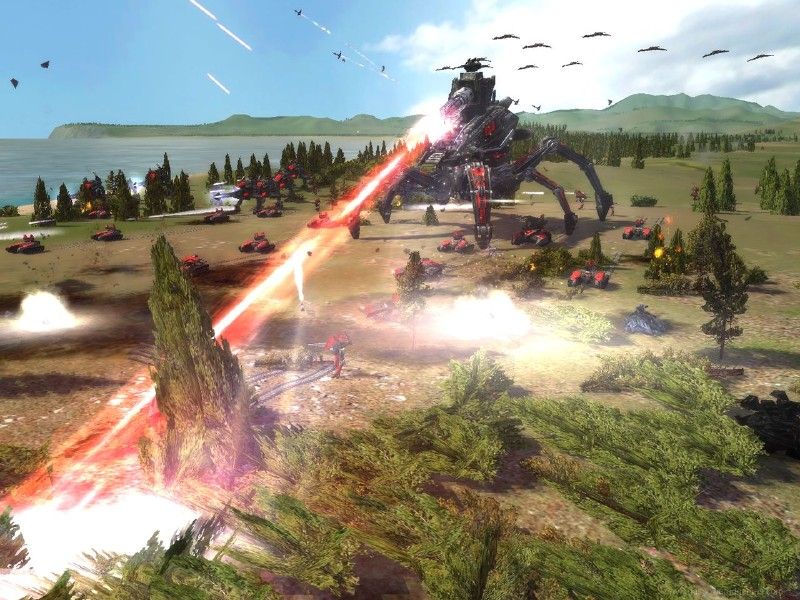
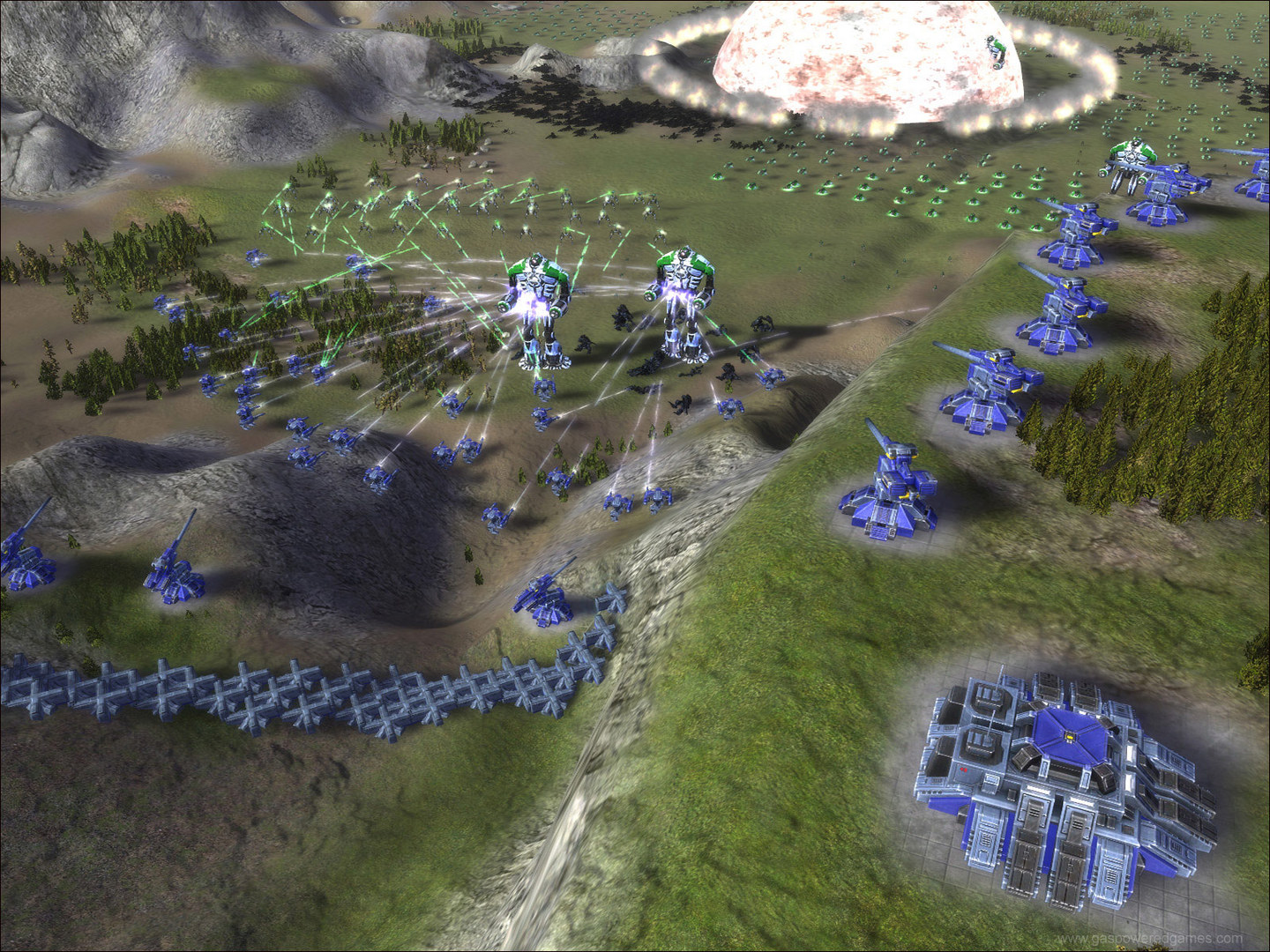
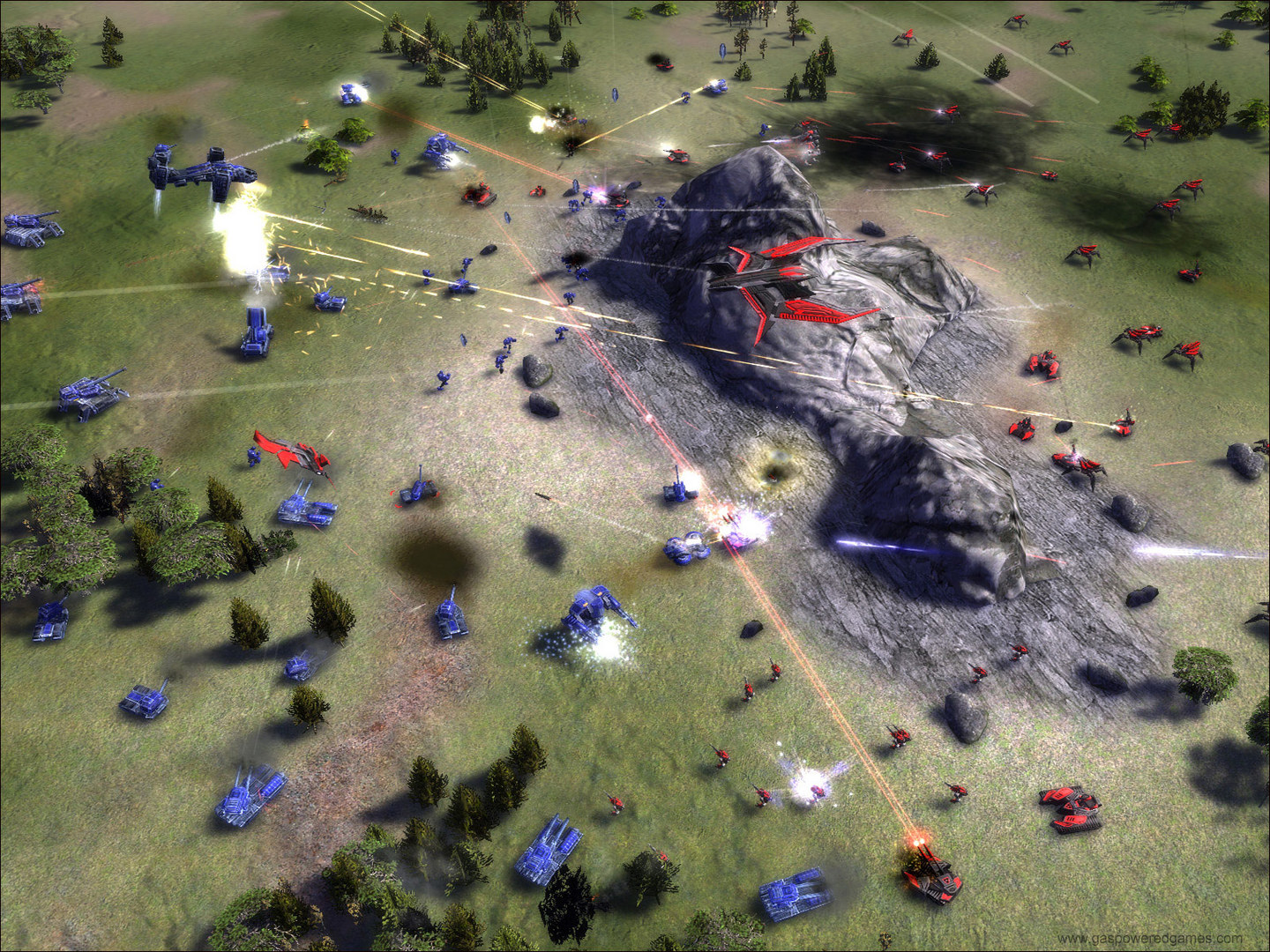
This isn’t urgency. It’s gravitas. Not the adrenaline of flanking or last-second tech swaps, but the quiet dread of watching a quantum cannon charge across three minutes while enemy Titans march through irradiated canyons you mapped yourself. You don’t win in Supreme Commander—you persist. You think in centuries, not seconds. You build not for victory, but for continuance: factories humming under asteroid bombardment, engineers repairing bridges over plasma chasms, radar ghosts flickering at the edge of sensor range like ghosts of past campaigns. The crashes aren’t bugs—they’re part of the texture, like static on an old comms channel from a dying fleet. This game makes you feel like a strategist who’s seen too many winters, whose maps are stained with ash and whose orders carry the exhaustion of millennia. It’s heavy, yes—but also honest. No compromise. No reset button. Just the weight of conviction, carried forward, again and again.
That same emotional gravity pulses through Gurren Lagann The Movie: The Lights in the Sky are Stars, where mecha don’t just fight—they ascend, dragging entire civilizations up from buried worlds, not for conquest, but for reclamation of time itself. The dimension tags—Mecha & Military Sci-Fi, Sci-Fi & Space—aren’t genre checkboxes; they’re shared syntax. When Simon drills upward through layer after layer of celestial crust, he’s not breaking physics—he’s breaking the infinite war’s logic, refusing its premise that suffering must be inherited. Likewise, Getter Robo: Armageddon trades clean lines for brutal, biomechanical strain—the mecha groan, welds split, cockpits flood with coolant—and Survival & Crafting isn’t about resource bars, but about making meaning from wreckage. Every repaired joint, every jury-rigged shield, echoes the engineer’s stubbornness in Supreme Commander, rebuilding a fusion reactor mid-siege while the sky rains shrapnel. And The Ideon: Be Invoked, with its Tactical Warfare tag, doesn’t treat battle as chess—it treats it as ritual. The Ideon doesn’t fire lasers; it invokes, and each activation carries the weight of generations of failed diplomacy, of planets reduced to silence. Its scale isn’t measured in units, but in silences after impact—the same hollow pause you feel when your experimental weapon detonates, and the camera pulls back… and back… and back… until the blast is just one more bruise on a wounded galaxy.
This pairing isn’t for the player who wants to optimize DPS or the viewer who craves tidy arcs. It’s for the one who keeps a battered notebook filled with hand-drawn fleet formations and margin notes like “What if the UEF colonized Titan’s ice caps in Year 127?” It’s for the person who watches Gunbuster’s final transmission loop—not for the explosion, but for the delay between the signal’s emission and its arrival, knowing the characters have been dead for centuries before the message even reaches home. It’s for those who love the cracks—in code, in armor, in ideology—and find beauty not in perfection, but in the stubborn, glitching, magnificent refusal to stop believing, even as the systems fail, even as the stars burn low, even as the war forgets its own name—but you remember.
→110 Anime That Match the Vibe
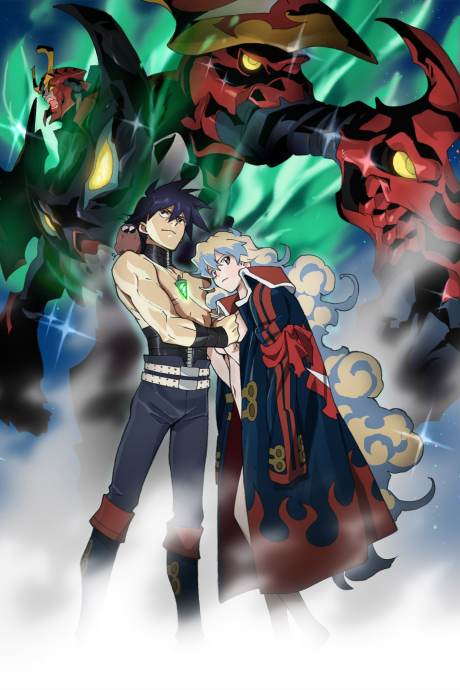
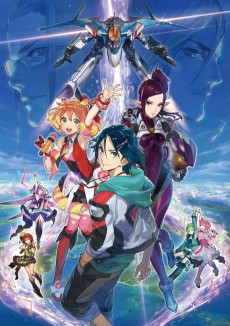
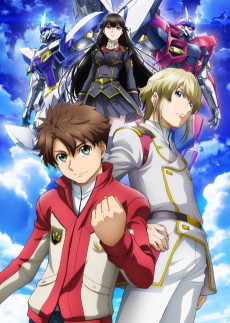
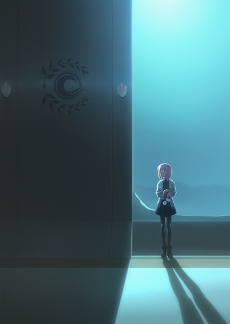
A battered Atlas-class tank crawls through radioactive ash in Supreme Commander’s Pacific Rim campaign—just as Simon’s drill pierces the celestial ceiling in *Gurren Lagann: The Lights in the Sky Are Stars*, shattering humanity’s complacent peace. Unlike most mecha stories, both reject post-war stagnation: the game’s Infinite War escalates into orbital annihilation while the film’s “peace” crumbles under cosmic hubris and inherited trauma. Their shared **Mecha & Military Sci-Fi** dimension thrums with scale—not just size, but consequence—as titanic machines become vessels for ideological rupture and defiant hope.
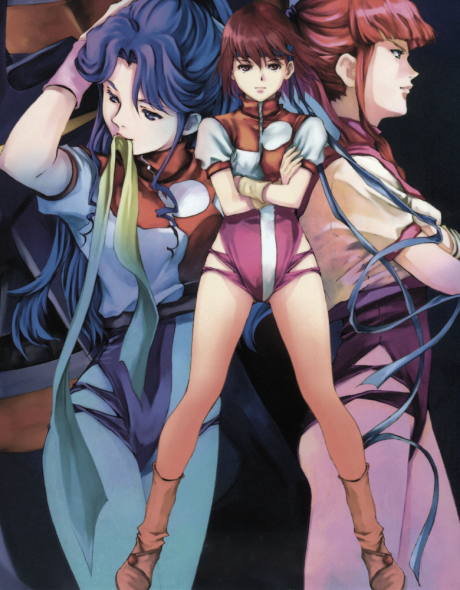
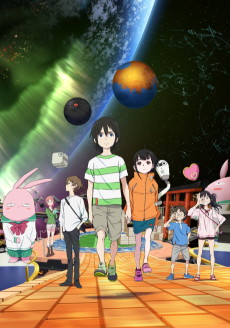
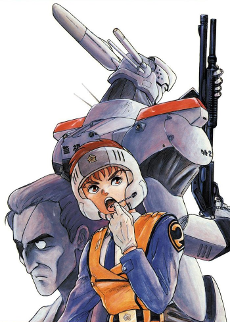
Gunbuster’s final sacrifice—Noboru Tanaka detonating the Buster Machine inside the alien swarm—echoes Supreme Commander’s Armored Command Units plunging into enemy superweapons during planetary sieges. Where Gunbuster frames tactical warfare as intimate, human-scale desperation against cosmic odds, Supreme Commander scales that same tension to continental battlefields where mecha and orbital artillery blur into one relentless sci-fi symphony. This mutual commitment to *Tactical Warfare* as emotional architecture—not just spectacle—makes their resonance startlingly precise.
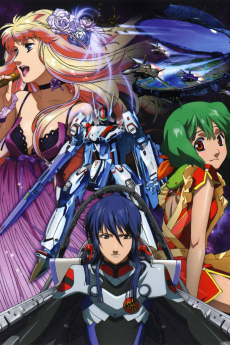
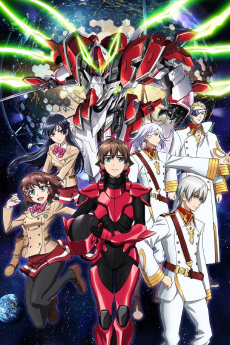
The sheer scale of Macross Frontier’s space battles—like the climactic assault on the Vajra homeworld—mirrors Supreme Commander’s battlefield sprawl, where tactical warfare unfolds across continents and orbital arcs. Unlike most mecha anime, Frontier grounds its military sci-fi in logistical weight: fleet formations, resource-dependent fold drives, and the fragile politics of colony survival—echoing the game’s three-faction war over dwindling quantum resources. This resonance isn’t just aesthetic; it’s structural—the way both treat scale as emotional pressure, not spectacle.
Connected through 3 aesthetic dimensions.

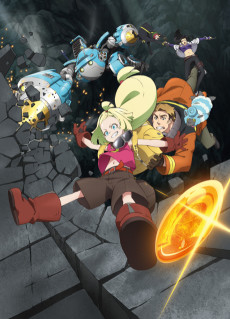
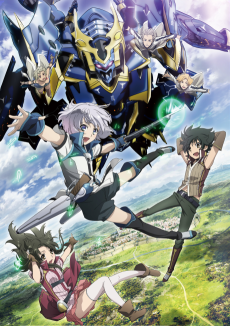
Ryoma Nagare’s grim return to the cockpit—haunted, imprisoned, and forced back into war—mirrors Supreme Commander’s “Infinite War”: neither offers redemption, only escalation. Where Getter Robo: Armageddon weaponizes trauma through body-horror mecha fusion, the game answers with colossal, self-replicating war machines that turn terrain itself into a crafting battlefield—Survival & Crafting as existential calculus. That shared dread of irreversible commitment, where ideology calcifies into artillery, makes their bleak synergy startlingly coherent.
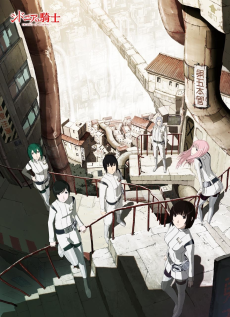
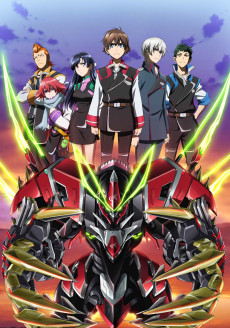
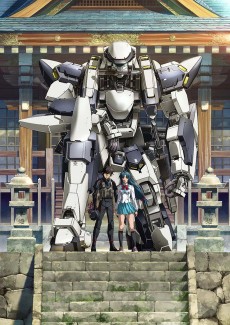
A shattered orbital defense platform drifts past Sidonia’s hull—its torn metal echoing Supreme Commander’s crumbling experimental factories. Where Sidonia’s desperate salvage crews jury-rig Galleon-class mecha mid-battle, Supreme Commander’s engineers rapidly deploy ACUs to rebuild frontline bases under fire: both treat **🔧 Survival & Crafting** as visceral, high-stakes warfare—not background flavor. This resonance feels startling because neither work romanticizes scale; instead, they weaponize it, making colossal machines feel fragile, human, and urgently, beautifully repairable.

Connected through 2 aesthetic dimensions.
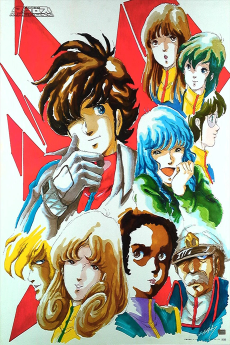
Connected through 3 aesthetic dimensions.
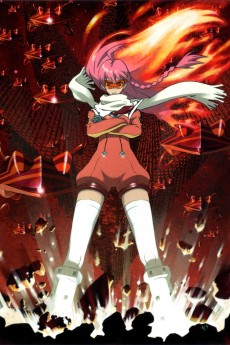
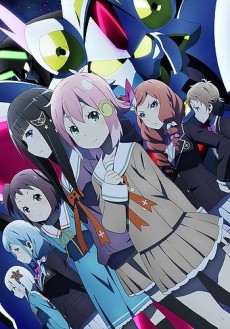
A child pilot in *Diebuster*’s OVA finale pilots a colossal, biomechanical Buster Machine while screaming into cosmic void—mirroring *Supreme Commander*’s “Infinite War” where adolescent commanders direct continent-sized experimental units across irradiated orbital battlefields. Unlike most mecha or RTS narratives, both weaponize scale as existential dread: TOPLESS’s trauma-fueled synchronization and Supreme Commander’s AI-augmented war councils treat military sci-fi not as spectacle but as inherited, inescapable machinery. This shared weight of interstellar conflict—rendered through visceral mecha & military sci-fi—makes their resonance startlingly intimate, not epic.
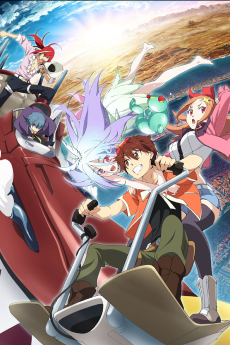
Connected through 3 aesthetic dimensions.
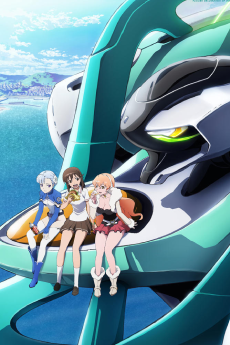


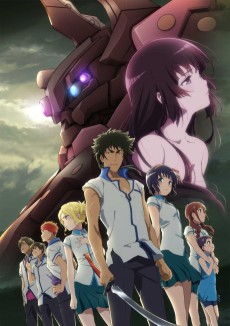
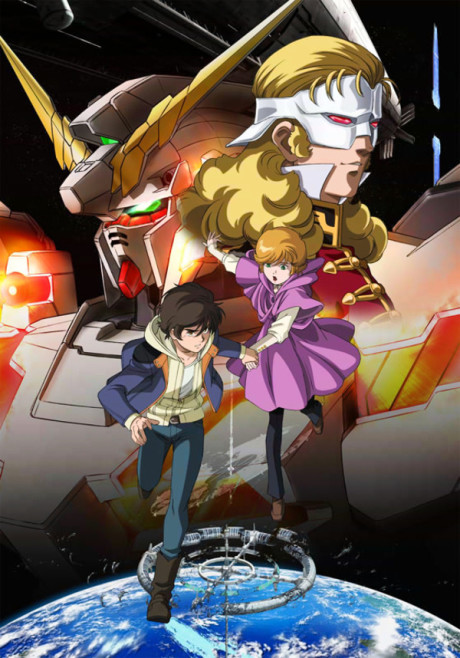
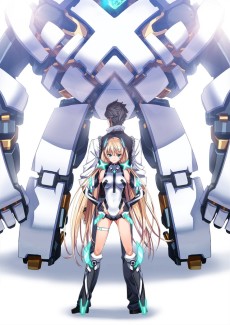
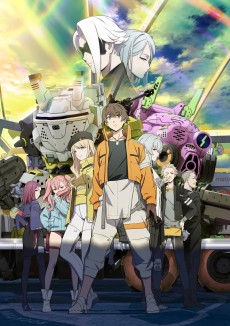
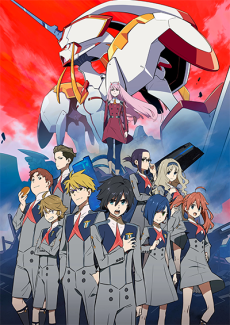

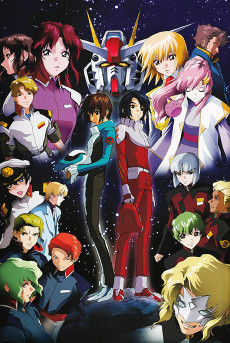

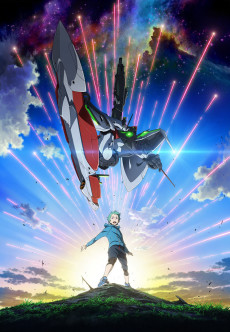
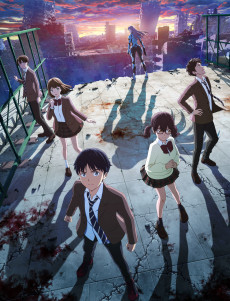


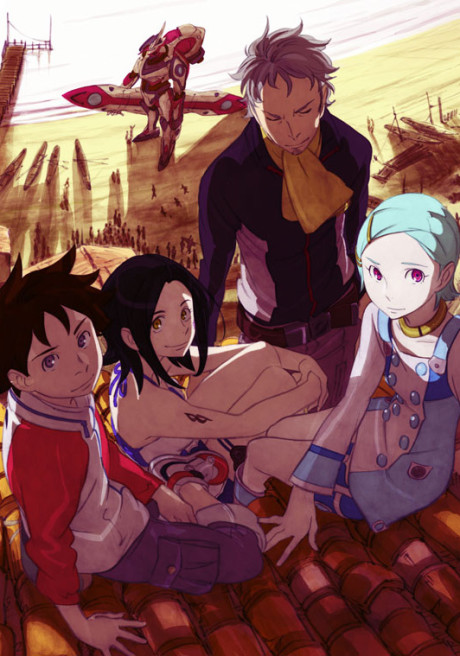
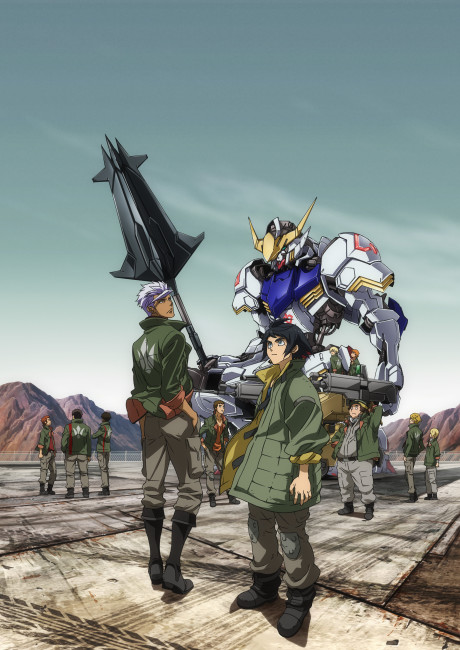
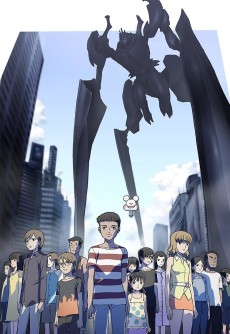
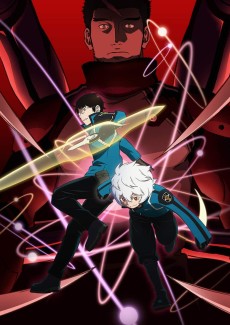

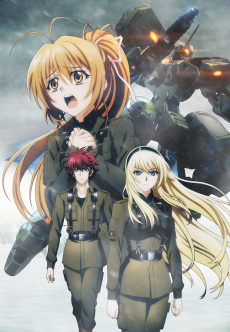

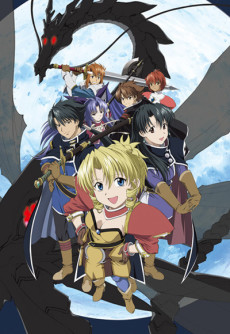
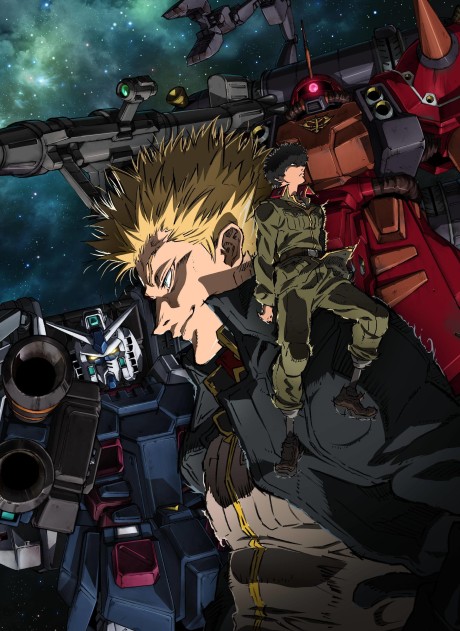
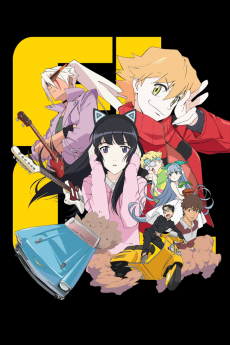
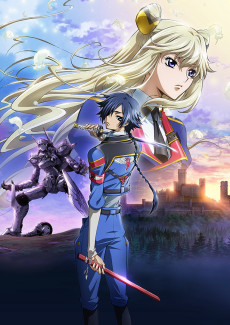
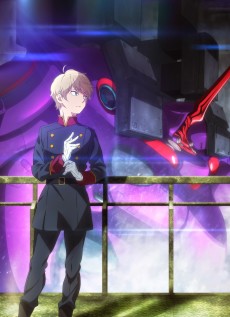
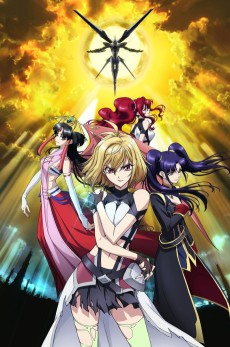
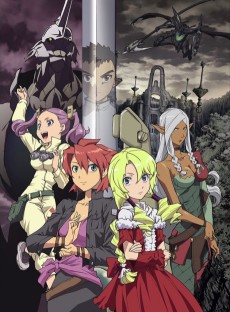
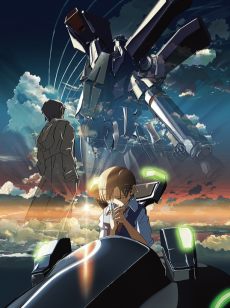

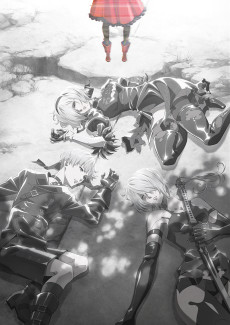
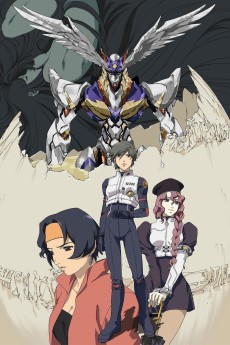
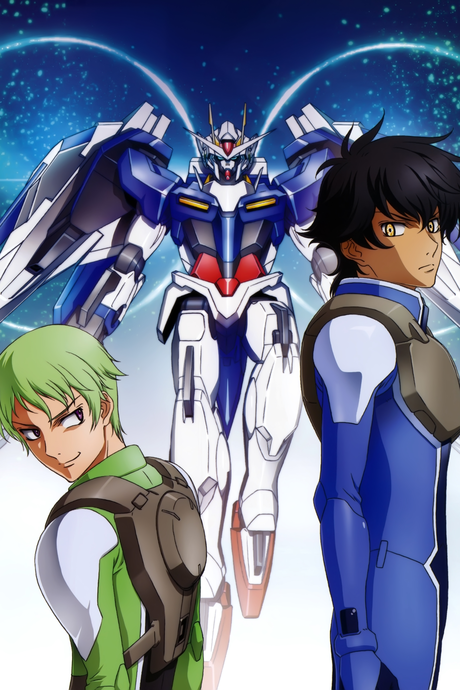


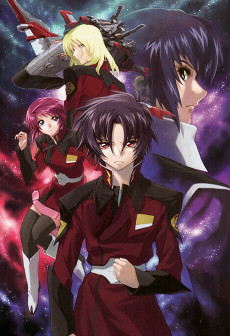

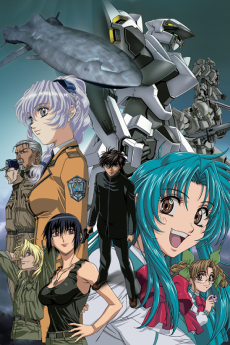
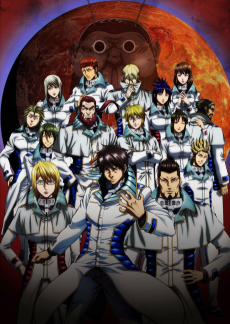
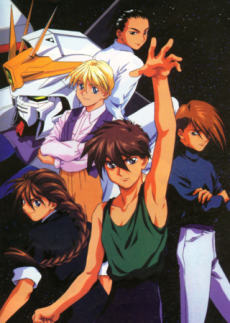

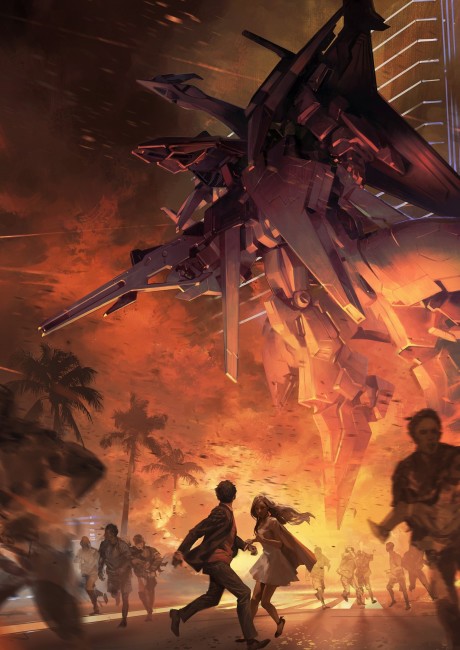
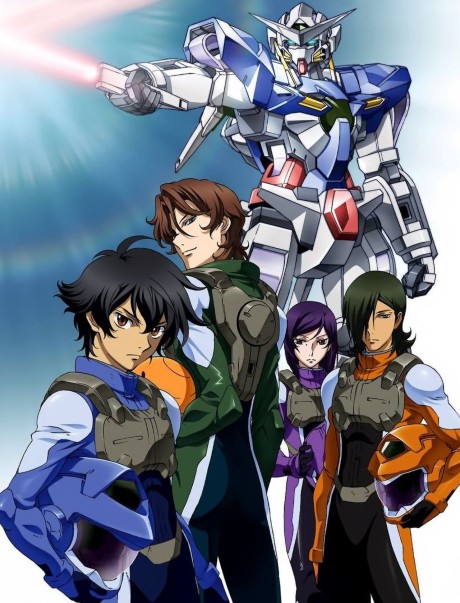
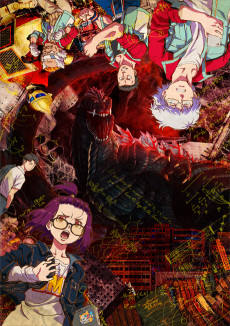
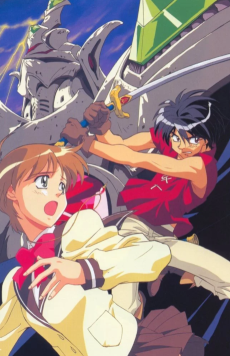

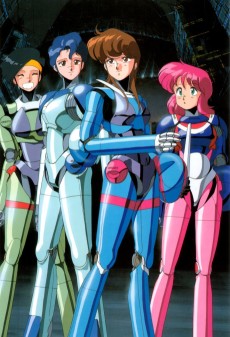
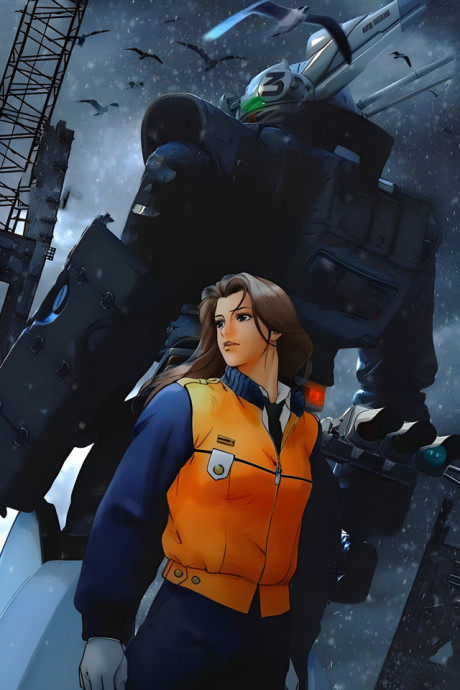








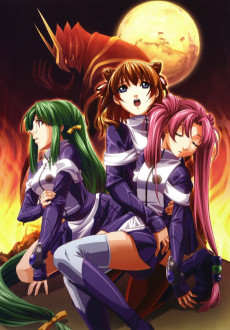


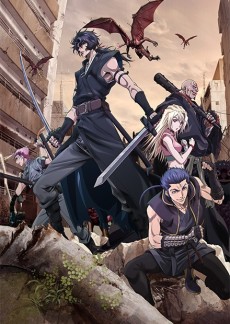

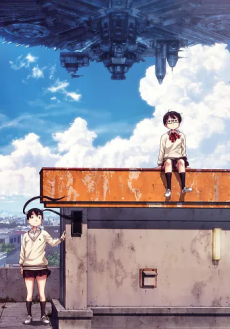
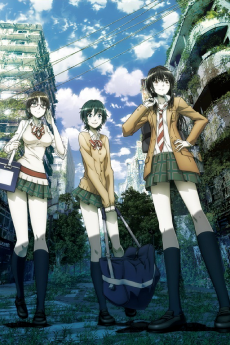
Match Dimensions Explained
❓Frequently Asked Questions
Why is Gurren Lagann: The Lights in the Sky are Stars considered similar to Supreme Commander?
Because both go *hard* on massive-scale, galaxy-spanning warfare where ideology drives endless conflict—just like Supreme Commander’s 'Infinite War' between three irreconcilable factions. Think of Kamina’s ‘drill your way through destiny’ speech echoing SC’s ‘their way is the only way’ ethos, and the final battle’s colossal fleet engagements mirroring SC’s sprawling battles where Titans and Galaxy-class mechs dominate the screen.
Is there an anime adaptation of Supreme Commander?
No official anime adaptation exists—but that’s why fans lean into titles like *Getter Robo: Armageddon*, which nails SC’s gritty military sci-fi tone *and* survival-crafting tension. When Ryōma pilots the Getter Dragon through ruined orbital platforms while scavenging parts mid-battle? That’s pure SC energy—especially with its emphasis on resource-strapped, high-stakes frontline engineering under fire.
How does Knights of Sidonia compare to Gunbuster for Supreme Commander vibes?
Both nail SC’s tactical warfare + deep-space dread, but *Knights of Sidonia* leans harder into survival & crafting—like when Nagate repairs Gauna-fighting mechs using salvaged alien tech aboard the aging Sidonia, mirroring SC’s base-building under siege. *Gunbuster*, meanwhile, mirrors SC’s grandeur: the Nadesico’s final charge into the black hole feels like a Supreme Commander ‘mass assault’—coordinated fleets, cascading chain reactions, and zero retreat.
What’s the best anime like Supreme Commander if I want that ‘overwhelming scale + ideological war’ vibe?
Go straight to *The Ideon: Be Invoked*—it’s the closest match in tone and mechanics. Like SC’s three-way Infinite War, Ideon pits the Solo Ship, Buff Clan, and Carcinogen in a brutal, no-compromise conflict where entire planets get wiped out mid-battle. And that infamous ending? Where the Ideon’s power transcends tactics and obliterates *all sides*? Yeah—that’s the same devastating, ideologically absolute weight you feel watching SC’s nuke silos launch across continents.