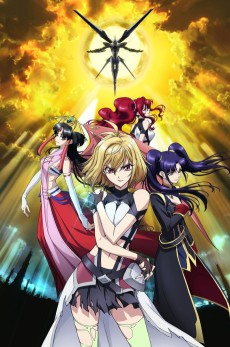
Cross Ange: Rondo of Angel and Dragon
Betrayed, stripped of her birthright, and declared less than human. Everything that Princess Angelise Ikaruga Misurugi of the Misurugi Empire thought she knew about her world was a lie. Now, for the crime of not being able to use magic, she’s been sentenced to certain death as a slave-soldier. The girl now known as Ange is no longer an innocent Princess: she’s learning how to kill draconic invaders, defending the same traitors who stole her life. However, they made a fatal mistake: they gave her access to an incredible weapon.
(Source: Sentai Filmworks)
📺Anime Details
📝Editorial Analysis
The cold metal of the cockpit bites Ange’s bare shoulders as she wrenches the Ragna Mail’s controls—no safety harness, no warning chime, just the shriek of tearing atmosphere and the dragon’s molten breath licking the canopy. Her hair whips across her face, sweat and salt stinging her eyes, and for one suspended second, she isn’t Princess Angelise or slave-soldier Ange—she’s pure refusal, a body in violent motion against a world that declared her obsolete before she’d even bled.

That’s the feeling Cross Ange: Rondo of Angel and Dragon lives inside: not despair, not rage alone—but dissonance. The dissonance of a princess learning to fly a war machine while naked from the waist up because the suit’s “biometric calibration” demands skin contact; the dissonance of soldiers singing cheerful marching songs as they march toward certain death; the dissonance of a dystopian military hierarchy built on magical purity, enforced by mecha that gleam like cathedral stained glass but fire beams that vaporize dragons whole. It doesn’t ask you to believe the world—it asks you to feel the friction of its lies grinding against your nerves. You’re never allowed comfort, never granted catharsis without irony, never let forget that every act of defiance is also an act of complicity. It’s exhausting, unrelenting, and strangely euphoric—like laughing mid-fall.
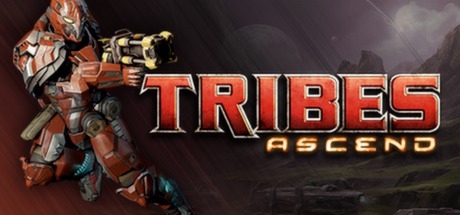
That emotional DNA pulses strongest in games where scale, absurdity, and systemic cruelty collide with defiant playfulness. Tribes: Ascend, for instance—its description cites Mecha & Military Sci-Fi and Cyberpunk & Dystopia, but it’s the player review that nails the resonance: “Man, I used to love this game. Just mindless fun. All be it, it could have been expanded or had much added to it, sadly it had so much potential that…” That wistful, almost mournful recognition of squandered grandeur? That’s Ange watching the Misurugi Empire’s propaganda reels flicker across a cracked terminal screen—same ache for something meant to soar, now half-broken, half-beautiful in its dysfunction. The game’s speed, its weightless skiing over frozen wastelands, mirrors Ange’s first uncontrolled flight—thrilling, unstable, and utterly dependent on systems she doesn’t understand but must master now.
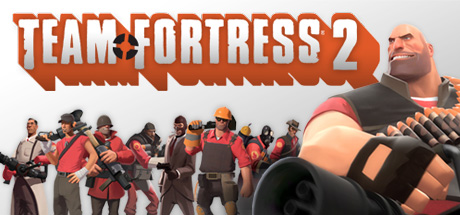
Then there’s Team Fortress 2, tagged with Comedy & Parody and Tactical Warfare. Its description boasts nine classes with “broad range of tactical abilities and personalities”—and the player review, chaotic and raw, spills over with contradictions: “The community is gay, racist, sexist, gay, artistic, gay, furries, and love men.” That exact tonal whiplash—juxtaposing violence, identity politics, flamboyant absurdity, and genuine camaraderie—is Cross Ange’s heartbeat. When Ange’s squad cracks jokes mid-battle while their armor cracks under dragonfire, when the show cuts from a brutal dogfight to a bathhouse scene scored with jaunty flute music—that’s TF2’s DNA: war as farce, trauma as costume, resistance as performance. Both refuse to let tone settle—because the world won’t let them settle.
And Space Quest™ Collection, described as “a blast from the past with the complete, completely twisted Space Quest Collection,” lands with eerie precision. The player review says: “I really liked how you could pretty much do anything you, weather or not there were consequences…” That open-ended, consequence-agnostic freedom—the ability to poke, break, misread, and stumble through a hostile, illogical system—is Ange’s entire arc. She doesn’t “solve” the Misurugi Empire’s lies with logic; she stumbles through them, misfires weapons, crashes landers, gets caught naked in supply closets—and each blunder chips away at the myth. Like Roger Wilco fumbling his way through bureaucratic alien hellscapes, Ange’s power isn’t mastery. It’s persistence, laced with slapstick and sudden, shocking grace.
This pairing isn’t for the tidy-minded. It’s for the ones who keep playing Supreme Commander not for victory, but for the awe of watching a thousand-unit battle unfold like a collapsing galaxy—that same scale, that same quiet dread beneath the spectacle, lives in Ange’s final stand against the dragon fleet, silhouetted against a burning sky. It’s for players who laugh when TF2’s Heavy cries “FOR THE GLORY!” seconds before being rocket-jumped into a wall—and then feel their throat tighten when Ange whispers “I’m still alive” after waking up in a mass grave. They’re the ones who don’t need answers—just the right kind of beautiful, broken machinery, and the courage to pilot it naked, unflinching, into the storm.
🎮25 Games That Match the Vibe
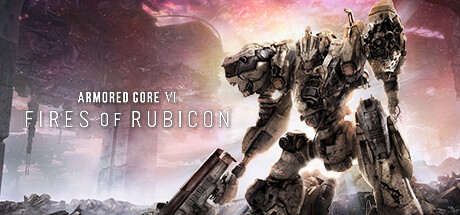
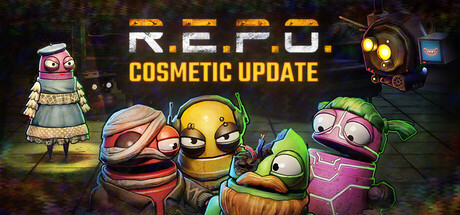
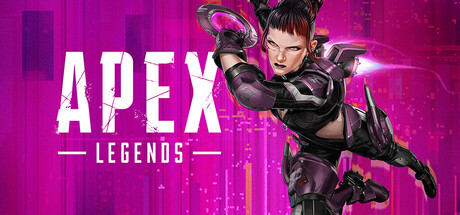
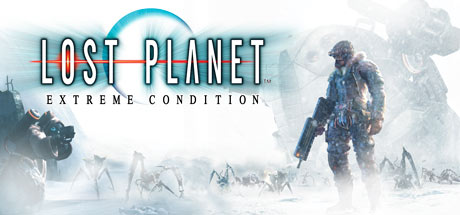


Match Dimensions Explained
❓Frequently Asked Questions
Why is Tribes: Ascend listed as similar to Cross Ange when it has no mecha or dragons?
Great question—it’s about the *vibe*, not literal monsters. Cross Ange’s aerial dogfights in powered armor (like Ange’s Ragna Mail) mirror Tribes: Ascend’s high-speed, gravity-defying skiing-and-shooting across vast sci-fi battlefields. Both lean hard into kinetic, military-tinged mecha action—just swap dragon mounts for jetpacks and railguns, and you’re in the same adrenaline zone. The 84-score match reflects how both nail that 'weighty yet fluid' combat rhythm.
Is there a Cross Ange anime game adaptation I can play?
No official Cross Ange anime game exists—but if you're craving that blend of tactical mecha combat and over-the-top character drama, Lost Planet™: Extreme Condition hits close. Think: piloting massive, customizable mechs (like the VS units) against hulking Akrid while surviving frozen wastelands—very much like Ange battling dragons on Elysion’s harsh terrain. Its 75-score match comes from shared DNA in scale, desperation, and mech-vs-beast spectacle.
How does Team Fortress 2 compare to Cross Ange in terms of tone and gameplay?
They’re polar opposites in tone but weirdly aligned in structure: Cross Ange’s serious mecha-drama vs. TF2’s chaotic, hat-obsessed parody—but both use class-based roles with distinct personalities and abilities (e.g., TF2’s Heavy’s minigun spam feels like a tonal cousin to Salamander’s relentless assault style). The 81-score match highlights how both deliver tight, personality-driven tactical warfare—even if one ends with a rocket-jumping Scout yelling 'MERCY!' and the other with Ange screaming 'RAGNA MAIL, ACTIVATE!'
What’s the best game like Cross Ange if I want that lonely, desperate survival vibe?
Lost Planet™: Extreme Condition is your answer—especially its opening hours on the ice planet E.D.N. III, where you’re stranded, low on ammo, and hunted by colossal Akrid in blizzards. That raw, isolated struggle mirrors Ange’s exile and early battles on Elysion. It’s not about flashy squad banter; it’s cold, claustrophobic, and mechanically tense—exactly why it earned a 75-score match in Mecha & Military Sci-Fi + Tactical Warfare.