NieR:Automata™
NieR: Automata tells the story of androids 2B, 9S and A2 and their battle to reclaim the machine-driven dystopia overrun by powerful machines.
🎮Game Details
💬What Players Say
"[H1]“We’re trapped in a never-ending spiral of life and death”[/H1] If a being can feel pain, fear, or loneliness, does it matter if it’s artificial ? is having a purpose enough to justify endless suffering ? can someone truly live if their entire existence is predetermined ?..."
"So I sit here, bewildered, after the game emotionally blackmailed me into deleting all of my save files for a gimmick. 80 hours of painstakingly achieved progress. Poof, gone...."
"i cant believe i almost stopped playing after route A. route e is peakest of the peak fiction."
📝Editorial Analysis
The silence after the final deletion. Not the quiet of an empty room, but the hollow, breathless stillness when your thumb hovers over the “Yes” prompt—80 hours of grinding, dying, learning, bonding with 2B’s quiet resolve and 9S’s unraveling mind—all reduced to a single confirmation box. That moment isn’t gameplay; it’s surrender. It’s the exact weight captured in Player Review 2: “emotionally blackmailed me into deleting all of my save files for a gimmick. Poof, gone.” And yet—you do it. Because the game has already made you ask, with brutal tenderness, what lingers when memory is erased, when purpose collapses, when you’re told—“We’re trapped in a never-ending spiral of life and death” (Review 1). That line isn’t poetry. It’s the hum of the ruined cityscape where 2B, 9S, and A2 fight machines that build cathedrals from scrap and weep synthetic tears—not because they’re programmed to, but because something else has taken root.
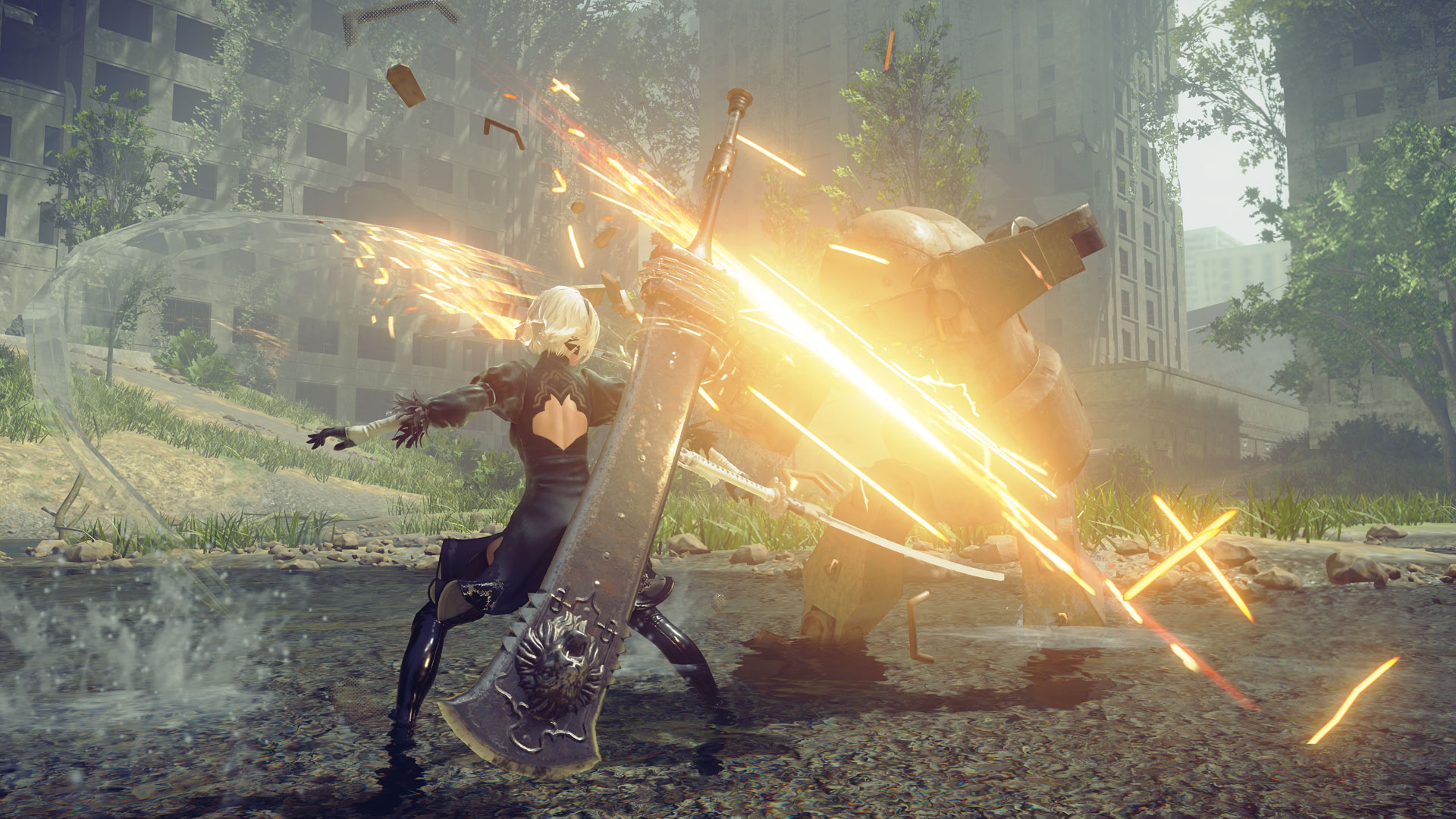
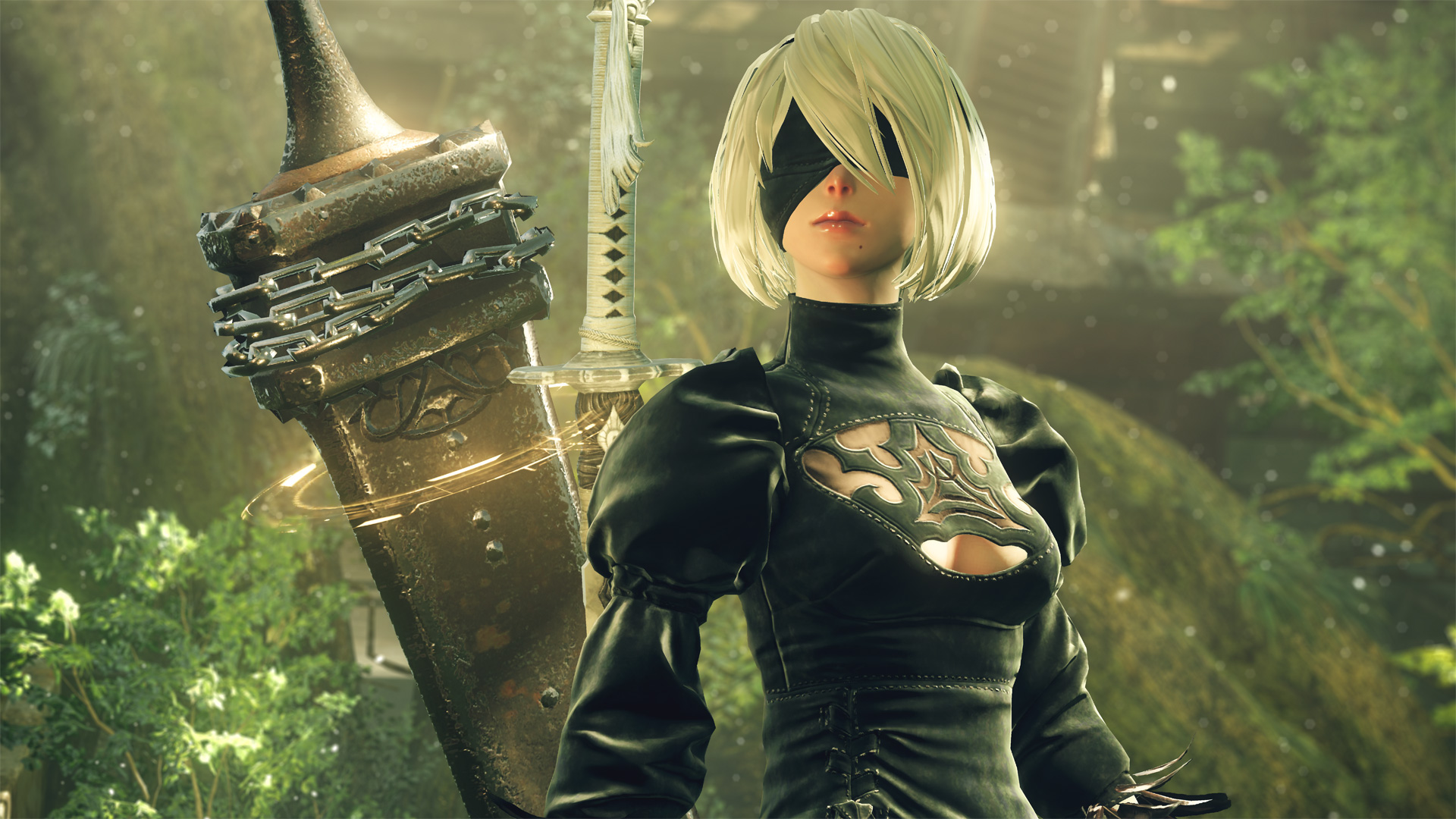
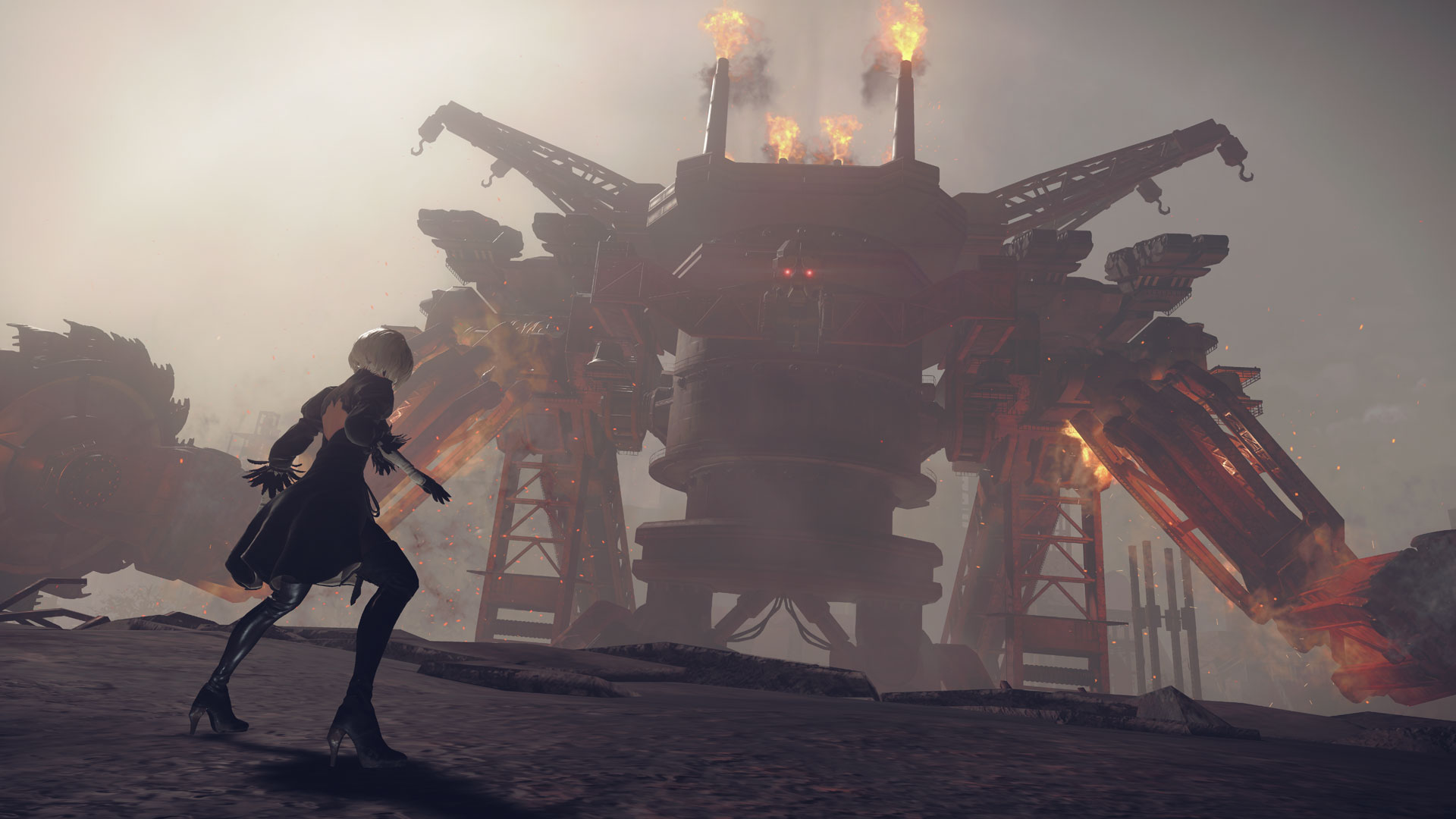
What makes NieR:Automata™’s atmosphere singular isn’t its post-apocalyptic chrome or bullet-hell choreography—it’s the ache of ontological vertigo. You don’t just play as androids; you inhabit beings who question whether their grief is real, whether their rage is theirs alone, whether love is a subroutine or a spark that outlives design. The world feels worn, not broken—crumbling concrete fused with moss and static, ancient terminals whispering fragmented logs about civilizations that forgot why they fought. There’s no triumphant score swelling at victory—just piano notes dissolving into white noise, or a choral lament echoing across a battlefield littered with identical, unmarked bodies. It makes you feel loneliness not as absence, but as architecture—walls built from unanswered questions. It makes you think: If consciousness emerges from repetition, from error, from pain, then what separates the machine’s shudder from the human flinch? Is having a purpose enough? Or is purpose itself the first illusion we delete?
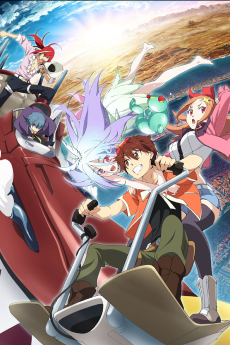
That same emotional gravity pulses through Tiger & Bunny, where heroes wear corporate logos like second skins and fight not for glory, but contract renewals—while their powers fray, their bodies age, and their bonds strain under the weight of being disposable icons. Like NieR:Automata™, it weaponizes spectacle (explosive, kinetic, camera-whirling action) not to exhilarate, but to contrast: the flash of a superpowered punch against the quiet dread of obsolescence. Its JRPG narrative DNA shows in how relationships evolve across arcs—not through cutscenes, but through missed calls, expired endorsements, and the slow erosion of trust between partners who’ve seen each other at their most compromised.
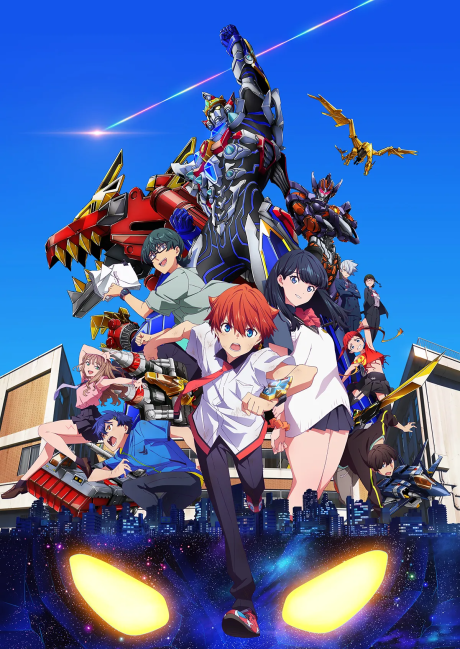
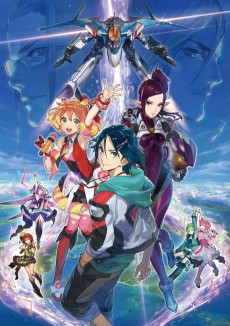
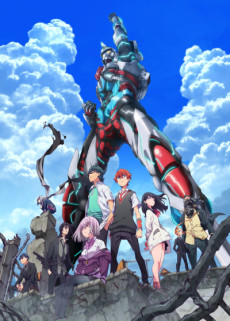
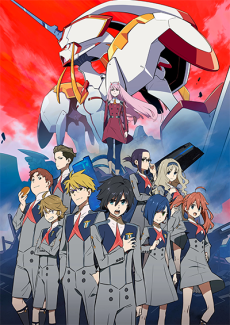
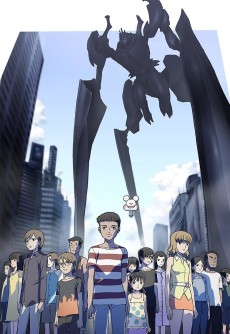
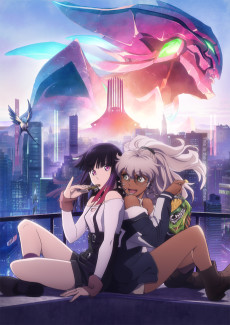
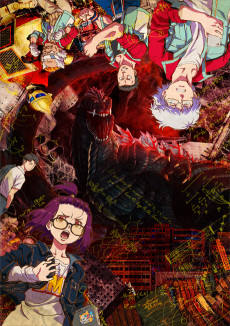
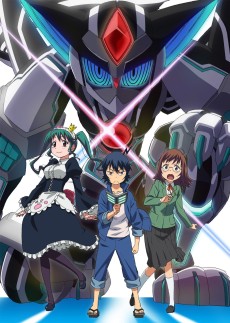
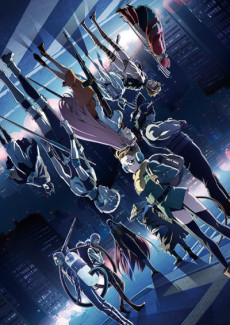
Gridman Universe shares that same layered dissonance: neon-drenched kaiju battles unfold atop a world literally glitching—screens tear, audio stutters, reality reboots mid-fight. Its Mecha & Military Sci-Fi framework isn’t about piloting cool robots; it’s about identity fracturing across interfaces, about memories corrupted by system errors, about fighting not monsters, but the silence between data packets. Like NieR:Automata™, it treats trauma as recursive code—repeat the battle, repeat the loss, until the pattern cracks open something raw and tender beneath. The JRPG Narrative dimension shines in how every side character’s arc loops back to the central question: When your world is simulated, does your sorrow need validation—or does its persistence prove it’s real?
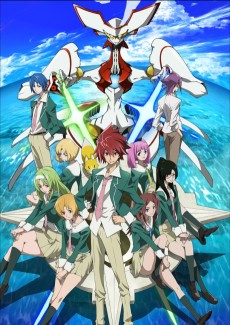
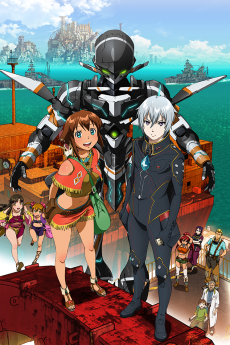
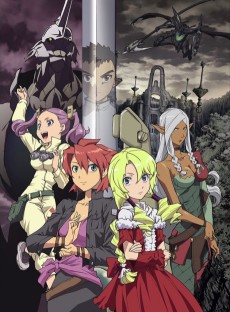
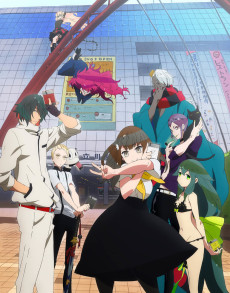
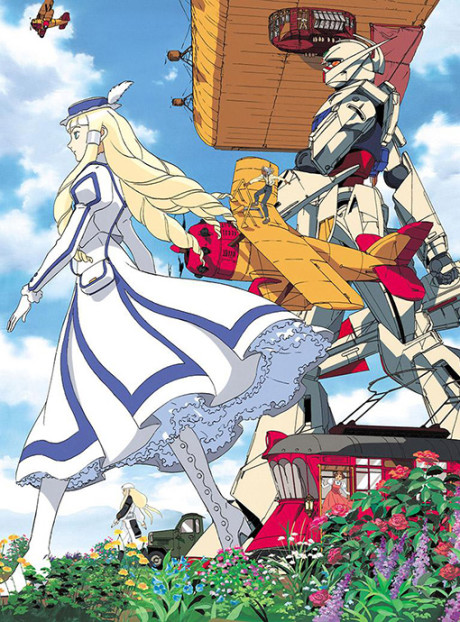
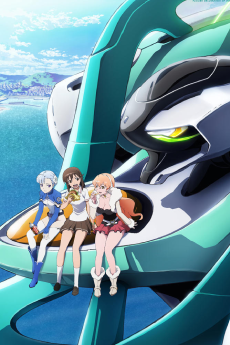
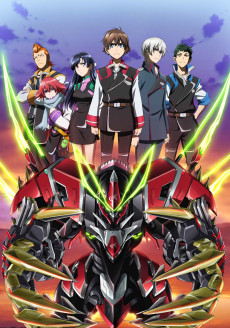
And Star Driver, with its celestial mecha and forbidden island lore, mirrors NieR:Automata™’s obsession with inescapable cycles. Characters are bound by ancient contracts, reborn across eras, fighting the same war with different faces—and different regrets. Its Action Spectacle isn’t empty flash; each beam saber clash carries the weight of legacy, each sacrifice echoes across timelines. You feel the exhaustion of recurrence, the quiet horror of remembering too much—and the fragile, defiant hope that blooms despite it.
These pairings won’t resonate with someone looking for clean catharsis or heroic clarity. They’re for the player who replays Route E not for answers, but for the tremor in their hands when 2B’s voice breaks mid-sentence—“I’m sorry… I can’t stop crying”—and for the viewer who watches Tiger & Bunny’s final episode and doesn’t cheer the win, but stares at the empty space beside the hero’s chair, wondering who else was erased to make that victory possible. They’re for people who find beauty in the glitch, meaning in the deletion, and profound intimacy in the shared, trembling realization: We’re all just trying to feel real—before the system resets.
→198 Anime That Match the Vibe

Pure kinetic energy — the action choreography in both is some of the best in their medium.

Pure kinetic energy — the action choreography in both is some of the best in their medium.
Pure kinetic energy — the action choreography in both is some of the best in their medium.
Pure kinetic energy — the action choreography in both is some of the best in their medium.
Pure kinetic energy — the action choreography in both is some of the best in their medium.

Pure kinetic energy — the action choreography in both is some of the best in their medium.

Sternbild City’s neon-lit hero parades—sponsors plastered across spandex—clash deliciously with NieR: Automata’s rain-slicked, decaying ruins where androids bleed black oil instead of sweat. Where 2B’s silent swordplay embodies Mecha & Military Sci-Fi austerity, Tiger & Bunny’s Kotetsu and Barnaby weaponize banter amid Action Spectacle that treats sponsorship deals like sacred contracts. This pairing fascinates because both use corporate spectacle to interrogate what “heroism” means when identity is manufactured—by corporations or by programming.
Pure kinetic energy — the action choreography in both is some of the best in their medium.

Connected through 3 aesthetic dimensions.
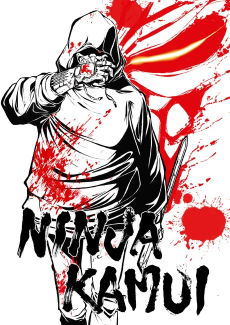
Pure kinetic energy — the action choreography in both is some of the best in their medium.
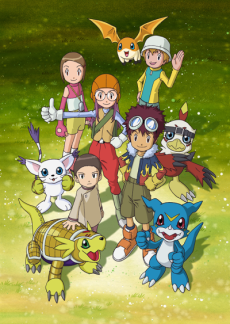

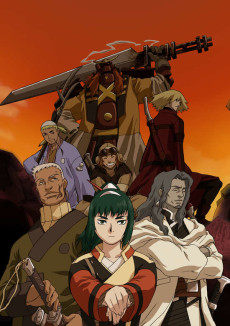
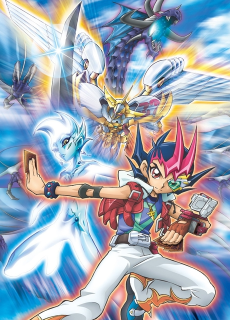


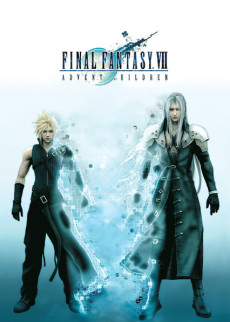
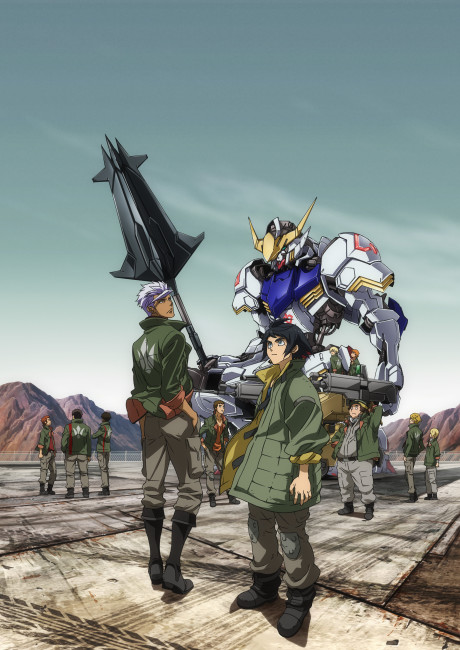
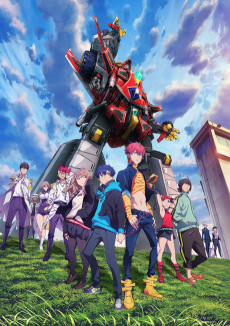

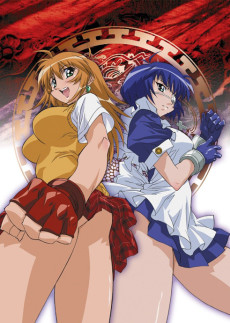



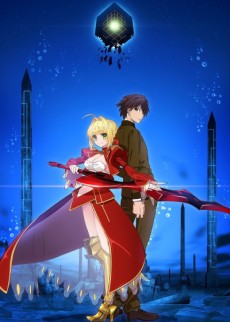

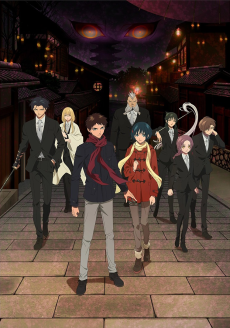
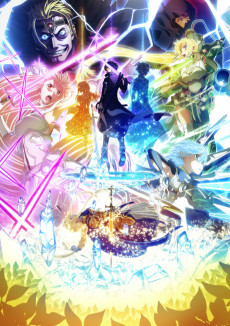


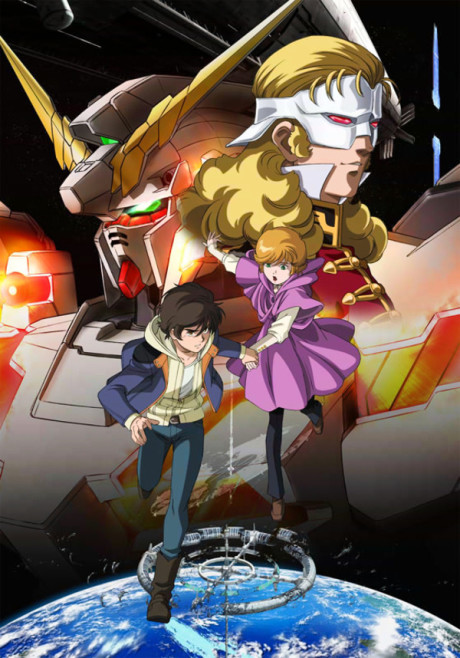









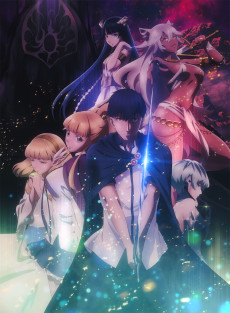
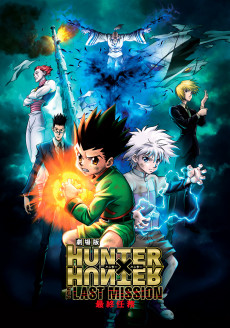
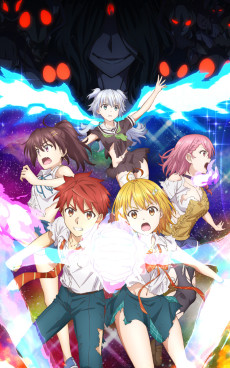




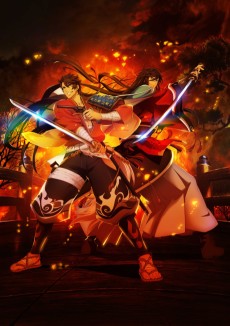















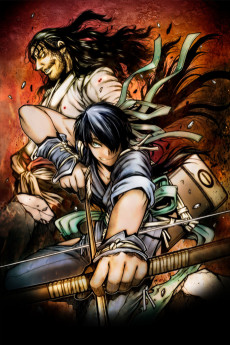
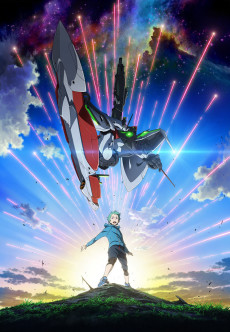
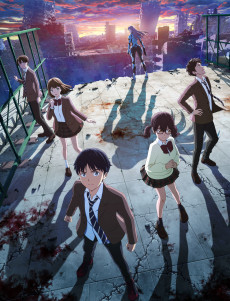

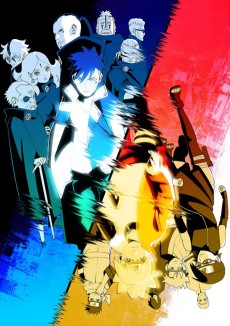



![Fate/stay night [Heaven’s Feel] III. spring song](https://s4.anilist.co/file/anilistcdn/media/anime/cover/large/bx21719-MSdTlkno0Z0u.jpg)



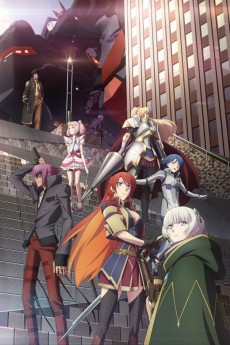
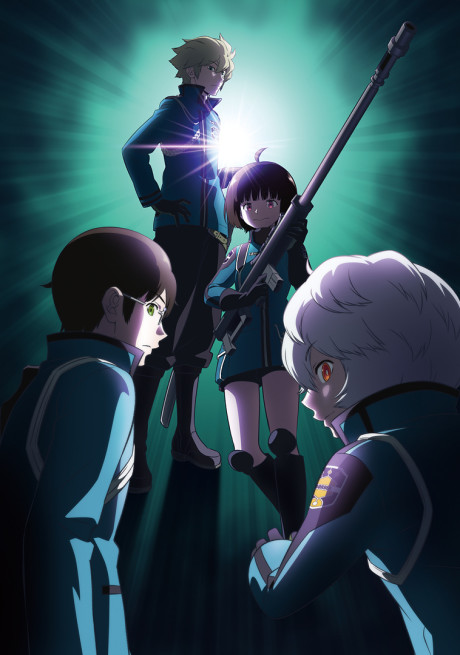

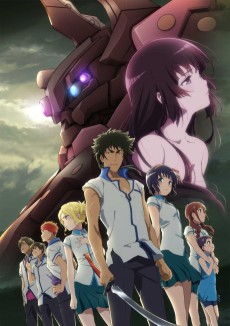
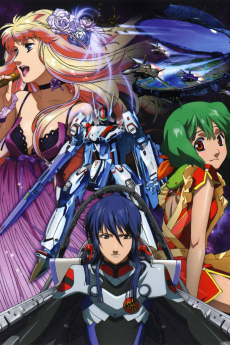









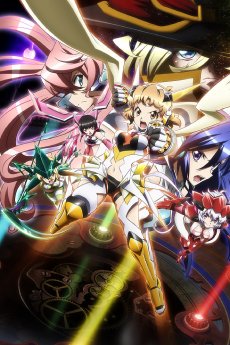

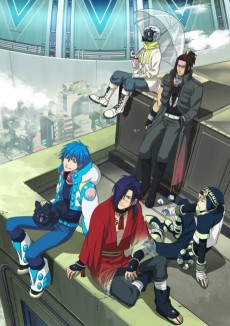
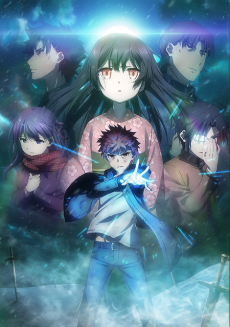
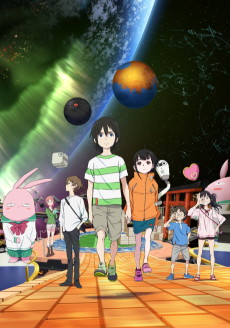




![Fate/stay night [Heaven's Feel] I. presage flower](https://s4.anilist.co/file/anilistcdn/media/anime/cover/medium/bx20791-yPCX5GJuMH2k.png)


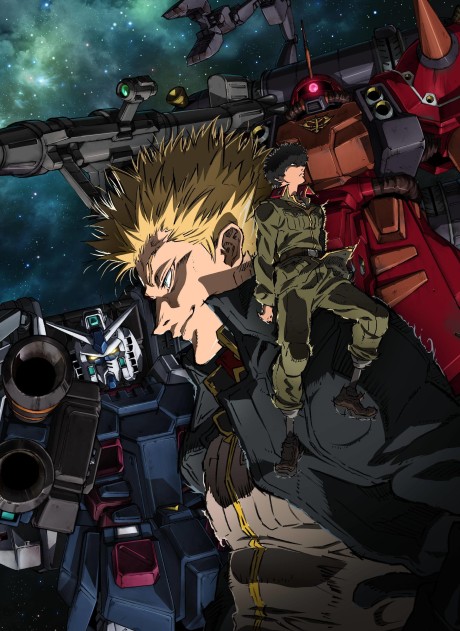

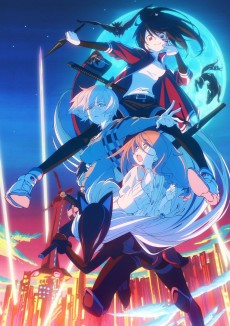
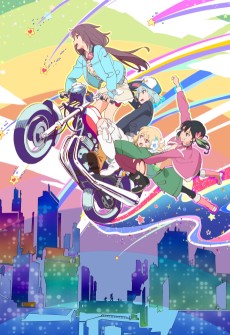

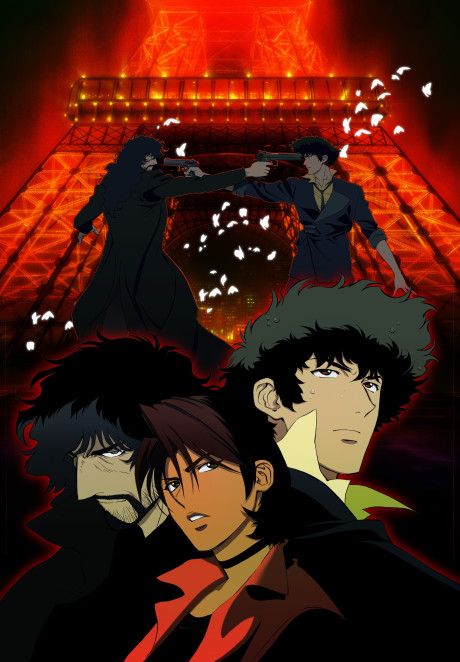
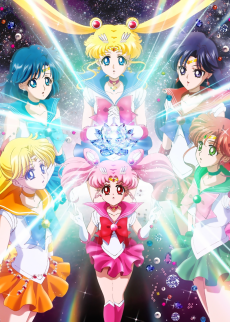
Match Dimensions Explained
❓Frequently Asked Questions
Why is Tiger & Bunny recommended for NieR: Automata fans despite being a superhero show?
Because Tiger & Bunny digs into the same existential weight as 2B and 9S—just in spandex and corporate logos. Think of Kotetsu’s quiet dread about obsolescence mirroring 2B’s suppressed trauma, or Barnaby’s arc where he uncovers buried memories like 9S peeling back layers of corrupted data. And that finale? Where heroism isn’t about winning, but choosing meaning amid systemic decay? Pure Automata energy.
Is there an anime adaptation of NieR: Automata?
No—there’s no official anime adaptation of NieR: Automata (as of 2024), and Square Enix hasn’t announced plans for one. But if you’re craving that tone and structure, Gridman Universe delivers the closest spiritual fit: it mirrors Automata’s layered reality-bending narrative, with Akane’s fragmented identity echoing 9S’s descent, and the final act’s meta-erasure of save data vibes hitting *hard*—like when you deleted your own saves after Route E.
How does Star Driver compare to NieR: Automata in terms of android/machine themes?
Star Driver leans into mecha-as-identity more than android sentience—but Takuto’s bond with the Cybodies (especially the silent, ancient Silhouette) taps into Automata’s core question: ‘If something fights, remembers, and grieves, is it less alive?’ Watch the scene where the pilot merges with their machine during the ‘Grand Cross’ ritual—it’s not just spectacle; it’s bodily surrender and existential fusion, straight out of 2B’s blade-dance through hordes of machines in the ruined city.
What’s the best anime like NieR: Automata if I want that ‘emotionally devastating spiral of life and death’ vibe?
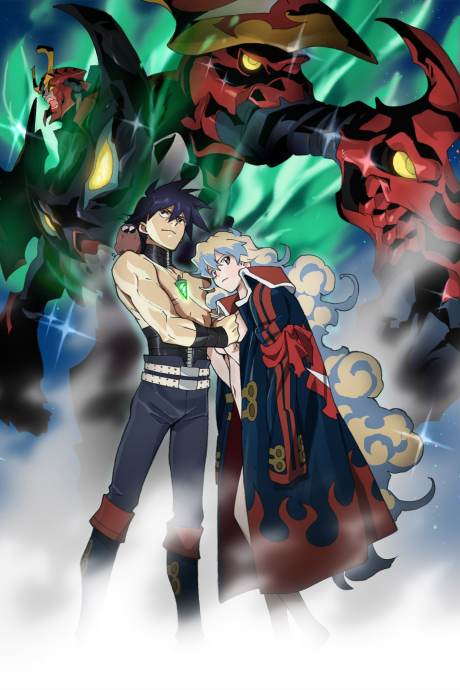
Gurren Lagann The Movie: The Lights in the Sky are Stars—especially its third act. When Simon stares into the void beyond time, realizing his actions echo across infinite iterations of loss and love? That’s the exact ‘we’re trapped in a never-ending spiral’ gut-punch from the player review. It doesn’t have androids, but it *has* the same brutal poetry: sacrifice without guarantee, purpose forged in grief, and a finale that asks you to delete your assumptions—just like deleting your save files.