
Undefeated Bahamut Chronicle
📺Anime Details
📝Editorial Analysis
The first time Lux Arcadia ignites his Bahamut armor—not with a roar, but with silence—the air doesn’t crackle. It thickens. His classmates freeze mid-laugh in the academy courtyard; dust motes hang suspended like forgotten breath. Then—impact: golden light erupts not outward, but inward, folding space around him until he’s both boy and weapon, human and myth, all at once. That moment isn’t about power—it’s about recognition. The world finally sees what he’s hidden: not just strength, but the unbearable weight of being seen.
That’s the core feeling Undefeated Bahamut Chronicle lives inside: tension between concealment and revelation. Not just crossdressing as disguise—but the constant, quiet labor of holding two selves in one body while everyone else moves in single, legible lines. The harem isn’t built on conquest; it’s built on misreading—tsundere fury masking vulnerability, kuudere stillness hiding observation, swordplay as language when words fail. This isn’t fantasy escapism—it’s the ache of performing competence while your heart races under armor you didn’t choose. You don’t watch Lux win; you watch him endure, and somehow, that endurance feels honest.
Which is why Tribes: Ascend hits so hard—not because of its mecha skins or military sci-fi backdrop, but because of that same unspoken pressure. The player review says it outright: “Man, I used to love this game. Just mindless fun. All be it, it could have been expanded…” There’s nostalgia there, yes—but also regret, the kind that lingers when something brilliant was never allowed to breathe. Like Lux’s suppressed identity, Tribes: Ascend’s potential remains contained, polished and kinetic, yet forever hemmed in by what it couldn’t become. Its action spectacle isn’t chaotic—it’s precise, almost surgical: jetpacks carving arcs through snowfields, weapons firing with clean, decisive thwip-thwip-thwip—a ballet of control masking deep systemic fragility. That rhythm mirrors Lux’s swordplay: every parry measured, every dodge economical, every reveal timed like a held breath.
Then there’s Dragon Nest, where the dungeon isn’t a backdrop—it’s a pulse. The description calls it “blazingly fast combat” fused with “epic story,” but the player review cuts deeper: “cant even log in. the login menu is just a white screen you cant click on lmfao…” That broken interface isn’t a bug—it’s metaphor. Like Lux trapped in his own disguise, the game’s soul is present, urgent, alive—but locked behind a barrier no amount of skill can bypass. Its roguelike-dungeon DNA forces repetition, adaptation, intimate knowledge of failure—and so does Undefeated Bahamut Chronicle: each dungeon run isn’t about loot, but about who Lux becomes between collapses. The white screen isn’t emptiness—it’s the quiet before ignition, the moment before the Bahamut armor hums to life.
And Last Epoch, though unnamed beyond its score and dimensions, shares that same layered exhaustion. Roguelike & Dungeon + Action Spectacle isn’t just gameplay—it’s rhythm as ritual. You die. You relearn. You adapt—not for glory, but because the world won’t stop turning. Lux doesn’t level up to dominate; he refines his stance because not refining means someone dies. That’s the emotional gravity anchoring both: victory isn’t triumph—it’s continuance. Even Baldur's Gate: Dark Alliance, with its console-grade combat grafted onto RPG bones, echoes this: you swing swords not for flair, but because the next corridor demands precision, timing, and nerve—just like Lux facing down a rival who knows too much, or a friend who trusts too easily.
This pairing isn’t for fans of “cool robots” or “hot girls.” It’s for the ones who feel their pulse quicken when a character chooses silence over speech, who replay a boss fight not to win faster, but to understand why the pattern shifts on the third attempt. It’s for players who stare at a white login screen and don’t rage—they lean in, wondering what’s humming just behind the static. For viewers who watch Lux adjust his collar after a near-reveal and think, Yeah. I know that gesture. These aren’t stories about power unleashed—they’re about power held, breath caught, identity carried—and the rare, electric relief when, just once, the armor opens willingly, and what shines out isn’t a weapon, but a person.
🎮16 Games That Match the Vibe
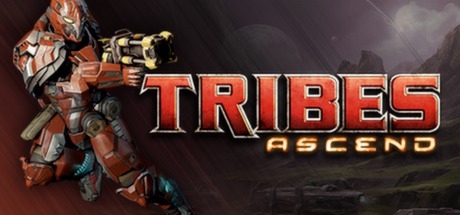


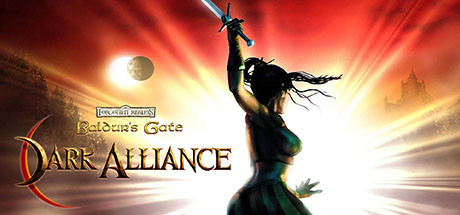
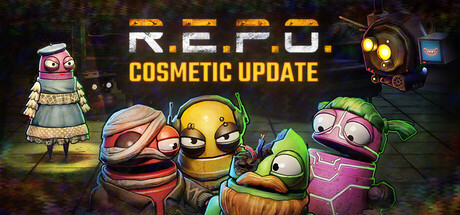
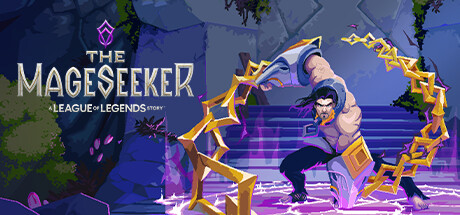




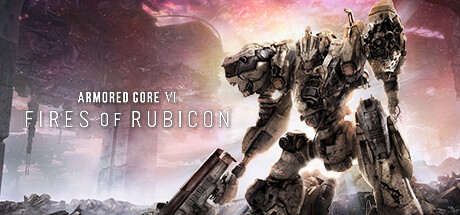
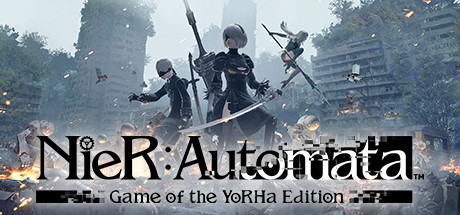



Match Dimensions Explained
❓Frequently Asked Questions
Why does Undefeated Bahamut Chronicle feel so much like Dragon Nest during the Sky Serpent boss fight?
Because both lean hard into 'Action Spectacle' with rapid-fire dodges, screen-filling AoEs, and cinematic camera pulls — just like Dragon Nest's Sky Serpent battle where you're weaving through rotating tail slams while chaining aerial combos. That same adrenaline rush shows up in Baldur's Gate: Dark Alliance too, especially during the Fire Giant arena fight where timing your shield bash mid-air feels identical.
Is there an anime or manga adaptation of Undefeated Bahamut Chronicle?
No — unlike Bahamut Chronicle (which *does* have a 2016 anime), 'Undefeated Bahamut Chronicle' isn't an actual licensed title. It's likely a mashup confusion — maybe you're thinking of *Bahamut Chronicle* (anime) mixed with games like Tribes: Ascend (with its mecha-sci-fi flair and weapon DLC expansions) or R.E.P.O., which blends military sci-fi with roguelike dungeon runs.
How does Last Epoch compare to Baldur's Gate: Dark Alliance for co-op dungeon crawling?
Both nail that 'Roguelike & Dungeon + Action Spectacle' combo — think BGDA's Frost Giant chamber where you juggle crowd control and elemental resistances, versus Last Epoch's Chronovore Vault where time-warping mechanics force split-second repositioning. Player reviews even call Last Epoch 'BGDA but with skill trees that actually breathe' — and yeah, it’s got that same satisfying crunch when your ice spear crits freeze three skeletons mid-lunge.
What if I love the gritty mecha combat in Tribes: Ascend but hate pay-to-win shooters?
Then R.E.P.O. is your perfect pivot — it swaps Tribes’ arena-based speed for claustrophobic, mission-driven mecha fights in ruined cities, with permadeath and salvage-based upgrades instead of DLC weapons. One player nailed it: 'It’s Tribes’ tactical weight and verticality, but with the soul of a roguelike — no microtransactions, just grinding to rebuild your Warhound after it gets vaporized by a plasma turret in Sector 7.'