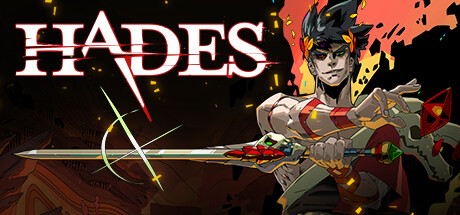
Hades
Defy the god of the dead as you hack and slash out of the Underworld in this rogue-like dungeon crawler from the creators of Bastion, Transistor, and Pyre.
🎮Game Details
💬What Players Say
"This is one of the rare games I struggled to write a review for. I was so close to giving it a negative review, but then I thought that would be unfair to the developers, so I changed it to positive. The biggest reason for this is that I have stayed away from the roguelike genre for years, and I forced myself several times to try it and see whether I could actually enjoy it or not...."
"I went into Hades expecting a fun roguelike, but ended up getting addicted to “just one more run” for hours. The combat feels insanely smooth, every weapon has its own personality, and the progression never feels wasted even when you fail. What surprised me most was the story...."
"You know what I love about this game? Everyone in Hell thinks they can stop you. They talk like they understand power...."
📝Editorial Analysis
The first time you hear Hades’ voice—cold, unblinking, standing at the threshold of the House of Hades, arms crossed, eyes like obsidian shards—you don’t feel fear. You feel recognition. Not of him, but of the weight he carries: the quiet exhaustion of authority that’s been tested too many times, by the same defiant soul, over and over. That’s the core pulse of Hades: not just escape, but return. Every run begins in the same chamber, same flicker of torchlight, same gods leaning in with advice that’s equal parts prophecy and passive-aggression. As one player put it: “Everyone in Hell thinks they can stop you. They talk like they understand power.” And yet—you keep coming back. Not because you’re winning, but because the Underworld remembers you, even when you die.
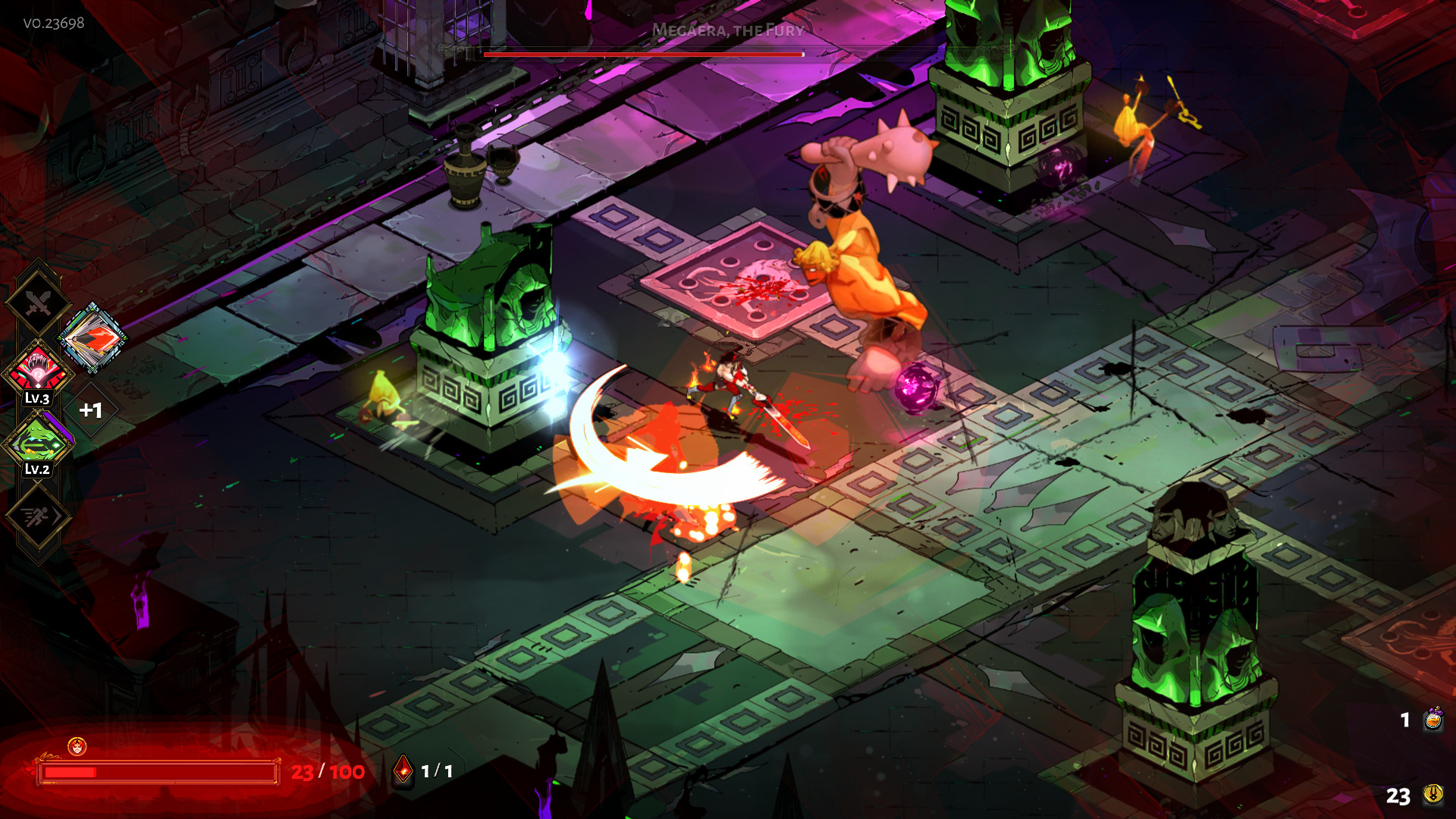
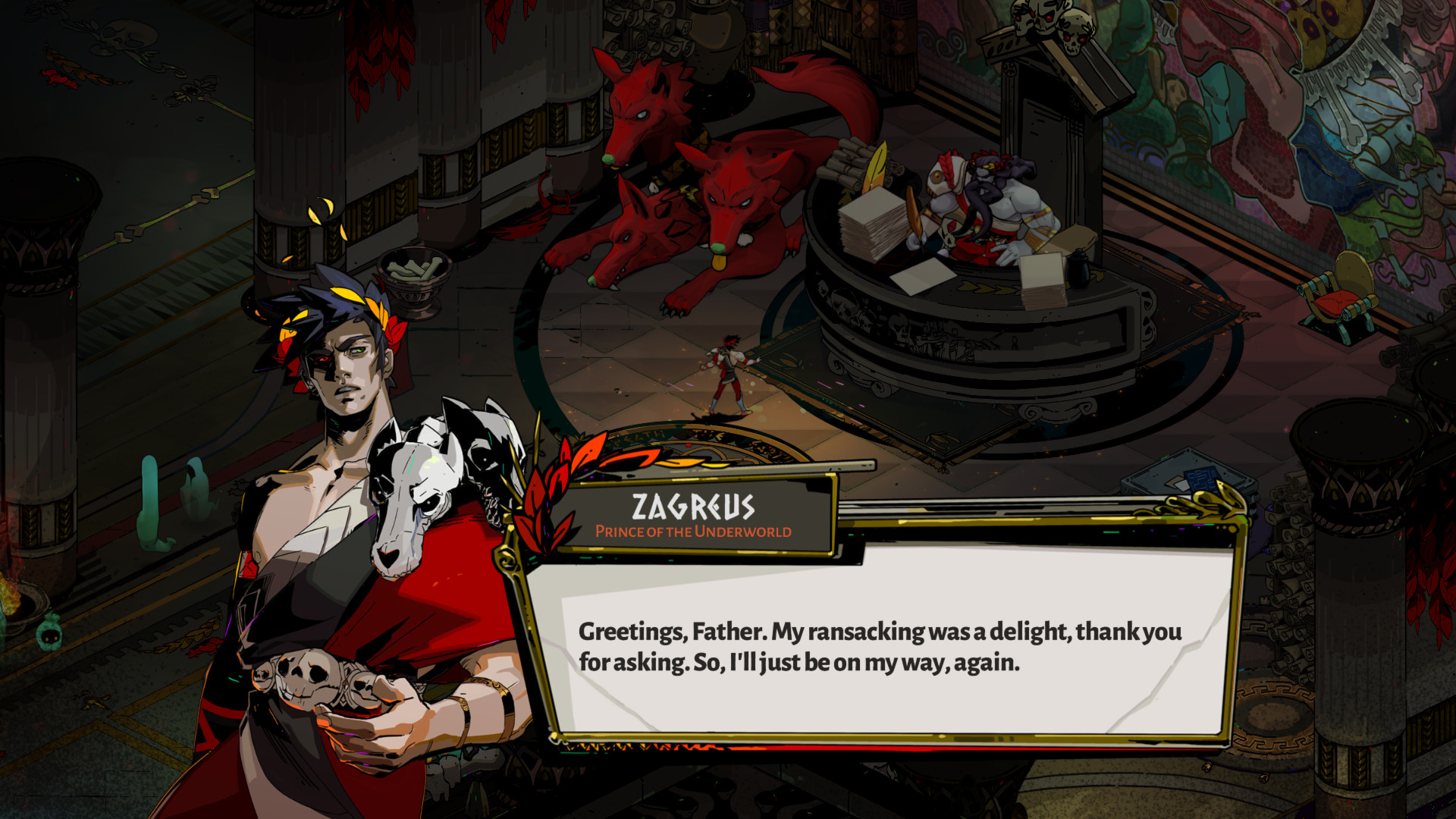
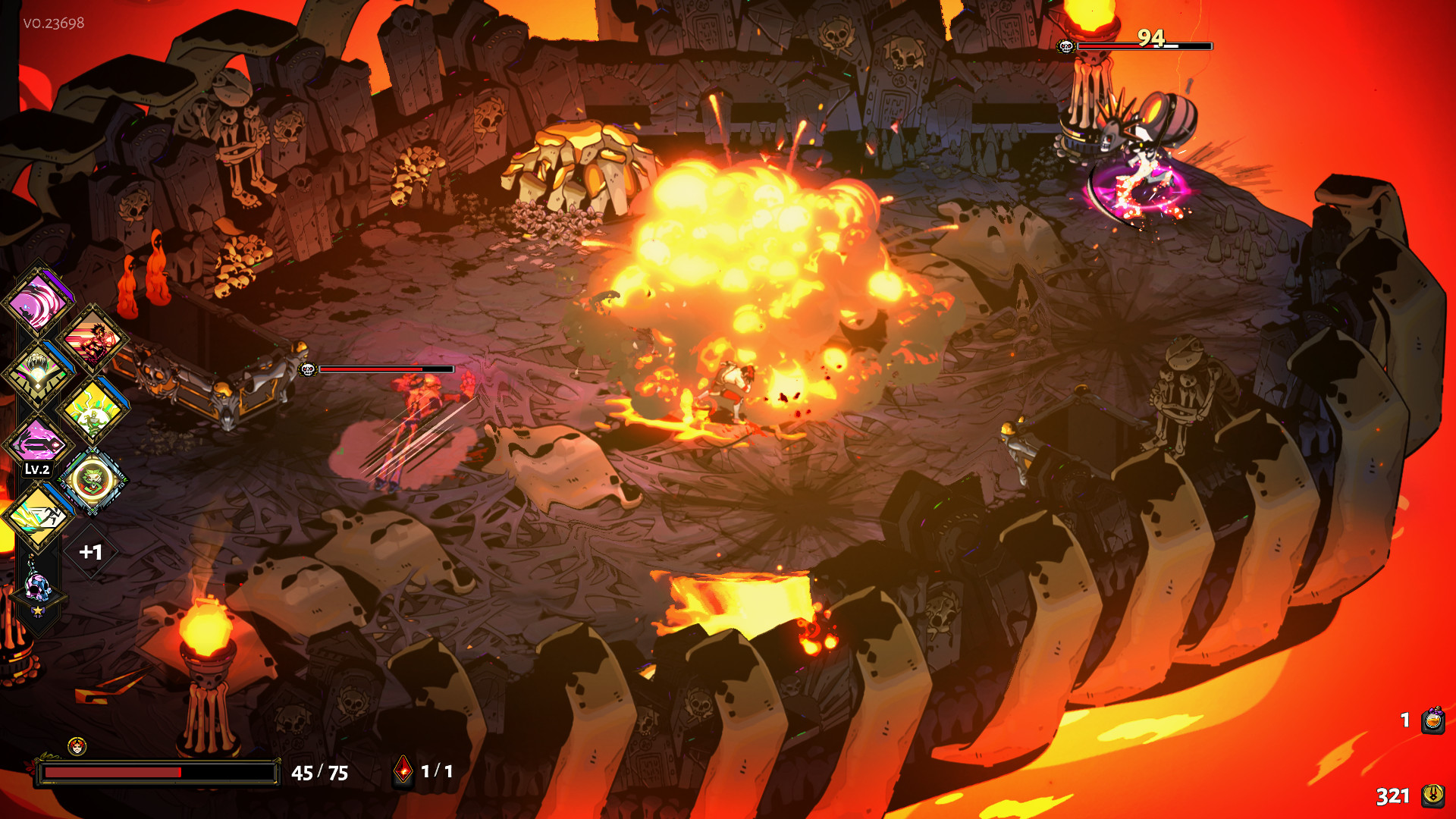
What makes this world ache with such strange warmth isn’t its mythic grandeur or its razor-sharp combat—it’s the relentless intimacy of repetition. You don’t grind; you converse. You don’t unlock skills; you earn confessions. Each death is a punctuation mark—not an erasure—but a breath before the next sentence. The official description calls it a “rogue-like dungeon crawler,” but the player reviews betray something deeper: “I went into Hades expecting a fun roguelike, but ended up getting addicted to ‘just one more run’ for hours.” That addiction isn’t to victory—it’s to the slow, stubborn unfurling of relationships inside a system designed to reject you. It’s tenderness disguised as defiance, loyalty wearing armor, love spoken in the clipped tones of Olympian sarcasm. You don’t conquer the Underworld—you learn its rhythms, its silences, its hidden griefs. And in doing so, you stop seeing it as a prison. You start seeing it as home, even as you burn to leave.
That emotional architecture—mythic scale fused with deeply personal stakes—resonates sharply with Solo Leveling Season 2 -Arise from the Shadow-. Its dimension match isn’t just “Roguelike & Dungeon” but the physicality of escalation: every boss fight, every cracked floor tile, every shadow that swallows light feels earned because it’s repeatedly survived. Like Zagreus, Sung Jin-Woo doesn’t ascend through divine favor—he does it by returning, bruised and recalibrating, to the same lethal gates again and again. His power isn’t bestowed—it’s reclaimed, run after run, memory after memory. The spectacle isn’t empty flash; it’s the visual language of persistence.
Then there’s Is It Wrong to Try to Pick Up Girls in a Dungeon? IV Part 2, where the dungeon isn’t just a setting—it’s a living archive of myth, layered with folklore that breathes, judges, and evolves. Like the House of Hades, the city of Orario thrums with deities who meddle, whisper, and withhold—not out of malice, but because they’re invested. The gods in Hades give advice laced with agendas; the gods in DanMachi IV Part 2 grant boons wrapped in bargains. Both worlds treat divinity not as distant thunder, but as roommates with centuries-old grudges and surprisingly specific opinions on your love life. The shared dimension isn’t just “Mythology & Folklore”—it’s how myth lives in the cracks between conversations, in the way Hermes winks before vanishing, or how Hermes in DanMachi leans against a pillar and says, “You’re not ready yet—but I’ll be watching.”
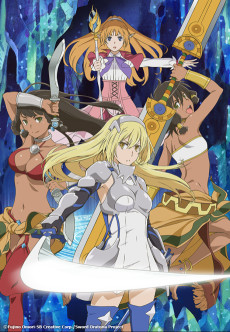
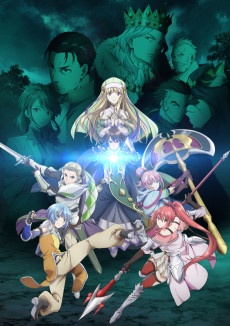
And Sword Oratoria, with its dual emphasis on Action Spectacle and Mythology & Folklore, mirrors Hades in its structural honesty: both tell stories where failure is narratively fertile. When Aiz Wallenstein falls—not once, but repeatedly—her defeats aren’t setbacks. They’re data points, moments where character, history, and divine consequence collide. Like Zagreus stumbling back into the House after his third failed ascent, her return isn’t shame—it’s continuity. The combat isn’t just fast; it’s rhythmic, built on timing, adaptation, and the quiet thrill of mastering a weapon’s soul—exactly as the player review notes: “every weapon has its own personality.”
This is for the person who replays cutscenes not to skip them, but to catch the tremor in a god’s voice when they lie—or finally tell the truth. For the one who saves before a boss not out of fear, but to savor the weight of the choice to try again. For the reader who underlines dialogue in manga not for plot, but for the half-second pause before a confession. These pairings don’t flatter your taste—they recognize your rhythm: the way you measure growth not in levels, but in how much softer the same line lands the tenth time you hear it. How a dungeon, a shadow, a god’s sigh—all become vessels for something quieter, fiercer, and far more human than any myth admits.
→32 Anime That Match the Vibe

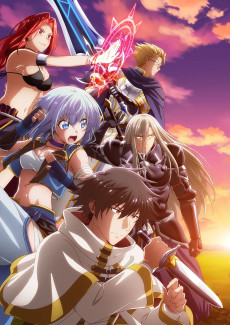
Zagreus’s repeated, bloody escapes from the House of Hades—each run reshuffling rooms, enemies, and boons—mirror Jin-Woo’s Season 2 grind: mastering shadow clones and domain expansion not in linear progression, but through relentless, high-stakes dungeon loops against escalating threats. Where *Hades* frames death as a narrative reset button fueling character growth, *Solo Leveling S2* treats each near-fatal battle—like Jin-Woo’s desperate solo assault on the Jeju Island dungeon—as a roguelike iteration, refining power through failure. This shared 🎲 Roguelike & Dungeon DNA makes their synergy unexpectedly profound: both treat repetition not as monotony, but as sacred ritual of self-reinvention.

Connected through 2 aesthetic dimensions.
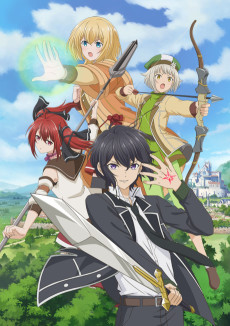
Connected through 2 aesthetic dimensions.
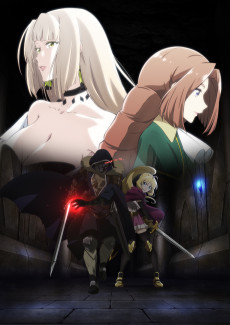
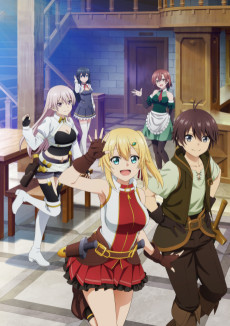
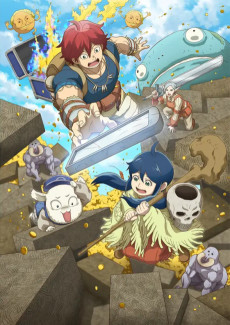
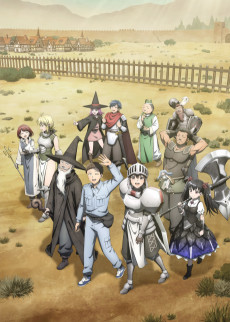
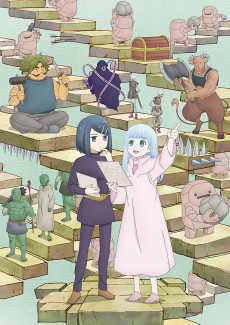
Rentt Faina’s grimy, repetitive slime hunts mirror Zagreus’ first dozen failed escapes—each death or botched quest a recalibration of skill, not failure. Unlike most fantasy where progression is linear, both weaponize the 🎲 Roguelike & Dungeon loop: Hades’ shifting biomes and The Unwanted Undead Adventurer’s hidden path reward stubbornness with layered lore and tactile combat rhythm. That shared refusal to let repetition feel hollow—turning grind into grit—is what makes their synergy so electric.

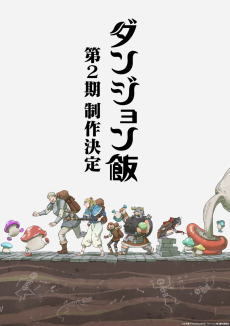
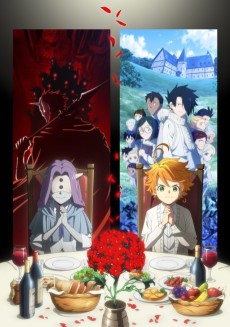
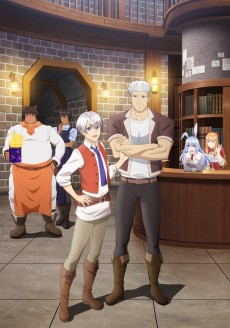
Zagreus’s repeated, bloody escapes from the House of Hades mirror Alina’s deadpan boss-soloing sprees—not as heroic feats, but as exhausted, hyper-competent clock-punching. Where roguelike structure frames Zagreus’s growth through repetition and consequence, the anime weaponizes dungeon-crawling tropes to satirize labor precarity, turning each boss fight into a punchline about overtime pay and ergonomic chairs. This shared 🎲 Roguelike & Dungeon DNA makes their defiance feel less mythic than *bureaucratic*—and weirdly, refreshingly relatable.

Connected through 2 aesthetic dimensions.

Connected through 2 aesthetic dimensions.

Connected through 2 aesthetic dimensions.

Connected through 2 aesthetic dimensions.

Connected through 2 aesthetic dimensions.










Match Dimensions Explained
❓Frequently Asked Questions
Why is Solo Leveling Season 2 recommended for Hades fans?
Because both lean hard into that addictive 'just one more run' loop—like when Sung Jin-Woo keeps grinding in the Abyssal Dungeon, unlocking new shadows and power spikes after each near-death escape, mirroring how Zagreus unlocks new weapons and god boons mid-run. The action spectacle hits the same way: Jin-Woo’s shadow clones slashing through hordes feel as fluid and punchy as Zagreus’ Stygian Blade combos during a perfect dash-dodge rhythm.
Is there an anime adaptation of Hades?
Nope—no official anime adaptation exists (and no announcements yet). But if you're craving that same vibe, *Is It Wrong to Try to Pick Up Girls in a Dungeon? IV Part 2* nails it: Bell’s dungeon dives in the Lower Levels mirror Zagreus’ repeated Underworld escapes—same mythic stakes, same escalating threats (like the Minotaur boss fight echoing Hades’ final chamber), and even gods like Hermes and Dionysus dropping in with cryptic, personality-packed advice just like in the game.
How does Wistoria: Wand and Sword compare to Hades?
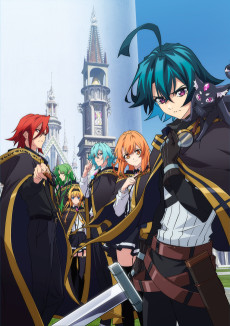
It’s less about permadeath and more about high-stakes magical escalation—but the *action spectacle* and *roguelike pacing* sync up beautifully. Like when Wistoria’s protagonist, Will, improvises spell combos on the fly in the Forbidden Library’s shifting floors, it echoes Zagreus chaining Chaos Boon ricochets off walls or juggling Cerberus’ triple-attack rhythm. Both make every encounter feel kinetic, personal, and layered with mechanical personality.
What’s the best anime like Hades if I want that ‘defying arrogant gods while everyone talks trash’ energy?
Go straight to *Sword Oratoria*—especially the scenes where Aiz Wallenstein stands down entire god factions in the Babel Tower arc, or when Hermes-like figures (like the god Loki) drop in with smirking, backhanded wisdom. Just like Hades himself glowering from his throne while shades whisper warnings, Sword Oratoria’s gods treat mortals like chess pieces—and the heroes respond with cold, razor-sharp defiance and flawless swordplay.