
The Great Cleric
Can a former salaryman become peerless in another world?!
A salaryman was shot to death just before earning a promotion, and a god decided to reincarnate him in another world as a fifteen-year-old healer named Luciel. On top of all that, the country he was born into seems to hate healers. Feeling that he's in danger, Luciel visits the adventurers' guild in hopes of keeping himself safe. But the training is much harder than he expected, and every day he's forced to drink a mysterious beverage called "Substance X." Wait, this life doesn't seem to have anything to do with being a healer...
The day-to-day life of a super-masochistic, back-from-the-dead healer begins, with his very survival on the line!
(Source: Crunchyroll)
Note: Each episode streams one week early in Japan on ABEMA.
📺Anime Details
📝Editorial Analysis
The first time Luciel chugs that mysterious beverage—eyes watering, throat burning, knees buckling as he’s shoved back into the guild’s training yard—it hits like a physical thing: the sheer, unvarnished exhaustion of starting over. Not with fanfare, not with prophecy, but with a cough, a cramp, and the quiet dread of being unwanted in a world that sees healers as liabilities, not lifelines. His hands shake—not from magic, but from fatigue. His breath hitches—not from battle, but from the weight of showing up again, even when no one expects him to last the week.

That’s the core hum of The Great Cleric: it’s not about power fantasy as spectacle, but power fantasy as recovery. It’s the ache of muscle memory relearning itself, the sting of sweat mixing with old salaryman stress, the slow, stubborn warmth of competence blooming not from destiny, but from showing up and swallowing the bitter drink. This isn’t a story about transcending the mundane—it’s about reclaiming dignity through labor: suturing wounds, memorizing herb ratios, enduring sparring drills while your body screams I used to file TPS reports. The fantasy isn’t escape—it’s rehabilitation. You feel the grit under your nails, the soreness in your shoulders, the quiet pride in a bandage tied just right. It makes you think about how much courage lives in routine, how much heroism hides in not quitting when your value is questioned daily.
That emotional rhythm—grueling repetition yielding quiet, earned mastery—echoes sharply in Hades. Its description calls it a “rogue-like dungeon crawler” where you “hack and slash out of the Underworld,” but the player review says it all: “This is one of the rare games I struggled to write a review for. I was so close to giving it a negative review, but then I thought that would be unfair…” That hesitation? That near-rejection followed by reluctant, hard-won respect? That’s Luciel after his third failed healing incantation, staring at his trembling hands, then trying again—not because he believes he’ll succeed, but because stopping feels like surrender. Both demand you absorb failure, internalize feedback, and return—not transformed, but tuned, like an instrument slowly finding its pitch.
Then there’s Larva Mortus, described as a “fast-paced hack and slash top-down shooter” where you “hunt monsters of the supernatural in a dark, ominous, and randomly generated atmosphere.” Its player review is barebones: “fun gameplay loop and nice weapons….” That ellipsis? That trailing off? It mirrors Luciel’s own understated resilience—the way he doesn’t monologue about purpose, but just adjusts his gloves and steps into the next dungeon. No grand speeches, just the clean satisfaction of a well-timed parry or a correctly administered poultice. The “fun gameplay loop” isn’t flashy—it’s rhythmic, reliable, tactile. Like Luciel’s daily routine: brew, treat, train, repeat—each cycle tightening the knot between intention and outcome.
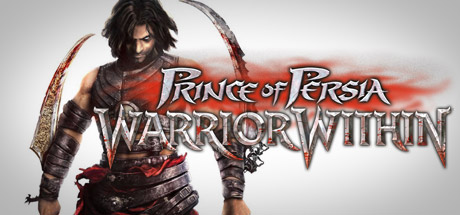
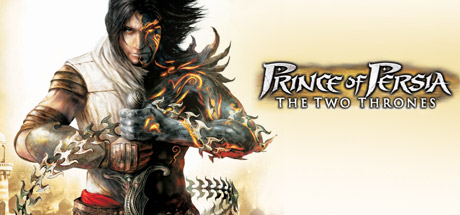
Even the Prince of Persia titles resonate—not through spectacle alone, but through time’s weight. Warrior Within’s description centers on being “hunted by Dahaka, an immortal incarnation of Fate,” while the review recalls “the Dahaka chase is still as goated as it was before.” That relentless, time-bent pursuit? It’s the inverse echo of Luciel’s quiet time skip—he didn’t gain power by outrunning time, but by outlasting it: fifteen years compressed into discipline, not drama. And The Two Thrones, with its Prince returning “to Babylon… to find his homeland ravaged by war,” mirrors Luciel’s return to society—not as a savior, but as someone who’s done the work offscreen, whose strength is now woven into his posture, his calm, his refusal to flinch when healers are mocked.
These pairings aren’t for people who want to win. They’re for the ones who’ve ever stared at a spreadsheet at 10 p.m., wondering if their effort mattered—and then showed up anyway. For the nurse who memorizes drug interactions like scripture. For the coder who debugs the same line for six hours. For anyone who’s ever swallowed something bitter, blinked away tears, and said, “Again.” That’s the shared pulse: not glory, but grit made graceful. Not destiny, but daily devotion.
🎮12 Games That Match the Vibe
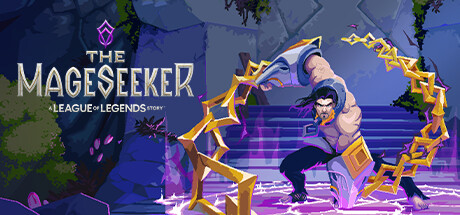
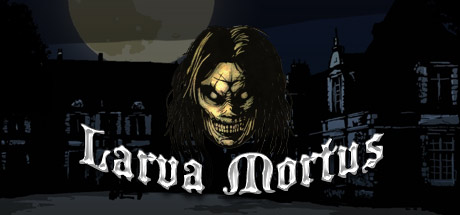
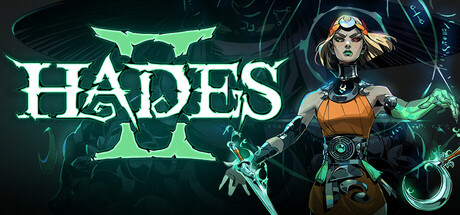
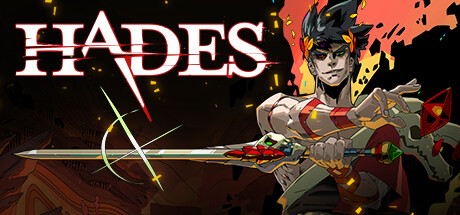
Match Dimensions Explained
❓Frequently Asked Questions
Why is Hades always listed alongside The Great Cleric when they seem so different?
Great question — it’s not about the gods or Greek myth, but the *rhythm* of combat and how story unfolds mid-battle. Like The Great Cleric, Hades layers rich character banter (Zagreus chatting with Nyx or Achilles between runs) over tight, dodge-heavy action — every escape attempt feels like a narrative beat. Plus, both use roguelike structure to deepen relationships: you don’t just level up weapons, you level up *trust* with NPCs through repeated, meaningful encounters.
Is there an anime adaptation of Larva Mortus like The Great Cleric has?
Nope — Larva Mortus doesn’t have an anime adaptation, nor any announced plans for one. It’s strictly a cult-favorite indie game where you play as a supernatural exorcist blasting demons in grimy, procedurally generated alleys — think less 'anime cutscene' and more 'gritty top-down chaos' with satisfying weapon feedback (player review even calls out the 'nice weapons'). The Great Cleric’s anime momentum is totally unique to its IP.
How does Prince of Persia: Warrior Within compare to The Great Cleric in terms of pacing and tension?
Warrior Within leans hard into relentless, cinematic pressure — especially during the Dahaka chase sequences, where the camera tightens, music swells, and every wall-run feels desperate. The Great Cleric matches that intensity but swaps time-manipulation for spiritual spectacle (like purifying cursed shrines mid-combo). Both demand split-second timing, but Warrior Within’s grittier tone and constant pursuit vibe hits closer to The Great Cleric’s 'holy warrior on the edge' energy than, say, Two Thrones’ more deliberate palace intrigue.
What’s the best game like The Great Cleric if I want that same ‘holy fury meets dungeon crawl’ vibe without needing online servers?
Go straight to Larva Mortus — it’s offline, top-down, and built around exorcising hordes of grotesque monsters (think bloated larval horrors and shrieking wraiths) with blessed shotguns and holy grenades. Its fast-paced loop — clear a floor, upgrade your sanctified gear, dive deeper — mirrors The Great Cleric’s sacred escalation, and unlike Dragon Nest (which has persistent login crashes per player review), Larva Mortus boots up clean every time.