Dragon Nest
Dragon Nest is an online action role-playing game that combines the blazingly fast combat and visually stunning attacks of a console game with the epic story and role-playing elements of classic MMORPGs.
🎮Game Details
💬What Players Say
"cant even log in."
"Couldn't even play, the sign up was so buggy, clicking the confirm button reset the sign up process, and it said my ip address was not allowed or supported, even with a vpn, and the terms of service led to: yes, INTERNET EXPLORER. I even downloaded from the website on google, still ip address not allowed. Spend several hours on it, and nothing."
"youll play the game for a long time then out of no where you wont be able to login."
📝Editorial Analysis
The login screen flickers—then vanishes into white. Not a loading bar, not an error code, just nothing: a blank, unclickable void where your character should be waiting. You stare. You refresh. You try again. And again. That white screen isn’t downtime—it’s the first dungeon. Not one you enter with a sword or spell, but one you’re trapped inside, breath held, cursor hovering over a button that refuses to exist. That’s Dragon Nest—not as it was pitched (blazingly fast combat, epic story, classic MMORPG role-playing), but as it lives in memory: a game whose most persistent boss isn’t a dragon—it’s the absence of access. The dissonance is visceral: the promise of spectacle versus the reality of stasis; the myth of seamless action versus the grind of broken sign-ups, IP rejections, sudden blackouts mid-session. You don’t play Dragon Nest—you persist through it. And somehow, that persistence is the emotional core.

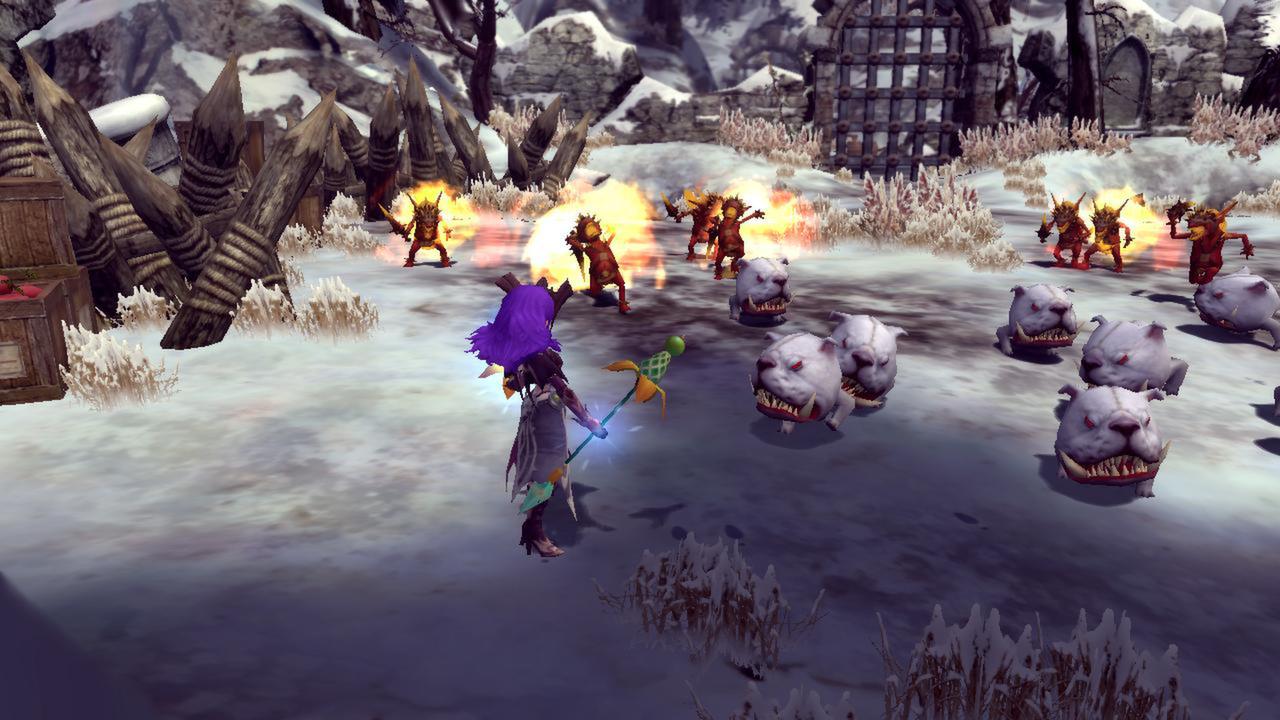
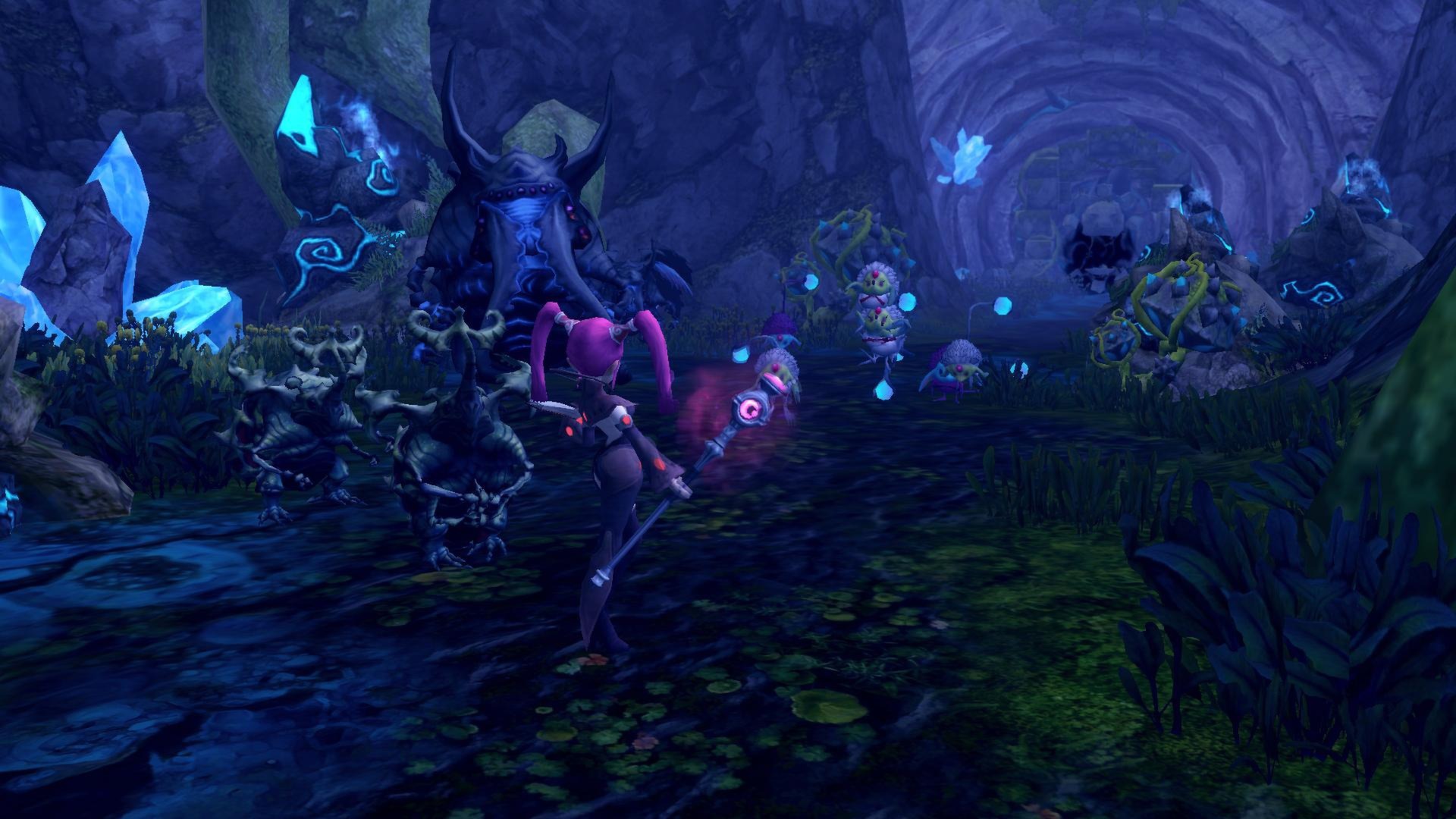
What makes this feeling unique isn’t its frustration—it’s how that frustration mirrors the very themes the game claims to embody. Roguelike tension isn’t just about permadeath; it’s about uncertainty baked into infrastructure. When your connection drops mid-boss rush, when the confirm button resets your entire registration, when your IP is declared “not allowed” despite no change in location—you’re not failing at gameplay. You’re confronting a world where stability is illusory, where progress is non-linear and often revoked without warning. It’s less fantasy escapism, more existential dungeon-crawling: every attempt to log in becomes a ritual of hope and recalibration. You don’t feel heroic—you feel tenacious. Not triumphant—but resolutely present, even when the interface erases itself. That’s the atmosphere: unreliable awe. The spectacle is real—in theory—but it’s always just beyond reach, like light behind frosted glass. You chase it not because it’s guaranteed, but because the chasing itself starts to feel like meaning.
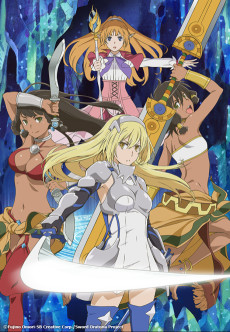
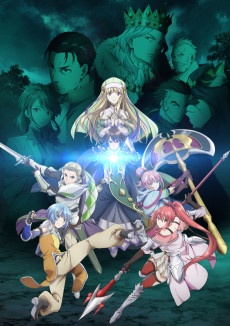
That same pulse thrums in Solo Leveling Season 2 — Arise from the Shadow, where Sung Jin-Woo doesn’t just descend into dungeons—he relearns how to trust the ground beneath him. Every gate he steps through could collapse, every floor could shift, every save point might vanish. His power grows, yes—but so does the weight of systems that refuse to hold. The roguelike dimension isn’t decorative; it’s structural. Like Dragon Nest’s login loop, Jin-Woo’s ascension is punctuated by moments where control evaporates—and what remains is pure, adrenaline-fueled adaptation. Then there’s Demon Slayer: Kimetsu no Yaiba Infinity Castle, where the castle itself betrays logic: corridors twist, time fractures, allies blink out of existence mid-swing. The action spectacle isn’t just flashy—it’s disorienting, echoing Dragon Nest’s visual promise warped by technical instability. You watch Tanjiro slash through illusionary walls, and you remember trying to click “Enter Game” while the screen stayed white—both are battles against environments that refuse coherence. And Is It Wrong to Try to Pick Up Girls in a Dungeon? IV lands with surgical precision: Bell’s growth isn’t linear—it’s studded with setbacks, misfires, and systems (divine blessings, guild politics, dungeon mechanics) that behave unpredictably. His determination isn’t born of ease, but of showing up despite the odds—just like typing your password for the seventh time, hoping this time the server won’t say “IP not supported.”
This pairing isn’t for the casual fan who wants smooth immersion. It’s for the ones who keep alt-tabbing between Discord and the login page, who screenshot their white-screen errors like relics, who name their failed characters after coffee orders (“EspressoFail,” “ColdBrew404”). It’s for viewers who pause Wistoria: Wand and Sword not to admire the magic effects—but to study how the protagonist recalibrates her spellcasting after her wand glitches mid-incantation. It’s for people who feel a quiet kinship with The Unwanted Undead Adventurer’s Ristarte—not because she’s overpowered, but because she keeps forging ahead even when her resurrection mechanic fails twice in one arc. These aren’t stories about flawless victory. They’re about continuing to move your hands across the keyboard, even when the screen stays blank—because the act itself is already a kind of defiance. And maybe, just maybe, that’s where the real dragon’s nest has always been: not in the final boss chamber, but in the stubborn, blinking cursor, waiting.
→26 Anime That Match the Vibe

Jin-Woo’s shadow-draped dungeon dives in *Solo Leveling* Season 2—especially the harrowing Black Monarch trials—mirror Dragon Nest’s relentless, skill-based dungeon crawls where split-second dodges and combo chains define survival. Unlike most fantasy action, both weaponize *Roguelike & Dungeon* tension: no respawns, escalating stakes, and environments that shift with threat level. That shared pulse of claustrophobic spectacle—where every corridor hides a boss and every parry buys seconds—makes their synergy feel visceral, not just thematic.

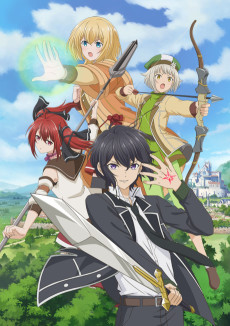
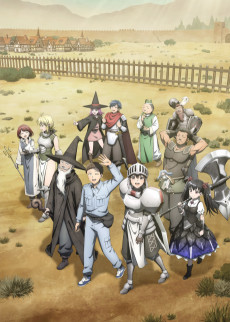
Will’s desperate, magic-less sprint through the academy’s collapsing training dungeon—dodging traps while swinging a borrowed sword—feels ripped from Dragon Nest’s razor-edged dungeon runs. Unlike most fantasy underdog stories, both anchor their action spectacle in tactile, consequence-driven movement: no mana bars, just breathless timing and spatial awareness. That shared roguelike tension—where every misstep risks total reset—makes their worlds vibrate with the same urgent, kinetic heartbeat.
Connected through 2 aesthetic dimensions.
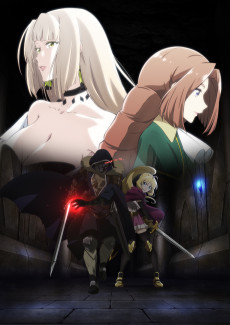
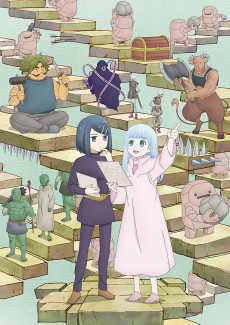
Rentt Faina’s grimy, claustrophobic slime-hunting in the damp underbelly of a frontier town mirrors Dragon Nest’s early-game dungeon crawls—where every corridor pulses with rogue-like tension and split-second dodges. Unlike most fantasy fare that glorifies power-ups, both commit to visceral, weighty action spectacle: Rentt’s desperate parries against oversized goblins echo the game’s screen-filling dragon-slash combos. That shared love for punishing, tactile dungeon rhythm—🎲 Roguelike & Dungeon as lived exhaustion, not just mechanics—makes their synergy unexpectedly raw and resonant.

Alina’s exasperated sigh as she solo-clears a dungeon boss—while still wearing her receptionist badge—mirrors Dragon Nest’s signature blend of high-octane, skill-shot combat and bureaucratic fantasy worldbuilding. Unlike most isekai receptions, her job isn’t just framing device: it’s a structural echo of Dragon Nest’s roguelike dungeon design, where efficiency, timing, and precise dodging define success—not just story beats. This mutual obsession with action spectacle as *labor* makes their synergy unexpectedly sharp: boss fights aren’t spectacles to watch, but tasks to clock out from.

Connected through 2 aesthetic dimensions.

Connected through 2 aesthetic dimensions.

Connected through 2 aesthetic dimensions.

Connected through 2 aesthetic dimensions.
Connected through 2 aesthetic dimensions.









Match Dimensions Explained
❓Frequently Asked Questions
Why is Solo Leveling S2 recommended for Dragon Nest fans?
Because both hit that same adrenaline rush of fast-paced, combo-driven dungeon crawling—like when Sung Jin-Woo unleashes his shadow clones in the Black Monarch arc, it’s pure Dragon Nest energy: flashy, weighty attacks and zero downtime. The Roguelike & Dungeon dimension score (86) nails how Solo Leveling mirrors Dragon Nest’s core loop of descending into escalating threats with escalating power.
Is there an anime adaptation of Dragon Nest?
No official anime adaptation exists—even though the game had rich lore and cinematic boss fights like the Shadow Dragon’s multi-phase arena battle, it never got an anime. That’s why fans lean into shows like Demon Slayer: Infinity Castle, where the Hashira’s synchronized, high-stakes dungeon assault on the Infinity Castle’s shifting floors feels like the Dragon Nest raid you always wished was animated.
How does Is It Wrong to Try to Pick Up Girls in a Dungeon? IV compare to Dragon Nest?
It’s basically Dragon Nest’s cheerful, party-based cousin: Bell’s rapid sword combos and Hestia’s support buffs mirror the game’s class synergy—think of the Warrior’s ‘Dragon Slash’ meeting the Sorceress’s ‘Frozen Orb’ mid-dungeon run. With an 85 on Roguelike & Dungeon + Action Spectacle, it delivers that same tight, reactive combat and vertical dungeon exploration (like the 18th Floor’s collapsing platforms) fans miss from login screens that just… white-screened.
What’s the best anime like Dragon Nest if I want that ‘frustrating but addictive’ dungeon grind vibe?
Go with The Unwanted Undead Adventurer—it captures that exact bittersweet loop: Reincarnated as a skeleton, Roxy keeps dying, respawning, and grinding deeper into the Labyrinth, just like Dragon Nest players who’d finally clear the Abyssal Nest only to get hit by a white-screen login error *right after*. Its 85 Roguelike & Dungeon score reflects that punishing-yet-satisfying rhythm—and yes, the skeleton’s bone-shattering parry animations feel *so* much like Dragon Nest’s hit-stun feedback.