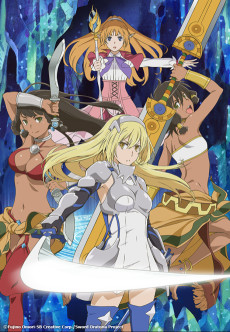
Sword Oratoria: Is it Wrong to Try to Pick Up Girls in a Dungeon? On the Side
Contrary to what the adventures of Bell and the Goddess Hestia might imply, not everyone goes into the dungeon of Orario to pick up girls. The veterans of the Goddess Loki’s Familia have lots of reasons for risking life and limb facing the monsters and mayhem lurking within the deadly labyrinth’s multiple levels, but new member and mage Lefiya just wants to prove that she’s worthy to be on the same team as her hero, the famed sword princess Ais Wallenstein. As for Ais herself, she’s seeking something that no one else even suspects, and she may find it when trouble comes after her from the previously unreached 59th level!
(Source: Sentai Filmworks)
📺Anime Details
📝Editorial Analysis
The clink of Ais Wallenstein’s sword against a goblin’s rusted axe echoes—not as a clash of equals, but as a silence given sound. She doesn’t shout. Doesn’t flinch. Her breath stays even, her posture unbroken, even as the dungeon’s damp stone walls press in and the air thickens with ozone and old blood. Lefiya watches from the periphery, fingers trembling not from fear, but from the sheer weight of witnessing grace that refuses to name itself—no triumph, no pride, just motion refined into something sacred. That moment isn’t about winning. It’s about witnessing worth, quietly, fiercely, without permission.

What makes Sword Oratoria breathe is its reverence for stillness within motion. This isn’t a story about conquest—it’s about devotion worn like armor: Lefiya’s quiet awe, Ais’s stoic discipline, Loki’s wry, protective patience. The dungeon isn’t just a hazard; it’s a cathedral of consequence, where every descending floor deepens the gravity of choice, loyalty, and self-worth. There’s no grand prophecy, no chosen-one fanfare—just women sharpening themselves against stone, steel, and silence. You don’t feel pumped up watching it. You feel hushed. Reverent. Like you’ve stepped into a shrine where courage isn’t loud, but enduring.
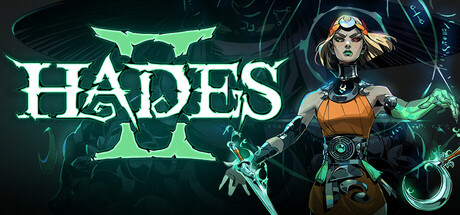
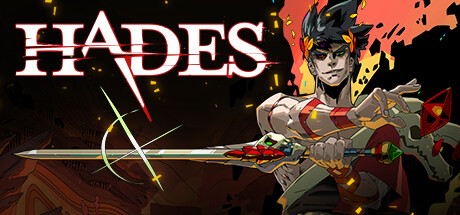
That same hush—tempered by mythic weight and razor-edged action—pulses through Hades. Its description calls it a “rogue-like dungeon crawler” where you “defy the god of the dead,” but the player review confesses something deeper: “I was so close to giving it a negative review, but then I thought that would be unfair…” That hesitation? That emotional whiplash between frustration and awe? It mirrors Lefiya’s early failures—her spells fizzling, her feet slipping on wet stairs—not as flaws, but as sacred stumbles on the path to belonging. Both Hades and Sword Oratoria treat repetition not as grind, but as ritual: each run, each descent, each swing, a quiet reaffirmation of who you are becoming.
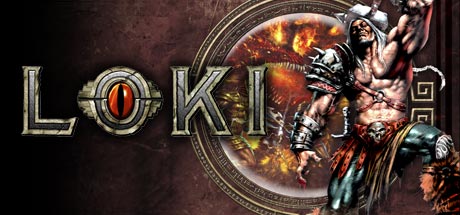
Then there’s Loki, whose description promises a “fantasy voyage through the great mythologies” with heroes drawn from Norse, Egyptian, Greek, and Slavic traditions. One player calls it “good, similar to Diablo… but filled with annoying glitches.” That dissonance—the beauty of the mythic framework undercut by technical fragility—is startlingly familiar. Like when Ais stands alone at the edge of Level 5, her kemonomimi ears twitching at unseen tremors, and the camera holds—not on spectacle, but on the strain in her jaw, the flicker of exhaustion behind her kuudere calm. Loki’s ambition to embody mythology across cultures echoes Sword Oratoria’s own layered pantheon—gods as personalities, not plot devices—and both stumble, tenderly, under the weight of their own reverence. The glitches aren’t just bugs; they’re the cracks where humanity bleeds through divinity.
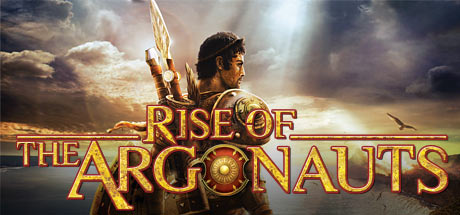
And Rise of the Argonauts, described as a journey where Jason vows to restore his murdered fiancée, lands with the same mythic solemnity: “If you love games based on ancient history this one does it right…” That line—“does it right”—isn’t about accuracy. It’s about emotional fidelity. Like how Sword Oratoria never reduces Ais to “strong female character,” but renders her strength as tired hands re-gripping a sword hilt, as a glance held a half-second too long toward Lefiya’s back as she climbs. Rise of the Argonauts treats myth not as backdrop, but as psychological architecture—grief as compass, legacy as burden. So does Sword Oratoria: every spell Lefiya casts, every step Ais takes downward, is an act of remembrance—not of loss, but of what’s worth carrying forward.
This pairing sings for the viewer who cries during inventory screens—someone who feels the heft of a well-worn sword grip in their palm, who reads a god’s name and hears echo, not exposition. For the player who pauses mid-battle not to strategize, but to watch light catch the edge of a blade—or the way a character’s tail flicks, just once, when they think no one’s looking. For those who know worth isn’t shouted. It’s earned in silence. Carried. And sometimes, just sometimes, reflected back—not in victory, but in the quiet, steady gaze of someone who finally sees you.
🎮19 Games That Match the Vibe
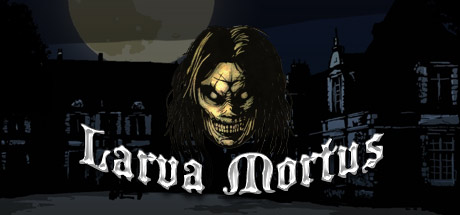
Match Dimensions Explained
❓Frequently Asked Questions
Why is Hades considered the top match for Sword Oratoria despite being Greek myth instead of Japanese fantasy?
Because both lean hard into fast-paced, stylish action combat with heavy emphasis on character-driven banter and dungeon progression—Zagreus’ constant back-and-forth with characters like Nyx and Megaera mirrors Bell’s interactions with Hermes and Aiz in the Labyrinth. Plus, Hades’ roguelike structure (dying, upgrading, re-entering the Underworld) nails that same addictive ‘one more run’ loop as Bell climbing deeper floors of the Dungeon.
Is there a Sword Oratoria anime or game adaptation I can actually play right now?
No official Sword Oratoria game exists—but Larva Mortus is the closest playable experience: you play as a supernatural exorcist hunting monsters in procedurally generated, gloomy dungeons, complete with flashy weapon combos and atmospheric tension reminiscent of the Labyrinth’s eerie floors. Even its review mentions 'fun gameplay loop and nice weapons'—just like Bell upgrading his sword skills and gear across arcs.
How does Dragon Nest compare to Rise of the Argonauts for Sword Oratoria fans who love party banter and mythic worldbuilding?
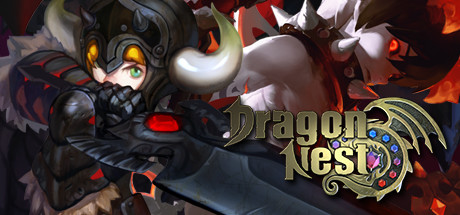
Dragon Nest wins on tone and pacing—it’s got that same high-octane, combo-heavy combat and MMO-style party chatter (think Lili’s teasing or Welf’s earnestness), while Rise of the Argonauts leans heavier into ancient-history gravitas and slower narrative beats. Both score 84, but Dragon Nest’s 'blazingly fast combat and visually stunning attacks' mirror Sword Oratoria’s action scenes far more directly than Jason’s solemn quest.
What’s the best Sword Oratoria-like game if I just want to feel like a lone hero getting stronger while bantering with cool allies in a dangerous dungeon?
Go with Hades—it’s the gold standard for that exact vibe. You’re Zagreus, constantly dying and returning, upgrading your abilities between runs, and trading sharp, evolving dialogue with gods and spirits (like how Bell grows closer to Hermes through repeated Labyrinth runs). Its 85 score and 'Action Spectacle + Roguelike & Dungeon' tags line up perfectly—and unlike Loki or Dragon Nest, it’s rock-solid stable and fully polished.