Loki
A fantasy voyage through the great mythologies, Loki allows the player to take on the role of one of the four heroes of the game, each drawn from a different mythology: a mighty Norse fighter, a fierce Greek warrior, a powerful Egyptian magician or an Aztec shaman who masters the secrets of the spirit world.
🎮Game Details
💬What Players Say
"Good, similar to Diablo..but..filled with annoying glitches and game crashes...."
📝Editorial Analysis
The screen flickers—then blacks out mid-swing. You’re just about to cleave a serpent-headed guardian in the Egyptian temple, axe raised, breath held… and the game vanishes. Not with a fade, not with a cutscene, but with a hard, jarring crash. You sigh, reload, and step back into the same corridor—same torchlight, same hieroglyphs pulsing faintly gold on cracked limestone. There’s no fanfare, no lore dump, no character pause to reflect. Just you, the myth, and the stubborn refusal of the thing to hold itself together long enough to mean something. That’s Loki: a fantasy voyage through great mythologies that feels less like a pilgrimage and more like trying to grip smoke—glorious, ancient, slipping through your fingers every time you reach for weight.
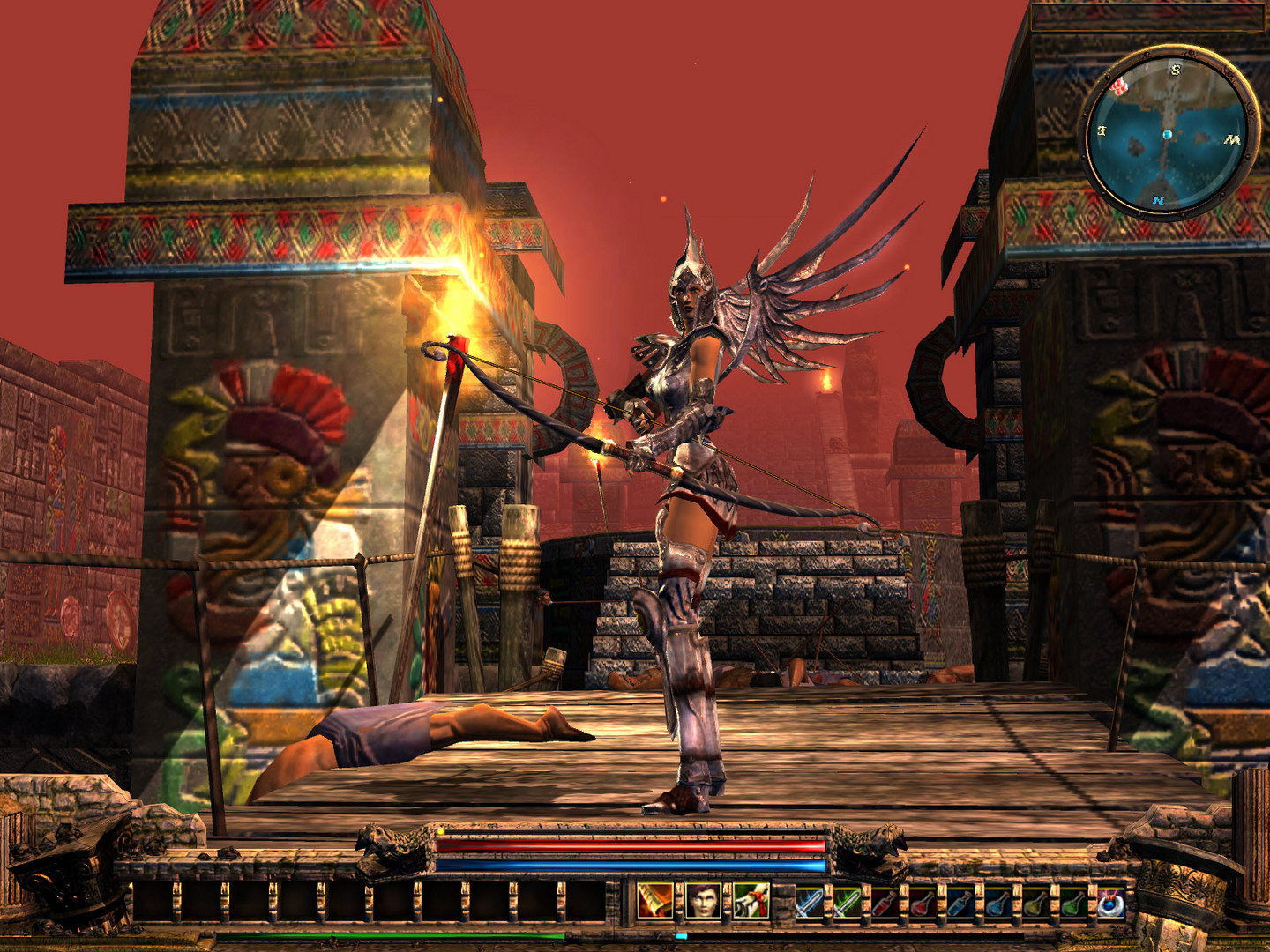
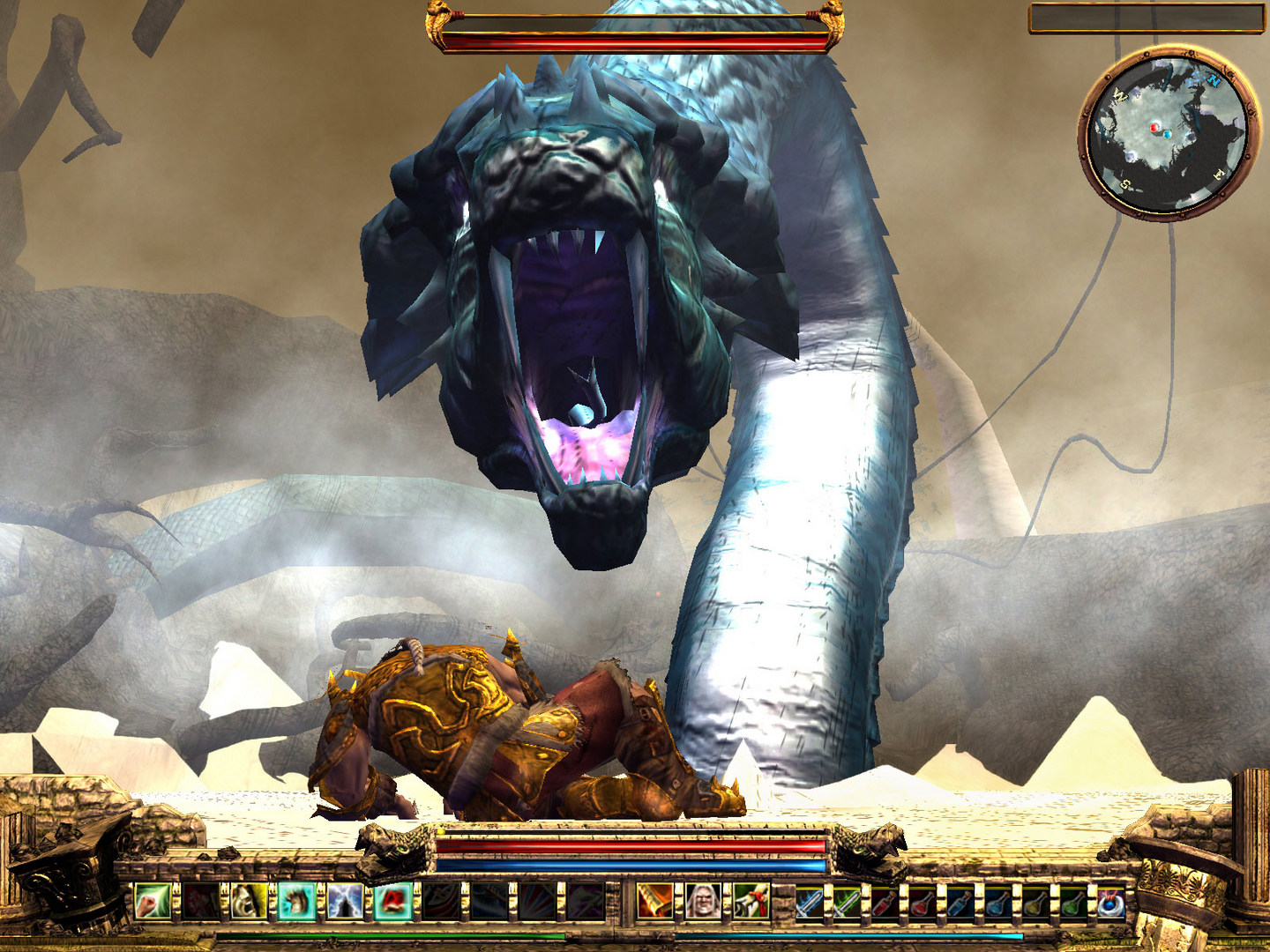
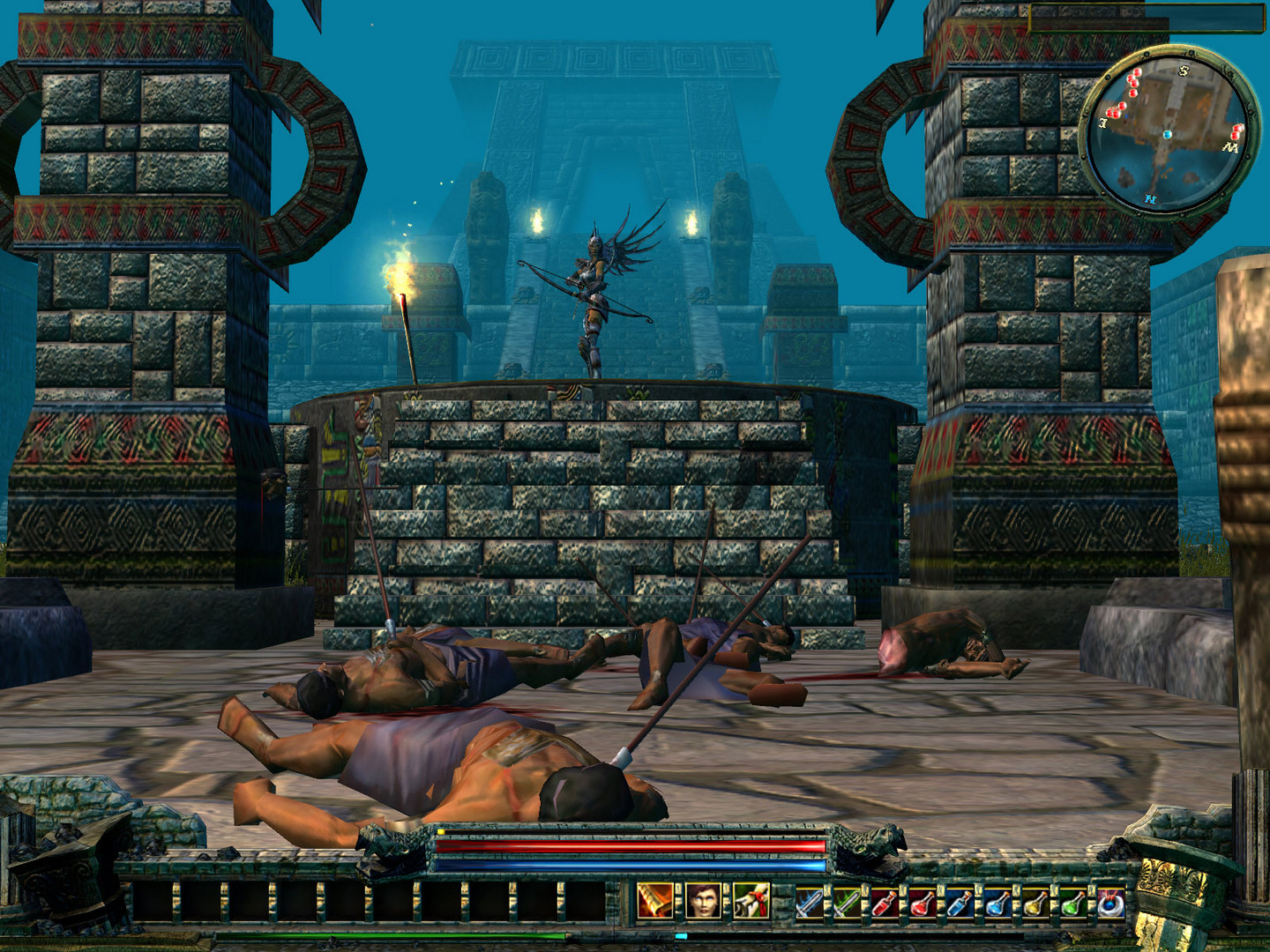
What lingers isn’t the combat—it’s the yearning. You play as a Norse fighter who smells of frost and iron, a Greek warrior whose spear casts long shadows under Mount Olympus’ false dawn, an Egyptian magician tracing glyphs that hum with buried sun-god power, or an Aztec shaman whispering to spir—spir, not “spirits,” just spir, like the word itself is sacred syllable, half-remembered. The official description gives you archetypes, not arcs; the player review confirms it: no climax, no resolution—just myth as atmosphere, as texture, as presence. It doesn’t ask you to believe in its world so much as to breathe its air: thick with incense, salt, volcanic ash, and the ozone crackle before lightning splits the sky. You don’t feel heroic—you feel adjacent to heroism, brushing shoulders with gods who’ve already turned away. That’s the ache: myth not as story, but as echo—vast, beautiful, and fundamentally indifferent.
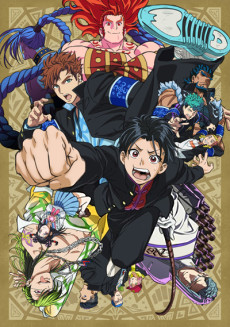
That echo resonates fiercely in Naruto, where chakra isn’t just energy—it’s inherited folklore made muscle and motion. When Naruto rasengans a mountain apart, it’s not spectacle alone; it’s the weight of Uzumaki seals, Sage Toad contracts, and Kaguya’s moonlit exile folding into one kinetic burst. Like Loki, it treats mythology as ambient pressure—not exposition, but gravity. You feel the Nine-Tails’ rage not because it’s explained, but because it shakes the frame, distorts light, makes the ground tremble beneath a boy who’s still learning his own name.
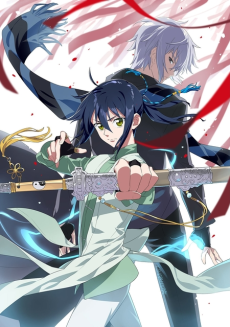
Then there’s Heaven Official's Blessing Season 2, where every gust of wind carries the scent of burnt paper charms and forgotten oaths. Xie Lian doesn’t defeat demons with brute force—he unravels them with memory, with ritual, with the quiet, devastating weight of what was sworn. The action isn’t flashy; it’s ceremonial, deliberate, layered with centuries of unspoken grief. Just like Loki’s Egyptian magician tracing glyphs without translation, or the Aztec shaman calling spir without subtitles—meaning lives in the gesture, not the glossary. The spectacle is the reverence.
And BLEACH: Thousand-Year Blood War - The Conflict—oh, the sheer scale of its mythic architecture. Sternritter abilities aren’t powers; they’re theological concepts weaponized: "The Fear," "The Compulsion," "The Heat." When Yhwach’s blood rewrites reality, it doesn’t feel like a boss mechanic—it feels like scripture cracking open. Like Loki, it trusts you to feel the enormity before you fully parse it. No hand-holding, no recap—the myth is the battlefield, and the fight is how desperately, beautifully, the human heart tries to stand upright inside it.
This isn’t for players who need clean cause-and-effect, or viewers who demand tidy resolutions. It’s for the ones who pause mid-battle to watch dust motes swirl in a sunbeam piercing a ruined temple roof—who feel a pang when a god’s name is spoken just once, softly, in passing—and who know that the most haunting stories aren’t the ones that end, but the ones that keep breathing, long after the screen goes dark.
→101 Anime That Match the Vibe

Naruto’s Nine-Tails chakra cloak—swirling, destructive, and tied to inherited mythic power—mirrors Loki’s Norse fighter channeling primordial Jötunn energy in battle sequences where runes ignite mid-swing. ⚡ Mythology & Folklore binds them: both treat ancient cosmologies not as backdrop but as visceral, embodied force shaping identity and conflict. Unlike most fantasy action, neither sanitizes myth’s duality—Loki’s trickster chaos and Naruto’s cursed legacy reveal how folklore lives in the body, not just the lore.
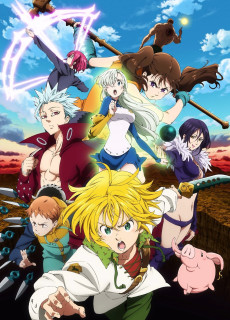
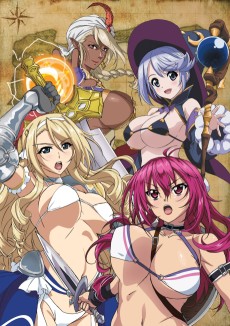
Loki’s Norse warrior charging through Yggdrasil’s fractured branches mirrors Meliodas’ explosive clash with the Ten Commandments in *Revival of the Commandments*—both weaponize ⚡ Mythology & Folklore not as backdrop but as volatile, living grammar for power. Where Loki lets players embody mythic archetypes across cultures, the anime reconfigures Christian and Celtic motifs into visceral, personal stakes—Hawk’s defiant loyalty or Diane’s grief-fueled rampage echoing the game’s thematic weight beneath spectacle. It’s surprising how deeply both treat myth not as nostalgia, but as contested, kinetic force.

Loki’s Norse fighter slashing through frost giants echoes Kafka Hibino’s desperate, lightning-fast dodges as Kaiju No. 8 erupts mid-battle—both weaponize mythic archetypes not as nostalgia, but as visceral, kinetic grammar. ⚡ Mythology & Folklore here isn’t backdrop; it’s structural logic—Odin’s ravens and JSD’s kaiju classification system alike impose order on chaos through inherited narrative scaffolding. Surprisingly, their shared intensity feels less like genre homage than a shared refusal to let myth stay ancient.

Loki’s Norse fighter slashing through Yggdrasil’s roots mirrors Denji’s chainsaw eruption in *Reze Arc*’s Tokyo subway—both weaponize mythic fragmentation as visceral spectacle. Where Loki weaves folklore into playable cosmology, *Reze Arc* fractures the Devil Contract into romantic horror, grounding supernatural stakes in trembling human intimacy. Their shared ⚡ Mythology & Folklore isn’t decorative: it’s structural violence—gods and devils alike betray, bargain, and burst open reality itself.
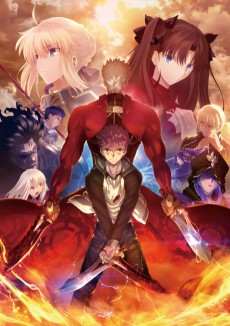
Loki’s Norse warrior charging through Yggdrasil’s fractured branches mirrors Rin Tohsaka’s desperate, lightning-laced spellcraft during the ruined Fuyuki bridge battle—both weaponize ⚡ Mythology & Folklore as visceral, kinetic grammar. Where Loki lets mythic archetypes collide in tactical combat, Unlimited Blade Works 2nd Season fractures those same archetypes: Saber’s captured idealism, Archer’s scorched pragmatism, Caster’s corrupted scholarship—each a warped reflection of mythic sovereignty. That tension—between myth as inherited power and myth as contested narrative—makes their resonance startlingly precise, not just thematic but structural.
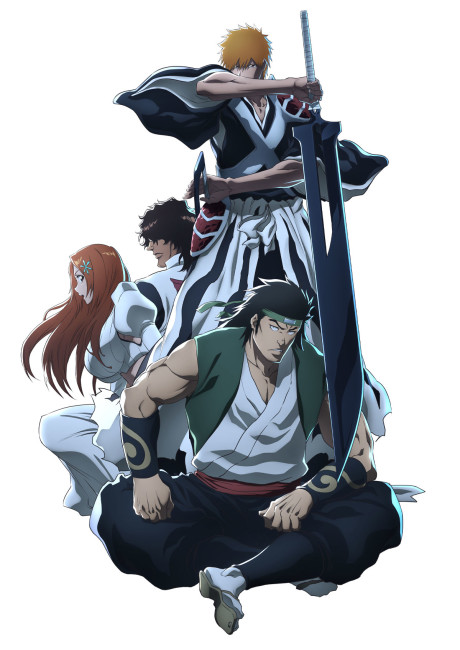
Loki’s frost-bitten Yggdrasil corridors hum with the same mythic gravity as Yhwach’s shattered Quincy throne room in *Thousand-Year Blood War – The Conflict*, where divine lineage isn’t backstory—it’s battlefield architecture. Unlike most action spectacles, both weaponize mythology & folklore not as costume, but as kinetic law: Thor’s hammer-strike and Ichigo’s Getsuga Tenshō each rupture reality according to inherited cosmological rules. That shared insistence—myth as physics, not metaphor—makes their collision of scale and sacred violence startlingly coherent.
Connected through 2 aesthetic dimensions.
Connected through 2 aesthetic dimensions.
Connected through 2 aesthetic dimensions.
Connected through 2 aesthetic dimensions.











![Fate/stay night [Heaven's Feel] I. presage flower](https://s4.anilist.co/file/anilistcdn/media/anime/cover/medium/bx20791-yPCX5GJuMH2k.png)

![Fate/stay night [Heaven’s Feel] III. spring song](https://s4.anilist.co/file/anilistcdn/media/anime/cover/large/bx21719-MSdTlkno0Z0u.jpg)













Match Dimensions Explained
❓Frequently Asked Questions
Why is Naruto on the 'Anime Like Loki' list when it's not about Norse mythology?
Great question—it’s because Loki’s core appeal isn’t just Norse lore, but how *mythology and folklore are reimagined as living, battle-driven worldbuilding*. Naruto nails that: Kurama (the Nine-Tails) is literally a Shinto/Onmyōdō-inspired tailed beast, the Sage of Six Paths arc dives deep into creation myths, and fights like Naruto vs. Pain mirror Loki’s mythic-scale action—think Odin’s sacrifice or Anubis’ judgment made visceral through chakra and jutsu.
Is there an anime adaptation of the Loki video game?
Nope—there’s no official anime adaptation of the 2007 Loki game (the one with the Norse fighter, Egyptian magician, etc.). It’s stayed a cult PC title, though its DNA lives on in anime like *Heaven Official’s Blessing Season 2*, where Xie Lian’s tragic godhood, celestial bureaucracy, and jaw-dropping action (like the Ghost King’s descent in Episode 4) feel like Loki’s mythic combat and world-hopping energy, just animated and expanded.
How does Chainsaw Man: Reze Arc compare to Loki in terms of mythic action?
It’s shockingly close—Loki throws you into mythic battles with high stakes and visual grandeur, and *Chainsaw Man: Reze Arc* delivers that same electric intensity: Reze’s bomb-based powers tie directly to her contract with the Bomb Devil (a modern mythic entity), and the rooftop fight with Aki in Episode 3 has that same chaotic, physics-defying spectacle as Loki’s boss fights—like the Egyptian magician summoning Sekhmet mid-air while dodging sandstorms.
What’s the best anime like Loki if I want that ‘ancient god vs. cosmic chaos’ vibe?
Go straight to *BLEACH: TYBW – The Conflict*. Ichigo’s final clash with Yhwach in the Quincy palace mirrors Loki’s mythic scale—Yhwach literally absorbs divine powers like Odin or Ra, and the fight’s layered symbolism (the ‘Sangvis Ferrum’ realm, the blood moon eclipse) hits the same notes as Loki’s Aztec shaman channeling Quetzalcoatl during the Spiral Storm sequence. It’s mythology *as warfare*, not just backdrop.