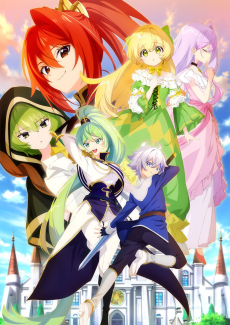
The Aristocrat’s Otherworldly Adventure: Serving Gods Who Go Too Far
Shiina Kazuya is killed protecting a young girl at a convenience store where he just happened to be at the wrong time. The next thing he knows, he's in the kind of world he has only dreamed about--a world of magic and swords! He has been reincarnated as Cain von Silford, the third son of an aristocratic family, and he quickly grows interested in many things he sees. Then, on his fifth birthday, he's baptized at a church according to tradition... and the gods grant him several divine blessings, along with stats that could only be described as unusual and extraordinary! In his reincarnated life, when it comes to things like battles, romance, and studying, apparently a little overkill is just right?! When he puts in the usual effort to do things punctually and properly, it only gets him in trouble... Thus Cain's chaotic life in another world begins!
(Source: Crunchyroll)
📺Anime Details
📝Editorial Analysis
The scent of incense hangs thick and sweet in the cathedral air—warm, ancient, almost suffocating—as five-year-old Cain von Silford kneels on cold marble, tiny hands folded, eyes wide not with piety but wonder. The stained-glass gods loom above him, radiant and indifferent. Then—the light fractures. Not gently, but violently: golden sigils flare across his skin, divine voices roar like collapsing stars, and his small body shudders under blessings he doesn’t understand yet. He isn’t chosen. He’s overloaded. That moment—sacred space turned into a divine pressure chamber—is the anime’s quiet, beating heart.
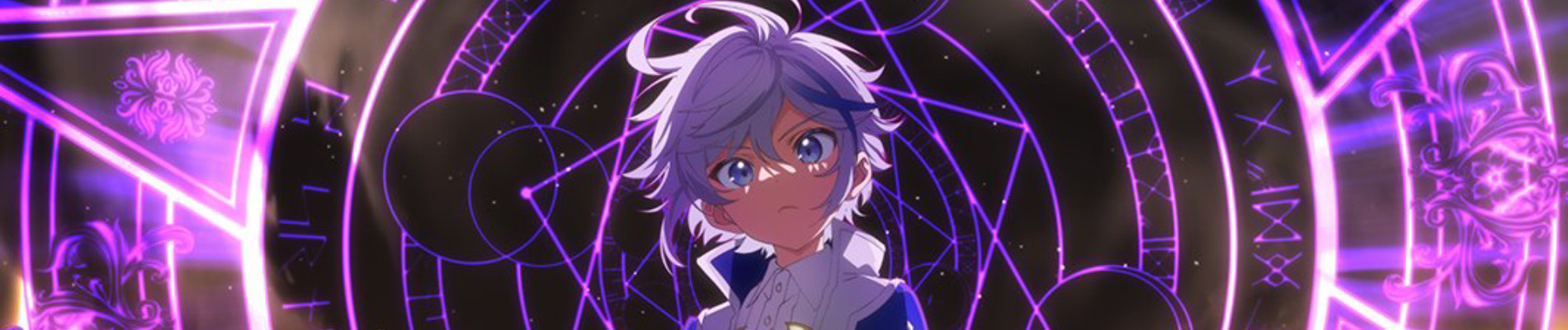
What makes The Aristocrat’s Otherworldly Adventure: Serving Gods Who Go Too Far feel unlike any other is its tonal duality: reverence undercut by absurdity, awe shadowed by exhaustion. It doesn’t treat godhood as distant majesty—it treats it as unmanageable bureaucracy with cosmic side effects. Cain isn’t just blessed—he’s burdened, repeatedly, by deities who mistake devotion for personal convenience. The fantasy isn’t escapist; it’s relatable. You feel the weight of expectation, the quiet panic of being handed infinite power without instruction, the exhaustion of serving beings who treat eternity like a weekend brunch. There’s warmth in the harem’s affection, yes—but deeper still is the weariness of competence demanded before maturity, of love tangled with duty, of magic that solves problems only to create three more. It’s intimate grandeur: gods who kiss your forehead then accidentally rewind your lunch hour.
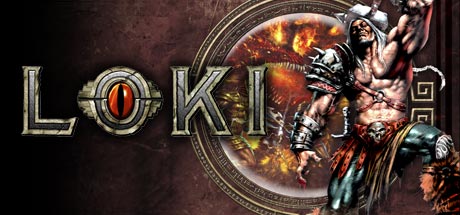
That same emotional texture pulses through Loki, where players step into mythic roles only to find divinity deeply, hilariously flawed. The description calls it a “fantasy voyage through the great mythologies”—and the player review nails the dissonance: “Good, similar to Diablo… but filled with annoying glitches and game crashes.” That’s exactly Cain’s reality—the spectacle is dazzling (Norse fighter! Egyptian priestess!), but the systems are unstable, the rules inconsistent, the stakes undermined by sheer chaos. When Loki’s world stutters mid-battle or the ending fizzles because “nothing happens,” it mirrors Cain’s baptism scene: divine promise delivered with zero quality control. Both make you laugh while clutching your temples—not at the gods’ power, but at their incompetent enthusiasm.
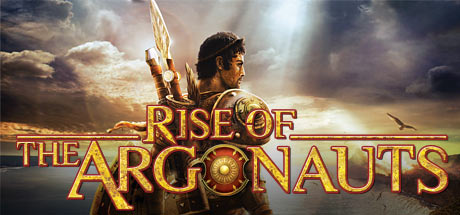
Then there’s Rise of the Argonauts, where Jason’s grief-fueled quest begins with a wedding-day murder and spirals into mythic labor. Its description frames him as a king who “had everything… until she was killed”—a rupture so absolute it shatters his entire ontology. Cain’s origin is quieter but no less seismic: he dies protecting a child at a convenience store, a banal, selfless act that vaults him into a world where gods hand out blessings like party favors. Both protagonists inherit worlds already saturated with meaning—and both must navigate them while carrying the quiet, unspoken weight of what they left behind. The player review says, “If you love games based on ancient history this one does it right…”—and that’s the resonance: not historical accuracy, but emotional archaeology. Cain doesn’t just wield magic—he digs through layers of inherited duty, aristocratic expectation, and divine caprice, much like Jason sifting through ruins for a single thread of hope. Neither story glorifies power—it studies what power does to the person holding it when they’re still learning how to tie their shoes.
This pairing sings to the viewer who keeps a notebook full of half-formed theories about divine accountability, who laughs hardest when a goddess micromanages breakfast menus, who feels a pang watching someone try to be noble in a system rigged against sincerity. It’s for the player who replays cutscenes not for lore dumps, but for the micro-expressions—the flicker of doubt in Cain’s eyes after a blessing, the way Jason’s jaw tightens when asked to “trust the oracle again.” They don’t want flawless worlds. They want lived-in ones, where gods have bad Wi-Fi, heroes forget their own birthdays, and love blooms stubbornly in the cracks between cosmic absurdity and human exhaustion. That’s where the real magic lives—not in the blessings, but in the breath after they land.
🎮2 Games That Match the Vibe
Match Dimensions Explained
❓Frequently Asked Questions
Why is Loki listed as similar to The Aristocrat’s Otherworldly Adventure when it’s so glitchy?
Great question — it’s not the polish that makes them matches, but the shared DNA: both drop you into mythic realms where you serve capricious, high-stakes deities (like Loki’s trickster-god chaos vs. Aristocrat’s overreaching pantheon) and juggle divine mandates mid-combat. Reviewers even noted how Loki’s Norse fighter has to appease gods mid-battle — just like serving a temperamental deity during a ritual scene in Aristocrat’s ‘Ceremony of Unmaking’ chapter.
Is there a manga or anime adaptation of The Aristocrat’s Otherworldly Adventure?
No official manga or anime exists yet — unlike Rise of the Argonauts, which inspired academic lectures on ancient myth retellings but never got an anime. That said, fans keep comparing Aristocrat’s tone to the grounded-yet-uncanny vibe of Rise’s wedding-day tragedy cutscene, where Jason’s grief feels human-scale despite the gods’ interference.
How does Rise of the Argonauts compare to The Aristocrat’s Otherworldly Adventure in terms of god-serving mechanics?
Rise leans into political divinity: you negotiate with gods like Hera and Poseidon through dialogue trees and sacrifice choices that shift your ‘Divine Favor’ meter — think Aristocrat’s ‘Offering of Silent Consent’ minigame, but with stat-based consequences instead of narrative branching. Both force tough calls, like choosing between Athena’s wisdom boon or Ares’ combat surge right before the Colchis temple siege.
What’s the best game like The Aristocrat’s Otherworldly Adventure if I want slow-burn dread and morally grey god interactions?
Rise of the Argonauts nails that vibe — especially in its ‘Oracle’s Price’ arc, where Jason must betray a mortal ally to gain Zeus’s blessing, echoing Aristocrat’s ‘Chalice of Complicity’ chapter. Reviewers praised how Rise makes every divine favor feel transactional and unsettling, not heroic — no glowing halos, just whispered bargains and crumbling temples.