
Symphogear XV
The fifth season of Senki Zesshou Symphogear.
Humanity is finally confronted with the threat of the Custodians—the ancient, sentient species held responsible for cursing humanity to speak different languages thousands of years ago. The Symphogear wielders—Hibiki Tachibana, Tsubasa Kazanari, Chris Yukine, Maria Cadenzavna Eve, Kirika Akatsuki, and Shirabe Tsukuyomi—are sent to the Antarctic in order to retrieve an ancient relic. After securing it and rescuing the scientific staff present there from a Coffin, the automated defense mechanism protecting it, the relic is given to American researchers due to international agreements.
The criminal organization Noble Red, a remnant of the previously fought Bavarian Illuminati, starts targeting the relic. Will the Symphogear wielders and their supporting organization S.O.N.G. be able to foil the plans of the organizations conspiring against them?
(Source: MAL Rewrite)
📺Anime Details
📝Editorial Analysis
The Antarctic wind howls—not just as weather, but as memory. Hibiki Tachibana stands on the ice shelf, Symphogear flaring gold and white, her voice cracking not from strain but from raw, unfiltered recognition: the Custodians’ language isn’t alien—it’s the echo of humanity’s first shared tongue, buried under millennia of fracture. Her scream isn’t battle cry alone; it’s a reclamation, vibrating through frozen strata and synaptic scars alike. That moment—voice as archaeology, music as excavation—doesn’t just advance the plot. It unlocks something in your chest: the ache of being linguistically orphaned, then suddenly heard.

What makes Symphogear XV vibrate at this frequency isn’t its henshin sequences (though they’re dazzling) or even its gods-and-ruins scaffolding—it’s the weight of resonance. Every note sung is a defiance of imposed silence. Every relic retrieved isn’t loot, but a witness. The show treats trauma—brainwashing, loss of identity, linguistic exile—not as backstory to overcome, but as terrain to sing across. You don’t just watch characters heal; you feel the physics of harmony realigning fractured cognition. It’s urgent, yes—but also tender, because the power source isn’t rage alone. It’s the quiet, fierce certainty that when Kirika hums a lullaby mid-battle, or Shirabe re-tunes her harp with trembling fingers after captivity, those gestures aren’t downtime. They’re resistance made melodic.
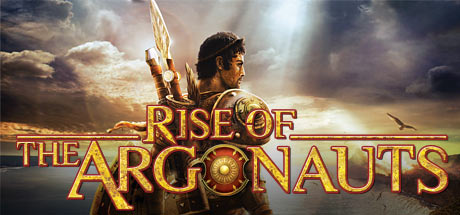
That emotional architecture—the fusion of mythic scale with intimate, bodily vulnerability—finds echoes in games where lore isn’t wallpaper, but living inheritance. Rise of the Argonauts lands with that same mythic gravity: Jason’s vow isn’t abstract heroism—it’s a man clawing back meaning from annihilation, echoing Hibiki’s refusal to let the Custodians define humanity’s origin story as curse alone. The player review notes it “does ancient history right”—and what is ancient history here but the same tension Symphogear XV mines? Not dusty facts, but the emotional residue of foundational myths: betrayal, divine punishment, the desperate quest for restoration. Both treat mythology not as costume, but as psychic infrastructure.
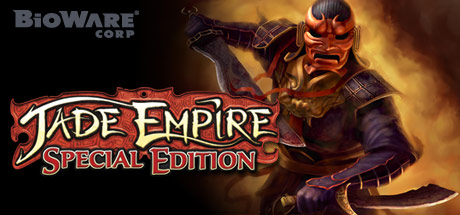
Then there’s Jade Empire™: Special Edition, where your martial path—open palm or closed fist—isn’t just combat style, but ontology. Like the Symphogear wielders whose gear manifests their inner truth (Tsubasa’s shield as loyalty, Chris’s twin blades as duality), your choices in Jade Empire reshape how the world responds to you—not just narratively, but physically, in stance, timing, consequence. The player review’s frustration with technical hurdles (“copy and paste steam.dll”) ironically mirrors Symphogear XV’s own aesthetic: beauty forged through instability. Both demand you lean into the friction—between tradition and reinvention, between discipline and raw feeling—until the boundary blurs.
And Persona 5 Royal? That soundtrack review—“some of the best music I’ve ever heard”—hits the nerve. Because Symphogear XV doesn’t use music as punctuation. It uses it as plot device, as weapon, as therapy. When Maria sings while her gear reassembles mid-air, or when the ensemble harmonizes to shatter a Custodian barrier, it’s not spectacle—it’s embodied cognition. Just like Persona 5 Royal’s daily life/dungeon rhythm forces you to live the duality of surface and self, Symphogear XV makes you feel how harmony isn’t passive—it’s labor, rehearsal, risk. The “seamless transition” the reviewer praises? That’s the same breathless flow Hibiki finds between screaming a lyric and landing a kick—no cutaway, no pause. Just continuity of will.
This pairing isn’t for fans of “cool powers” or “epic lore.” It’s for the person who’s ever whispered a song into a void and needed it to echo back—not perfectly, but recognizably. For the one who reads “orphan” not as tragedy trope, but as origin point: the moment before language, before god, before even grief has a name—and chooses, anyway, to compose. They’ll recognize themselves in Jason’s vow, in the Jade Empire’s silent stances, in the Phantom Thieves’ jazz-infused rebellion—and most of all, in Hibiki’s voice cracking on Antarctic ice—not from weakness, but from the sheer, terrifying weight of finally being understood.
🎮21 Games That Match the Vibe







Match Dimensions Explained
❓Frequently Asked Questions
Why does Symphogear XV feel so different from Prince of Persia even though both have action spectacle and romance/shoujo vibes?
Great question — it’s all about *how* those elements land. Prince of Persia (2008) leans hard into cinematic parkour, poetic voiceover, and a slow-burn, almost fairy-tale romance between the Prince and Elika — think rooftop chases and glowing light magic, not synchronized vocal-powered armor combos. Symphogear XV is pure J-pop bombast: think Miku’s ‘Hibana’ battle theme syncing with Gear activation, or Chris and Tsubasa trading verses mid-air while dodging laser barrages. The ‘romance & shoujo’ dimension here is baked into character dynamics and visual storytelling, not quiet dialogue scenes.
Is there an anime adaptation of Rise of the Argonauts or Loki that’s worth watching if I love Symphogear XV’s mythological energy?
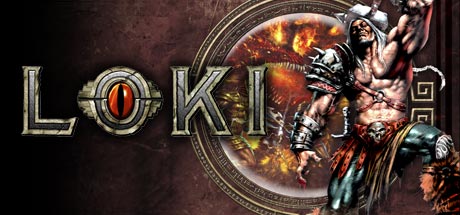
No official anime adaptations exist for either — Rise of the Argonauts stayed a single-game narrative (though Jason’s grief-driven quest to resurrect Medea *feels* like a 24-episode arc), and Loki’s glitch-ridden launch meant no studio picked it up for adaptation. That said, if you love Symphogear’s myth-blending flair, Rise of the Argonauts nails the *vibe*: you’ll command the Argosy ship, recruit heroes like Hercules and Atalanta, and face off against real Greek monsters — all with that same over-the-top, emotionally charged action spectacle (just without the singing).
How does Jade Empire compare to Persona 5 Royal for someone who loves Symphogear XV’s blend of emotional storytelling and stylish combat?
Jade Empire’s martial-arts mastery and moral choice system (Open Palm vs. Closed Fist) give it a deeply personal, almost shoujo-adjacent weight — especially in relationships with characters like Dawn Star or Silk Fox — while its Mythology & Folklore dimension lets you fight celestial dragons and spirit foxes in silk-and-steel kung fu ballet. Persona 5 Royal delivers sharper JRPG polish and that addictive daily-life rhythm (think Ann Takamaki’s confidant scenes mirroring Hibiki’s growth), but Jade Empire’s raw, hand-crafted world and romance & shoujo depth make it feel more like Symphogear’s spiritual cousin in tone — just swapped out J-pop for guqin music and Gear activation for chi bursts.
What’s the best game like Symphogear XV if I’m in the mood for cathartic, high-energy battles with strong female leads and mythic stakes?
Rise of the Argonauts is your best bet — Jason may be the protagonist, but the game’s heart lies in its ensemble of legendary women: Medea’s tragic resurrection arc, Atalanta’s fierce archery and agency, and even Hera’s divine interventions all mirror Symphogear’s focus on women driving mythic change. You’ll duel Cyclopes in volcanic arenas, unlock god-tier powers through loyalty quests, and feel that same *action spectacle* rush — especially during the Argosy’s sea battles or when unleashing Medea’s ‘Wrath of Hecate’ combo. It’s not singing-based, but the emotional weight + mythic scale? Spot-on.