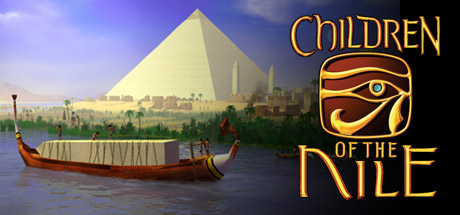
Children of the Nile: Enhanced Edition
Children of the Nile™ is a unique gem of a city-building game, unparalleled in both grandeur and attention to detail.As Pharaoh you will guide your people through thousands of years of history: from simple hunter-gatherers to the creation of an immortal civilization.
🎮Game Details
💬What Players Say
"I can't describe in words how many hours I have lost to this game and how painful it is for me to play right now.. I played this game when it first came out and had way too many "Oh ♥♥♥♥, I have to work in the morning!" moments with it...."
"I want a remake."
📝Editorial Analysis
The sun hangs low over the Nile, gilding the mudbrick walls of your first settlement—just a cluster of huts, a granary, a single priest praying before a crude shrine. You zoom out, and there it is: not a map, but a living breath—a slow, tectonic pulse of people moving, children chasing goats, farmers trudging to fields, priests pausing mid-step to watch a hawk circle overhead. This isn’t simulation as abstraction. It’s presence. You feel it in the quiet dread of that player review: “Oh ♥♥♥♥, I have to wo…” — cut off mid-sentence, mid-panic, because the grain store just emptied and three families are starving right now, and you’re not watching numbers tick—you’re watching faces, tiny but unmistakably alive, standing still at their doorways, waiting. That’s the game’s heartbeat: Children of the Nile: Enhanced Edition doesn’t ask you to manage resources. It asks you to witness consequence.
What makes this atmosphere singular isn’t scale—it’s weight. Not the weight of war or empire-building spectacle, but the weight of continuity: thousands of years folded into one riverbank, one lineage of names passed down, one shrine rebuilt seven times across generations. You don’t “win.” You endure. You watch your first scribe become your first high priest, then his son, then his grandson—each with distinct walking animations, idle gestures, even subtle posture shifts as they age. There’s no UI fanfare when someone dies. Just silence where they stood. Then, later, a new child appears near the same well—same hair color, same way of tilting their head. The game doesn’t tell you it’s the grandson. It trusts you to recognize it. That’s the feeling: reverence, not control; tenderness, not triumph. You think about time not as progress, but as sediment—layered, irreversible, sacred.
That same emotional gravity hums through Chainsaw Man – The Movie: Reze Arc, not in its gore or chaos, but in how it treats myth as breathing infrastructure. Reze isn’t just a weaponized devil—she’s a living relic, her body stitched from folklore, her grief echoing ancient rites. Like the priests in Children of the Nile: Enhanced Edition, she moves with ritual precision, every gesture weighted by inherited meaning. Both anchor the supernatural in domestic rhythm: Reze cooking curry while humming an old lullaby; your priest sweeping temple steps at dawn, same motion, same angle, for thirty in-game years. Same dimension: Mythology & Folklore—not as backdrop, but as muscle memory.
Then there’s Kaiju No. 8, where bureaucracy meets divinity. Kafka’s unit files reports on kaiju migration patterns like civil servants tracking Nile floods—maps annotated, grain yields cross-referenced with seismic tremors. The kaiju aren’t just monsters; they’re environmental forces, as inevitable and cyclical as the river’s inundation. When soldiers reinforce levees against a kaiju surge, it mirrors your frantic wall-building before the annual flood—same Tactical Warfare dimension, same exhausted pragmatism. No grand speeches. Just hands in the dirt, orders whispered over crackling comms, sweat stinging eyes. Both treat survival as craft, not conquest.
And Laughing Under the Clouds—oh, that quiet ache. The Kumo brothers don’t wield swords to dominate. They guard shrines, mend roofs, light incense for ancestors who never appear on screen—but whose absence shapes every frame. Like your first farmer, who walks past the same baobab tree for seventeen seasons, never speaking, never changing direction—until one day he doesn’t walk past it at all. The game doesn’t mark his death. It just leaves the path empty. That’s the shared pulse: Mythology & Folklore as absence made visible, Tactical Warfare as daily vigilance. Not fighting gods—but making sure the lamp stays lit for them.
This pairing isn’t for the lore-digger who collects mythic trivia, nor the strategist who optimizes DPS. It’s for the person who pauses mid-battle in Fate/Grand Order: First Order not to check NP charge, but to watch Mash adjust her glove—again—the same nervous flick of her thumb, the same slight dip of her shoulders, like your own scribe rubbing ink-stained fingers raw after copying the same hymn for twelve hours. It’s for the viewer who cries when a side character in Rage of Bahamut: Virgin Soul quietly refills a water jug for the third time that episode, because they know—know—that jug will be shattered in the siege tomorrow, and no one will name the hand that held it. These are works for those who love stillness that thrums, for whom devotion looks less like a vow and more like showing up, again and again, at the same cracked step, same sun-bleached wall, same riverbank—tending.
→34 Anime That Match the Vibe

Pharaoh’s gaze sweeps over a bustling Nile district where priests chant hymns to Ra—while Kaiju No. 8’s Kafka Hibino dodges rubble mid-transformation beneath Tokyo’s shattered skyline. Mythology & Folklore binds them: ancient Egyptian cosmology shapes civic ritual and divine mandate in Children of the Nile, just as Japan’s kaiju threat reconfigures Shinto-infused duty and sacrifice in the Defense Force’s chain of command. Unlike most tactical media, neither reduces warfare to spectacle—it’s intimate, logistical, and steeped in cultural weight.
Connected through 2 aesthetic dimensions.

Connected through 2 aesthetic dimensions.
Connected through 2 aesthetic dimensions.
Connected through 2 aesthetic dimensions.

Connected through 2 aesthetic dimensions.
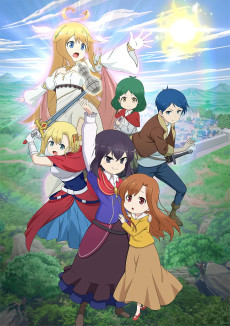
Connected through 2 aesthetic dimensions.

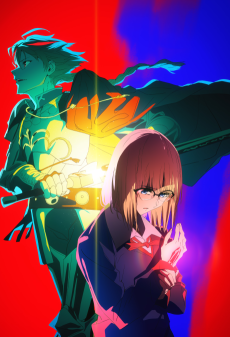
Pharaoh’s trembling hand hovering over the Nile flood gauge mirrors Denji’s raw, visceral panic before Reze’s blade—both confront divine-scale forces through fragile human agency. Where *Children of the Nile* grounds myth in granular civic ritual—priests appeasing Hapi amid crop failures—*Chainsaw Man: Reze Arc* weaponizes folklore as intimate, bloody negotiation: Reze’s devil contract isn’t abstract theology but a ticking, romanticized countdown. This shared tension between tactical warfare and lived mythology makes their resonance startlingly humane—not epic spectacle, but sweat, sacrifice, and the weight of promises made to powers you barely understand.
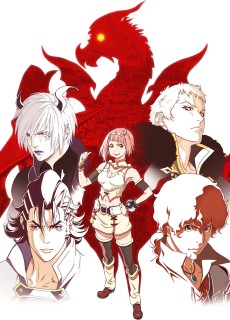
Pharaoh’s silent gaze across the Nile’s shimmering expanse mirrors Flat Escardos’ calculated stillness before a Servant summon—both moments pulse with mythic weight, not spectacle. Unlike most tactical narratives fixated on battlefield choreography, *Children of the Nile: Enhanced Edition* and *Fate/strange Fake* root warfare in layered mythological infrastructure: temple rituals shape civic loyalty as surely as True Names anchor Servant contracts. This resonance in **Mythology & Folklore** feels quietly revolutionary—a rare pairing where divine bureaucracy and historical reverence carry the same strategic gravity.

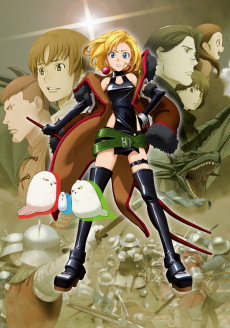
Pharaoh’s silent gaze over the Nile’s shimmering expanse mirrors Mash Kyrielight’s trembling resolve as she raises her shield in the Singularity’s crumbling Colosseum—both moments anchor mythic stakes in intimate, tactile vulnerability. Where *Children of the Nile* grounds ⚡ Mythology & Folklore in granular civic ritual—priests pacing temple courtyards, farmers coaxing barley from silt—*Fate/Grand Order: First Order* fractures that same reverence through time-warped spectacle, yet shares its reverence for legacy as lived labor. Surprisingly, their tactical depth emerges not in combat alone, but in managing fragile human systems under divine weight.





![Fate/stay night [Heaven's Feel] I. presage flower](https://s4.anilist.co/file/anilistcdn/media/anime/cover/medium/bx20791-yPCX5GJuMH2k.png)



Match Dimensions Explained
❓Frequently Asked Questions
Why does Chainsaw Man: The Movie – Reze Arc show up in 'Anime Like Children of the Nile: Enhanced Edition'?
It’s not about gore or comedy—it’s the layered mythological scaffolding and tactical urban warfare that mirrors CotN’s depth: Reze’s precise, almost architectural manipulation of her environment (like sealing off streets during her fight with Aki) echoes how you’d zone districts and control citizen flow in Thebes. Plus, both treat ancient Egyptian motifs as living systems—not just backdrops—but active forces shaping strategy and story.
Is there an anime adaptation of Children of the Nile: Enhanced Edition?
No—there’s never been an official anime adaptation, and none is announced. But fans keep hoping: one reviewer literally begged for a remake, and the match list leans hard into mythic worldbuilding (like Fate/Grand Order: First Order’s meticulous re-creation of historical pantheons and ritual combat), which feels like the closest spiritual cousin to CotN’s blend of archaeology and divine bureaucracy.
How does Kaiju No. 8 compare to Children of the Nile: Enhanced Edition in terms of city-building vibes?
Kaiju No. 8 doesn’t build cities—but it *protects* them with the same granular, systemic care: think of Kafka’s squad coordinating evacuation routes, resource allocation, and structural reinforcement during the Tokyo Kaiju attack (Episode 12), mirroring how you’d assign laborers, manage grain silos, and reinforce walls against sandstorms in CotN. Both treat the city not as scenery, but as a breathing, fragile organism you’re constantly optimizing.
What’s the best anime on this list if I love CotN’s slow-burn civilization-building and quiet reverence for daily life?
Laughing Under the Clouds—especially its focus on the Kumo family’s secluded mountain compound, where rituals, seasonal harvests, and intergenerational mentorship unfold with unhurried gravity. When Ginko tends the herb garden while reciting Shinto prayers (Episode 5), or when the brothers map patrol routes by moon phase, it captures CotN’s soul: civilization as sacred routine, not spectacle.