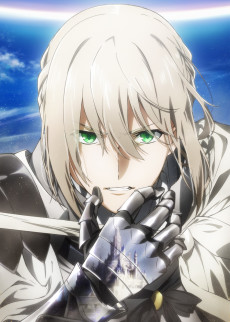
Fate/Grand Order Divine Realm of the Round Table: Camelot - Wandering; Agateram
📺Anime Details
📝Editorial Analysis
The wind doesn’t whistle—it scours. Sand grits between teeth, stings raw eyes, and carries the low, metallic tang of rusted iron from broken chains. In Fate/Grand Order Divine Realm of the Round Table: Camelot - Wandering; Agateram, there’s a moment where a fugitive staggers across dunes under a bleached sky, spear in hand, not as a hero but as something unmoored: no banner, no oath left intact, just breath, blistered feet, and the weight of a kingdom that crumbled behind him. That’s not spectacle—it’s exhaustion made visible, tragedy worn like sun-bleached leather.
This isn’t fantasy as escape. It’s fantasy as reckoning. The desert isn’t backdrop—it’s presence: vast, indifferent, eroding. Slavery isn’t backstory—it’s bone-deep, woven into the rhythm of forced marches and silenced voices. Kingdom management here isn’t about menus or resources—it’s about watching loyalty fray like rope soaked in saltwater, watching ideals calcify into dogma, then shatter. You don’t feel awe—you feel dread, slow and certain, like sand slipping through clenched fingers. And beneath it all: fugitive urgency, archery that pierces silence before sound arrives, swordplay that’s less dance than desperate arithmetic—every parry a delay, every thrust a gamble against time running out.
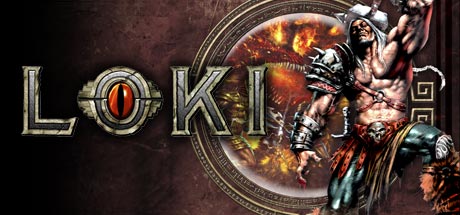
Loki resonates—not because of its Norse fighter or mythic scope, but because of its action spectacle layered over mythology & folklore that refuses tidy resolution. The player review calls its ending “anticlimactic since nothing happens”—and that’s the point. Like Wandering; Agateram, Loki trades catharsis for lingering dissonance: gods fall, worlds burn, but the cycle doesn’t close—it drifts. Both refuse the clean arc. They leave you with echoes, not answers—just as Camelot’s ruins don’t end the story, they deepen the question: what does it mean to carry duty when the throne is dust?
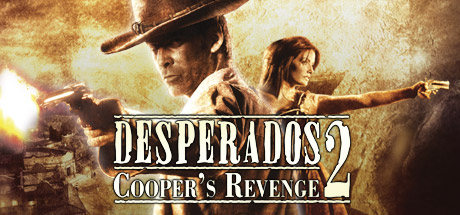
Desperados 2: Cooper's Revenge matches on tactical warfare and Western & Frontier—but look closer. Its description cites “brand new tactical possibilities in a beautiful 3D environment,” and the player review notes it was “made during a time when everything…”—unfinished, implying fragmentation, legacy interrupted. That mirrors Wandering; Agateram’s structure: no grand army, just small groups moving covertly, using terrain, timing, and sacrifice—not brute force. Every ambush, every feint, every silent takedown echoes the anime’s fugitive logic: survival hinges on reading shadows, anticipating betrayal, choosing when not to strike. It’s not war as glory—it’s war as calculation under pressure, where one misstep unravels everything.
Assassin’s Creed™: Director’s Cut Edition lands on political thriller, dark fantasy, and tactical warfare. Its description declares it “redefines the action genre” by merging “next-gen” ambition with narrative weight—and the player review admits its models are “dated but no issues with me.” That tension—between aged texture and enduring resonance—is Wandering; Agateram’s soul. The anime’s medieval world feels lived-in, not polished: cracked stone, frayed banners, faces etched by drought and doubt. Like early Assassin’s Creed, it treats ideology as weaponized architecture: towers aren’t just tall—they’re surveillance; roads aren’t just paths—they’re choke points; loyalty isn’t abstract—it’s measured in who shares water, who breaks bread, who looks away. Both make politics physical, tactile, inescapable.
This pairing isn’t for fans of triumph. It’s for those who ache for stories where hope isn’t a destination—it’s a flicker in the throat when you’re too tired to swallow. For players who replay Desperados 2 not for victory, but to perfect the silence between footsteps. For viewers who rewatch Wandering; Agateram’s final desert shot—not waiting for rescue, but feeling the wind strip another layer off certainty. They love the weight of consequence, the grit of survival, the hollowness after the last vow breaks. Not heroes. Not kings. Just people walking—wandering—through ruins they helped build, carrying nothing but memory, spear, and the terrible, beautiful clarity of having nothing left to lose.
🎮71 Games That Match the Vibe
















Match Dimensions Explained
❓Frequently Asked Questions
Why is Assassin's Creed listed as similar to Fate/Grand Order: Camelot despite being so old?
It shares that same brooding, politically charged Dark Fantasy vibe—think of Altair’s stealthy rooftop assassinations echoing Mash’s quiet resolve or the Ishtar Temple cutscene’s mythic weight. The Tactical Warfare layer (like lining up guards before a silent takedown) mirrors Camelot’s careful party positioning during boss fights like the final battle with Mordred in ‘Wandering; Agateram’.
Is there a mobile game adaptation of Rise of the Argonauts like Fate/Grand Order?
No—Rise of the Argonauts was a 2008 console/PC exclusive with no mobile port or gacha adaptation. Unlike FGO’s mobile-first design and daily login events, it’s strictly single-player, with Jason’s mythic quest unfolding through fixed story beats—like retrieving the Golden Fleece in Colchis—no summon banners or stamina systems.
How does Helldorado compare to Fate/Grand Order: Camelot in terms of tone and pacing?
Helldorado leans hard into Western & Frontier grit—think tense standoff moments in Santa Fe’s dusty streets, where your outlaw squad’s timing matters just as much as Camelot’s turn-based command chains—but swaps mythic grandeur for grounded moral ambiguity. No heroic speeches from Artoria or divine revelations like the Holy Sword’s awakening; instead, you’re chasing kidnappers with revolvers and dynamite, not wielding Noble Phantasms.
What’s the best game like Fate/Grand Order: Camelot if I want that same melancholy, myth-soaked atmosphere but with action-heavy combat?
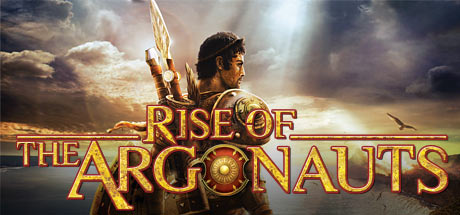
Rise of the Argonauts nails it—Jason’s grief-fueled journey across Greek mythlands (Crete’s labyrinth, Mount Olympus’ storm-wracked peaks) echoes Camelot’s tragic weight, and its real-time melee combos + magic bursts feel like FGO’s Arts/Buster/Quick system translated into sword swings and lightning strikes. Player reviews even call out how it ‘does ancient history right,’ just like Camelot’s reverence for Arthurian lore.