
Hollow Knight
Forge your own path in Hollow Knight! An epic action adventure through a vast ruined kingdom of insects and heroes. Explore twisting caverns, battle tainted creatures and befriend bizarre bugs, all in a classic, hand-drawn 2D style.
🎮Game Details
💬What Players Say
"-Beautiful art style. -Great OST. -Lovely story...."
"Okay this game has completely blown me away! I was never a fan of 2D Metroidvania games and this one has definitely made me change my mind and more. This game has one of the best environmental story telling I have ever seen in video games or even other forms of media...."
"(I rank with a 5 star system) Overall Impression Hollow knight is a 2D Metroidvania that I didn’t think much of in the year 2026 considering where gaming is today. I was completely wrong. This game I felt was so simple has become one of my all-time favorite games...."
📝Editorial Analysis
The silence after the Nailmaster’s final blow—the way your knight stumbles back, breath ragged, the cavern walls dripping slow amber ichor while the music fades into a single, trembling piano note—that’s Hollow Knight. Not the combat, not the upgrade path, but that suspended, aching stillness: the weight of a ruined kingdom pressing in from every shadowed corner, the hand-drawn ink bleeding at the edges of the screen like old parchment left too long in damp air. It’s in the official description’s “vast ruined kingdom of insects and heroes,” yes—but it’s in the player reviews, too: the “beautiful art style,” the “lovely story,” the awe in “this game has one of the best environmental story t…”—cut off mid-thought, as if even typing it feels too fragile.
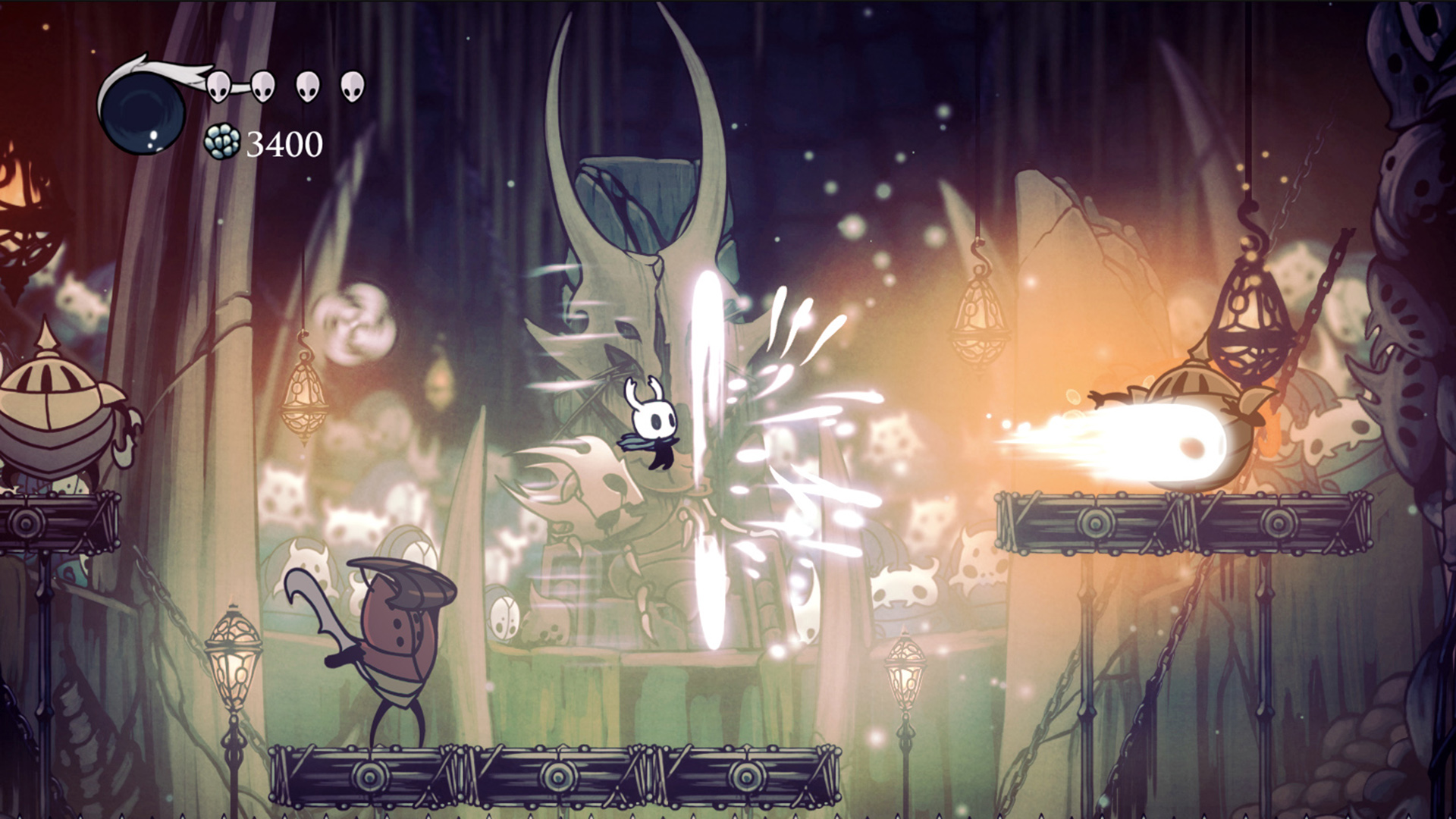
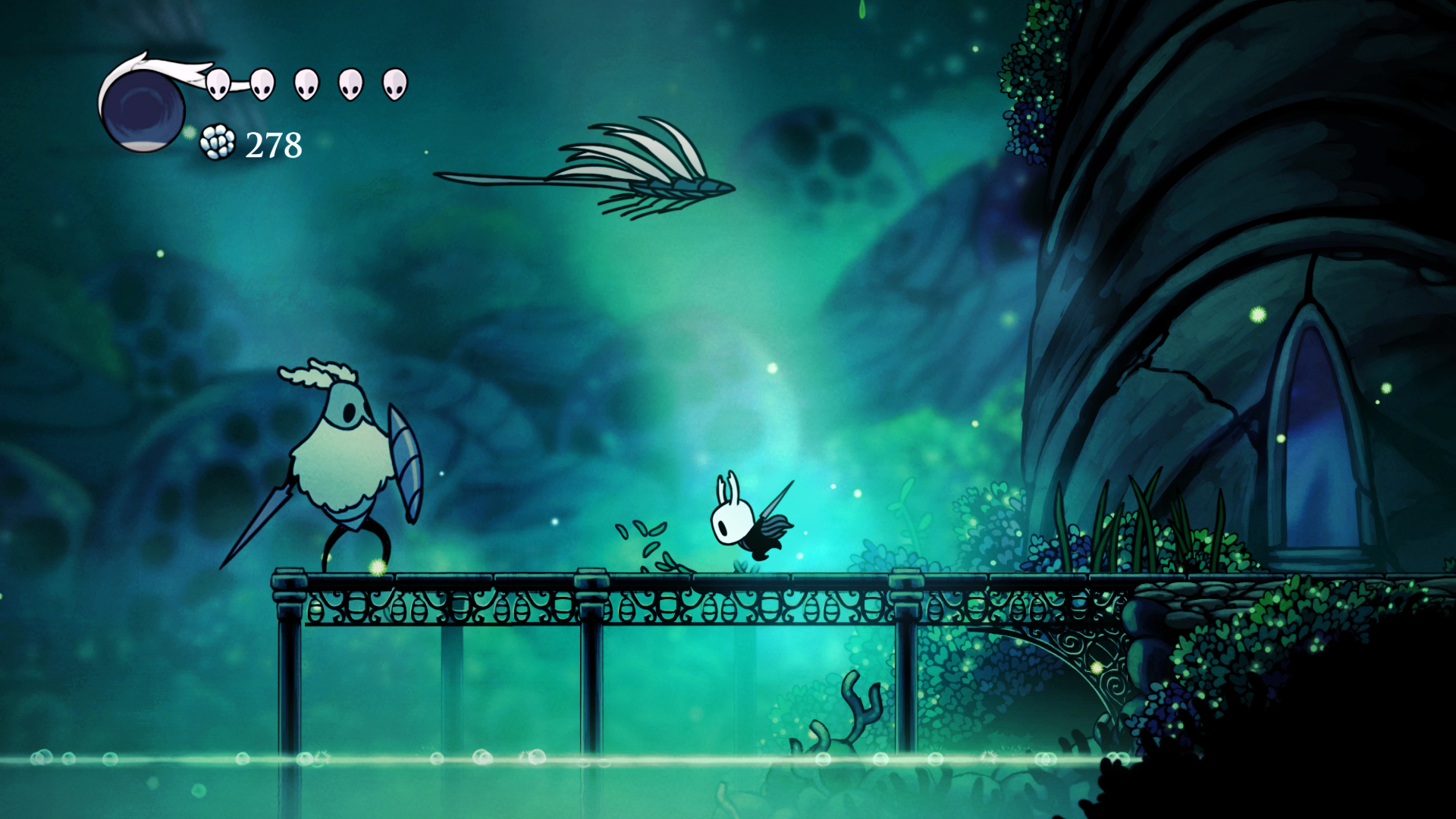
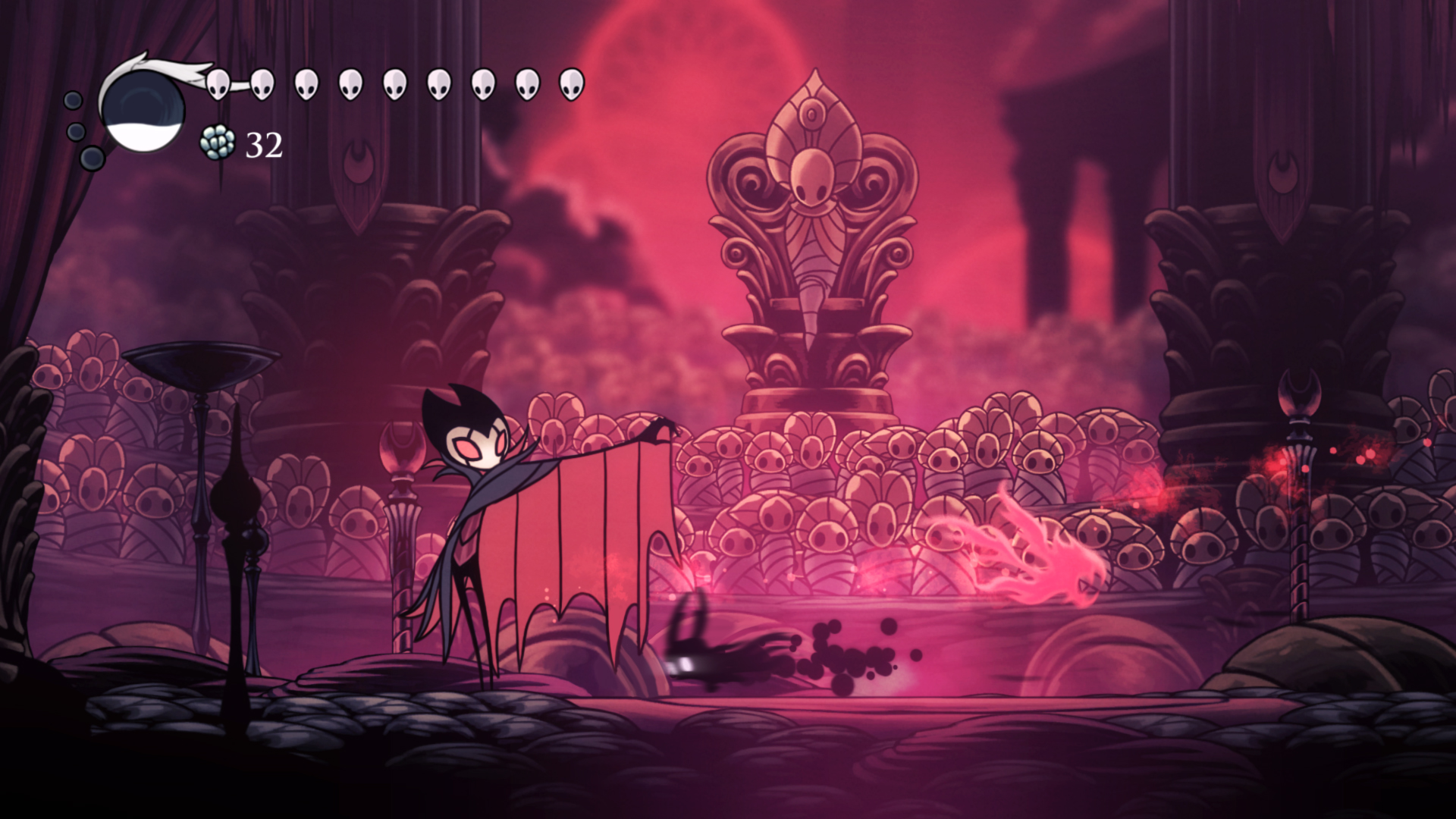
This isn’t just melancholy—it’s melancholic exploration: a feeling where every corridor you descend, every moss-choked statue you pause before, every abandoned lantern flickering with no one to tend it, asks you to hold two truths at once—that something sacred was lost, and that meaning still waits, buried not in answers, but in attention. The gameplay is hard, yes—but the difficulty isn’t punitive; it’s reverent. Each death feels like kneeling before the scale of time itself. You don’t conquer the world—you learn its grammar. The OST doesn’t swell on cue; it breathes like wind through hollow reeds, leaving space for your own quiet grief, your own slow dawning of connection. It makes you think about legacy not as triumph, but as residue—what lingers when purpose frays, when devotion curdles, when memory becomes architecture.
That emotional DNA pulses strongest in Frieren: Beyond Journey’s End, where every snowfall over a forgotten battlefield, every silent glance across centuries, mirrors Hollow Knight’s reverence for duration and decay. Both treat time not as a plot device but as a presence—thick, slow, tenderly devastating. The dim “Melancholic Exploration” isn’t passive wandering; it’s Frieren tracing the grain of an old doorframe her companions no longer recognize, just as you trace the chipped glyphs beside the City of Tears’ broken fountain—same hush, same ache of love measured in absence.
Then there’s Demon Slayer: Kimetsu no Yaiba, whose “Dark Fantasy” isn’t just blood and blades—it’s the way Tanjiro kneels in ash after a battle, not celebrating, but witnessing: the ruined tatami, the wilted camellia, the quiet horror beneath the beauty. Like Hollow Knight, it renders horror with exquisite delicacy—the swirl of a demon’s mask, the fractal precision of a moth’s wing, the way light catches dust motes in a derelict shrine. Both understand that true darkness isn’t absence of light—it’s light struggling, flickering across surfaces worn thin by sorrow.
And Spice and Wolf, often misread as gentle commerce fantasy, carries the same “Dark Fantasy” undercurrent: the rot beneath guild charters, the quiet desperation in a merchant’s ledger, the way Holo’s ancient eyes hold millennia of vanished forests and fallen gods. Its “Melancholic Exploration” lives in the creak of wagon wheels on rain-slicked stone—not as backdrop, but as heartbeat. Like Hollow Knight, it trusts silence more than exposition; lets a half-remembered lullaby or a rusted key tell more than any monologue ever could.
These pairings aren’t for people who want lore dumps or cathartic victories. They’re for the ones who linger in train station platforms after everyone’s boarded, who reread letters folded too many times, who feel the weight of a name carved into bark and wonder who held the knife—and why they stopped. They’re for players who replay the Abyss not for speedruns, but to sit beside the Shade Soul, listening to its hum; for viewers who watch Frieren’s hand hover over a sleeping Fern’s hair—not to touch, but to remember the shape of a gesture made decades ago. It’s for those who know that the deepest stories aren’t told in words, but in the space between breaths—in the hollow where meaning gathers, soft and certain, like dust settling in sunlit ruin.
→219 Anime That Match the Vibe

Frieren’s quiet walk through snow-draped ruins—where centuries of memory cling to stone like Hollow Knight’s decaying Abyssal architecture—makes melancholic exploration feel like shared breath between mediums. Where Hollow Knight’s Nailmaster Oro teaches sacrifice without fanfare, Frieren’s grief over Fern’s fleeting human lifespan deepens the same dark fantasy truth: heroism lives in stillness after the final blow. This resonance isn’t coincidence—it’s two masterworks treating emotional narrative not as subplot, but sacred architecture.

Nezuko’s silent, bloodstained resilience beside Tanjiro mirrors the Knight’s wordless pilgrimage through Hallownest’s decaying ruins—both embody 🌿 Melancholic Exploration not as passive sorrow, but as quiet, bodily endurance. Where Demon Slayer’s Swordsmith Village arc lingers on scarred hands reforging blades amid ash and memory, Hollow Knight’s City of Tears echoes with rain-slicked grief and the weight of inherited duty. This resonance feels startling: two stories steeped in loss, yet finding sacredness not in triumph, but in the tender, stubborn act of continuing.

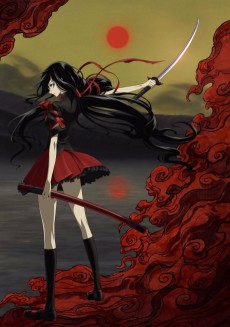
Dark worlds where beauty and brutality coexist — every victory comes at a cost.

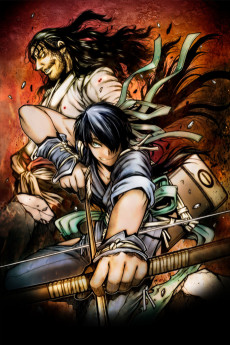
Dark worlds where beauty and brutality coexist — every victory comes at a cost.

A quiet market square in *Spice and Wolf*, where Lawrence counts coins beside Holo’s knowing gaze, hums with the same melancholic exploration that lingers in Hollow Knight’s abandoned City of Tears—rain-slicked ruins echoing with lost prayers. Unlike most fantasies fixated on conquest, both dwell in the weight of memory: Holo’s ancient sorrow mirrors the Hollow Knight’s silent sacrifice, each story finding dignity in decay. This resonance isn’t superficial—it’s dark fantasy rooted in quiet reverence for what endures after empires fall.

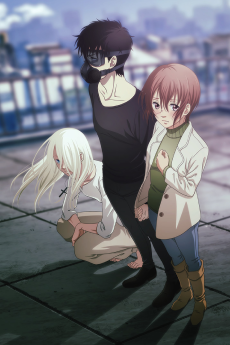
Where Hollow Knight’s silent, ash-choked ruins of Hallownest whisper decay and forgotten gods, *Interspecies Reviewers*’ neon-lit brothel reviews pulse with weary, darkly comic intimacy—both steeped in 🌿 Melancholic Exploration. Despite their tonal chasm, they share a profound preoccupation with marginalized bodies: the Hollow Knight’s hollowed-out shell mirrors the reviewers’ tender, non-judgmental gaze upon stigmatized monster girls. That quiet reverence—for brokenness, for otherness—is what makes their resonance so unexpectedly poignant.

Melancholic exploration binds Hollow Knight’s decaying, insectoid ruins to *The Rising of the Shield Hero* Season 4’s Q’ten Lo arc—where Raphtalia’s quiet resolve amid political betrayal mirrors the Knight’s silent traversal of Hallownest’s hollow cathedrals. Unlike most dark fantasy pairings, neither work romanticizes power; instead, both anchor their weight in fragile bonds—Raphtalia’s loyalty tested by assassins, the Knight’s connection to Zote or Hornet fraying in silence. This shared restraint makes their sorrow feel earned, not ornamental.
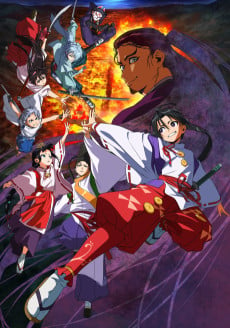
Dark worlds where beauty and brutality coexist — every victory comes at a cost.

Dark worlds where beauty and brutality coexist — every victory comes at a cost.
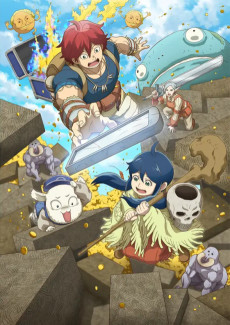
Dark worlds where beauty and brutality coexist — every victory comes at a cost.



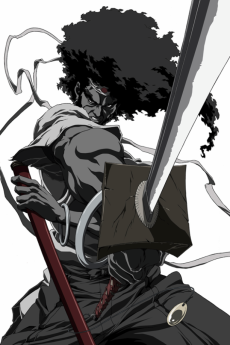



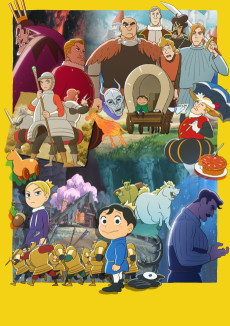
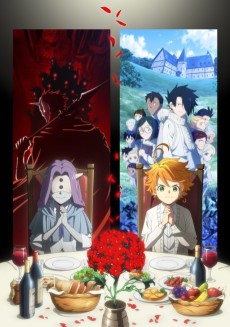


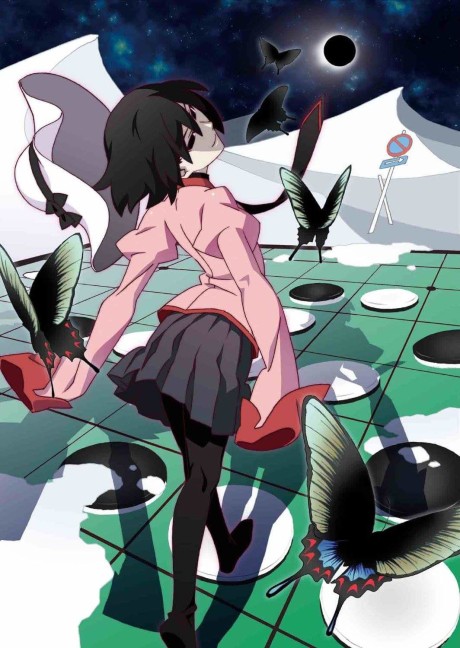







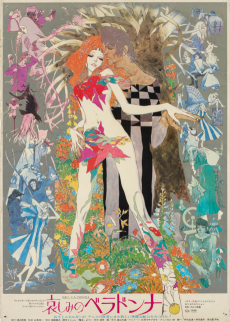




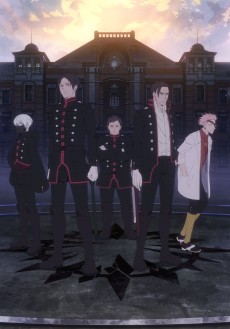

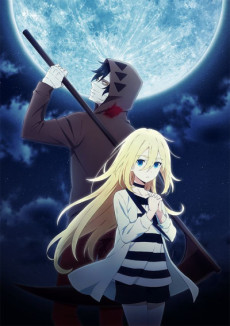
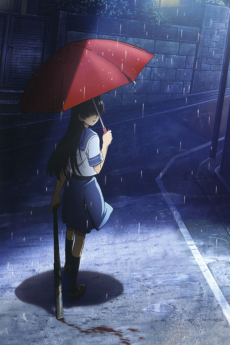
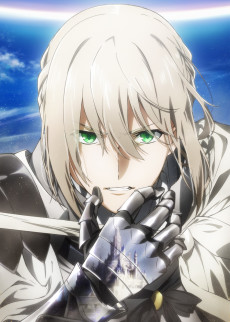
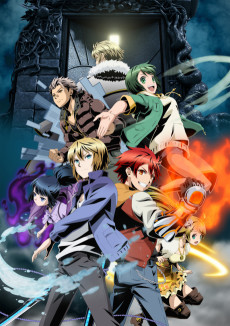





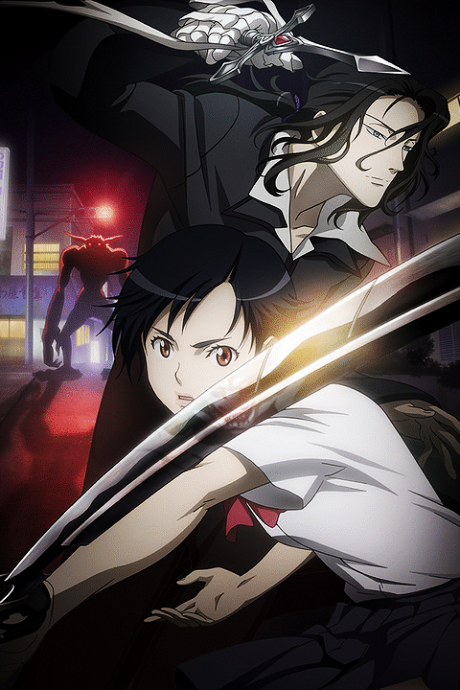


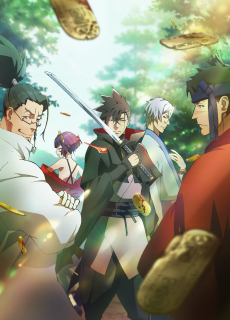


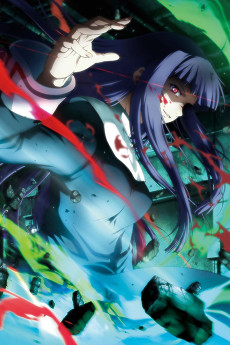
![Fate/stay night [Heaven’s Feel] III. spring song](https://s4.anilist.co/file/anilistcdn/media/anime/cover/large/bx21719-MSdTlkno0Z0u.jpg)

















































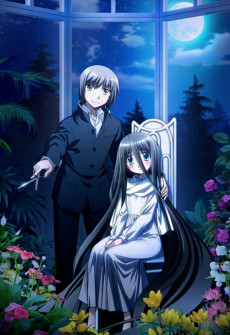





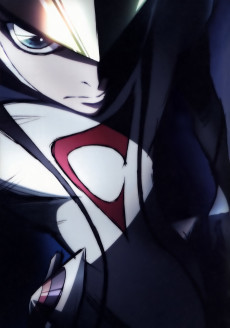

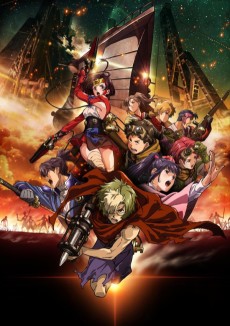
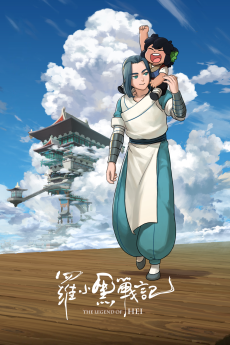


































![Fate/stay night [Heaven's Feel] II. lost butterfly](https://s4.anilist.co/file/anilistcdn/media/anime/cover/large/bx21718-Hjj26Sapx1bd.jpg)












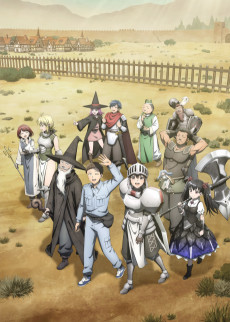
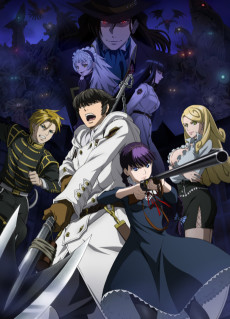

Match Dimensions Explained
❓Frequently Asked Questions
Why is Frieren: Beyond Journey’s End recommended for Hollow Knight fans?
Because both lean hard into melancholic exploration—Frieren’s quiet, decades-spanning journey across a fading magical world mirrors Hollow Knight’s silent descent into Hallownest’s buried ruins. Like the Knight tracing faded murals in the City of Tears or Frieren pausing at an overgrown shrine where her old party once rested, it’s all about emotional weight carried through empty spaces and subtle environmental storytelling.
Is there an anime adaptation of Hollow Knight?
No official anime adaptation exists—but Demon Slayer nails the *vibe* Hollow Knight fans crave: dark fantasy with insectoid horror (think the Pale King’s experiments echoing Upper Moth’s grotesque transformations) and deeply emotional narrative beats, like Tanjiro’s grief mirroring the Knight’s wordless sorrow in the Abyssal Depths cutscene.
How does Spice and Wolf compare to Hollow Knight in tone and pacing?
Surprisingly close! Both trade frantic action for atmospheric, slow-burn discovery—Spice and Wolf’s merchant caravan drifting through misty, decaying towns feels like navigating Hollow Knight’s Fog Canyon or Deepnest: layered history, whispered lore in side conversations (like Wolfran’s folktales vs. the Nailmasters’ fragmented teachings), and that same hushed reverence for forgotten civilizations.
What’s the best anime like Hollow Knight if I want that lonely, haunting exploration vibe?
Vampire Hunter D: Bloodlust—its gothic, hand-painted wastelands and crumbling castles (like Castle Crescent) echo Hollow Knight’s ruined grandeur, and D’s solitary, silent traversal through cursed forests mirrors the Knight’s lone path past the broken statues of the White Palace—both make silence feel heavy, sacred, and full of buried pain.