
Hunter x Hunter (2011)
A new adaption of the manga of the same name by Togashi Yoshihiro.
A Hunter is one who travels the world doing all sorts of dangerous tasks. From capturing criminals to searching deep within uncharted lands for any lost treasures. Gon is a young boy whose father disappeared long ago, being a Hunter. He believes if he could also follow his father's path, he could one day reunite with him.
After becoming 12, Gon leaves his home and takes on the task of entering the Hunter exam, notorious for its low success rate and high probability of death to become an official Hunter. He befriends the revenge-driven Kurapika, the doctor-to-be Leorio and the rebellious ex-assassin Killua in the exam, with their friendship prevailing throughout the many trials and threats they come upon taking on the dangerous career of a Hunter.
📺Anime Details
📝Editorial Analysis
The silence after Gon’s scream in the Heavens Arena—when his voice cracks raw and ragged, not from exertion but from the sudden, gutting weight of realizing Kite is gone—that silence isn’t empty. It’s thick with unshed tears, the hum of fluorescent lights, the distant murmur of a crowd that doesn’t know what just broke. His knees don’t buckle. His fists don’t shake. He just stands there, small and still, staring at the floor where Kite’s scarf fluttered down like a fallen wing. That moment isn’t about power loss or plot pivot—it’s about recognition: the first time Gon understands that love and longing don’t shield you from absence. They make it sharper.
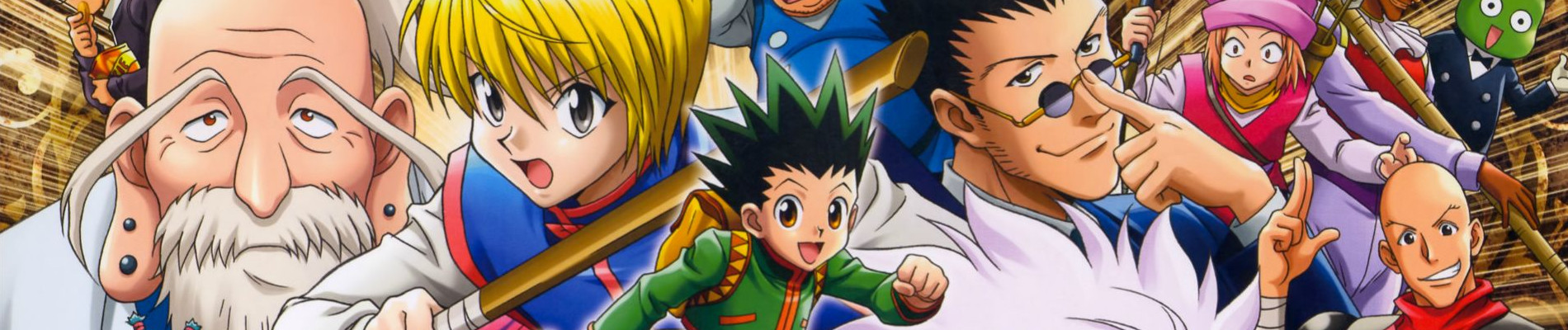
What makes Hunter x Hunter (2011) ache so deeply isn’t its battles or its Nen system—it’s how relentlessly it ties motion to memory. Every train ride, every ferry crossing, every dusty village Gon walks through carries the quiet echo of his father’s absence—not as a void, but as a compass point he keeps adjusting toward. The world isn’t backdrop; it’s witness. You feel the grit of sand in your teeth during the Greed Island arc, the damp chill of the Dark Continent’s mist before it even appears, the way laughter in a group scene—Leorio’s loud, Kurapika’s brittle, Killua’s sudden, soft—feels precious because you’ve seen how easily it could vanish. This isn’t shōnen as escalation. It’s shōnen as accumulation: of trust, of debt, of grief folded into daily ritual. You don’t just watch characters grow—you feel their emotional gravity deepen with every mile traveled, every vow whispered over campfire smoke.
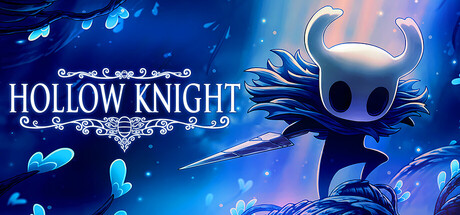
That same melancholic exploration pulses through Hollow Knight. Its description calls it “an epic action adventure through a vast ruined kingdom of insects and heroes”—and yes, you slash, dodge, and parry—but what lingers is the hush of Hallownest’s crumbling cathedrals, the way light filters through cracked stained glass onto silent, hollow-eyed statues. A player review nails it: “Beautiful art style. Great OST. Lovely story.” Not “epic boss fights” or “tight controls”—but beauty, music, story. Like Gon tracing his father’s name in dust on a Hunter exam wall, the Knight touches broken murals and forgotten shrines, piecing together loss not through exposition, but through presence in absence. Both ask you to move slowly—not because the world is safe, but because every step might reveal another layer of sorrow you’re learning to carry.
Then there’s Tank Universal, whose description frames it as “an action FPS tank wargame inspired by Tron and Battlezone… Explore a rich virtual sci-fi 3D world,” but the player review cuts straight to the bone: “Play cool tank game with dad when you were 6. Love the cool sound effects, and the colors. Time goes on; loose access to game. Grew up dad passes away…” That’s not nostalgia—it’s grief mapped onto interface. Just as Gon’s journey begins with a father-shaped silence, Tank Universal’s emotional resonance lives in the gap between childhood wonder and adult irrevocability. The tank isn’t just metal and treads; it’s the last shared language between two people before time dissolves it. The game doesn’t tell that story—it holds space for it, like the silent pause after Gon hangs up the phone in Yorknew City, having heard his father’s voice for the first time in twelve years—and then hears nothing else.
And Prince of Persia, described as “an all-new epic journey” with “new lands and a brand new story completely separate from the sands,” mirrors Hunter x Hunter (2011)’s refusal to rely on legacy. Both rebuild myth from scratch—not to erase what came before, but to ask what yearning looks like in fresh soil. The Prince doesn’t inherit a throne; he inherits a curse, a desert, a woman’s fading breath—and chooses to run toward consequence, not away. Like Gon choosing to face Hisoka not for revenge, but because he must understand the cost of power before he can wield it. The action isn’t spectacle for spectacle’s sake—it’s the body’s stubborn insistence on moving forward while the heart stays behind.
This pairing isn’t for the thrill-seeker who wants combat without consequence. It’s for the person who replays the scene where Killua sits alone on a rooftop at dawn, backlit by weak gold light, not saying anything—just being with the weight of everything unsaid. It’s for the one who saves a game not to win, but to keep walking beside someone who’s already left. It’s for those who recognize longing not as a feeling to overcome, but as the quiet, steady pulse beneath every choice—to travel, to fight, to remember, to love anyway.
🎮52 Games That Match the Vibe


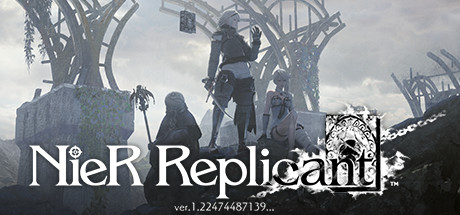
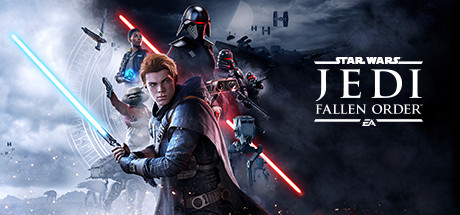
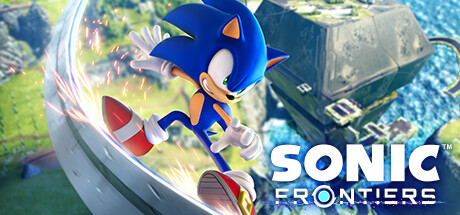
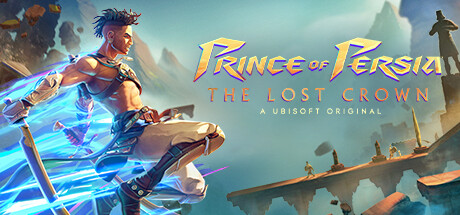


Match Dimensions Explained
❓Frequently Asked Questions
Why does Hollow Knight feel so much like Hunter x Hunter’s darker arcs?
Because both lean hard into melancholic exploration and emotional narrative—like when you’re wandering Hallownest’s decaying ruins, it hits the same way as Gon searching for his father in the Greed Island arc: quiet dread, layered lore, and characters carrying deep, unspoken grief. Hollow Knight’s silent protagonist, tragic NPCs like Zote or the Hollow Knight itself, and its haunting OST mirror HxH’s tonal shifts between action spectacle and raw vulnerability.
Is there a Hunter x Hunter game adaptation I can actually play right now?
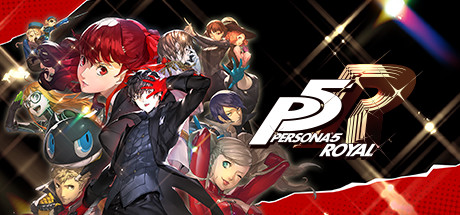
No official Hunter x Hunter game exists—but if you want that blend of emotional narrative and melancholic exploration (like Kurapika’s revenge arc or Ging’s lonely wanderings), Persona 5 Royal nails it through its JRPG narrative depth and character-driven storytelling. Its Tokyo is basically Yorknew City meets Kakin: layered, morally grey, and full of people hiding pain behind cool facades.
Hollow Knight vs. Prince of Persia (2008)—which one captures Hunter x Hunter’s balance of action and soul?
Hollow Knight wins for emotional narrative + melancholic exploration—think the Pale King’s tragedy echoing Meruem’s arc—while Prince of Persia (2008) delivers stronger action spectacle, like HxH’s Chimera Ant battle choreography with its acrobatic combat and time-rewind mechanics mirroring Nen-enhanced reflexes. Both score 83, but Hollow Knight’s world feels more *lived-in* and sorrowful, just like Jajanken’s ruined kingdom.
What’s the best game like Hunter x Hunter if I want that bittersweet, quiet-but-intense vibe?
Tank Universal—it’s unexpectedly perfect. Its sci-fi melancholy, lonely tank rides across shimmering neon deserts, and that heartfelt player review about playing with dad before he passed? That’s pure HxH energy: understated emotion, legacy themes, and awe mixed with loss—like Killua watching Gon vanish into the sky after the Chimera Ant arc. It’s not flashy, but it *aches* in the right way.