Sacred Gold
A shadow of evil has fallen on the kingdom of Ancaria. It is a time for champions - a time to journey into the perilous world of SACRED. Battle blood-thirsty orcs & lumbering ogres... Destroy undead wizards & rotting mummies... Slay hellish demons & legendary dragons.
🎮Game Details
💬What Players Say
"Full of jank, bugs and is not very stable on modern systems"
"Having played and loved the original Diablo I & II / Baldurs gate / Neverwinter I don't know how I didnt find this sooner. Very classic RPG vibe and mob levelling system means it's always a challenge with no 'easy' areas. Obviously its an early 2000 game so some of the hotkey customisation is a bit clunky, but 15 hours in I'm still enjoying it, build system is good...."
"Such a fun game!! I use to have this on CD back in the day, and I love the expansion for it."
📝Editorial Analysis
The first time you step into Ancaria—not as a hero crowned in light, but as someone who just arrived, boots scuffed, sword chipped, and the air thick with the copper-tang of old blood—you feel it: a kingdom already grieving. Not for what’s lost yet, but for what’s inevitable. The official description doesn’t say “hopeful.” It says a shadow of evil has fallen. It names orcs, ogres, undead wizards, rotting mummies, hellish demons, legendary dragons—not as set pieces, but as layers of decay, each deeper than the last. And then there’s the jank: the stuttering frame, the save file that vanishes, the mob that clips through a cliffside and keeps walking—not as flaws to dismiss, but as texture. Player review 1 calls it unstable; review 2 calls it very classic RPG vibe; review 3 remembers it on CD, loving the expansion like a worn letter from home. That contradiction is the feeling: a world held together by grit, nostalgia, and stubborn affection—not polish, but presence.
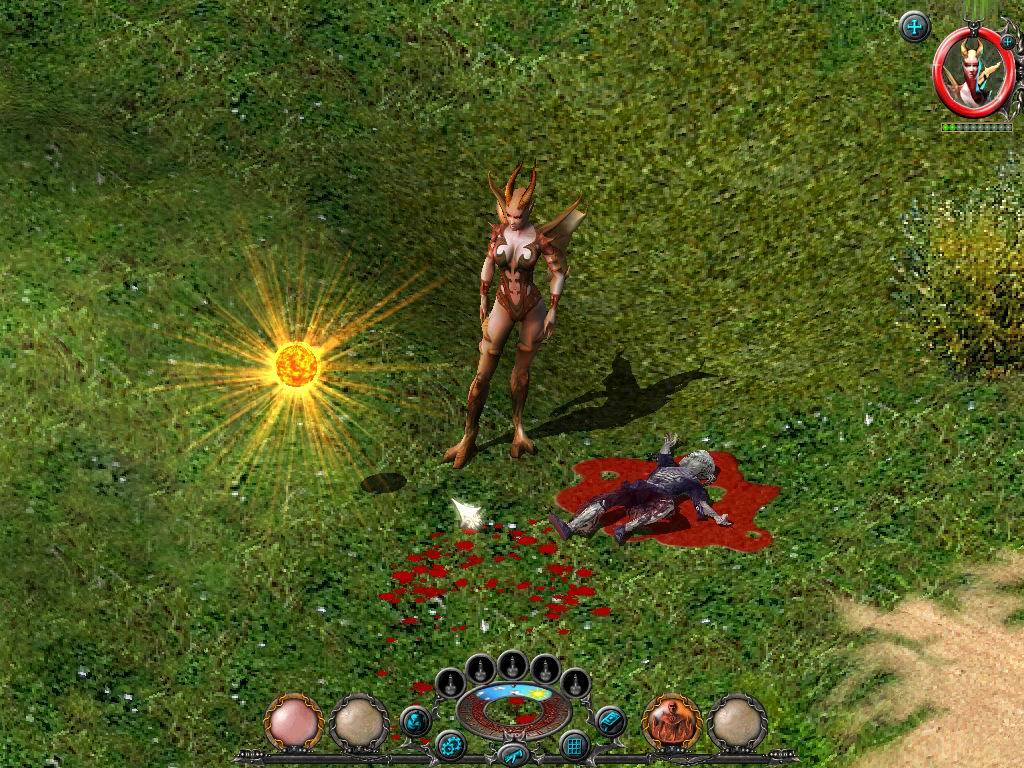

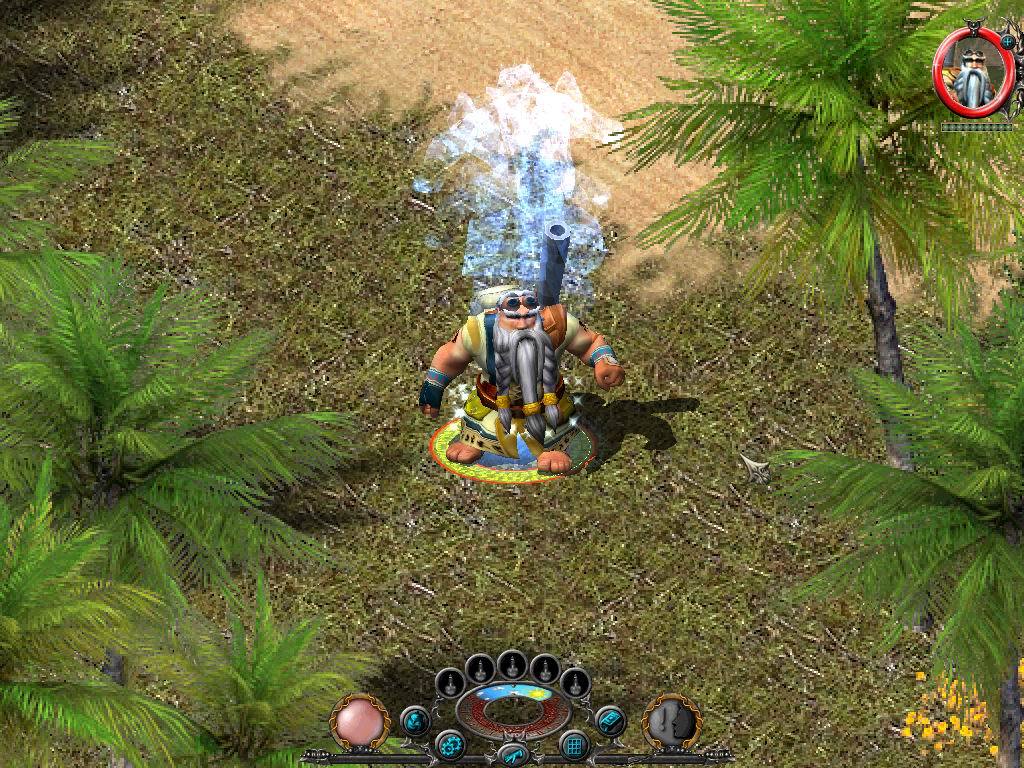
This isn’t grimdark irony or gothic spectacle. It’s melancholic exploration: the quiet weight of walking a road where every campfire feels borrowed, every dungeon entrance exhales damp stone and forgotten vows. You don’t level up to outpace the darkness—you level alongside it. The mob levelling system means orcs grow sharper as you do; mummies stiffen their joints; demons sharpen their claws in time with your fatigue. There’s no clean victory arc—just cycles of battle, rest, repair, repeat. Even the joy is weathered: “Such a fun game!!” reads review 3—not breathless, but warm, like touching a sun-warmed brick wall decades after the mortar cracked. It makes you think about endurance as intimacy, about how love for a broken thing isn’t denial of its flaws—it’s recognition that the flaws are part of its voice.
Demon Slayer: Kimetsu no Yaiba resonates because it shares that same melancholic exploration—not just of loss, but of how memory lives in the body: Tanjiro’s scar, Nezuko’s silence, the way sunlight hits a bloodstain on a tatami mat. Like Ancaria, the Demon Slayer world is drenched in Dark Fantasy, but its true ache comes from how tenderly it holds grief while demanding action—just as Sacred Gold forces you to fight rotting mummies and pause to fix your inventory glitch. The Action Spectacle isn’t empty choreography; it’s exhaustion made visible—every slash carries the weight of prior failures.
The Slayers, too, pulses with that same paradox: bombastic fireballs and slapstick timing, yes—but underneath, Lina’s past haunts her like a cursed artifact, and the world’s magic isn’t limitless—it’s leaky, dangerous, prone to backfire. Its Melancholic Exploration lives in the silences between jokes: when Gourry forgets a name, when Zelgadis stares at his hands, when the camera lingers on a village rebuilt over mass graves. Like Sacred Gold’s jank, the show’s tonal whiplash isn’t inconsistency—it’s honesty: trauma and laughter sharing the same cramped tavern booth.
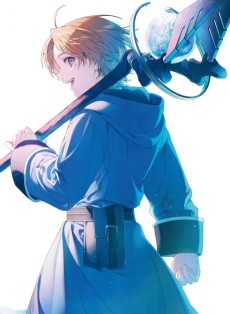
And Frieren: Beyond Journey’s End—oh, that slow, aching walk through time—mirrors Sacred Gold’s emotional architecture most precisely. No grand villain monologue, just Frieren pausing mid-forest path to watch snow settle on a gravestone she carved centuries ago. Its Dark Fantasy isn’t about threat—it’s about scale: how small a life feels against ancient ruins, how loud a single regret sounds in an empty guild hall. Like the player who loved the CD version “back in the day,” Frieren measures time not in quests completed, but in what remains unspoken, in the way a healing spell hums fainter each century.
These pairings aren’t for people who want flawless systems or tidy catharsis. They’re for the ones who keep playing Sacred Gold despite the crashes—because they recognize the warmth in the instability. For the viewer who watches Frieren and feels their throat tighten not at the climax, but when Fern quietly refills a teacup exactly how her late friend used to. For the person who laughs at The Slayers’ absurdity and feels the chill when a minor character mentions a war no one talks about anymore. They’re for those who understand that melancholy isn’t sadness—it’s attention paid deeply, lovingly, to what endures despite the cracks.
→295 Anime That Match the Vibe
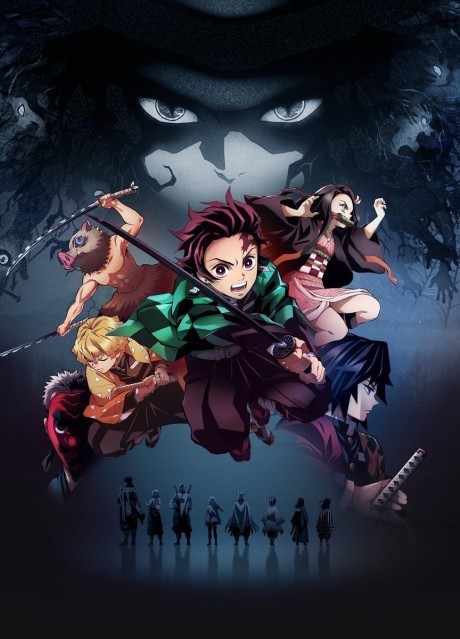
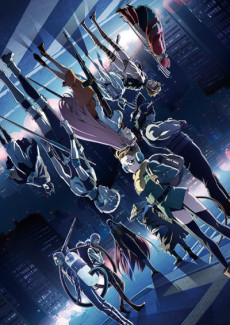
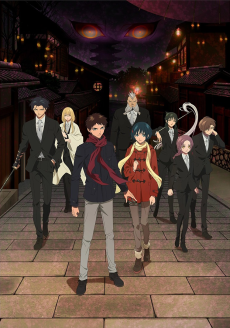
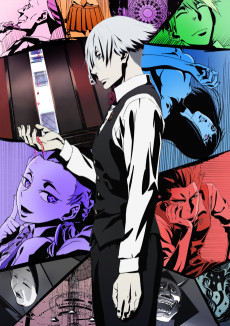
Nezuko’s bamboo muzzle glints under moonlight—just as the cursed ruins of Ancaria exhale fog thick with undead whispers. This shared 💥 Action Spectacle isn’t just about sword strikes or spellfire; it’s how both works root visceral combat in sorrow—Tanjiro’s breath techniques echo Kanden’s desperate last stands against orcs, each blow weighted by loss. Unlike most dark fantasy, neither flinches from melancholy as worldbuilding: grief isn’t backstory—it’s terrain.
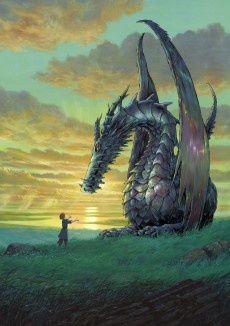
Dark worlds where beauty and brutality coexist — every victory comes at a cost.

Dark worlds where beauty and brutality coexist — every victory comes at a cost.

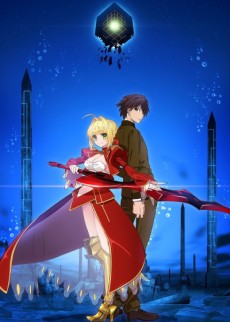
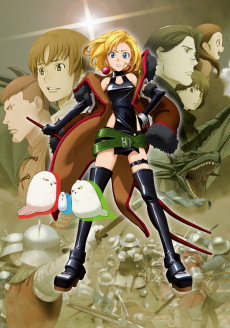
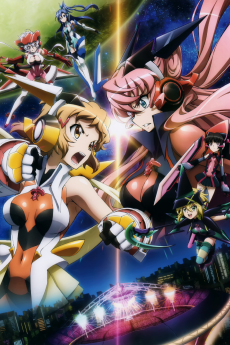
Lina Inverse’s explosive *Dragon Slave* incinerating a forest of skeletal mages mirrors Sacred Gold’s visceral, sweat-and-grime combat against shambling undead legions—both weaponize 💥 Action Spectacle to punctuate existential dread. Unlike most fantasy pairings, neither flinches from melancholic exploration: Ancaria’s blighted ruins echo Slayers’ haunting shots of war-scarred villages between gags. That tonal whiplash—where despair and absurdity share the same breath—is what makes their resonance so electric.

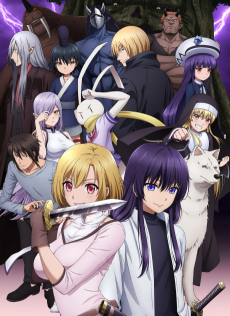
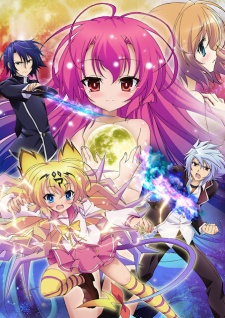
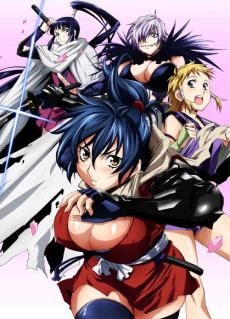
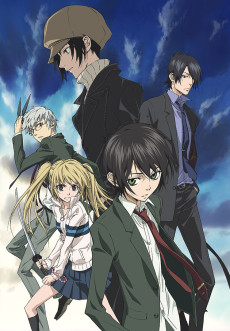
Beryl Gardinant’s weathered hands gripping a rusted practice sword in his dusty dojo mirror the scarred, weary champions trudging through Ancaria’s blighted forests. Where *Sacred Gold* drowns its heroes in oppressive darkness and relentless combat, the anime counters with dry, Seinen-tinted irony—yet both weaponize that same 💥 Action Spectacle to explore failure as the crucible of mastery. It’s startling how deeply their shared 🖤 Adult & Dark Seinen sensibility runs: not in grimness alone, but in honoring the quiet, stubborn dignity of fighters who keep swinging long after glory’s faded.
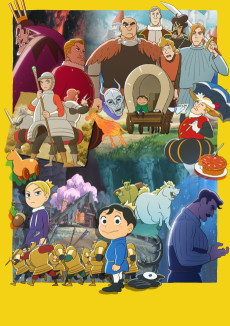
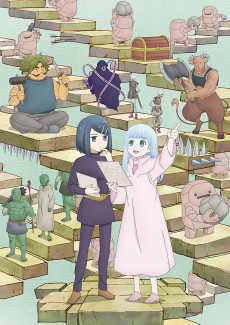
Ancaria’s crumbling ruins echo the fractured kingdom of Bosse—where Bojji’s silent courage mirrors the player’s lone hero stepping into shadowed forests. Unlike most dark fantasy, both lean into melancholic exploration: Bojji’s trembling hands grasping a sword parallel the Sacred Gold protagonist’s quiet resolve before an orc horde. This resonance isn’t coincidence—it’s the shared weight of hope forged in despair, where action spectacle serves grief as much as glory.

A weary Kraft Lawrence haggles over grain prices in a rain-slicked market—just as a Sacred Gold hero trudges past crumbling ruins where orcs once sacked a village. Unlike most dark fantasy, neither work glorifies conquest; instead, they linger in melancholic exploration—the weight of decayed empires, the quiet dignity of barter, the sorrow in a wolf-eared girl’s gaze or a veteran’s scarred knuckles. This shared resonance feels surprising: commerce and carnage, both rendered with tactile realism and tender gravity.
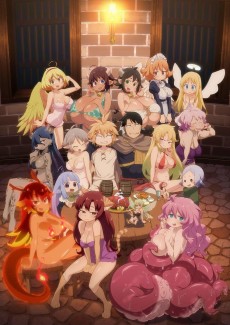
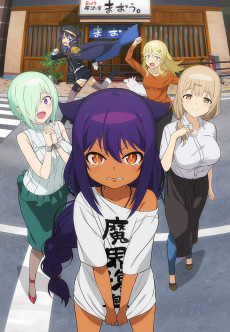
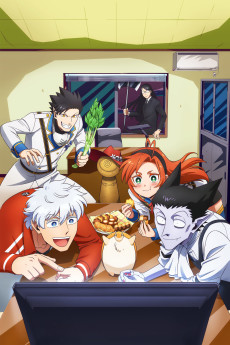
Ancaria’s rain-slicked ruins echo the Yoruno Gloss team’s weary trudge through a brothel’s back alley—both worlds wear their exhaustion like tarnished armor. Unlike most dark fantasy, neither flinches from adult melancholy: Sacred Gold’s silent hero battles despair amid crumbling temples, while Interspecies Reviewers’ critics dissect desire with clinical tenderness in dim-lit chambers. This shared 🖤 Adult & Dark Seinen texture transforms pulp tropes into something quietly resonant—gritty, tender, and unapologetically human beneath the monster-girl skin or orcish snarl.
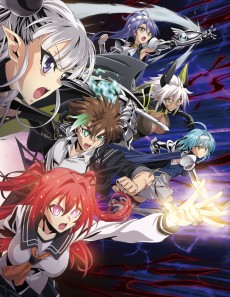
Dark worlds where beauty and brutality coexist — every victory comes at a cost.
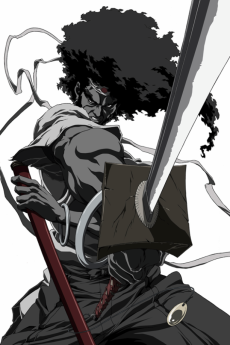
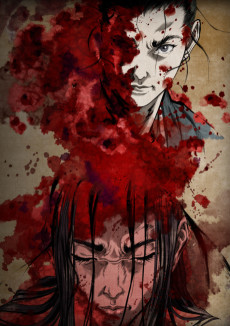
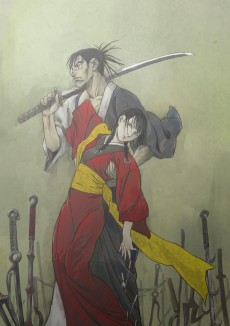
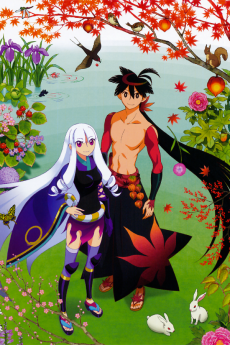
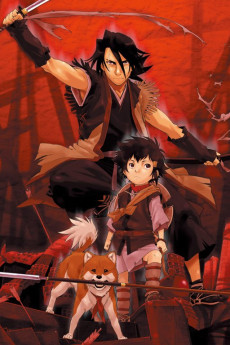
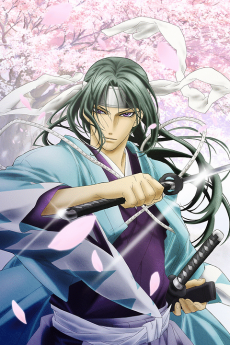
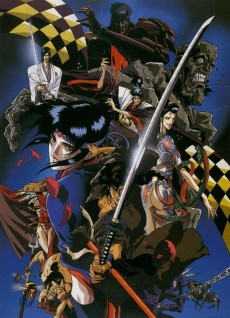
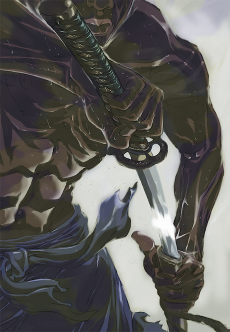
Afro’s silent walk through rain-slicked alleys, sword sheathed but aura trembling with unresolved grief, mirrors the lone hero trudging across Ancaria’s blighted moors—both worlds steeped in 🌿 Melancholic Exploration. Unlike most action narratives that glorify triumph, *Sacred Gold* and the 2007 *Afro Samurai* TV series fixate on cycles: vengeance echoing like cursed relics, trauma calcifying into duty. That shared weight—where every battle deepens sorrow rather than dispels it—makes their resonance startlingly intimate, not epic.



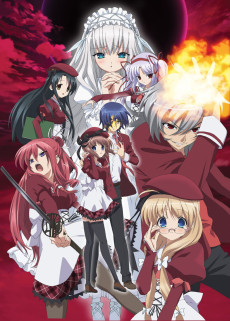
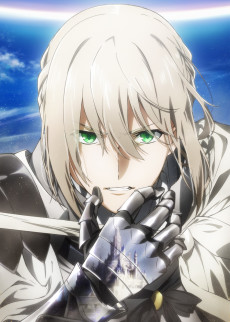

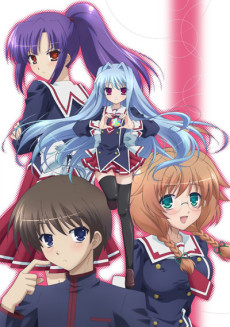
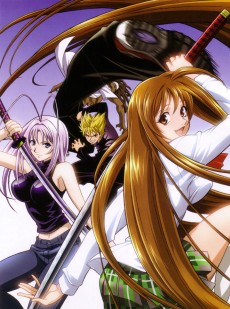









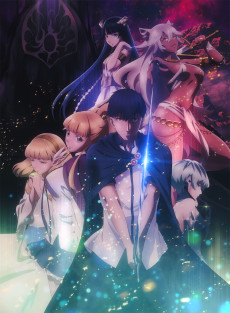

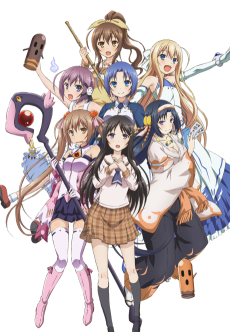
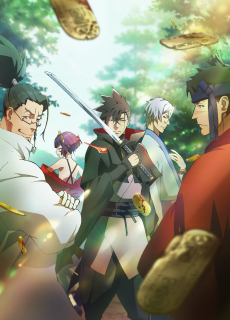



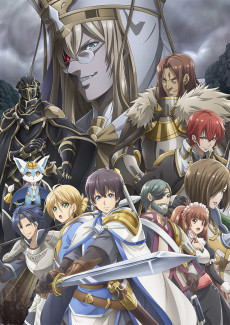

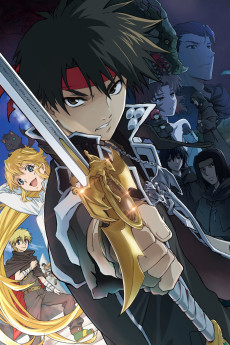
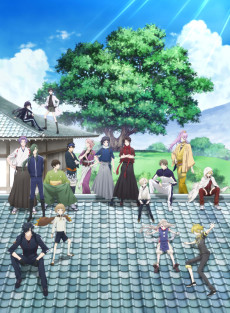

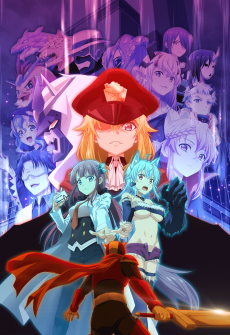
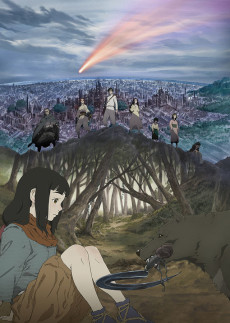
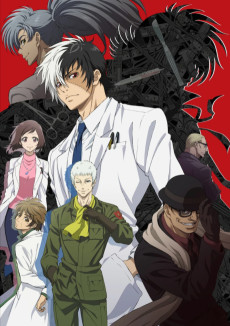


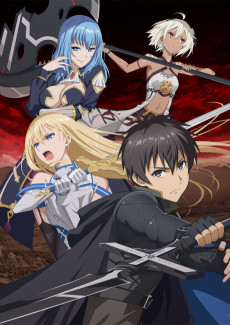
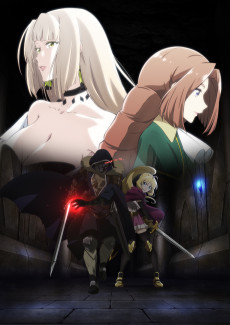




![Fate/stay night [Heaven’s Feel] III. spring song](https://s4.anilist.co/file/anilistcdn/media/anime/cover/large/bx21719-MSdTlkno0Z0u.jpg)
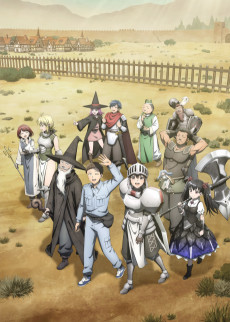

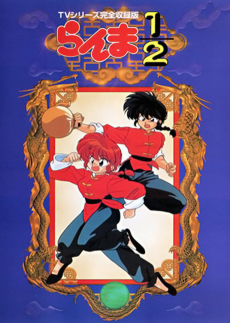
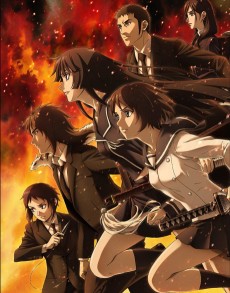


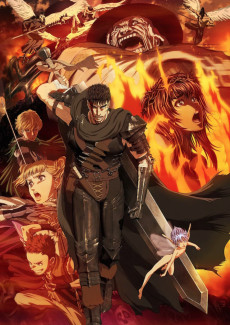
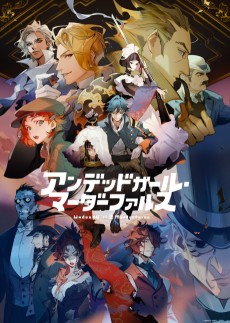
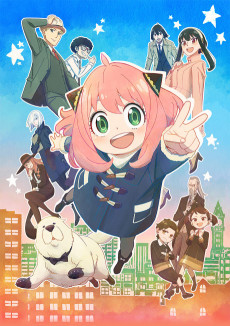

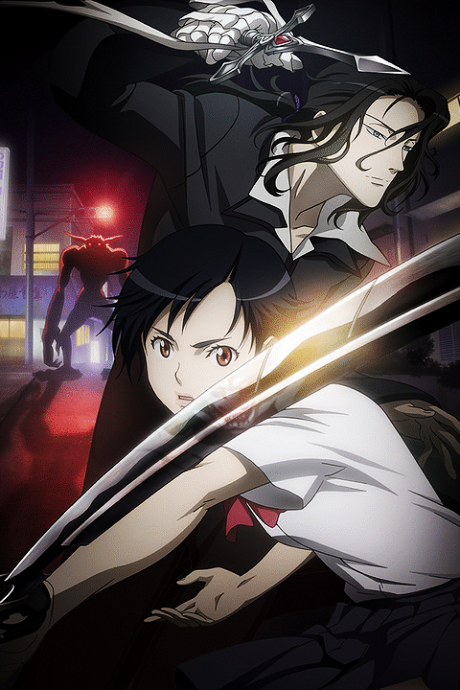

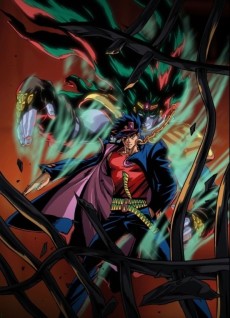
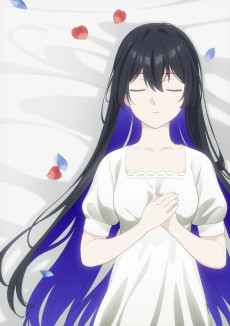


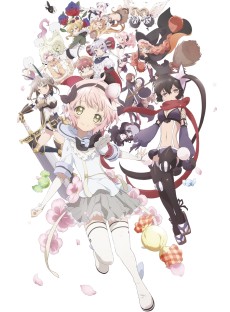
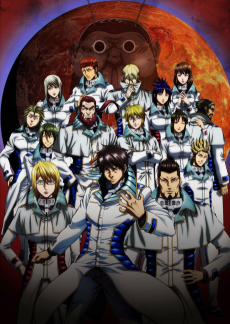
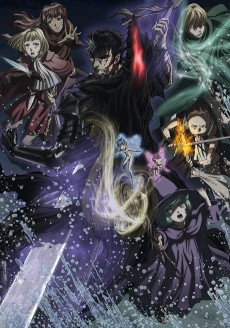
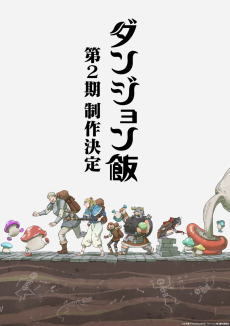

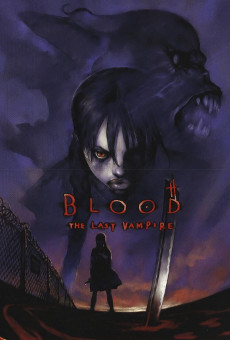

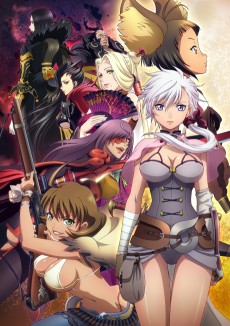
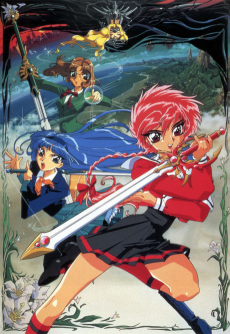


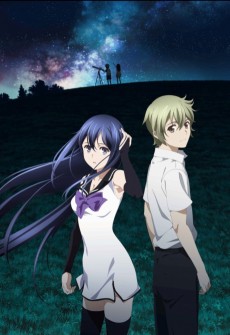




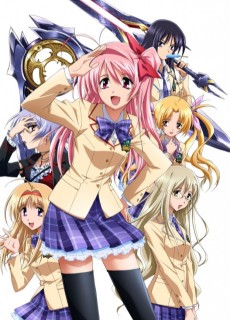
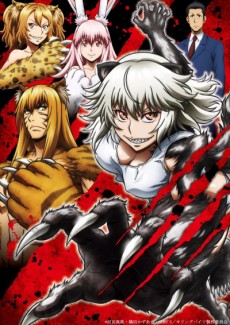

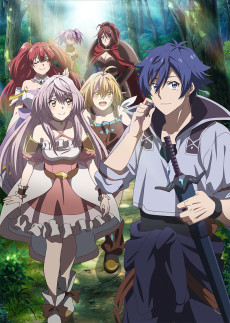
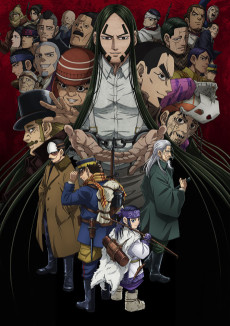
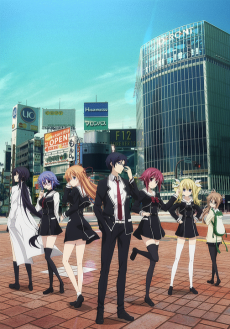
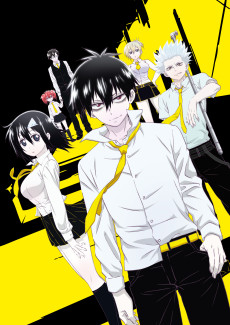
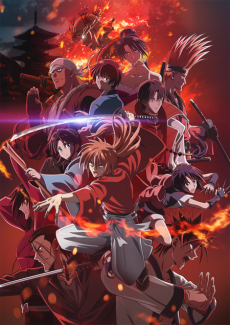







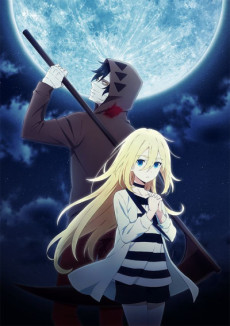
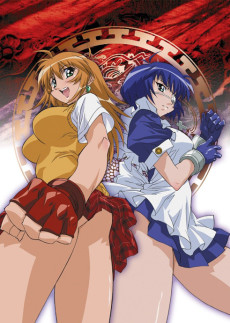


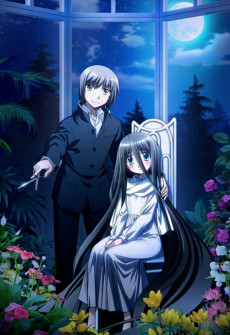

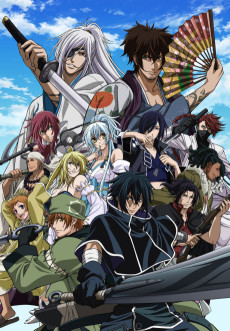
















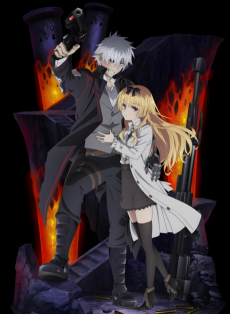

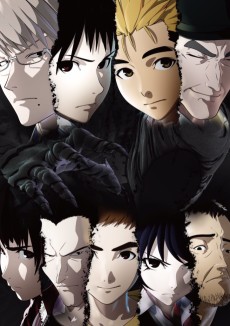
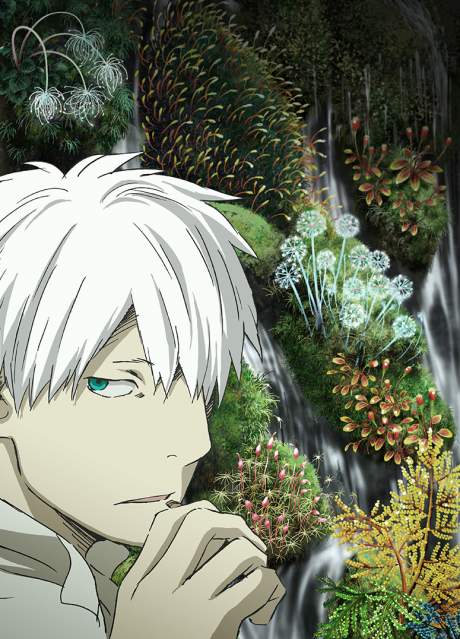
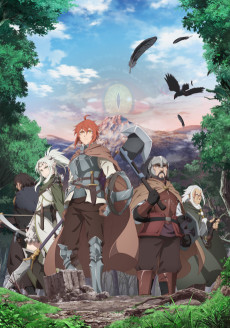


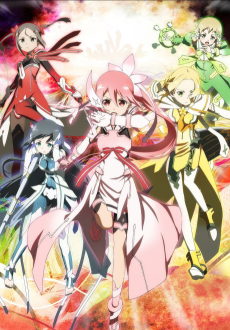
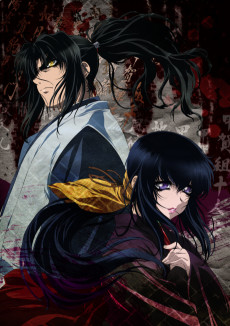
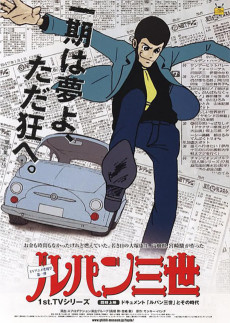
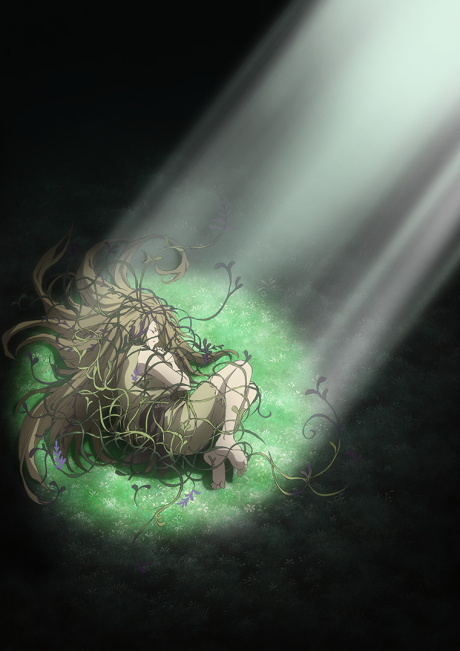





![Fate/stay night [Heaven's Feel] I. presage flower](https://s4.anilist.co/file/anilistcdn/media/anime/cover/medium/bx20791-yPCX5GJuMH2k.png)
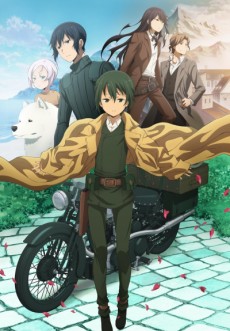
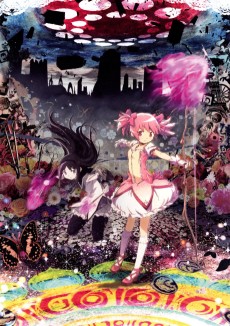
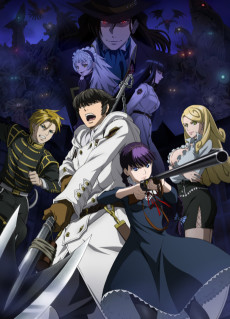

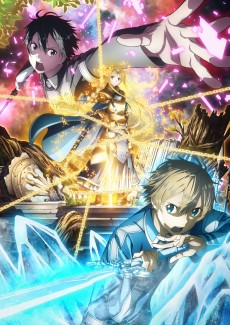

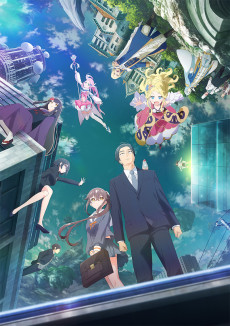


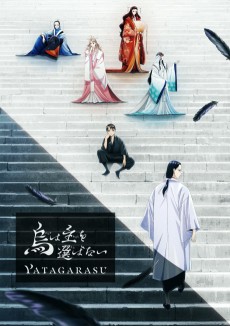
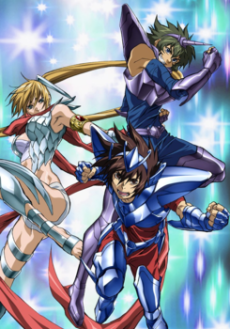






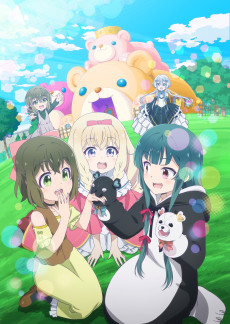
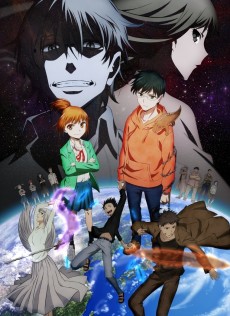
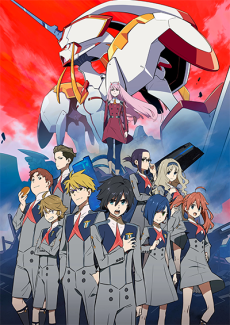

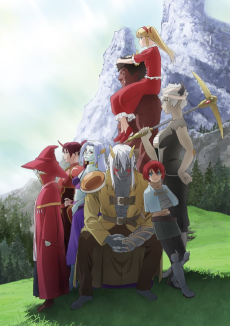




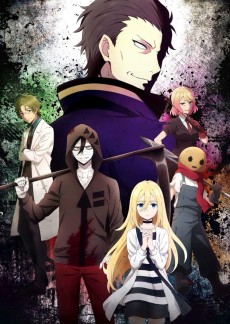
Match Dimensions Explained
❓Frequently Asked Questions
Why is Demon Slayer recommended for Sacred Gold fans despite the anime having no RPG mechanics?
Because both lean hard into Dark Fantasy with visceral, high-stakes monster-slaying—think Tanjiro’s Nichirin Blade cleaving demons in half just like Sacred Gold’s hero hacking through rotting mummies or hellish demons in Ancaria’s cursed ruins. The melancholic exploration of loss and legacy (e.g., Tanjiro’s grief mirroring Sacred Gold’s fallen kingdom) and relentless action spectacle (Rengoku’s Flame Hashira fight = Sacred Gold’s dragon boss gauntlet) hit the same emotional and adrenaline notes as the game’s janky but beloved combat.
Is there an anime adaptation of Sacred Gold?
No—Sacred Gold has never been adapted into an anime. It’s a 2004 German action-RPG (a sequel to Sacred), and while it inspired fan art and modding communities, there’s zero official anime, manga, or live-action project. That said, fans who love its ‘classic RPG vibe’ and mob-leveling system often gravitate toward Frieren: Beyond Journey’s End—its quiet, weighty pacing and decades-spanning melancholic exploration of a fading magical world feels like the anime equivalent of replaying Sacred Gold’s expansion on CD-ROM.
How does The Slayers compare to Sacred Gold in tone and worldbuilding?
They’re shockingly aligned: both blend Dark Fantasy with irreverent, character-driven energy—Lina Inverse blasting ogres with Dragon Slave spells mirrors Sacred Gold’s hero mowing down lumbering ogres and blood-thirsty orcs in Ancaria’s wilds. And just like Sacred Gold’s unstable modern ports, The Slayers’ early episodes have that charmingly janky, over-the-top delivery (think Naga’s chaotic entrances) that fans of the game’s ‘full of jank’ charm absolutely adore.
What’s the best anime like Sacred Gold if I want that bittersweet, slow-burn fantasy vibe after finishing a long playthrough?
Frieren: Beyond Journey’s End is your perfect match—it captures Sacred Gold’s Melancholic Exploration and Dark Fantasy dimensions without rushing. Watching Frieren walk alone through snow-draped ruins, reflecting on centuries of loss and fleeting human lives, hits the same quiet, resonant note as wandering Ancaria’s desolate plains post-quest, listening to that haunting soundtrack. It’s got the same reverence for magic’s cost and the weight of time that made Sacred Gold’s expansion so nostalgic for players who ‘used to have this on CD back in the day.’