
Delicious in Dungeon
When young adventurer Laios and his company are attacked and soundly thrashed by a dragon deep in a dungeon, the party loses all its money and provisions...and a member! They're eager to go back and save her, but there is just one problem: If they set out with no food or coin to speak of, they're sure to starve on the way! But Laios comes up with a brilliant idea: "Let's eat the monsters!" Slimes, basilisks, and even dragons...none are safe from the appetites of these dungeon-crawling gourmands!
(Source: Yen Press)
Note: A world premiere screening of Episode 1 was shown in the Studio TRIGGER panel at Anime Expo on July 1, 2023.
📺Anime Details
📝Editorial Analysis
The scent hits first—not smoke, not blood, but sizzling fat, rich and nutty, rising from a skewer of roasted basilisk thigh turning slowly over coals. Laios crouches low in the dungeon’s damp corridor, his knife still slick with viscera, while Marcille stirs a pot of slime consommé that glows faintly amber. Chilchuck wipes grease from his brow and jokes about the dragon’s liver being “too gamey,” and Senshi—quiet, precise—tastes the broth, nods once, and adds a pinch of dried cave-mint. There’s no triumph here, no fanfare—just heat, hunger, and the quiet, stubborn warmth of people feeding each other in the dark.
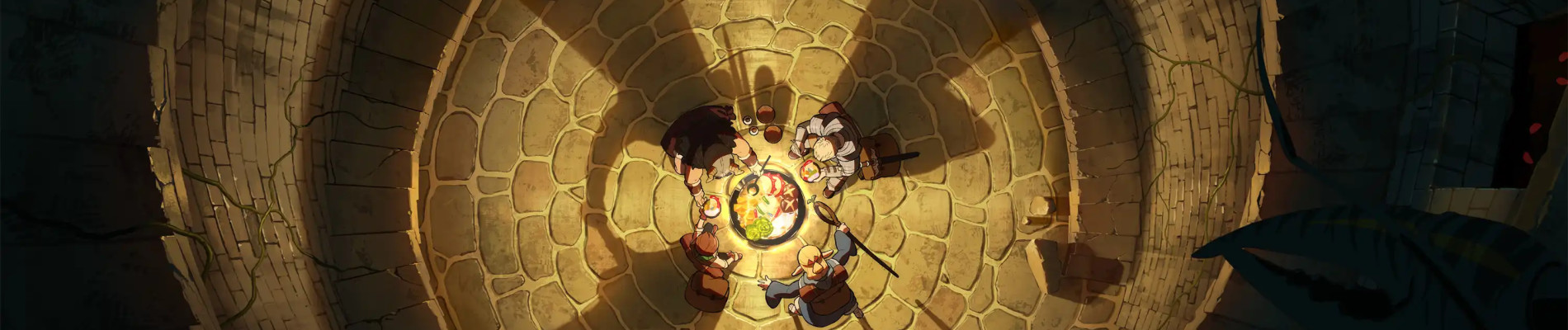
That warmth is the soul of Delicious in Dungeon—not optimism, not escapism, but resilience made edible. It doesn’t soften the dungeon’s cruelty: the loss is real, the dragon’s violence unvarnished, the exhaustion palpable in every slumped shoulder and frayed rope belt. Yet the show refuses to let despair calcify. Instead, it treats survival as an act of care—measured, communal, deeply tactile. You feel the grit of crushed mushroom spores under fingernails, the yielding snap of grilled cockatrice cartilage, the way steam curls off a bowl when shared in silence after a narrow escape. It’s medieval life stripped bare—not of magic or monsters, but of pretense. There’s no grand prophecy, no chosen one; just adults making do, learning, misstepping, laughing mid-crisis. The emotional DNA isn’t hope—it’s continuance: the quiet, daily insistence on staying human, even when your pantry is a corpse.
That same continuance hums in Arx Fatalis, where exploration feels less like conquest and more like listening—to dripping water, crumbling stone, the low groan of ancient wards. Its player review calls it “melancholic exploration,” and yes—the weight of decay is everywhere—but so is the player’s stubborn tinkering: carving runes into walls, coaxing fire from damp tinder, brewing potions from mold and bone. Like Laios filleting a mimic with surgical calm, Arx’s protagonist survives by understanding systems, not overpowering them. Both treat the dungeon not as a gauntlet to break, but a living ecology to negotiate—with respect, curiosity, and sometimes, a very sharp knife.
Then there’s Hollow Knight, where every cavern breathes with the same layered quietude: the hush before a boss fight, the rustle of dust in abandoned chapels, the way light catches on chitin and stained glass alike. Its description names “twisting caverns” and “tainted creatures”—but what lingers is the tenderness buried in the ruin: the moth priestess offering tea, the nailmaster’s careful strokes, the quiet grief folded into every mural. Player reviews praise its “lovely story” and “beautiful art style”—but what mirrors Delicious in Dungeon isn’t the tragedy, it’s the rituals: the deliberate act of lighting a lantern, mending a cloak, sharing a memory over lukewarm grubs. Both worlds are wounded—but neither lets the wound erase the gesture of feeding, mending, remembering.
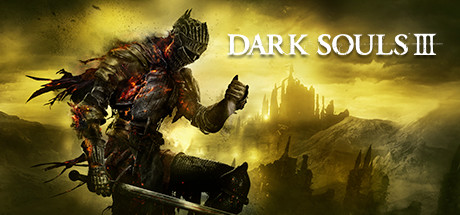
Even DARK SOULS™ III, with its scorched earth and dying fire, pulses with the same emotional rhythm. That player review asks, “Why Do We Still Reach for the Fire When It Is Dying?”—and the answer, in both the game and the anime, is visceral: because the act itself matters. Lighting the flame, stirring the pot, sharpening the blade—it’s not about victory. It’s about keeping the motion alive. In DARK SOULS™ III, you rest at bonfires not just to heal, but to breathe—to watch embers lift, to hear the crackle, to feel time slow for ten seconds. In Delicious in Dungeon, cooking is that bonfire: a pause carved out of chaos, where exhaustion softens into focus, and danger recedes just enough for someone to say, “Try this—it needs salt.”
These pairings won’t grab fans who crave cathartic power fantasies or clean moral binaries. They’re for the ones who love the weight of a well-worn backpack, the satisfaction of a repaired hinge, the way steam fogs a cold lens—and how, in that fog, you catch your own reflection, tired but still here. For the viewer who watches Laios debone a goblin with the same reverence others reserve for prayer. For the player who spends twenty minutes coaxing a single flame in Arx, not because it’s required, but because it feels right. For anyone who’s ever made soup after a bad day—not to fix anything, but to prove, quietly, that warmth is still possible. That kind of person doesn’t need saving. They just need a pot, a flame, and someone willing to pass the salt.
🎮53 Games That Match the Vibe







































Match Dimensions Explained
❓Frequently Asked Questions
Why does Hollow Knight get recommended so much for Delicious in Dungeon fans?
Because both lean hard into melancholic exploration—like wandering through Hollow Knight’s decaying City of Tears or the silent, rain-soaked ruins of Dela, mirroring the quiet, atmospheric dread and discovery in Dungeon’s underground labyrinths. You’ll feel that same bittersweet weight in every empty chamber and cryptic bug NPC, just like how Dungeon balances grim worldbuilding with tender character moments between Laios and his party.
Is there an anime or manga adaptation of Arx Fatalis?
Nope—Arx Fatalis has never been adapted into anime or manga. It’s a pure gaming experience: first-person spellcasting via mouse gestures (like drawing runes mid-combat), claustrophobic dungeon delving beneath a shattered sky, and that uniquely melancholic vibe where even your torchlight feels lonely. Fans often wish it had one, given how rich its post-apocalyptic fantasy world is—but it remains a cult-classic RPG only.
Hollow Knight vs. DARK SOULS™ III—which is closer to Delicious in Dungeon’s tone?
Hollow Knight wins on tone—it shares Dungeon’s blend of dark fantasy and emotional intimacy: think the Hollow Knight’s mute, solemn journey echoing Laios’s quiet determination, or the way both use silence and environmental storytelling (like the Weavers’ loom rooms or the crumbling Abyss) to build empathy. DARK SOULS III leans harder into existential despair and punishing combat, whereas Dungeon’s heart lies in camaraderie amid decay—more Hollow Knight’s ‘bizarre bugs and broken kingdoms’ than Souls’ ‘Embrace The Darkness’ grit.
What’s the best game like Delicious in Dungeon if I want something cozy but still melancholic?
Prince of Persia (2023) is your sweet spot—it’s got that slow-life, healing-forward rhythm (like tending gardens between quests or brewing potions at campfires) paired with deeply melancholic exploration across sun-bleached ruins and crumbling palaces. You’ll recognize the same gentle pacing and emotional weight as Dungeon’s quieter moments—say, when Chilchot tends to wounds by firelight or when the party pauses to share stories in a damp tunnel—without the combat intensity of Hollow Knight or DARK SOULS III.