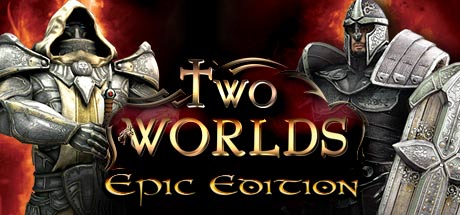
Two Worlds Epic Edition
... 300 years after Aziraal has been banished, a brother and sister are drawn into the conflict which has flared up between the Orcs and the free world. Kyra, the hero's younger sister, suddenly disappears in mysterious circumstances.«...If my family really belongs to the chosen ones, why then have we always been as poor as church mice?
🎮Game Details
💬What Players Say
"I've played this game though several different times across different machines and four operating systems, XP, 7, 10 and now Windows 11. What I don't like: the game is very buggy; it will randomly crash, so if you decide to play this game save often. The voice acting is good, but the dialog is cringy...."
"Great game for simple RPG mechanics and fun. Voice lines and scripting is hilariously stupid but still a great time."
"I read several reviews telling you will die often there. Eeerrr nope I think it's not true. It's too early to say whether the game is good or bad...."
📝Editorial Analysis
The chill of that first forest path—where the brother stands alone after Kyra vanishes, the wind rustling dead leaves like whispered warnings—sticks in your throat. Not because the graphics are stunning (they’re not; one player notes it runs across four operating systems, each time battling crashes), but because the silence after her disappearance feels real: abrupt, unexplained, and heavy with inherited weight. “If my family really belongs to the chosen ones, why then have…”—the line cuts off, just like Kyra does. No cutscene fanfare, no dramatic music swell—just absence, and a question left hanging like smoke in cold air. That’s the game’s heartbeat: raw, unresolved, stubbornly human amid crumbling lore.
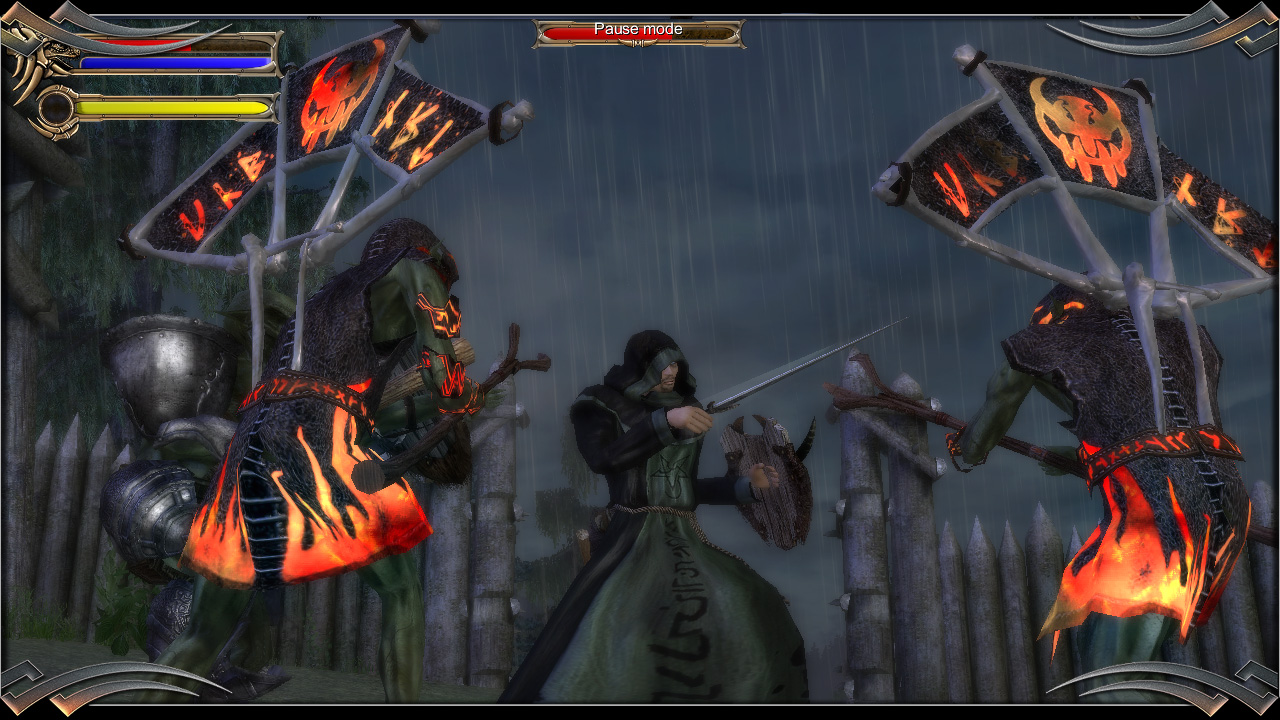
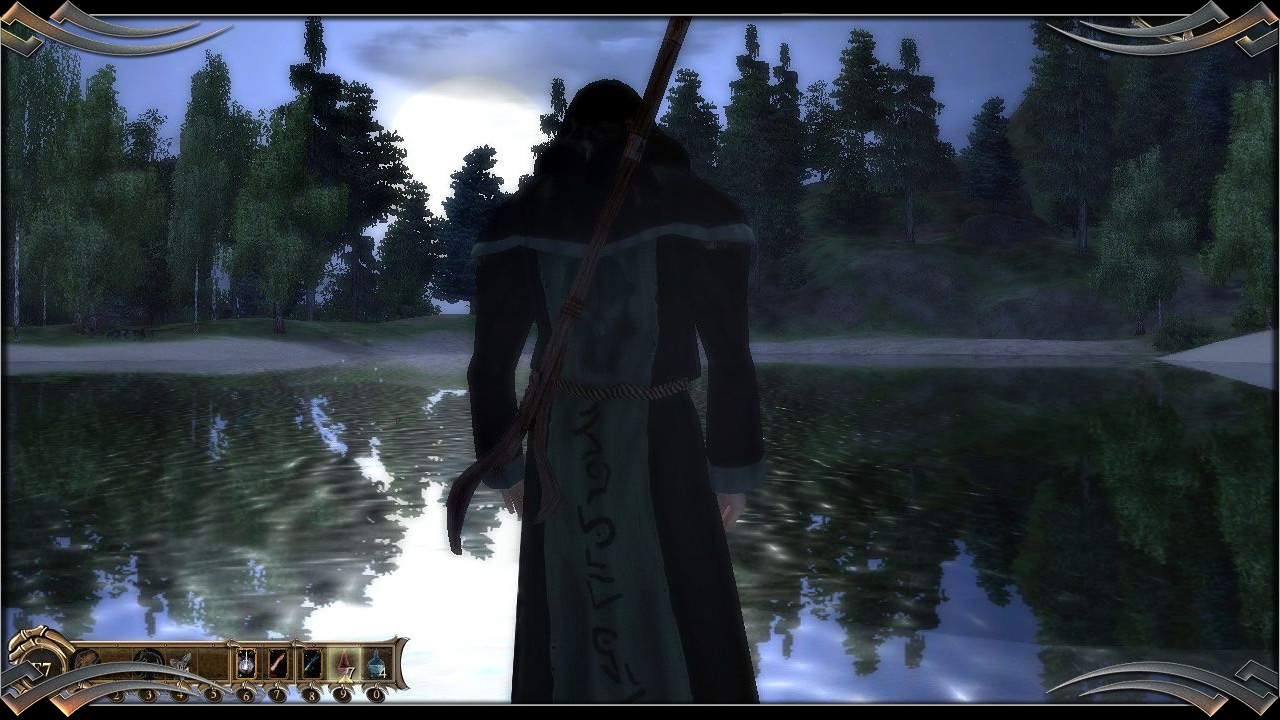
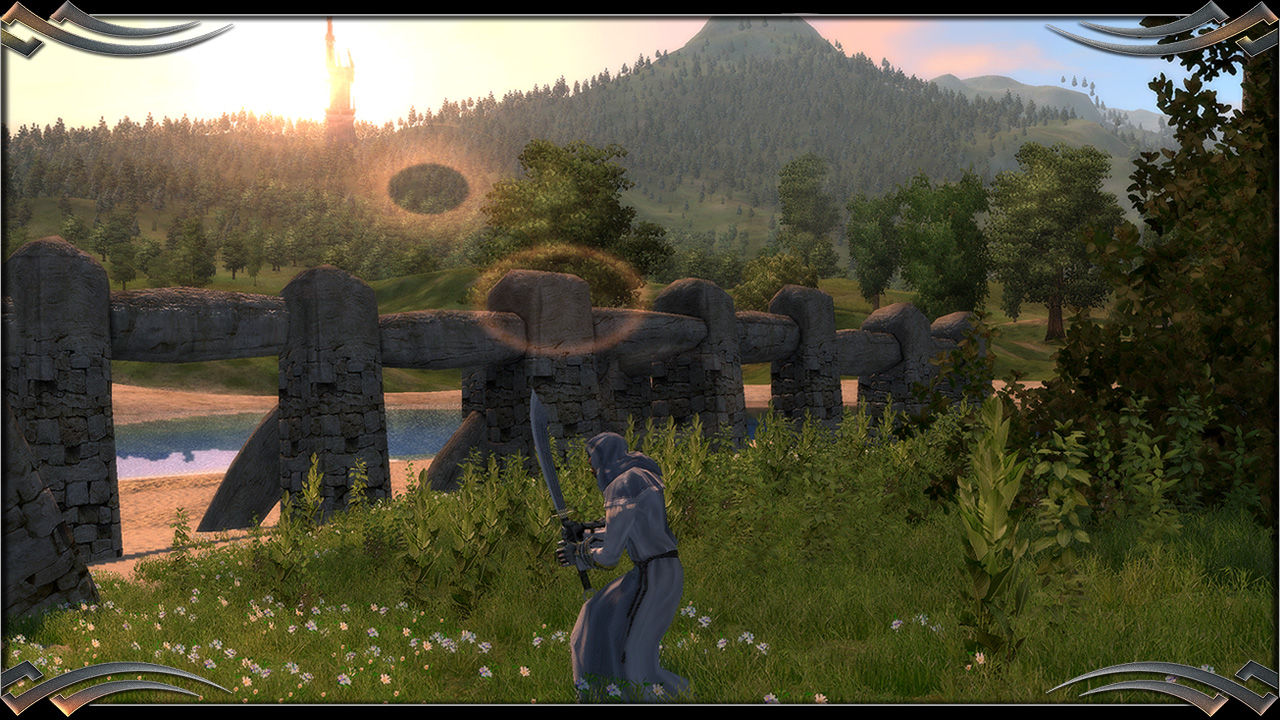
What makes Two Worlds Epic Edition ache the way it does isn’t its janky combat or its “hilariously stupid” voice lines—it’s how deeply it leans into melancholic exploration. You don’t uncover secrets with fanfare; you find them half-buried under glitchy terrain, mislabeled quest markers, or dialogue trees that loop like grief. The world feels lived-in and fraying—Orcs clash with the free world not as cartoon villains but as forces straining against centuries of buried trauma, echoing the 300-year banishment of Aziraal like an old bone refusing to heal. It doesn’t ask you to believe in destiny—it asks you to walk through its ruins, boots sinking slightly in the mud of consequence. You feel tired, yes—but also tenacious, because somewhere ahead, Kyra is waiting—not as a plot device, but as a reason to keep mapping this broken, beautiful, stubbornly persistent world.
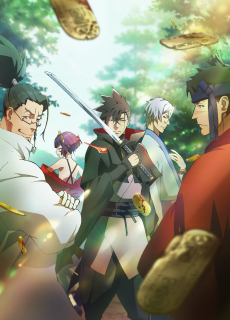
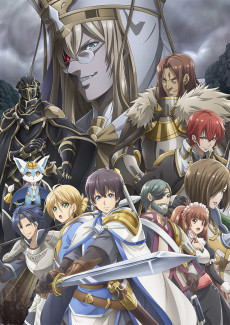
That same emotional gravity pulses through Demon Slayer: Kimetsu no Yaiba, where every breathless sword strike carries the weight of loss, and Tanjiro’s quiet determination mirrors the brother’s silent trudge through mist-choked woods—both stories treat action not as spectacle for its own sake, but as ritual resistance against erasure. Likewise, The Slayers, often remembered for slapstick, shares this game’s layered tonal duality: beneath the absurd voice delivery (“hilariously stupid but still a great time”) lies a world scarred by ancient magical wars and fractured lineages—Lina’s sarcasm is armor, just as the brother’s stoicism is his. And Afro Samurai? Its hyper-stylized violence isn’t empty choreography—it’s grief made kinetic, every blade swing echoing the hollow space left by a vanished sibling, just as Kyra’s absence echoes across every loading screen, every stuttering NPC line, every moment the game stutters mid-sentence and leaves you staring at a half-loaded tree, wondering if this is where she disappeared.
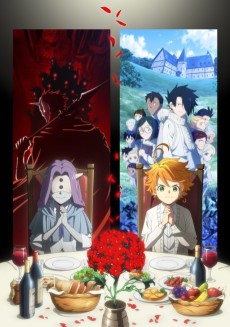
This pairing isn’t for the completionist who needs flawless UI or seamless lore dumps. It’s for the person who keeps replaying Two Worlds Epic Edition across four operating systems—not out of nostalgia, but because they’re chasing that one perfect, unbroken run where Kyra’s name appears on the map before the crash hits. It’s for the viewer who watches Ranking of Kings: The Treasure Chest of Courage and doesn’t flinch at the child-king’s trembling hands, because they recognize that kind of vulnerability—not as weakness, but as courage wearing thin. It’s for those who love dark fantasy not for its dragons or demons, but for the way it lets silence speak louder than spells: the pause after a betrayal, the breath before a vow, the long walk through a forest that remembers every war, every banishment, every sister who vanished mid-sentence—and never quite lets you forget her.
→177 Anime That Match the Vibe
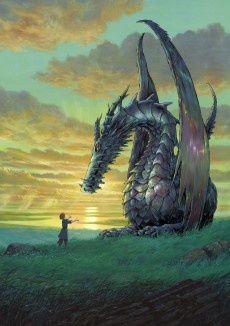
Dark worlds where beauty and brutality coexist — every victory comes at a cost.

Dark worlds where beauty and brutality coexist — every victory comes at a cost.
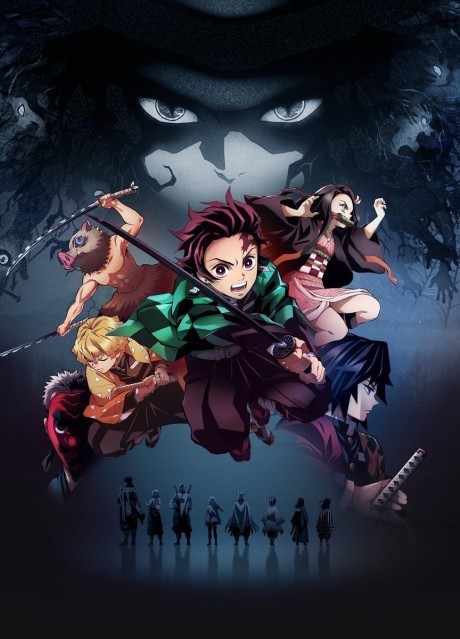
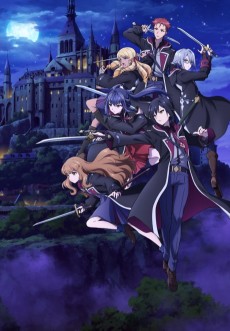
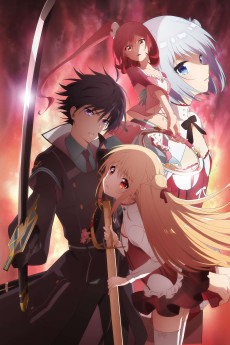
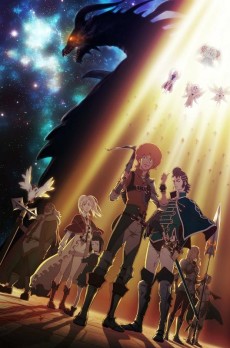
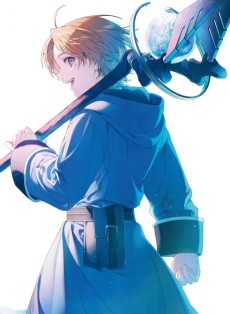
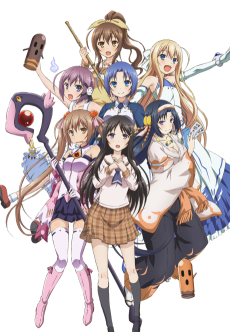
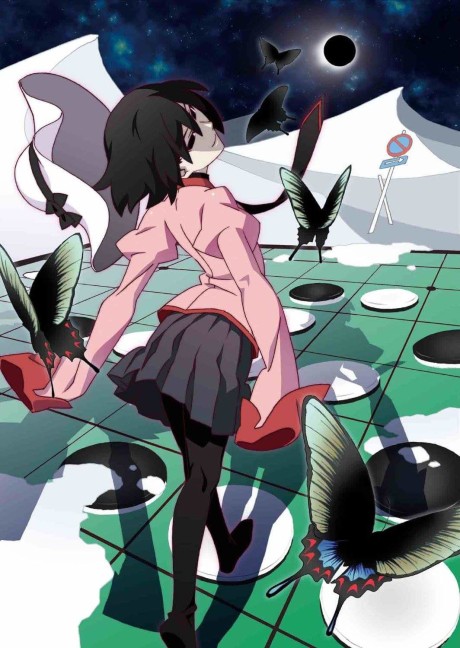
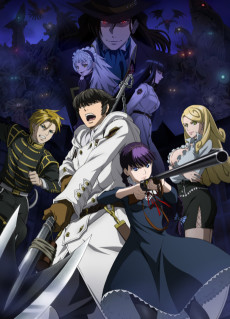
Kyra’s sudden disappearance echoes Nezuko’s transformation—not as loss, but as a haunting threshold between human fragility and supernatural consequence. Where *Two Worlds* frames its dark fantasy through crumbling elven ruins and orcish siege lines, *Demon Slayer*’s Entertainment District Arc deepens melancholic exploration with lantern-lit alleys and the quiet agony of breath-holding fighters. Their shared 💥 action spectacle isn’t just choreographed—it’s weighted: every sword strike and spell-cast carries grief’s gravity.

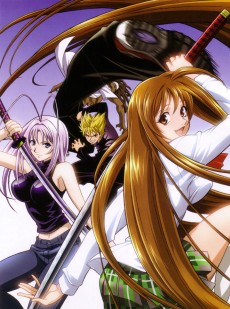
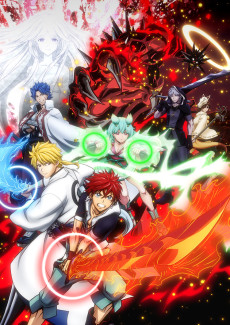
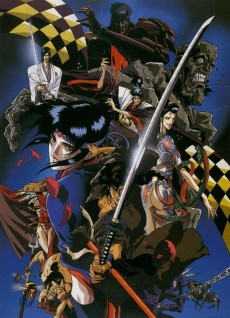
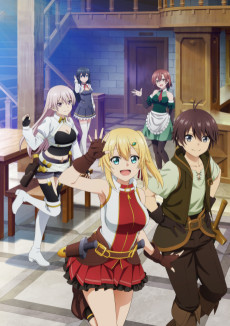
Lina Inverse’s explosive Fireball incantation—flaring across a crumbling temple in *Slayers*’ Season 1 finale—mirrors Kyra’s sudden, destabilizing disappearance in *Two Worlds Epic Edition*, where magic fractures reality as much as it empowers. Unlike most dark fantasy pairings, their resonance lives in 🌿 Melancholic Exploration: both treat wonder and loss as twin currents, not opposites—Lina’s laughter echoing hollowly after a village’s ruin, Kyra’s absence haunting every Orc-held ruin. That shared ache beneath the 💥 Action Spectacle makes their kinship unexpectedly profound.
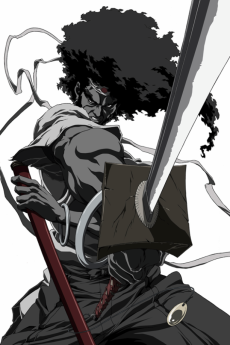
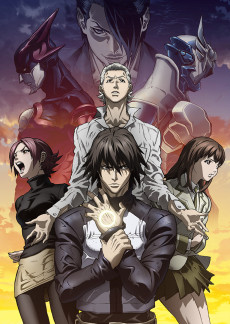
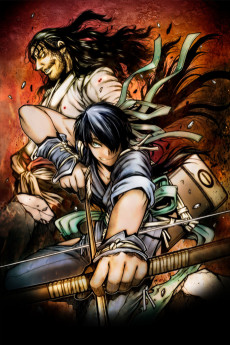
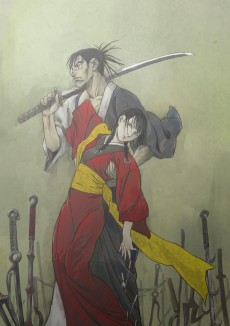
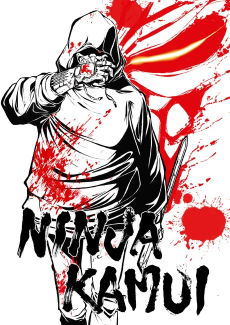
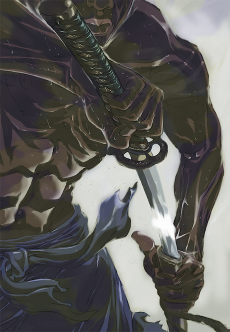
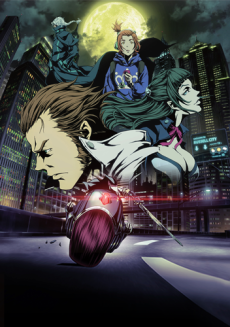
Kyra’s sudden disappearance echoes Afro’s childhood trauma—both fractures ignite quests where vengeance and duty blur. Unlike most dark fantasy, *Two Worlds Epic Edition* and the 5-episode *Afro Samurai* TV series channel 💥 Action Spectacle not just through choreography, but through visceral, melancholic weight: Afro’s silent walk down blood-slicked corridors mirrors the Orc-infested ruins where grief reshapes identity. This pairing surprises by treating violence as elegy—not catharsis.

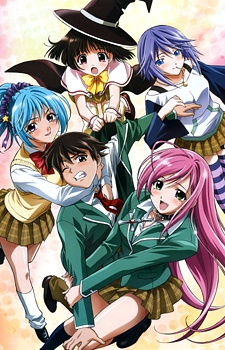
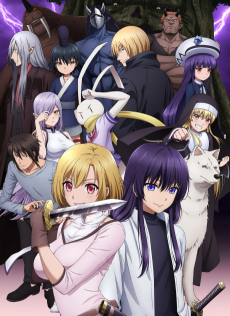
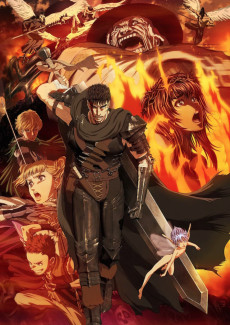
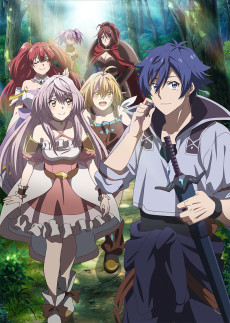
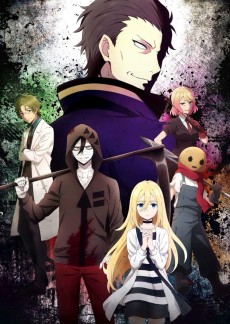
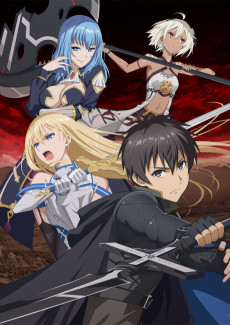
Kyra’s sudden disappearance in *Two Worlds Epic Edition* echoes Beryl Gardinant’s buried past—not as failure, but as a suppressed catalyst. Where the game plunges players into gritty, morally ambiguous Orc–human warfare, the anime subverts dark fantasy expectations by grounding its 💥 Action Spectacle in quiet village dojo rhythms and wry, weary humor. That tension—between buried trauma and explosive consequence—makes their resonance startlingly coherent, not just tonal but structural.
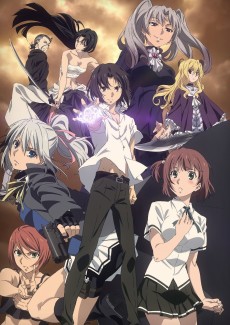
Dark worlds where beauty and brutality coexist — every victory comes at a cost.
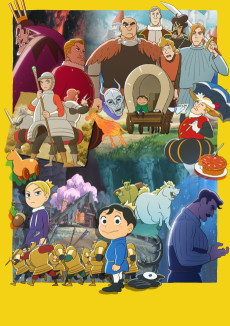
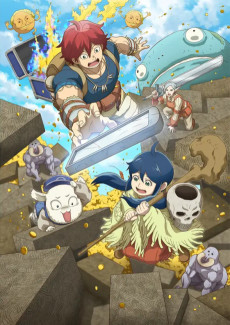
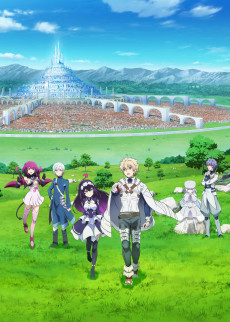
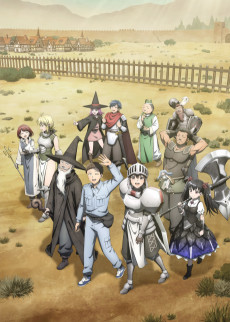
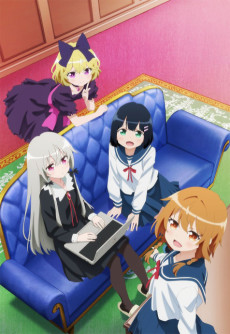
Kyra’s sudden disappearance echoes Bojji’s silent vulnerability—both characters vanish not through weakness, but as catalysts that fracture fragile peace. Unlike most dark fantasy pairings, this resonance isn’t in grand battles alone, but in how each work lingers in melancholic exploration: the crumbling Orc strongholds of *Two Worlds* mirror the haunting, empty corridors of the King’s abandoned treasury in *Ranking of Kings: The Treasure Chest of Courage*. That shared ache—between a sister’s absence and a prince’s unspoken grief—makes their convergence unexpectedly tender beneath the action spectacle.
Dark worlds where beauty and brutality coexist — every victory comes at a cost.
Dark worlds where beauty and brutality coexist — every victory comes at a cost.





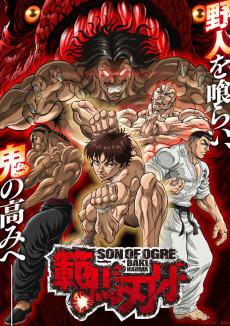
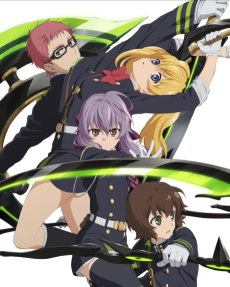
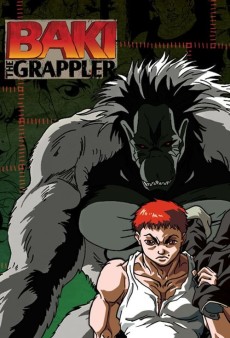
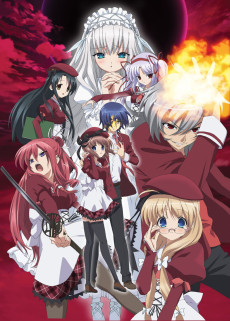














![Fate/stay night [Heaven’s Feel] III. spring song](https://s4.anilist.co/file/anilistcdn/media/anime/cover/large/bx21719-MSdTlkno0Z0u.jpg)


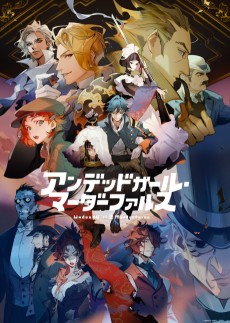
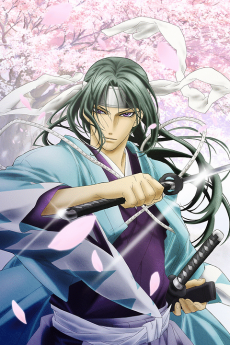

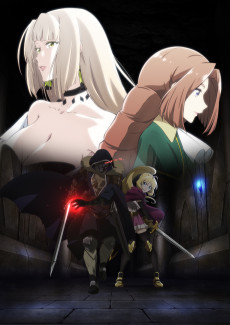
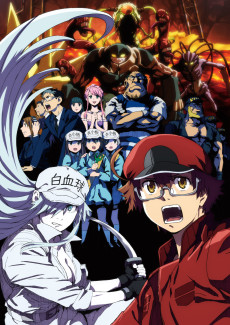
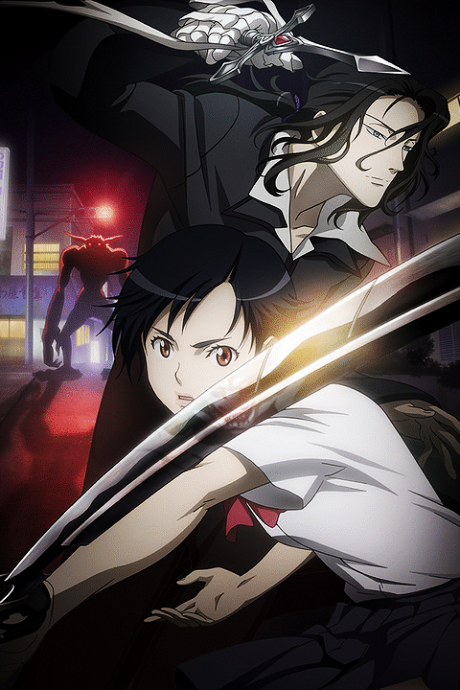
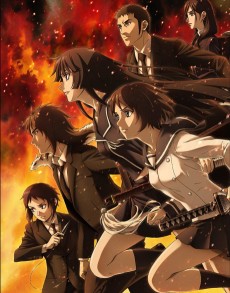

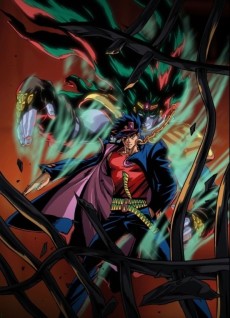
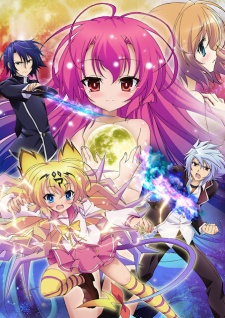
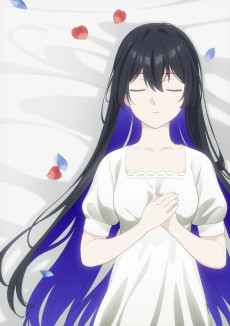
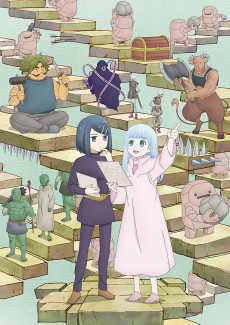
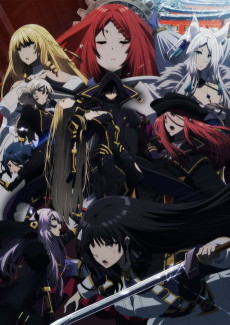


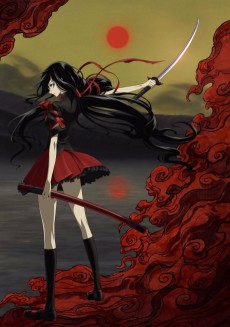
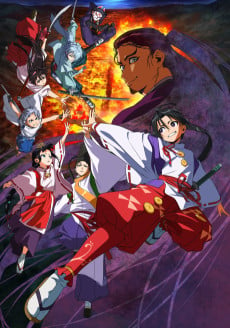
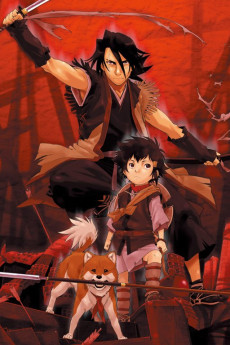
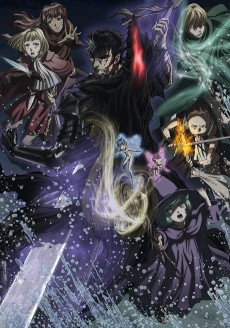
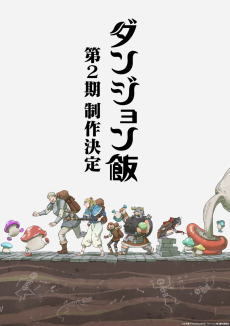















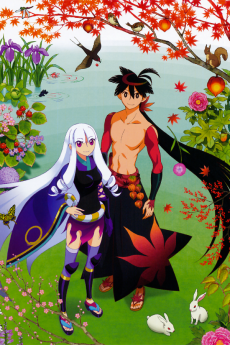


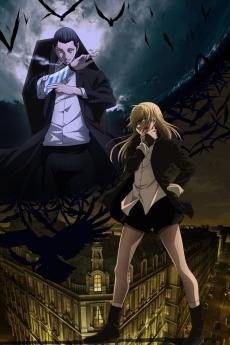
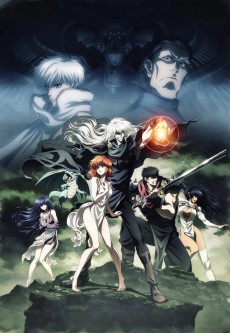

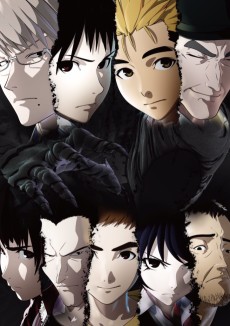


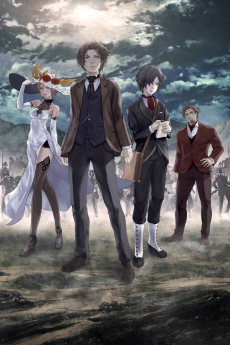
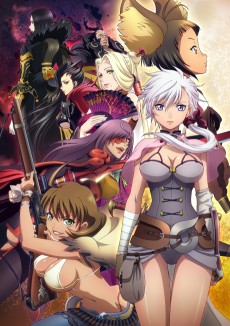
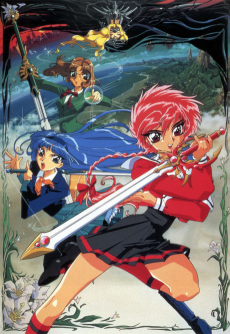
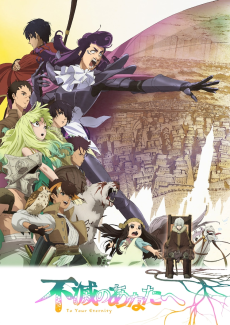













Match Dimensions Explained
❓Frequently Asked Questions
Why does Demon Slayer: Kimetsu no Yaiba keep popping up in 'Anime Like Two Worlds Epic Edition' lists?
It’s not just the sword-fighting—it’s how both *Demon Slayer* and *Two Worlds* lean hard into melancholic exploration: Tanjiro’s grief over his slaughtered family mirrors Kyra’s sudden disappearance and the hero’s desperate search across war-torn lands. Plus, the ‘Dark Fantasy’ + ‘Action Spectacle’ combo hits hard in scenes like the Mugen Train arc’s shadowy train battles or *Two Worlds*’ Orc siege sequences where magic flares amid crumbling ruins.
Is there a Two Worlds Epic Edition anime adaptation?
No—there’s never been an official anime adaptation of *Two Worlds: Epic Edition*, and none is in development. The game’s cult status comes from its janky charm (like those hilariously stupid voice lines fans love) and Gothic-tinged worldbuilding—not licensed media. That said, *Ranking of Kings: The Treasure Chest of Courage* nails that same underdog-in-a-broken-kingdom vibe with Bojji’s quiet resolve echoing the player’s scrappy, bug-riddled journey.
How does Two Worlds Epic Edition compare to Afro Samurai in terms of tone and pacing?
Both hit that brooding, hyper-stylized ‘Dark Fantasy’ groove—but *Afro Samurai* is all tight, brutal duels and visual minimalism (like Afro’s silent walk through blood-slicked corridors), while *Two Worlds* leans into messy, systemic chaos: you’ll get ambushed by Orcs mid-conversation with a drunk blacksmith in Lornburg, then accidentally set your own campfire ablaze thanks to a scripting quirk. It’s *Afro*’s cool precision meets *Two Worlds*’ gloriously broken RPG soul.
What’s the best anime like Two Worlds Epic Edition if I want something with heavy melancholic exploration but less frustration?
Go straight to *Ranking of Kings: The Treasure Chest of Courage*—it shares that same aching, world-weary heart: Bojji’s struggle to be seen mirrors Kyra’s vanishing and the weight of being ‘chosen’ in a fractured realm. Unlike *Two Worlds*’ infamous bugs (remember those XP/7/10/11 crashes?), *Ranking of Kings* delivers its melancholy with polished tenderness—no random deaths, just raw, beautiful sorrow in every frame of Bojji’s silent courage.