Berserk of Gluttony
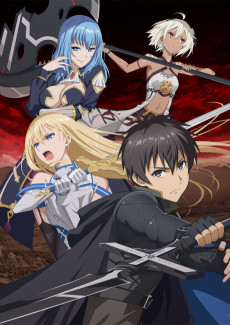
Fate Graphite was born into a world where magical skills shape your destiny. His skill is Gluttony, a seemingly useless curse of unending hunger that has left him shunned and looked down upon. Until one day, after he takes the life of a thief, his true power awakens: he can devour the skill of anyone he kills to feed his appetite. Will he learn to control this gruesome ability for the better?
(Source: Crunchyroll)
📺Anime Details
📝Editorial Analysis
The first time Fate Graphite kills, his stomach doesn’t roar — it hollows. Not with hunger, but with sudden, silent vacuum, as if the air itself has been sucked from his ribs. His fingers are still slick with the thief’s blood when the world tilts: a flash of stolen light, a jolt like swallowing lightning, and then — silence. Not peace. Just weight. The thief’s skill — something small, flickering, useless to anyone else — settles inside him like cold iron. That moment isn’t triumph. It’s violation. Of the dead. Of himself. Of the very idea that power should ever taste like guilt.
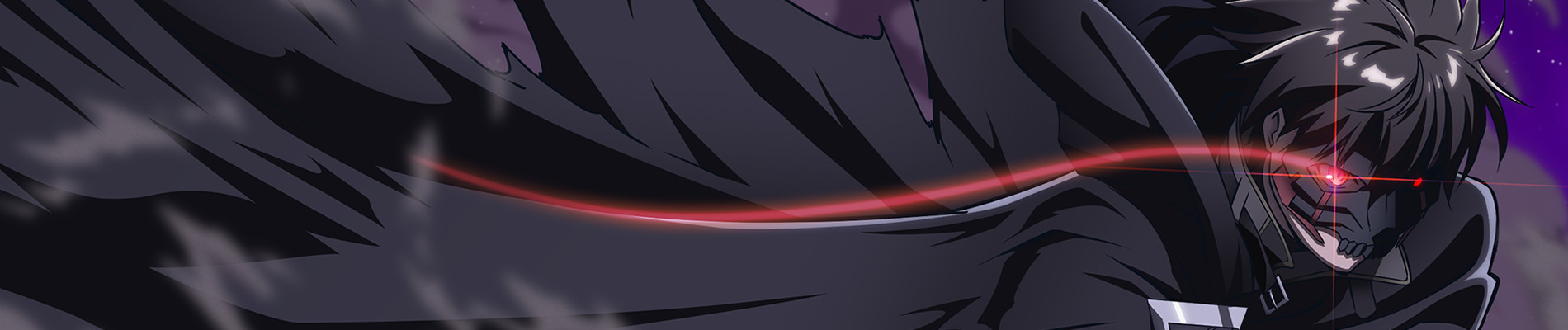
What makes Berserk of Gluttony ache so deeply isn’t its fantasy scaffolding — not the swordplay, not the lost civilizations — but the melancholic exploration of self-worth carved out in isolation. This is an anime that lives in the gap between being seen and being used, where every meal is a reminder of deficiency, and every kill becomes a grim sacrament. You don’t feel heroic watching Fate walk dusty roads; you feel the grit under his boots, the slow burn of class resentment in his throat, the way his magic doesn’t gleam — it gulps. It’s not spectacle for spectacle’s sake. It’s action that leaves bruises on the soul. The world feels worn, unjust, anachronistic not by design but by neglect — like history forgot to upgrade its moral infrastructure.
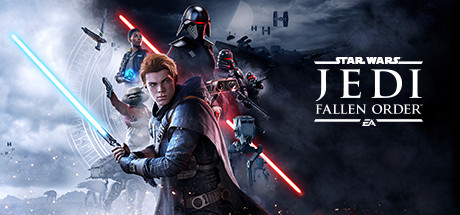
That same bruised, searching weight pulses through Sacred Gold, where players step into a kingdom already shadowed — not by a final boss, but by exhaustion. Its description names “blood-thirsty orcs & lumbering ogres,” yes, but the player review cuts deeper: “Full of jank, bugs and is not very stable on modern systems…” That instability isn’t just technical — it mirrors Fate’s own unreliable power, his body betraying him even as he tries to master it. Fighting in Sacred Gold feels less like conquest and more like persistence — pushing forward despite glitches, much like Fate pushes forward despite being treated as a walking liability. Both ask you to endure the friction of a broken system, not to fix it cleanly, but to survive its jagged edges.
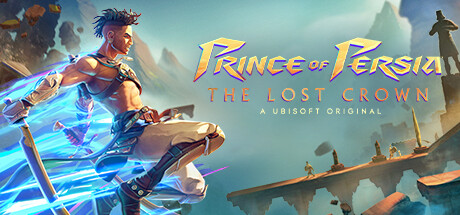
Then there’s Prince of Persia, whose description promises “an all-new epic journey” built by Ubisoft Montreal — yet the player review quietly observes it’s “the 3rd reboot… completely separate from the sands…” That line lands like a sigh. It’s not nostalgia they’re chasing — it’s reinvention born from erasure. Like Fate, this Prince isn’t inheriting glory; he’s stepping into a void left by legacy, forced to define himself without precedent. His journey isn’t about returning home — it’s about mapping a self where the old coordinates no longer apply. The melancholic exploration here isn’t just terrain — it’s identity, constantly rewritten mid-stride.
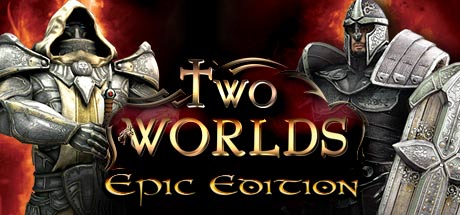
Even Two Worlds II HD, with its launch failures and OS-hopping player who’s “tried the tips recommended to fix it but it did not work,” carries that same stubborn resonance. The review doesn’t rage — it documents endurance: “I’ve played this game though several different times across different machines and four operating systems…” That repetition, that refusal to let go despite instability, echoes Fate’s quiet, grinding discipline — practicing control not because it’s easy, but because stopping would mean surrendering to the hunger’s chaos. Kyra’s disappearance in the original Two Worlds description? It’s not just plot — it’s another kind of absence, another wound that forces movement, just as Fate’s shunning forces him onto the road.
This pairing won’t thrill someone craving polished power fantasies. It’s for the player who pauses mid-swing to watch dust motes catch light in a ruined temple — for the viewer who holds their breath when Fate eats, not for the gore, but for the terrible, tender precision of his restraint. It’s for those who love stories where strength isn’t clean, where revenge curdles into responsibility, and where every step forward tastes faintly of ash — and something, just barely, like hope.
🎮13 Games That Match the Vibe


Match Dimensions Explained
❓Frequently Asked Questions
Why is Sacred Gold listed as similar to Berserk of Gluttony when it’s so buggy?
Good question — it’s not the stability that matches, it’s the *vibe*: both lean hard into melancholic exploration (think wandering desolate ruins while haunted by your own hunger-driven choices) and action spectacle (Sacred Gold’s chaotic melee against hordes of orcs mirrors Gluttony’s visceral, consequence-laden combat). Players who loved Gluttony’s tone and weighty stakes often overlook Sacred Gold’s jank because its world feels just as grimly immersive — one reviewer even called it 'full of jank, bugs and is not very stable on modern systems...' but still kept playing for that oppressive, mythic atmosphere.
Is there a Berserk of Gluttony anime or manga adaptation?
No — unlike Prince of Persia (which got multiple animated series and films), Berserk of Gluttony has no official anime, manga, or live-action adaptation. It’s purely a game-first IP. That said, fans often compare its narrative pacing and visual tone to Prince of Persia’s 2008 reboot — especially the way both use silent, emotionally charged moments (like the Prince’s solitary climb through crumbling temples) to mirror Gluttony’s introspective, hunger-fueled descent.
How does Two Worlds II HD compare to Berserk of Gluttony in terms of story depth and combat?
Two Worlds II HD shares Gluttony’s melancholic exploration — especially in Kyra’s disappearance arc and the fractured sibling dynamic — but its combat leans more into flashy spell combos than Gluttony’s punishing, stamina-based melee. Reviewers note it 'fails to launch on PC' but runs smoothly on SteamDeck, which hints at its uneven polish versus Gluttony’s tighter, more consistent systems. Still, if you love Gluttony’s brooding worldbuilding and morally grey stakes, Two Worlds II’s lore-heavy journals and decaying kingdoms hit that same emotional register.
What’s the best game like Berserk of Gluttony if I want that lonely, haunting exploration vibe?
Go straight to Prince of Persia — especially the 2008 reboot. Its desert landscapes feel eerily empty, your footsteps echo in abandoned palaces, and every platforming sequence carries quiet dread, just like Gluttony’s hollow halls and cursed feasts. The game’s ‘melancholic exploration’ dimension scores an 82 (same as Sacred Gold), and players consistently praise how its new prince — isolated, burdened, moving through ruins where time itself feels broken — channels the exact same lonely, atmospheric weight you love in Gluttony.