Prince of Persia
🎮Game Details
💬What Players Say
"Prince of Persia is the 3rd reboot of the series, introducing us to a new prince, new lands and a brand new story completely separate from the sands trilogy or any of the games before that. It has all the hallmarks of a PoP game from platforming, acrobatics, a story wrapped up in Persian mysticism and a female companion. Everything from controls to graphics to sound and a lesser degree combat all look and feel great but unfortunately I just don't really like this game...."
"A very mid game with a lot aspects just being mediocre. Combat sucks, platforming is great feels incredibly slow compared to prior games. The worst part of the game is the constant backtracking to collect a bunch of blue orbs just to pad out the game."
"On the technical side, the graphics hold up today. The art style make this look like a recent release and holds up For the music, it's fine and has some pretty good tracks. Unfortunately, the game feels pretty stretched at times and especially boss fights are very repetetive...."
📝Editorial Analysis
The first time you pause mid-leap—suspended over a sun-bleached chasm, wind catching the edge of your cloak, the camera lingering just a half-second too long on crumbling sandstone and distant, hushed dunes—you feel it: not urgency, not triumph, but stillness. Not the stillness of emptiness, but the kind of quiet that gathers like dust in sunlight—warm, granular, heavy with unspoken time. That’s the core pulse of Prince of Persia, not the combat (which player review 2 calls “mediocre”), not the backtracking (called “the worst part”), but this deliberate, almost ritualized slowness—the way platforming “feels incredibly slow compared to prior games”, how the art style makes it “look like a recent release” years later, how the music “has some pretty good tracks” that don’t shout, but settle, like breath returning after exertion.
What makes this game’s atmosphere unique isn’t its setting or its lore—it’s the melancholic reverence it holds for motion itself. You don’t sprint across ruins; you measure them. Every ledge is approached with weight, every descent calculated not for speed but for continuity—with the land, with memory, with consequence. There’s no frantic energy driving you forward, only the low hum of legacy, the sense that every stone has witnessed more than you ever will. It’s not about saving a kingdom—it’s about walking through one that’s already been lived-in, worn-down, softened by centuries. That’s why the graphics “hold up today”: they’re not built for spectacle, but for endurance—a visual language that breathes rather than shouts. This isn’t adventure as conquest. It’s adventure as return—to place, to rhythm, to the quiet dignity of moving through a world that doesn’t need you to fix it, only to witness it properly.
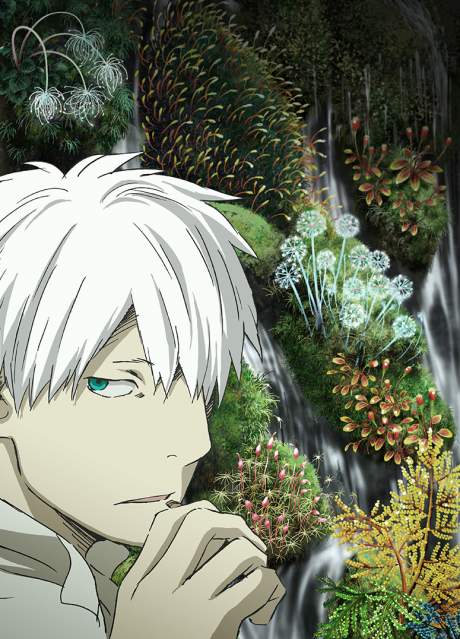
That same emotional resonance lives unmistakably in Natsume's Book of Friends Season 6, where every frame lingers on rain-slicked tatami, steam curling from a teacup, or the way light catches the edge of a folded paper charm—moments that don’t advance plot so much as deepen presence. Like the Prince’s slow traversal, Natsume’s walks home are acts of quiet reintegration, steeped in healing, melancholic exploration, and the gentle ache of belonging without possession. Then there’s Heaven Official's Blessing, whose pacing refuses urgency even amid cosmic stakes—its romance unfolds in glances held too long, in silences thick with centuries of unspoken grief and tenderness. The Prince doesn’t rush to defeat a villain; Xie Lian doesn’t rush to reclaim glory. Both move through worlds saturated with loss, choosing slowness as resistance—not against time, but with it. And Frieren: Beyond Journey’s End Season 2 mirrors this precisely: Frieren’s journey isn’t measured in battles won, but in pauses—watching cherry blossoms fall, hearing a lullaby decades old, feeling the weight of time not as burden, but as texture. Her platforming is literal: climbing stairs, crossing bridges, stepping into rooms unchanged—just like the Prince’s own “constant backtracking”, which isn’t poor design, but narrative echo: returning to places not to solve them again, but to see them anew, with older eyes.
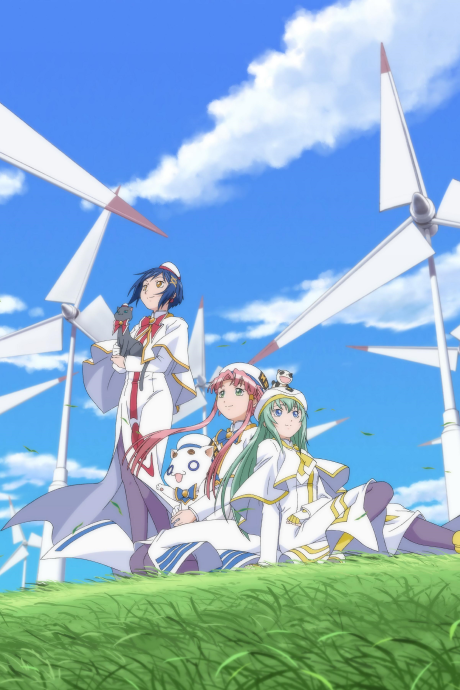
These pairings aren’t for players who crave adrenaline spikes or viewers who need constant escalation. They’re for the person who replays a single platforming sequence three times—not to master it, but to feel the grain of the animation, the way cloth moves in wind, the exact pitch of a flute note swelling beneath silence. They’re for the reader who underlines sentences about tea-steeping in ARIA The ORIGINATION, or the viewer who watches Delicious in Dungeon not for the monsters, but for the way a shared meal in a damp cavern feels like sanctuary. They’re for those who understand that healing isn’t always loud, that romance can live in a glance across a sunlit courtyard, and that melancholy isn’t sadness—it’s the quiet awe of standing in a place that remembers longer than you do. This is for the ones who don’t skip cutscenes. Who pause at thresholds. Who breathe before jumping—and feel the air, not just the fall.
→699 Anime That Match the Vibe

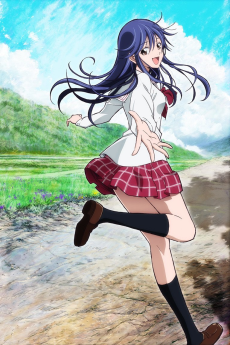
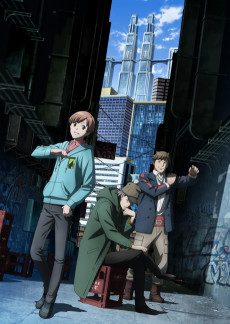
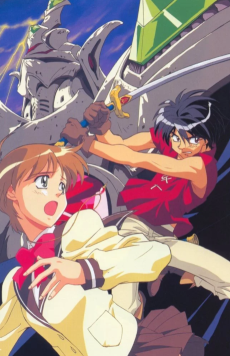
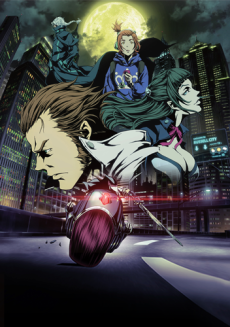
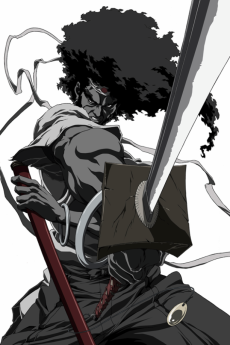
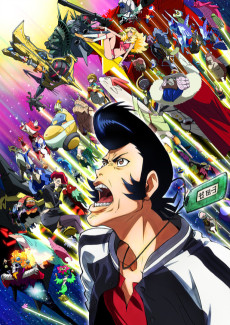
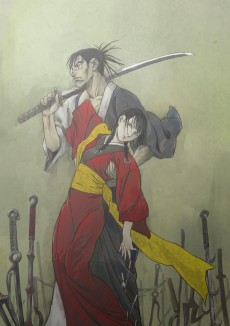
Mugen’s rooftop parkour—leaping, flipping, slashing mid-air—feels like a living echo of the Prince’s acrobatic dagger combat in *Prince of Persia*’s crumbling palaces. Where melancholic exploration lingers in the Prince’s silent walks through time-rotted corridors, *Samurai Champloo* answers with Fuu’s quiet gaze across sun-dappled fields—both honoring healing & slow life amid kinetic chaos. That tension—between breathless action spectacle and hushed, human stillness—is what makes their resonance so unexpectedly rich.

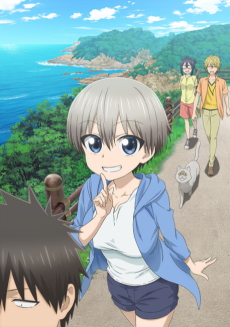
Hitori Gotou’s trembling hand hovering over a guitar string—frozen mid-air like the Prince pausing on a crumbling ledge—captures that shared, breath-held tension between paralysis and possibility. Unlike most comedies that rush past anxiety, both *Prince of Persia* (1989) and *BOCCHI THE ROCK!* Season 2 lean into **🌻 Healing & Slow Life**, letting silence, hesitation, and small physical gestures carry emotional weight. The resonance isn’t in spectacle but in how each frames vulnerability—not as weakness, but as the precise, fragile threshold where courage begins.

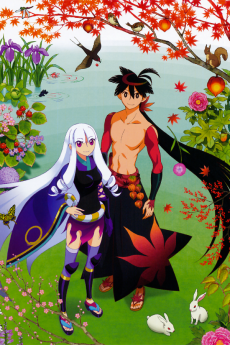
Frieren’s quiet walk through the autumnal forest path—where time blurs between memory and present—echoes Prince of Persia’s sand-swept ruins, where every crumbling arch holds breathless stillness before collapse. 🌿 Melancholic Exploration binds them: not as escapism, but as tactile reverence for what endures *after* the climax fades. Season 2 deepens this by lingering on Fern’s unspoken grief while the Prince navigates consequences without fanfare—both choosing slowness as resistance.
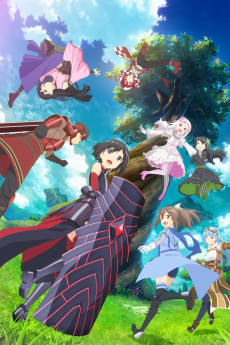
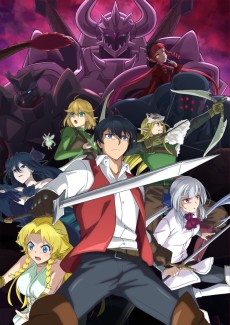
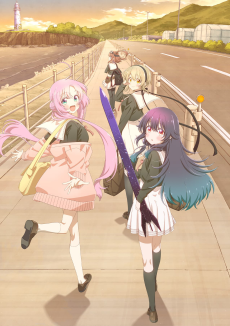
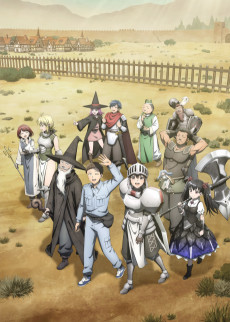
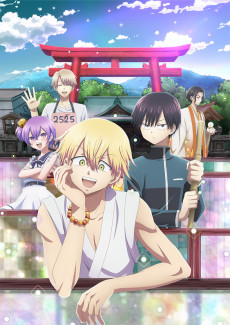
Both luxuriate in tactile, sun-drenched physicality—Prince of Persia’s golden-hour sandstone palaces and BOFURI’s honey-glazed fantasy towns share a warm, weighty luminosity where every vault, dodge, and shield-bash feels grounded yet balletic. Their comedy arises from the same paradox: hyper-competence expressed through serene, almost meditative slowness—Aladdin’s gravity-defying parkour mirro...

Both luxuriate in sun-drenched, tactile domesticity—Prince of Persia’s golden-hour palace courtyards and Kobayashi’s warm, cluttered apartment share the same hushed reverence for quiet intimacy, teacups steaming beside open windows. Their romance unfolds through restrained glances and gentle physicality: Aladdin’s hand brushing a dragon’s scaled forearm mirrors the Prince’s hesitant touch on Fa...

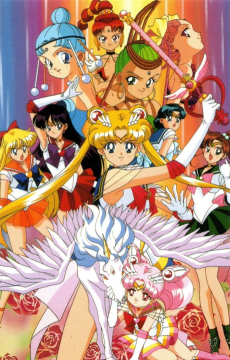
Both luxuriate in jewel-toned, sun-drenched opulence—*Prince of Persia*’s golden palaces and *Sailor Moon*’s crystalline Tokyo share the same shimmering, high-contrast chromatic grammar. Their romance thrums with chaste yearning and theatrical devotion: the Prince’s silent vow to Farah mirrors Usagi’s breathless, tear-gleaming declarations to Mamoru—both rooted in loyalty over lust. And their a...

Both *Prince of Persia* and *Cardcaptor Sakura* breathe the same hushed, gilded air—sun-drenched courtyards dissolving into twilight melancholy, where every sandstone arch and cherry-blossom-laced staircase hums with unspoken longing. Their action isn’t just spectacle but lyrical movement: the Prince’s fluid parkour across crumbling ziggurats mirrors Sakura’s weightless, ribbon-guided leaps thr...
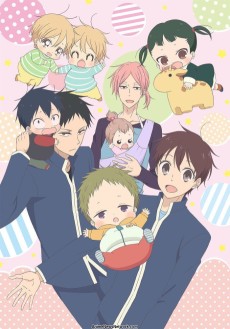
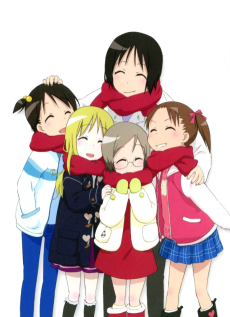
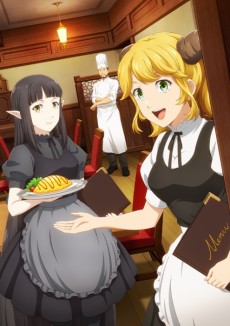
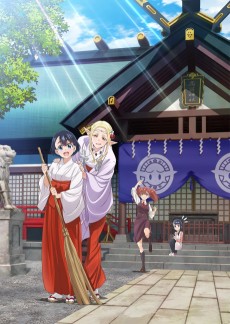
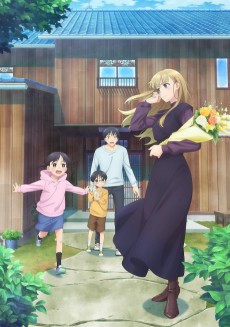
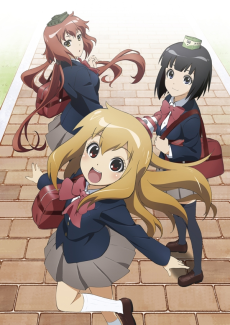
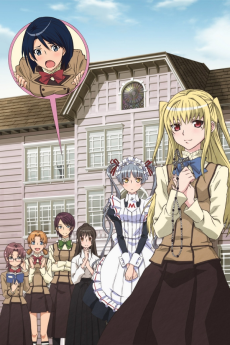
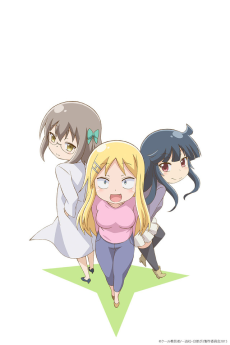
Both *Prince of Persia* and *School Babysitters* breathe the same hushed, sun-dappled air of tender restoration—where time softens at the edges: the Prince’s sand-swept courtyards and Ryūichi’s sunlit nursery share golden-hour lighting, warm amber palettes, and quiet reverence for small, healing gestures—holding a child’s hand, mending a torn sleeve, sharing tea in still silence. Their romance ...

Connected through 3 aesthetic dimensions.
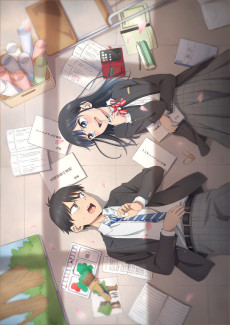
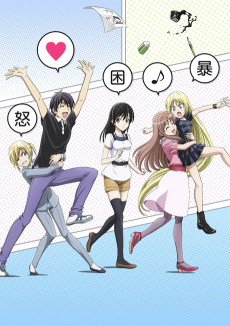
Both *Prince of Persia* and *Pseudo Harem* dwell in sun-bleached, sand-dusted liminality—where palace courtyards and quiet dorm rooms become stages for melancholic wandering, not conquest. Their comedy arises from gentle absurdity: the Prince’s silent, weary shrugs mid-acrobatic stumble mirror Rintarou’s deadpan sighs as he’s dragged into yet another faux-harem misunderstanding. Healing unfolds...




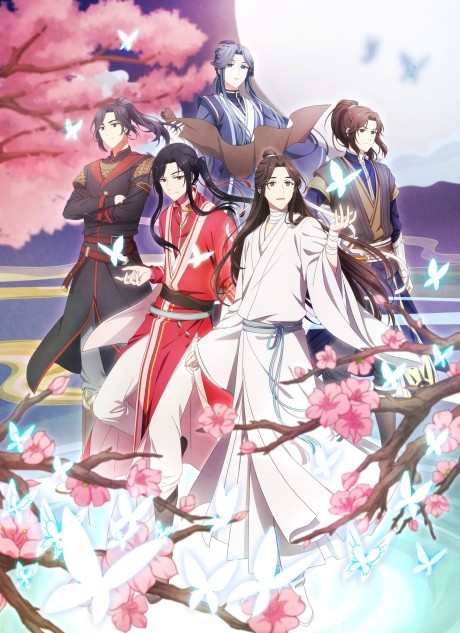









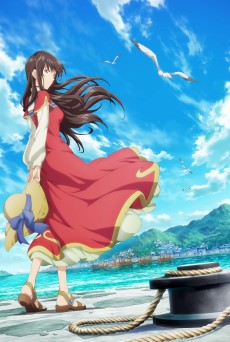






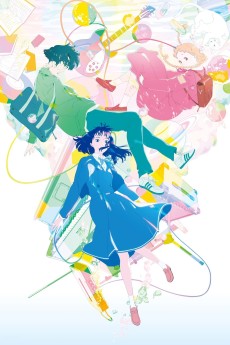






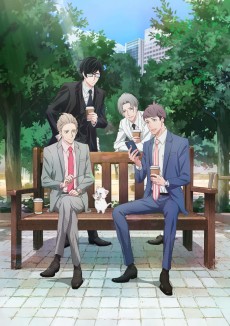

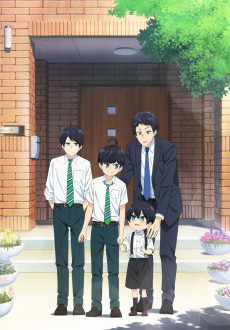














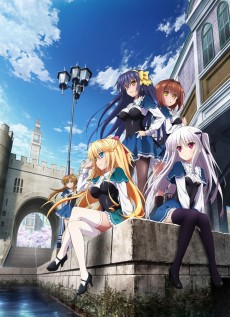
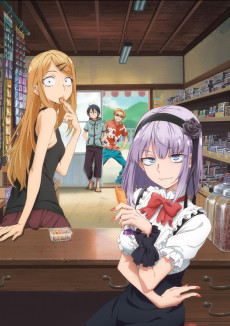


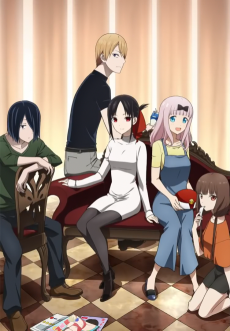


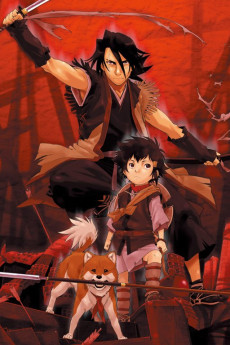














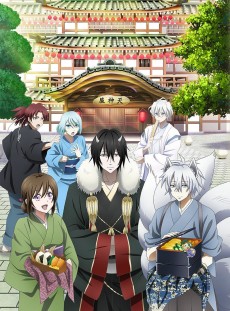



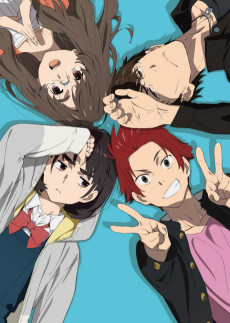
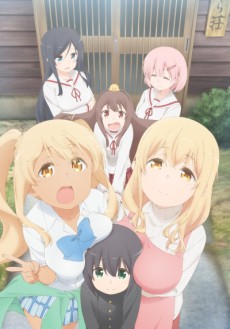






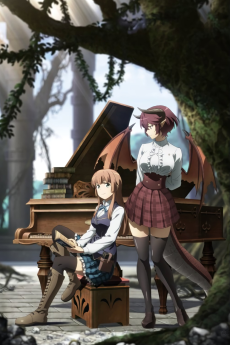


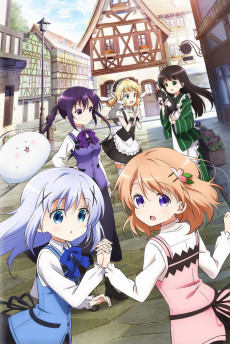

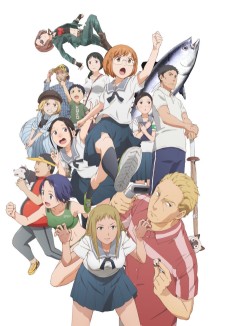
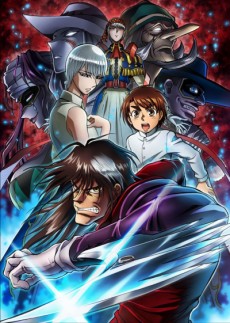




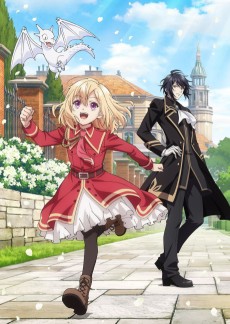










































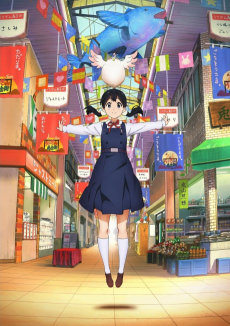

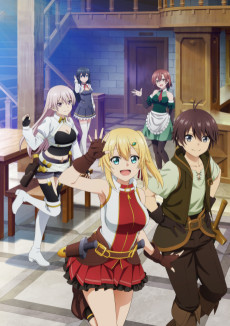




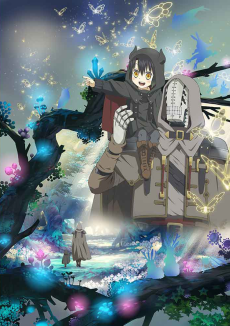



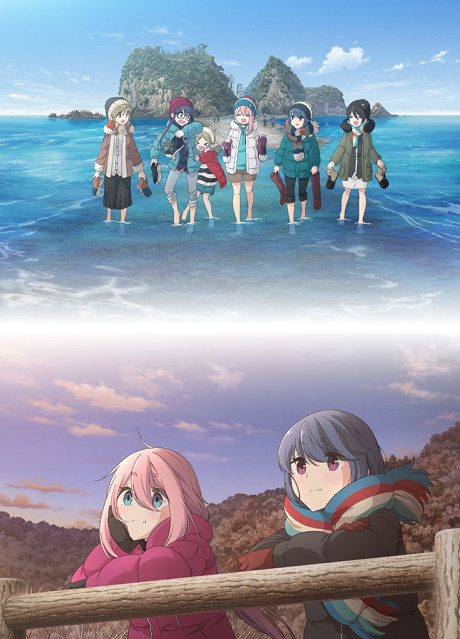








































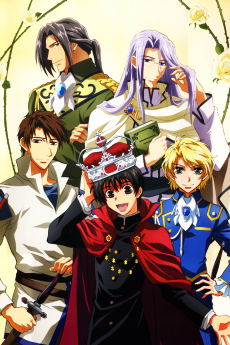



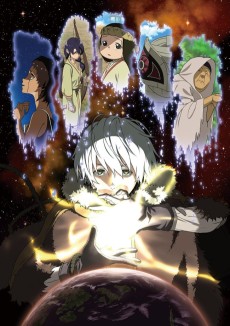








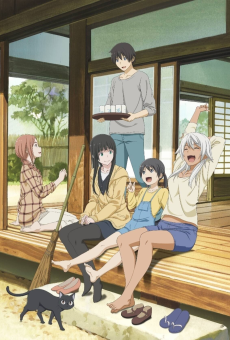

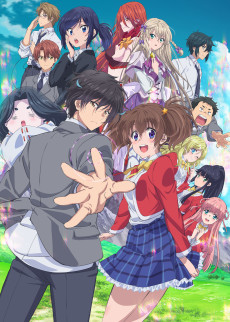





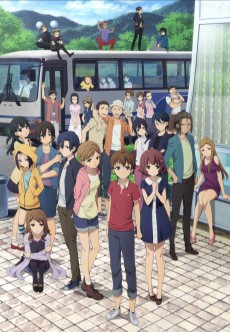
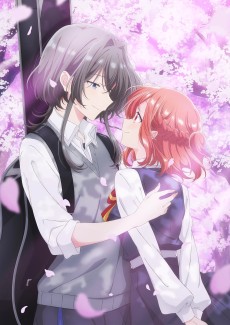

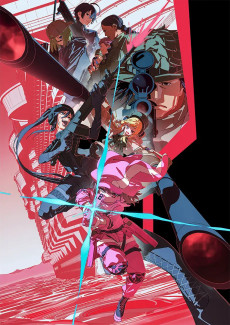
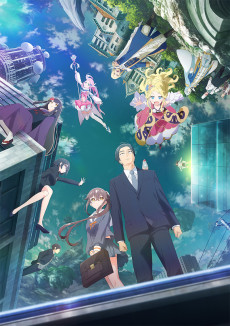


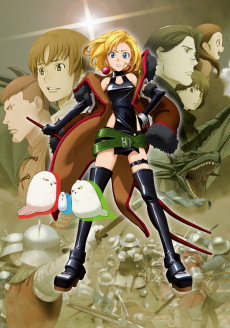
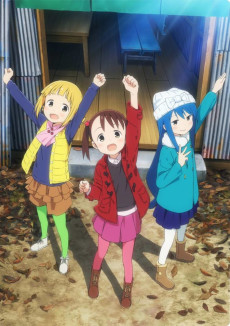
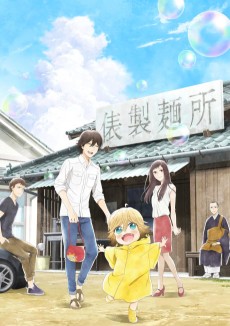
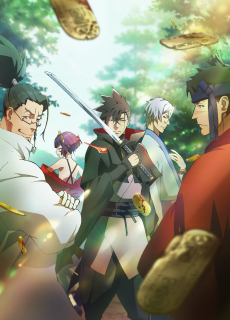









































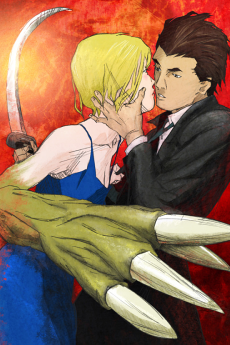
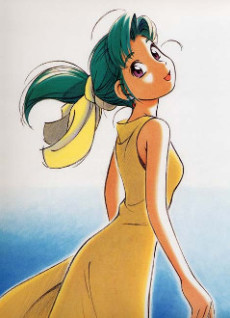



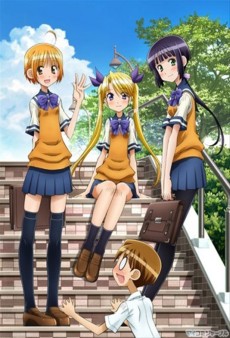


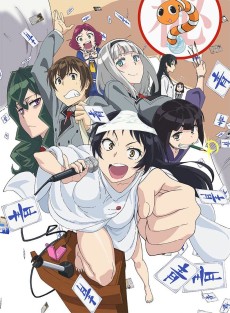



























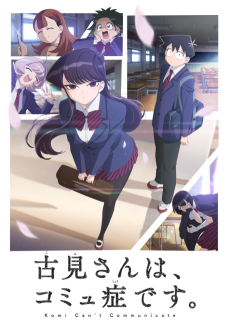

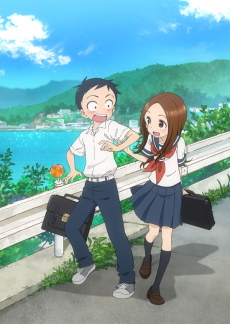
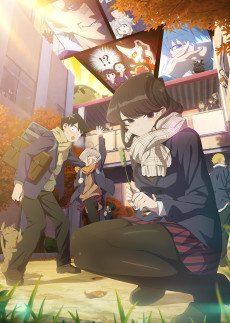


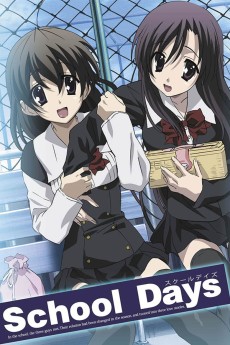
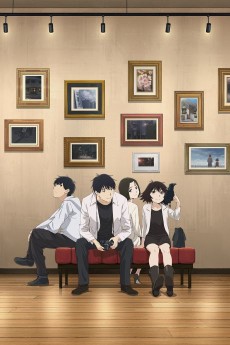
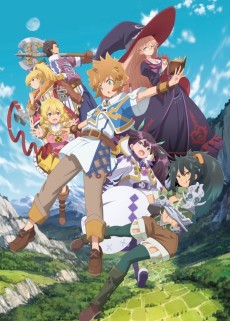
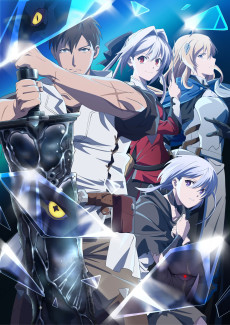




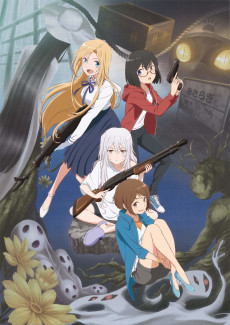












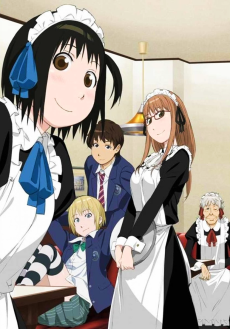


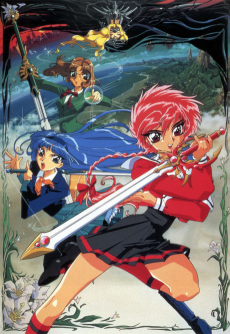



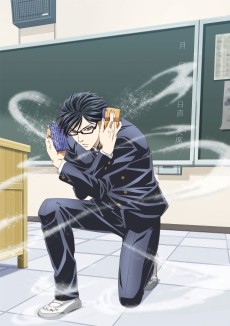


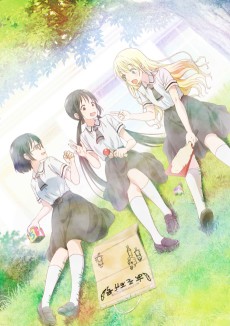
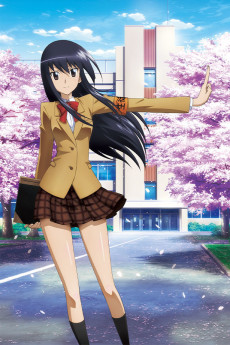

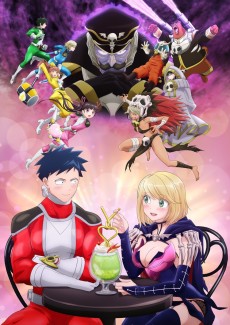
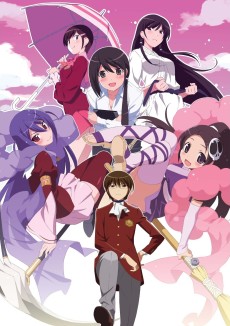
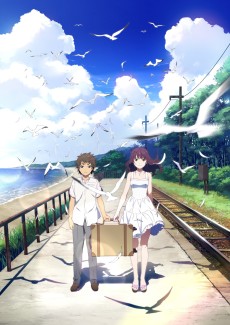























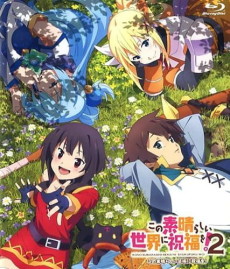
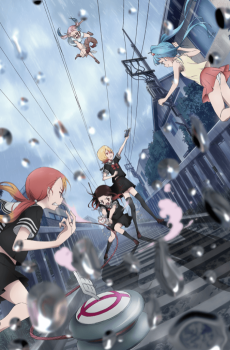
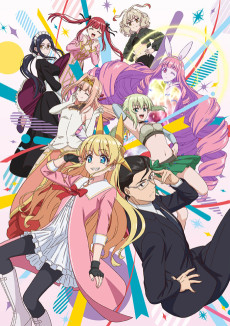
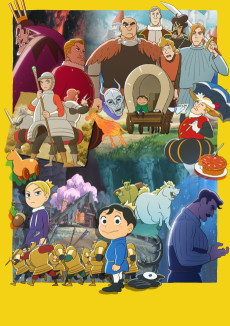















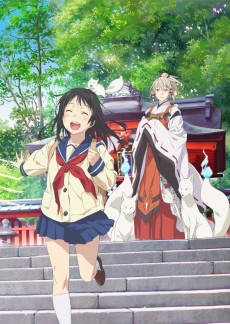


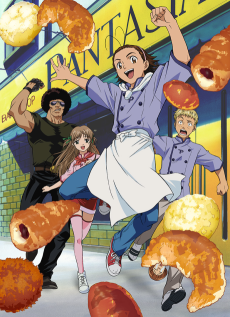
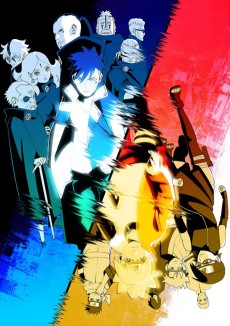






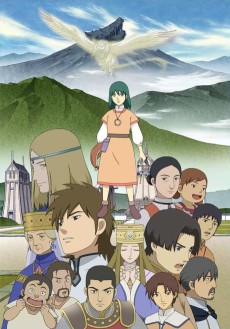









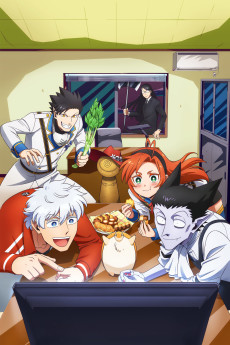

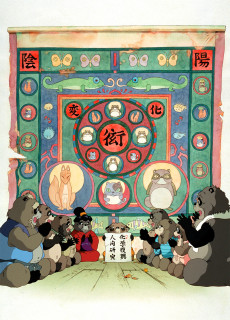





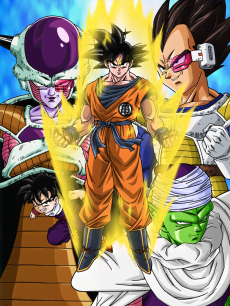


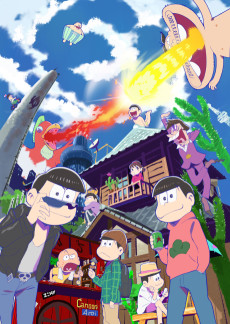

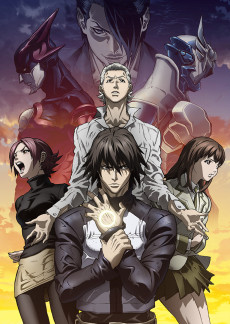
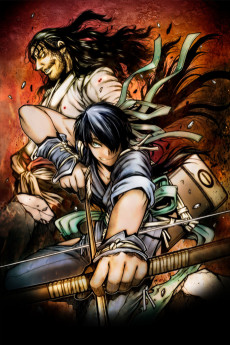

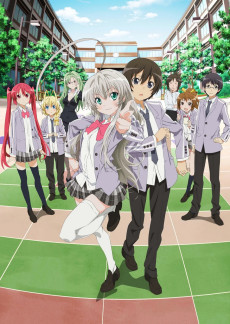











































![Fate/stay night [Heaven's Feel] I. presage flower](https://s4.anilist.co/file/anilistcdn/media/anime/cover/medium/bx20791-yPCX5GJuMH2k.png)








![Fate/stay night [Heaven’s Feel] III. spring song](https://s4.anilist.co/file/anilistcdn/media/anime/cover/large/bx21719-MSdTlkno0Z0u.jpg)







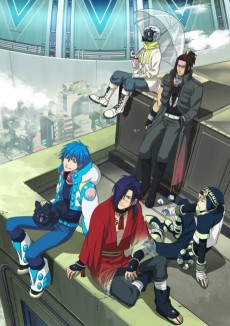

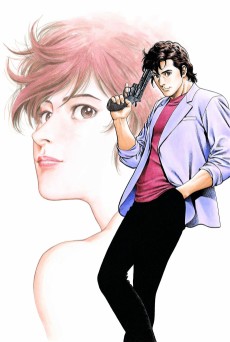



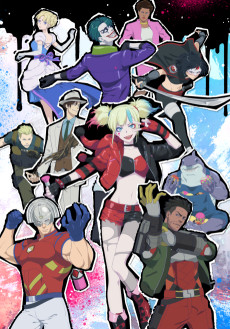
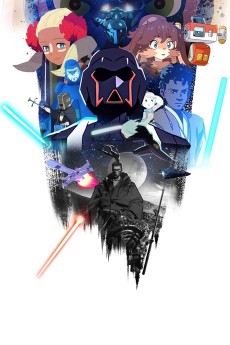
Match Dimensions Explained
❓Frequently Asked Questions
Why does Heaven Official's Blessing keep popping up in 'Anime Like Prince of Persia' lists?
It’s not about sword fights or sand magic — it’s the shared melancholic exploration and slow-burn emotional weight, like when Xie Lian wanders ruined celestial palaces or reflects on centuries of loss, mirroring the new Prince’s quiet, weary journey through decaying ruins and forgotten kingdoms. The healing & slow life dimension hits hard in episodes like S2E7, where stillness and memory carry more tension than any chase scene.
Is there an anime adaptation of Prince of Persia?
No — there’s never been an official anime adaptation of *Prince of Persia*, not even for the 2024 reboot. That’s why fans lean into shows like *Frieren: Beyond Journey’s End* Season 2, where Frieren’s centuries-long pilgrimage through mist-draped forests and crumbling watchtowers echoes the game’s visual tone and contemplative pacing — especially that haunting, rain-slicked bridge sequence in episode 12.
How is Natsume's Book of Friends Season 6 similar to Prince of Persia when one’s a gentle yokai story and the other’s an action platformer?
They both hinge on *melancholic exploration* — think Natsume retracing old paths with Takashi’s grandmother’s journal in hand, just like the Prince navigating labyrinthine, time-weathered ruins while uncovering fragmented lore. The score (86) matches because both use silence, lingering shots of overgrown courtyards or sunlit stone arches, and emotionally weighted backtracking — not as a gameplay flaw, but as narrative ritual.
What if I love the Prince of Persia reboot’s art style and music but hate clunky combat — what anime should I try?
Go straight to *ARIA The ORIGINATION*: its watercolor Venice-inspired cityscapes, gentle piano-led score, and unhurried boat rides across shimmering canals deliver that same next-gen visual polish and atmospheric music — without a single fight scene. You’ll get the same ‘feels like a recent release’ elegance (per the player review) and that rare, grounded sense of wonder — like watching Akari glide past domed rooftops at golden hour.