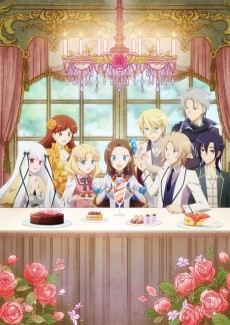
My Next Life as a Villainess: All Routes Lead to Doom! X
The second season of Otome Game no Hametsu Flag shika Nai Akuyaku Reijou ni Tensei shiteshimatta….
Katarina Claes, the daughter of a duke, regains her memories from a previous life after hitting her head on a rock. The world she lives in now is the world of Fortune Lover, the otome game she was hooked on in her previous life, and she is now the villainess who interferes with the heroine's love story! The happy ending prepared for Katarina in the game is being exiled from the country, and the bad ending, she gets killed... but she's determined to avoid all destruction flags and claim a happy future for herself! And after she succeeds in avoiding those flags, a new crisis awaits?! The curtain rises once again on this flirtatious romantic comedy!
(Source: Crunchyroll)
📺Anime Details
📝Editorial Analysis
The teacup trembles—not from fear, but from laughter. Katarina Claes, sleeves slightly dusted with flour, balances a lopsided cake on a silver tray while her maid sighs in fond exasperation. Outside the sun-dappled conservatory, a prince pauses mid-sword flourish, distracted by the sound of her off-key humming. A nobleman leans against a marble pillar, pretending to read poetry—but his eyes keep flicking toward her, not the page. No one is dying. No kingdom is crumbling. Yet the air hums with tenderness, with the quiet, stubborn warmth of people choosing kindness—even when the script says they shouldn’t.
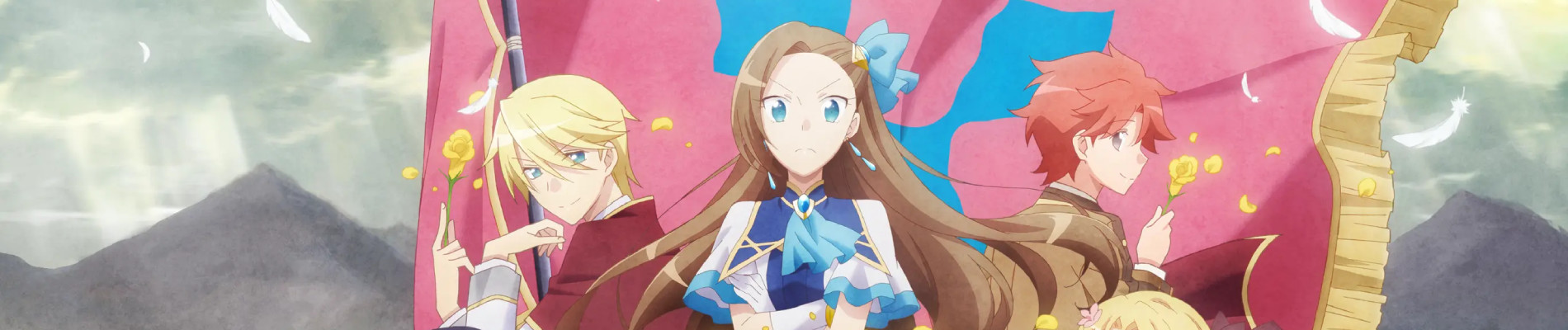
That’s the heartbeat of My Next Life as a Villainess: All Routes Lead to Doom! X: not escape, but reclamation. It doesn’t ask you to believe in destiny—it asks you to believe in second chances, in the soft, persistent power of showing up wrongly, gently, and again. This isn’t fantasy as spectacle or romance as conquest. It’s fantasy as domestic alchemy—where swordplay lessons end with shared strawberry tarts, where royal affairs unfold over embroidery hoops and misdelivered love letters, where “doom flags” aren’t threats but invitations to rewrite the margins of someone else’s story. You don’t feel awe here—you feel safe, deeply and unironically safe, even amid dukes, duels, and doomed endings.
Which makes the resonance with certain games startling—not because they’re similar in plot or setting, but because they share that same emotional grammar: the belief that comedy and care can coexist with consequence, that spectacle doesn’t have to erase intimacy, and that parody can be tender, not cruel. Take Prince of Persia (score: 83). Its description highlights Romance & Shoujo, Action Spectacle, and Comedy & Parody—a rare triad. And the player review calls it “a new prince, new lands and a brand new story completely separate from the sands…” That word—separate—is key. Like Katarina rewriting Fortune Lover’s script, this Prince isn’t bound by legacy; he’s allowed levity, vulnerability, and romantic sincerity within action. His acrobatics aren’t just flash—they’re choreographed charm, much like Katarina’s clumsy curtsies or the way a rival noble stumbles mid-insult when she offers him tea instead of a challenge.
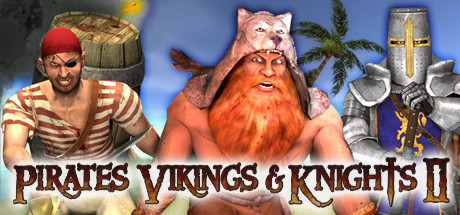
Then there’s Pirates Vikings & Knights II (score: 59), whose description promises “swashbuckling Pirates, battle-hardened Vikings, and chivalrous Knights in hilarious combat”—and whose player review admits it’s “very goood… but normal MM is dog rn cuz devs R ass at balance.” That dissonance—hilarious combat paired with broken systems—mirrors the anime’s own tonal tightrope. Katarina’s world is mechanically rigid (doom flags, route locks, harem logic) yet emotionally porous. Just as PVKII players must join Discord servers to find real connection amid janky matchmaking, Katarina finds genuine affection despite the game’s cruel architecture—because she treats NPCs like people, not variables. The chaos isn’t a flaw; it’s the condition for sincerity.
Even Sacred Gold, with its grim tagline (“A shadow of evil has fallen on the kingdom of Ancaria”) and player complaint about instability (“Full of jank, bugs…”), echoes something vital: the anime’s refusal to let darkness monopolize weight. Katarina doesn’t defeat doom flags with magic or might—she unravels them with maidenly earnestness, with shared jam recipes and impromptu dance lessons. Sacred Gold’s “blood-thirsty orcs & lumbering ogres” are threats—but so is loneliness, so is miscommunication, so is the quiet dread of being written off before you speak. Both works hold space for the gritty and the graceful, never letting one cancel the other.
This pairing isn’t for fans of high-stakes tragedy or flawless power fantasies. It’s for the person who rewatched the scene where Katarina tries—and fails—to bake a proper cake three times, not for the punchline, but for the way each failed attempt makes the servants smile wider. It’s for the player who booted up Prince of Persia, not to master every time-rewind mechanic, but to linger on how the Prince brushes sand from the princess’s shoulder after a leap. It’s for anyone who’s ever loved something deeply flawed, not in spite of its cracks—but because those cracks let light in. Not perfection. Not prophecy. Just presence. Warm, flour-dusted, utterly unavoidable.
🎮6 Games That Match the Vibe
Match Dimensions Explained
❓Frequently Asked Questions
Why does Prince of Persia keep showing up in 'Games Like My Next Life as a Villainess' lists?
It’s all about that sharp, self-aware comedy and shoujo-adjacent romance—like when the Prince flirts with Farah while dodging sand monsters, mirroring Catarina’s chaotic charm and romantic misdirection. The game’s ‘Comedy & Parody’ + ‘Romance & Shoujo’ dimensions (plus its 83 score) make it a rare action-spectacle title that *gets* the tone, even if it swaps corsets for capes.
Is there a visual novel or anime adaptation of Pirates Vikings & Knights II like there is for My Next Life as a Villainess?
Nope—PVK II is purely a community-built multiplayer melee brawler with zero anime or visual novel adaptations. It made the list purely for its over-the-top, fourth-wall-breaking parody energy (think Giselle’s dramatic villain monologues meets Viking slapstick), not story depth—it’s the ‘comedy & parody’ + ‘action spectacle’ overlap that earned its spot.
How does Sacred Gold compare to Dark Messiah of Might & Magic for someone who loves the dark fantasy worldbuilding in Villainess?
Neither delivers Villainess-style worldbuilding—but Sacred Gold leans harder into grim, lore-dense Dark Fantasy (orc hordes, cursed kingdoms) with less polish, while Dark Messiah focuses on visceral, physics-driven melee combat in a decaying Might & Magic realm. Both score 52–65 and share ‘Dark Fantasy’ + ‘Action Spectacle’, but Sacred Gold’s unstable modern performance makes Dark Messiah the smoother pick if you want gritty immersion without constant patching.
What’s the best game from this list if I want something light-hearted and full of romantic chaos like Villainess’ early episodes?
Go straight to Prince of Persia—it’s the only one with both ‘Romance & Shoujo’ and ‘Comedy & Parody’ dimensions, and that playful, flirtatious banter between the Prince and Farah (especially during time-bending puzzles or rooftop chases) nails the same fizzy, trope-savvy energy as Catarina dodging engagement rings. Its 83 score and polished next-gen reboot make it the most accessible mood-match.