
Azumanga Daioh
Ten year old child prodigy, Chiyo Mihama, is finding it tough fitting in at high school with the girls five years her elder: Osaka (dimwitted with a weird take on the world), Tomo (a powder keg that goes off at a moment’s notice), Kagura (the competitive athlete of the bunch), Yomi (the hothead), and Sakaki (timid and obsessed with a love of animals that isn’t reciprocated). Together with their teacher, they navigate the rough waters and fun times of high school.
(Source: Sentai Filmworks)
📺Anime Details
📝Editorial Analysis
The chalk dust hangs in the afternoon light like suspended dandelion fluff—Chiyo, ten years old and impossibly small beside her desk, carefully erasing a math problem she solved three grades ahead of everyone else, while Osaka snores softly with her head on a stack of notebooks, drool pooling near a half-drawn doodle of a cat wearing sunglasses. No crisis. No plot twist. Just the quiet, warm weight of time passing exactly as it should: unhurried, unremarkable, deeply alive.
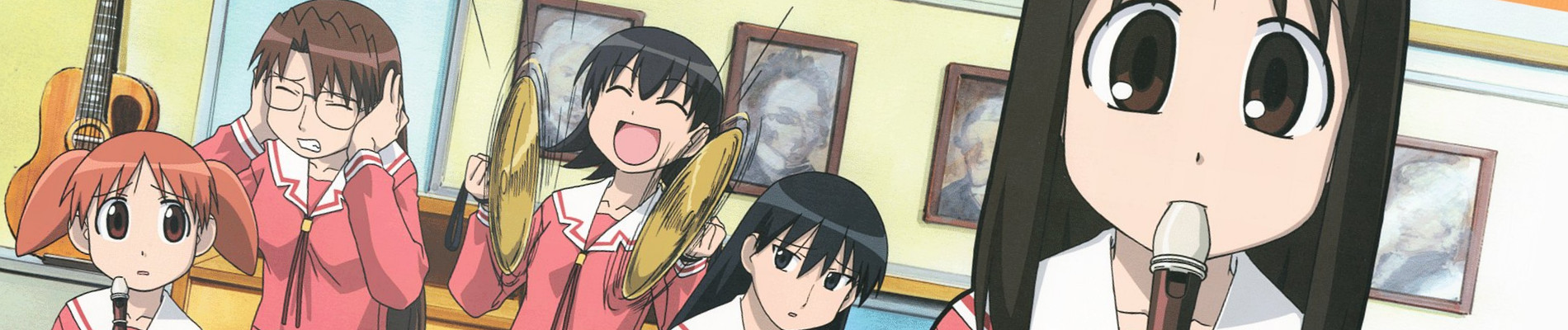
That’s the feeling Azumanga Daioh gives—not nostalgia, not whimsy, but presence. It doesn’t ask you to chase stakes or solve mysteries. It asks you to notice how Sakaki’s fingers tremble just slightly when a stray kitten brushes her ankle, how Yomi’s scowl softens for half a second when Kagura trips mid-sprint and lands face-first in grass, how Tomo’s chaos isn’t aggression—it’s velocity, pure kinetic joy that never quite harms, only bounces. There’s no grand arc, only accumulation: of inside jokes, of shared lunches, of seasons turning from cherry blossoms to humid summer naps to the brittle hush of winter exams. It makes you feel tenderly alert—like your nervous system has quietly lowered its guard, not because the world is safe, but because it’s enough, exactly as it is.
Which is why The Sims™ 4, despite its player review complaining about “insanely expensive” DLC and broken features, shares its emotional DNA—not in mechanics, but in ritual. Its description says: “Play with life and discover the possibilities. Unleash your imagination and create a world of Sims that’s wholly unique.” That’s Chiyo arranging bento boxes with surgical care, Osaka debating whether clouds are made of cotton candy or regret, Sakaki silently folding origami cranes while waiting for the bus. Both invite you into the sacred mundanity of making tea, choosing an outfit, sitting on a bench just to watch pigeons. The frustration in the review—the longing for wholeness without purchase—mirrors how Azumanga Daioh refuses to commodify its warmth. It offers richness without cost, depth without exposition.
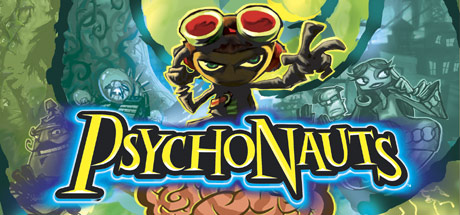
Then there’s Psychonauts, whose description calls it “A Psychic Odyssey Through the Minds of Misfits, Monsters, and Madmen,” and whose player review—bafflingly fragmented—mentions “milking of certain highly creamy men” and “beautifully rendered utters.” Absurd? Yes. But so is Osaka’s theory that time moves backward on Tuesdays, or Tomo’s impromptu “Yomi Appreciation Day” involving interpretive dance and stolen erasers. Both thrive in structured surrealism: Psychonauts literalizes inner life as crumbling libraries and paranoid bowling alleys; Azumanga Daioh does it through deadpan non-sequiturs and sudden cutaways to floating cats or silent, four-panel stares. Neither explains the logic—they embody it. And both hold space for melancholy within the joke: Sakaki’s quiet yearning for connection, Raz’s loneliness before finding his tribe—moments that land softly, without fanfare, because they’re allowed to be sad and silly at once.
Even Just Cause 2, described as “an adrenaline-fuelled free-roaming adventure” with “lots of stunts and explosions,” resonates—not in scale, but in tonal permission. The player review nails it: “it never had aspirations to be more than a fun b-movie game… a delight.” That’s Azumanga Daioh’s secret weapon: zero pretense. Tomo’s pranks aren’t satire—they’re celebration of harmless chaos. The absurdity isn’t subversive; it’s communal. Like Rico Rodriguez launching himself off a volcano with a grappling hook just to see what happens, Chiyo’s classmates exist in a world where physics bends gently for laughter, where consequence is always softened by shared breath, shared silence, shared yes, okay, let’s do that.
This pairing isn’t for people who want lore dumps or five-act structures. It’s for the ones who pause mid-scroll to watch a squirrel wrestle a fallen acorn. For the student who reorganizes their pencil case twice before class—not for function, but for the quiet satisfaction of alignment. For the adult who still feels a little thrill seeing their favorite mug in morning light, steam curling just so. They don’t need catharsis. They crave continuity. A world where joy isn’t earned—it’s noticed, again and again, like sunlight hitting the same spot on the floor at 3:17 p.m., every single day.
🎮23 Games That Match the Vibe




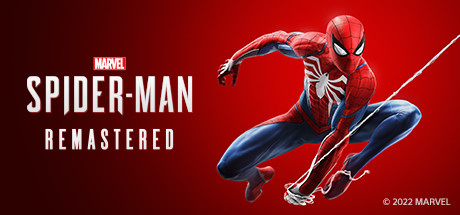











Match Dimensions Explained
❓Frequently Asked Questions
Why does Prince of Persia show up in 'games like Azumanga Daioh' lists when it's an action-adventure game?
It’s the *specific vibe*—not the genre—that matches: Prince of Persia (2008 reboot) leans hard into quiet, melancholic exploration of ancient ruins and poetic narration, plus gentle, dry comedy in its banter between the Prince and Elika—think Chiyo’s deadpan observations or Osaka’s surreal daydreams. That ‘Healing & Slow Life’ + ‘Melancholic Exploration’ combo is rare, and it’s why fans of Azumanga’s tender pacing and emotional stillness (like the cherry blossom scene in ep 22) find resonance there.
Is there an Azumanga Daioh visual novel or anime-style game adaptation?
No official one exists—but The Sims™ 4 comes closest *in spirit*: you can recreate the Tanaka-sensei classroom, build a dorm for Osaka and Chiyo, and script absurdly low-stakes daily routines (bento-making, nap schedules, cat-chasing) with zero combat or urgency. Its ‘Healing & Slow Life’ and ‘Comedy & Parody’ dimensions mirror Azumanga’s tone, even if it lacks voice acting or canon characters—just don’t expect story-driven scenes without heavy modding or DLC.
How does Psychonauts compare to Garry's Mod for Azumanga Daioh fans?
Psychonauts gives you structured, character-driven whimsy—like navigating Milla’s ballet-themed mind or Sasha’s paranoid lab—with tight writing and emotional warmth that echoes Yukari-sensei’s chaotic mentorship. Garry’s Mod is pure unstructured chaos: no story, no characters, just physics-based nonsense (e.g., strapping a mannequin to a rocket and launching it mid-‘classroom’). Both hit ‘Comedy & Parody’ + ‘Melancholic Exploration’, but Psychonauts delivers the *heart*, while GMod delivers the *anarchy* of Osaka’s naps.
What’s the best ‘Azumanga Daioh vibe’ game if I just want something soothing and low-pressure?
The Sims™ 4—especially with base-game only—is your best bet: build a cozy Kyoto-style schoolhouse, assign your Sims to ‘napping’, ‘eating mochi’, or ‘staring blankly at clouds’, and let time pass slowly with zero consequences. Its 74 score and ‘Healing & Slow Life’ dimension are spot-on, and unlike Just Cause 2’s explosions or Psychonauts’ platforming stress, TS4 has no fail states—just soft sunlight, idle chatter, and the gentle absurdity of a Sim trying (and failing) to bake a cake, exactly like Yomi’s failed lunch prep episodes.