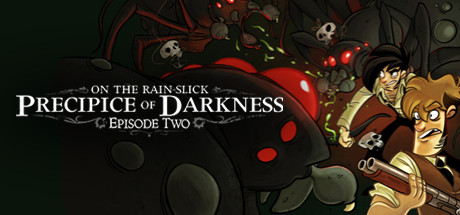
Precipice of Darkness, Episode Two
On the Rain-Slick Precipice of Darkness, Episode Two is the second installment in the RPG-adventure game series based on the web comic Penny Arcade. Whether you're a fan of the first installment or new to the series, you'll be able to pick up and play Episode Two as a standalone experience.
🎮Game Details
💬What Players Say
"Same as my review on episode one though the special attack minigame seems to have some imput delay because I swear I am pressing the buttons at the right time but it marks them as missed, still fun as hell though."
📝Editorial Analysis
The frustrating, hilarious, deeply human lag in that special attack minigame — the one where your finger hits the button exactly when the prompt flashes, your brain screams “I got it!”, and the screen blinks “MISSED” — that’s the soul of Precipice of Darkness, Episode Two. It’s not a bug you rage-quit over; it’s the punchline to a joke the game tells with you, not at you. You’re not failing because you’re bad — you’re failing because the universe, like the Penny Arcade web comic it’s built on, runs on absurd timing, self-aware stumbles, and the quiet dignity of trying anyway. The official description confirms it: this isn’t lore-heavy continuity — it’s a standalone experience, ready to welcome you mid-sentence, mid-joke, mid-misfire.
What makes this atmosphere so singular isn’t its RPG trappings or adventure scaffolding — it’s the warm, slightly ragged texture of shared irony. You feel like you’re co-writing the script with the devs: laughing at the jank, with the characters, and alongside the fourth wall as it cracks open just enough to let in daylight. There’s no grand tragedy here, no brooding hero’s journey — just the low-stakes, high-verbal stakes of surviving a conversation, landing a joke, or nailing a rhythm cue that almost works. It makes you think about how comedy lives in the gap between intention and execution — how sincerity and parody aren’t opposites, but collaborators. The feeling isn’t triumph or catharsis — it’s recognition, followed by a snort-laugh, followed by hitting “retry” without hesitation.
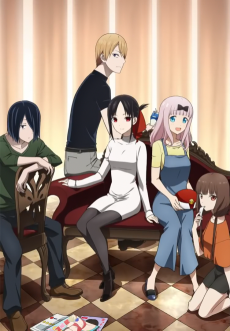
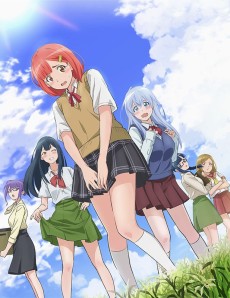
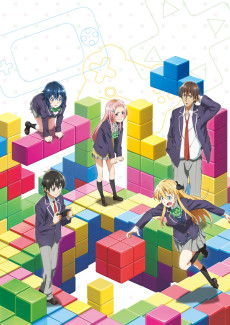
That emotional DNA — the precise blend of Comedy & Parody fused with JRPG Narrative — is why Kaguya-sama: Love is War -The First Kiss That Never Ends- resonates so deeply. Like the minigame’s cruel-but-kind timing, Kaguya-sama weaponizes narrative structure itself: every confession is a tactical maneuver, every blush a delayed reaction shot, every romantic beat interrupted by an absurd cutaway or a narrator’s exasperated aside. Both treat JRPG conventions — turn-based tension, dramatic pauses, stat-driven outcomes — not as sacred rules, but as playgrounds for parody. When Kaguya and Miyuki duel over who’ll ask the other out, it’s not unlike lining up three perfect button presses — the stakes are felt, the mechanics are visible, and the payoff is all in the timing.
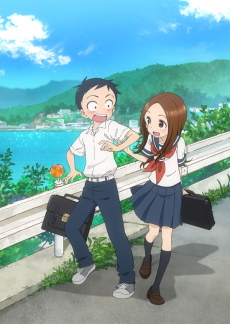
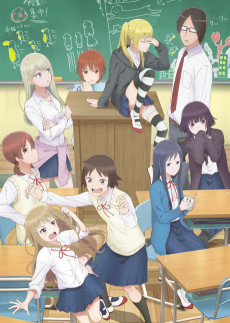
Teasing Master Takagi-san shares that same gentle, rhythmic absurdity. Its entire architecture is built on micro-delays — Takagi’s teasing lands just after Nishikata realizes he’s been set up, his flustered retort arrives just as she’s already moved on, smiling. There’s no malice, only pattern, patience, and the sweet ache of almost-catching-up — mirroring the player’s own “I swear I pressed it!” moment in the minigame. Both works use repetition not as monotony, but as ritual: the JRPG battle loop, the classroom tease-and-retreat, the shared understanding that the process — the misfires, the near-misses, the grinning persistence — is the point.
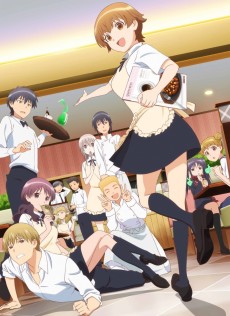
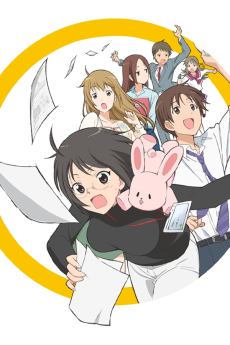
And then there’s SHIROBAKO, whose backstage chaos mirrors the game’s own lovingly chaotic production logic. When Aoi struggles to animate a single frame while her team debates whether a character’s eyebrow twitch conveys doubt or suspicion, it’s the same energy as wrestling with input delay that feels real even when it’s arbitrary. Both celebrate the messy, collaborative, often illogical labor behind polished art — where the joke isn’t despite the friction, but because of it. The JRPG narrative isn’t a backdrop; it’s the shared language these creators and characters speak — full of tropes they know by heart, then gently twist with a wink and a shrug.
This pairing sings for the viewer who rewatches Nichijou’s gravity-defying slapstick not for the physics, but for the commitment to the bit — the way a character will fall exactly three seconds too long, eyes wide with serene disbelief. It’s for the player who doesn’t skip cutscenes because they’re exposition, but because they’re character studies dressed as gags. It’s for anyone who finds profound comfort in art that says, Yes, the system is glitchy. Yes, timing is unfair. And yes — we’re all still pressing the button, together, laughing at the missed cue, and going again.
→85 Anime That Match the Vibe
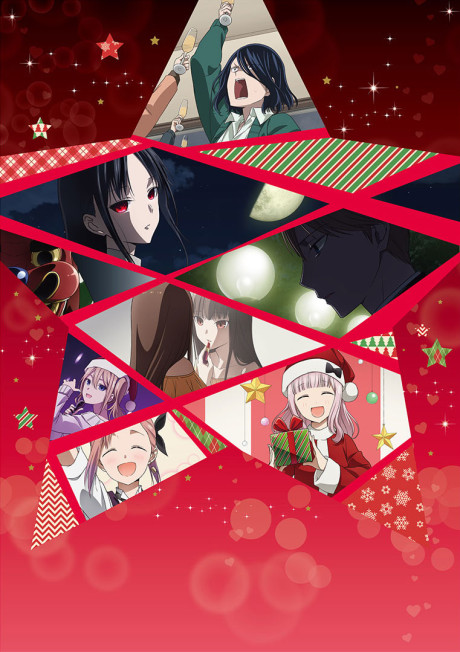
Kaguya’s flustered internal monologue during the “first kiss that never ends”—a loop of near-misses and escalating absurdity—mirrors the game’s own recursive, self-aware RPG mechanics where dialogue trees collapse into parody. Unlike most romance narratives, both weaponize JRPG Narrative tropes: Miyuki’s over-engineered confession plans echo the game’s inventory-based puzzle logic, while Precipice’s fourth-wall-breaking combat menus channel Kaguya-sama’s psychological comedy. This isn’t just tonal alignment—it’s structural symbiosis between romantic stasis and ludic recursion.

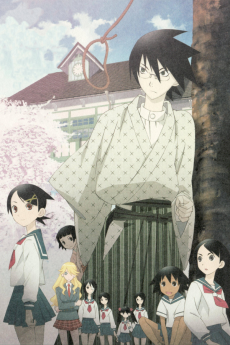
Aoi’s exhausted grin after surviving yet another production meeting mirrors the player’s wry sigh when the Precipice’s fourth “save point” vanishes mid-battle. Unlike most JRPGs, Episode Two weaponizes parody—its faux-epic narration and broken save systems echo SHIROBAKO’s layered satire of anime industry absurdity, where every deadline panic feels like a boss fight scripted by the same self-aware gods. This mutual embrace of 😂 Comedy & Parody makes their resonance startlingly precise: both treat creative labor as sacred farce.
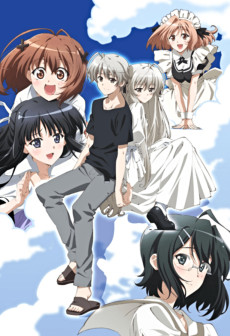
Connected through 2 aesthetic dimensions.
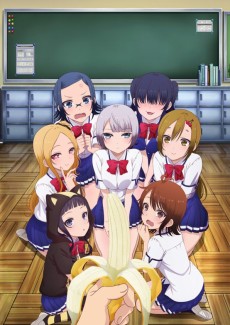
Connected through 2 aesthetic dimensions.
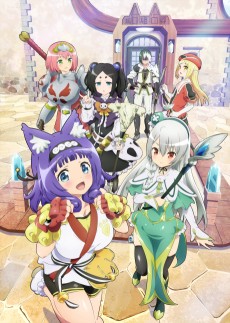
Connected through 2 aesthetic dimensions.
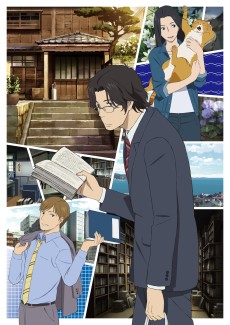
Connected through 2 aesthetic dimensions.
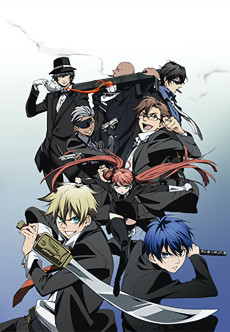
Connected through 2 aesthetic dimensions.
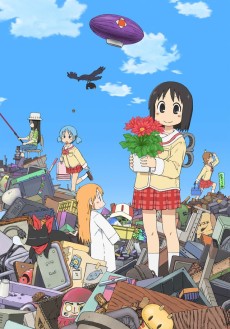
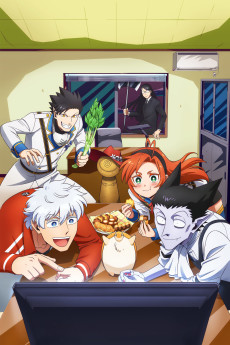
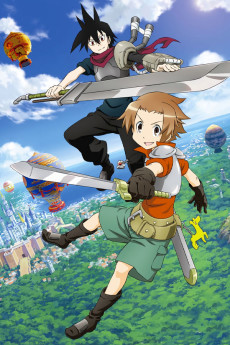
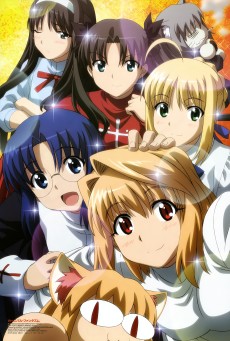
Where *Precipice of Darkness, Episode Two* weaponizes JRPG narrative tropes—like its absurdly bureaucratic demon bureaucracy and “save the world via spreadsheet” quest design—*Nichijou*’s OVA *Episode 0* mirrors that same satirical precision, opening with a robot’s detached arm rolling across a school hallway like a discarded game UI element. Both deploy 😂 Comedy & Parody not as garnish but as structural logic: one fractures RPG conventions through bureaucratic farce, the other fractures slice-of-life by treating physics-defying chaos as administrative routine. That shared commitment to deadpan escalation—where the mundane becomes apocalyptic through sheer procedural rigidity—is unexpectedly electrifying.
Connected through 2 aesthetic dimensions.
Connected through 2 aesthetic dimensions.






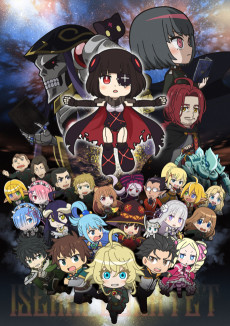

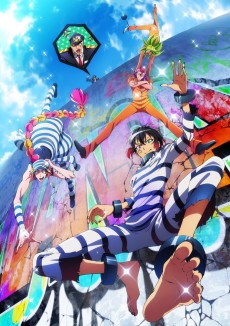

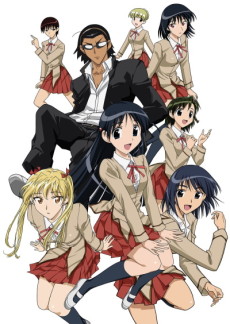
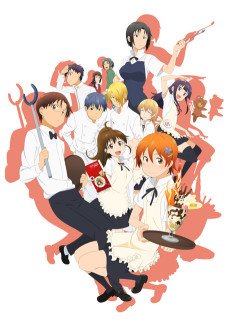


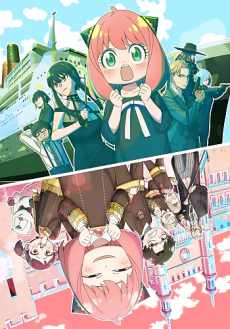


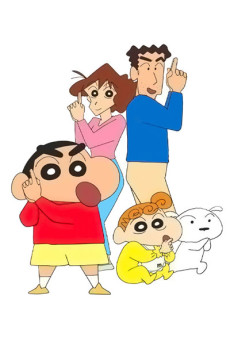


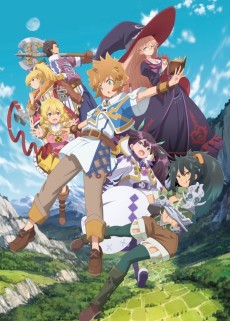


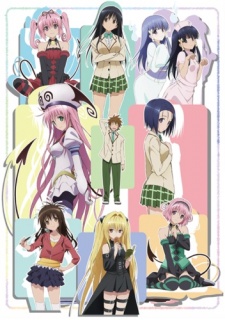


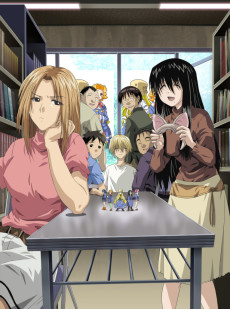
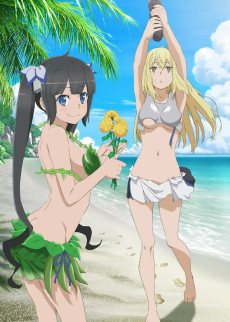
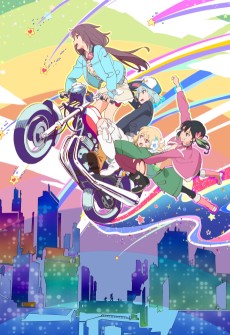
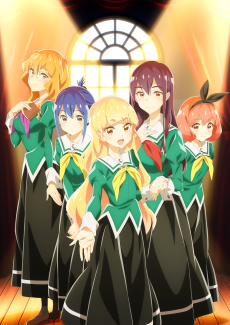












Match Dimensions Explained
❓Frequently Asked Questions
Why is Kaguya-sama: Love is War -The First Kiss That Never Ends- recommended for fans of Precipice of Darkness, Episode Two?
Because both lean hard into rapid-fire comedic timing and meta-narrative play—like Kaguya’s ‘brainstorming battle’ scenes mirroring Precipice’s turn-based combat with absurd, dialogue-driven special attacks. The JRPG Narrative dimension shows up in how Kaguya’s story structures its emotional beats like a boss fight: escalating stakes, dramatic pauses, and over-the-top internal monologues (think Miyuki’s ‘strategic retreat’ vs. Precipice’s ‘Doomsday Protocol’ minigame).
Is there an anime adaptation of Rain-Slick Precipice of Darkness, Episode Two?
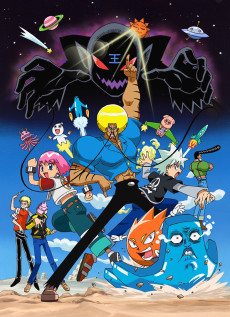
No—there’s never been an official anime adaptation of any Rain-Slick game. But if you’re craving that same off-kilter, fourth-wall-bending energy, Teasing Master Takagi-san delivers it through physical comedy and escalating verbal sparring that feels just as rhythmically precise as Precipice’s button-timed special attacks (e.g., Takagi’s ‘gotcha’ ambushes mirror the game’s input-delay frustration—but intentionally hilarious instead of frustrating).
How does Nichijou - My Ordinary Life: Episode 0 compare to Precipice of Darkness, Episode Two in tone?
Both weaponize mundane logic to absurd ends—like Nichijou’s silent girl launching herself into orbit via bicycle + springboard, which vibes *exactly* with Precipice’s ‘Doomsday Protocol’ where characters deploy physics-defying gadgets mid-battle. The shared Comedy & Parody + JRPG Narrative dimensions mean even quiet moments (e.g., Nichijou’s classroom stillness before chaos) land with the same narrative weight as Precipice’s cutscene-to-combat transitions.
What’s the best anime like Precipice of Darkness, Episode Two if I want something that feels like a playful, self-aware JRPG but isn’t super violent or dark?
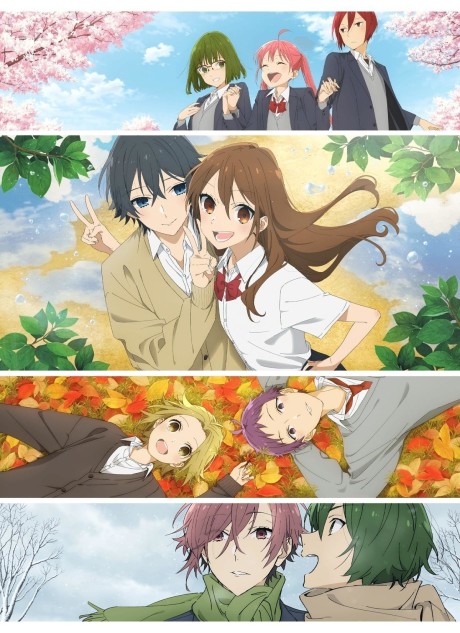
Go with Horimiya: The Missing Pieces—it nails the ‘JRPG Narrative’ feel through intimate, scene-by-scene relationship progression that mirrors Precipice’s party banter system (e.g., Hori and Miyamura’s quiet rooftop talks have the same emotional pacing as your trio’s campfire exchanges post-battle). And like Precipice’s parody layer, Horimiya undercuts its sincerity with deadpan gags—think Miyamura’s ‘I’m not cool’ inner monologue vs. Precipice’s narrator dryly describing a ‘level 3 existential crisis’ during a slime fight.