
ZENSHU
After graduating from high school, Natsuko Hirose starts her career as an animator. Her talent quickly flourishes, and she makes her debut as a director in no time. Her first anime becomes a massive hit, sparking a social phenomenon and earning her recognition as an up-and-coming genius director. Her next project is set to be a romantic comedy movie themed around first love! However, having never been in love herself, Natsuko struggles to understand the concept of first love, and as a result, she’s unable to create the storyboard, causing the movie production to come to a standstill.
(Source: MAPPA)
📺Anime Details
📝Editorial Analysis
The fluorescent hum of a late-night animation studio—coffee cold in a chipped mug, storyboards pinned crookedly to a corkboard, Natsuko Hirose’s hand hovering over a half-drawn kiss scene, pencil trembling not from fatigue but doubt. She’s directed a cultural earthquake, yet here she is, staring at two cartoon characters inches apart, heart-shaped sparkles already sketched in light blue pencil—and she can’t feel it. Not the flutter. Not the weight. Not the terrifying, beautiful vulnerability of first love she’s been hired to depict. That hesitation—palpable, quiet, deeply human—is where ZENSHU lives.

This isn’t an isekai about escaping reality; it’s an isekai into the self. The fantasy isn’t portals or spells—it’s the surreal dissonance of wielding immense creative power while feeling emotionally illiterate. The magic isn’t incantations but drawing: lines becoming movement, stillness becoming breath, blank paper becoming consequence. The gods aren’t distant deities on mountaintops—they’re the unspoken expectations of audiences, critics, studios, and Natsuko’s own relentless internal voice. What makes ZENSHU ache so distinctly is how it treats professional mastery and emotional innocence not as opposites, but as coexisting, colliding forces. It makes you feel the loneliness of success, the tenderness of artistic humility, and the quiet urgency of realizing that craft without lived resonance risks becoming technically perfect—and utterly hollow.
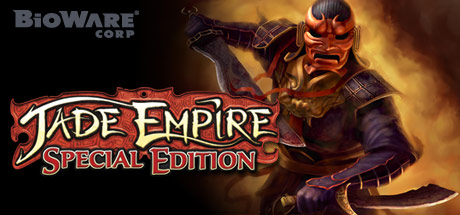
That same emotional architecture echoes in Jade Empire™: Special Edition, where the player steps into the role of a martial-arts master whose path isn’t just about combat choices (“open palm or closed fist”) but about embodied understanding. Like Natsuko sketching love she hasn’t felt, the protagonist must live philosophy—not recite it. The game’s mythic framework doesn’t soften the stakes; it heightens them. When a player reports needing to “copy and paste ‘steam.dll’” just to launch—a fussy, real-world ritual mirroring Natsuko’s painstaking storyboard revisions—it’s not just technical friction. It’s the shared, unglamorous labor behind transcendence. Both demand that you do the work before you’re allowed to mean something.
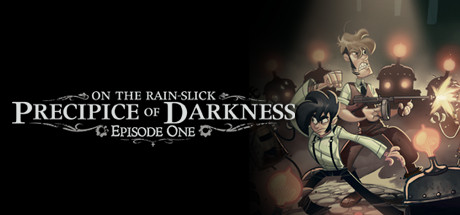
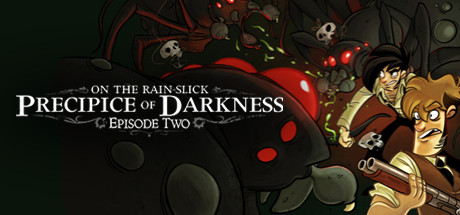
Then there’s Precipice of Darkness, Episode One, where creation itself becomes comedic scaffolding: “Create your character in the classic comic style,” the description says—immediately evoking Natsuko’s animator identity, her fluency in visual shorthand, her awareness of genre as both tool and trap. The player review calls it “fun as hell” especially if you enjoy Penny Arcade’s humor—but crucially adds, “you don’t need to know much about the comics since this is an AU.” That deliberate, generous distance mirrors ZENSHU’s core tension: Natsuko isn’t required to be in love to direct a romance—she’s required to translate it, to build bridges between what she knows (line, timing, rhythm) and what she doesn’t (pulse, hesitation, the way breath catches before confession). The game’s parody isn’t mockery—it’s deep respect for form, wielded with self-aware tenderness. Same with Precipice of Darkness, Episode Two, where the player notes input delay during the special attack minigame—not frustration, but recognition: “I swear I am pressing the buttons at the right time.” That micro-frustration, that gap between intention and execution? It’s Natsuko redrawing the same blush three times. It’s the exact same fracture between inner truth and outward expression.
You’d love these pairings if you’ve ever stayed up past dawn polishing a line until it breathed, if you’ve felt the sting of praise that somehow made you feel more exposed than criticism, if you believe romance isn’t just chemistry—it’s craft, and craft demands courage you didn’t know you had. Not the kind that slays dragons. The kind that holds a pencil steady while drawing something you’ve never dared to name.
🎮13 Games That Match the Vibe

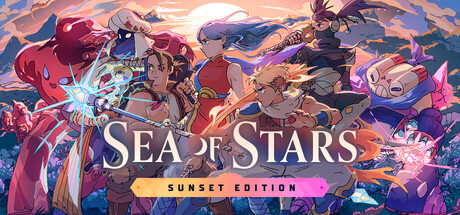
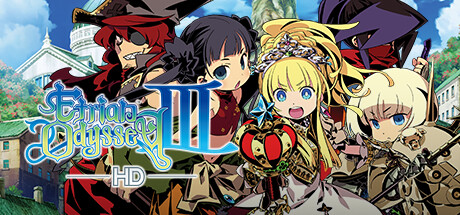
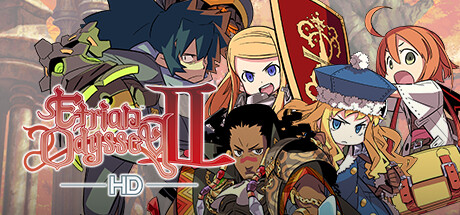

Match Dimensions Explained
❓Frequently Asked Questions
Why is Jade Empire often compared to ZENSHU despite being older?
Because both lean hard into mythic martial-arts storytelling with branching moral paths—like choosing the Open Palm (compassion, healing chi) or Closed Fist (dominance, crushing strikes) in Jade Empire, which mirrors ZENSHU’s emphasis on intent-driven combat and spiritual consequence. Plus, that same JRPG Narrative + Mythology & Folklore combo creates that weighty, ritualistic vibe where every fight feels like a parable.
Is there a ZENSHU anime or manga adaptation?
Nope—ZENSHU hasn’t been adapted into anime or manga (yet). But if you’re craving that same blend of absurd humor and turn-based RPG chaos, the Rain-Slick Precipice of Darkness games—especially Episodes One and Two—are your best bet: they’re built from Penny Arcade’s irreverent comic DNA, with characters like Tycho Brahe and Gabe delivering snarky banter mid-battle, plus minigames where timing your special attacks *feels* like wrestling with input lag (per that player review about Episode Two).
How does Precipice of Darkness compare to ZENSHU in terms of tone and combat?
ZENSHU leans meditative and atmospheric, while Precipice of Darkness is pure satirical chaos—think Gabe yelling ‘I AM A GOD OF WAR’ before fumbling a button-mash special attack due to input delay (just like that Episode Two review mentions). Both use JRPG Narrative structure, but Precipice swaps spiritual gravity for comic-panel pacing, parodying RPG tropes instead of embodying them like ZENSHU does.
What’s the best ZENSHU-like game for when I want something funny but still mechanically satisfying?
Go straight to Precipice of Darkness, Episode One—it nails that rare balance: witty, self-aware writing (‘fun as hell,’ per the player review) *and* tactile combat where building your own comic-style hero leads to real stakes, even if the special attack minigame gets wonky later. It’s got the narrative depth of a JRPG but lands like a well-timed punchline—exactly what you need when ZENSHU’s serenity starts feeling *too* serene.