Jade Empire™: Special Edition
Step into the role of an aspiring martial-arts master and follow the path of the open palm or the closed fist.
🎮Game Details
💬What Players Say
"Fantastic game, but to get to launch I had to follow these instructions I got from Reddit: * Copy and paste "steam.dll" from your Steam or Steam Library Folder and put it directly into "SteamLibrary\\SteamAppps\\common\\Jade Empire". **If your game still doesn't launch but the "fail to find" error is fixed, this is what you do...."
"Unfortunately, it isn't adapted to modern systems, which often makes it a hassle to play. I expected the same quality as Knights of the Old Republic, which came out two years earlier, but Jade Empire doesn't come close. So far, the story has at least been entertaining."
"The missing link of western RPGs, a hidden gem with incredible world building and style. Jade Empire feels like a game that wasn't quite fully realized, with strange progression and a rushed final act."
📝Editorial Analysis
The first time you choose between the open palm and the closed fist—standing barefoot on sun-warmed stone at the Spirit Monk Temple, wind lifting dust from cracked earth—you feel it: a quiet, heavy reverence. Not for power, not for victory, but for choice itself, weighted by lineage, silence, and the unspoken cost of bending your will to tradition or breaking it. That moment isn’t flashy—it’s hushed, deliberate—and it lives entirely in the space between what the official description names (“Step into the role of an aspiring martial-arts master and follow the path of the open palm or the closed fist”) and what players quietly ache over: the game’s palpable sense of unrealized depth, its world so richly textured it almost breathes, yet stubbornly resistant—like those Steam DLL workarounds and patchwork launches—that it refuses to settle comfortably into modern systems. It’s beautiful and broken in the same breath.
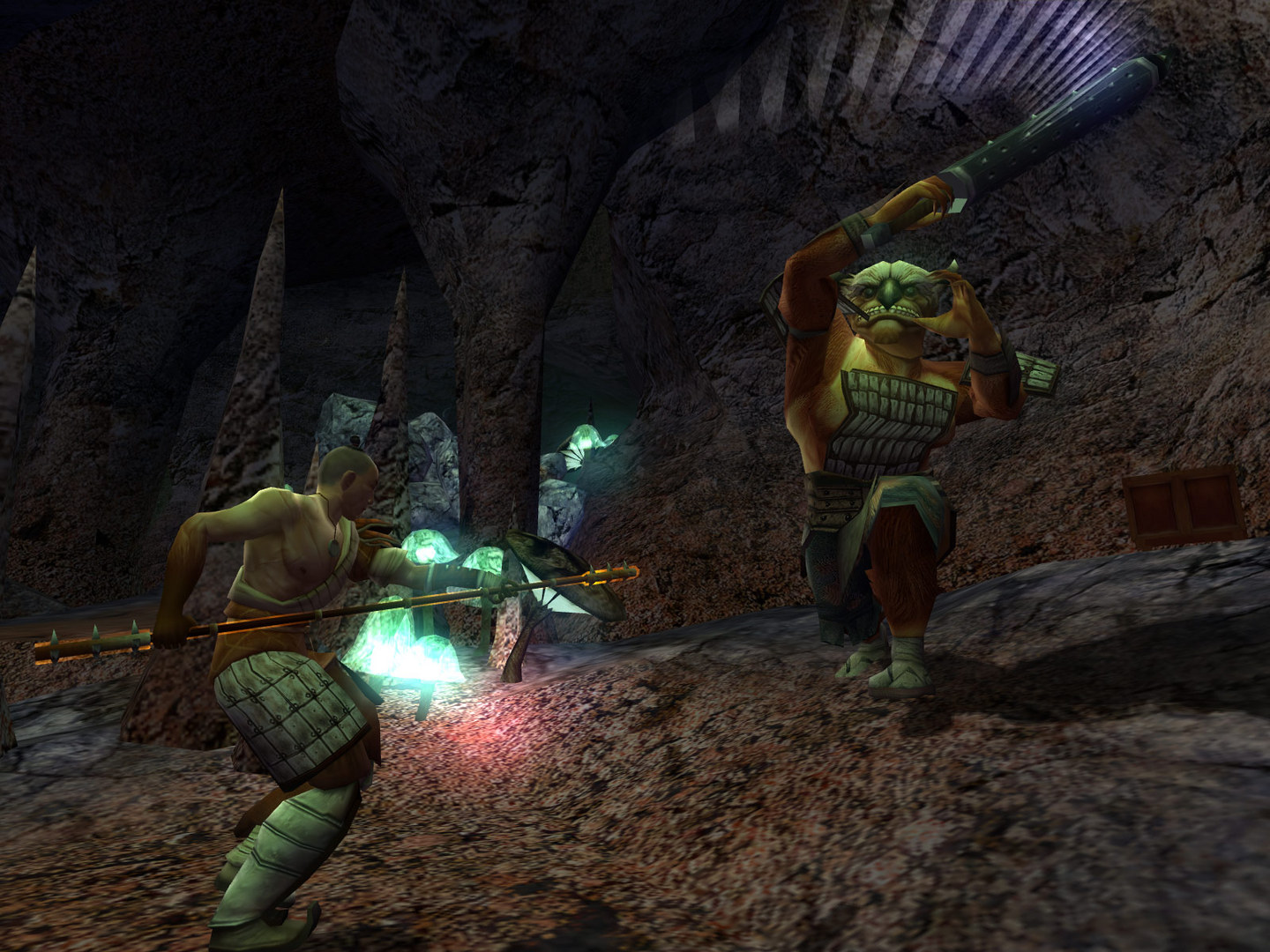
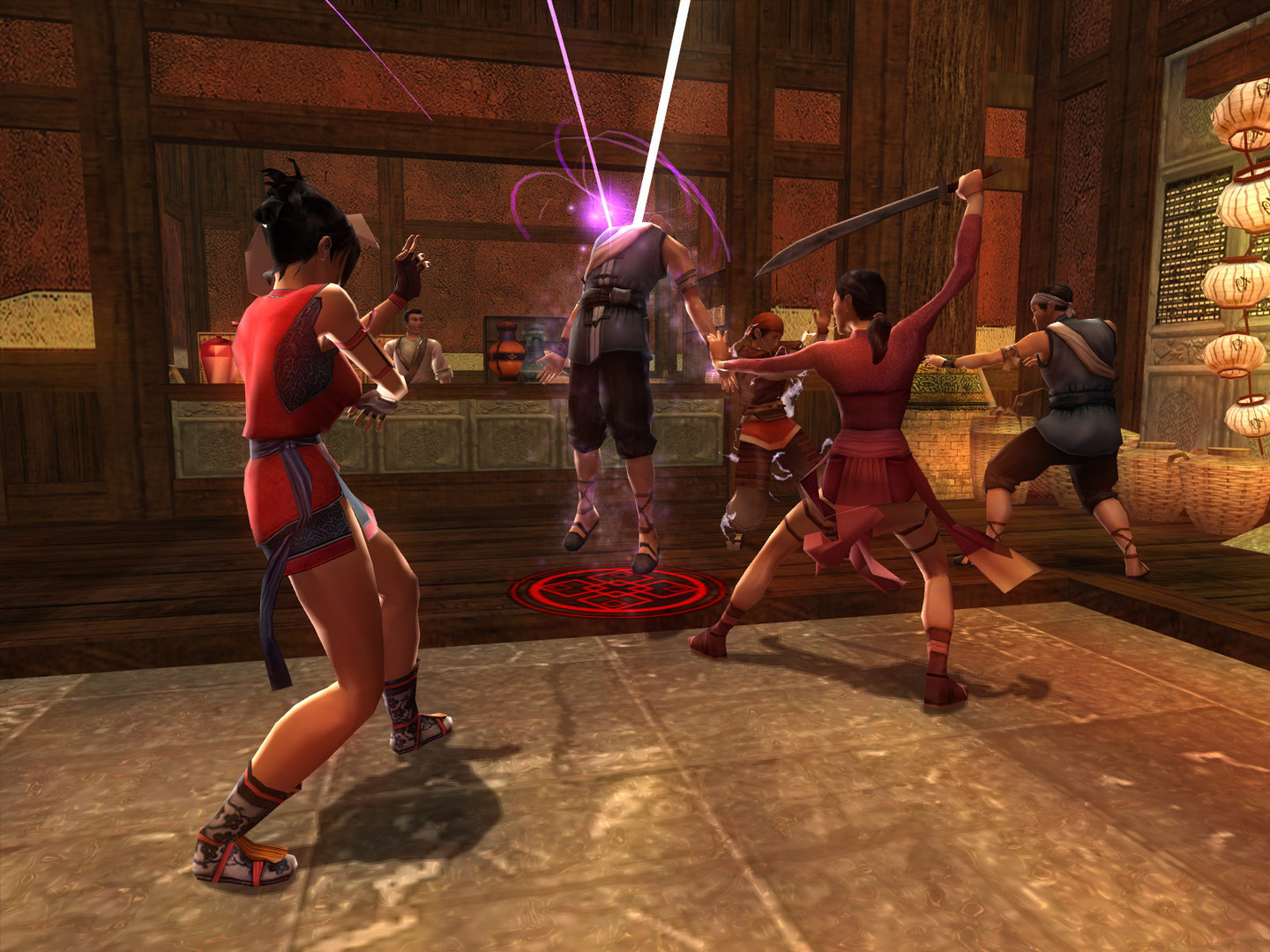
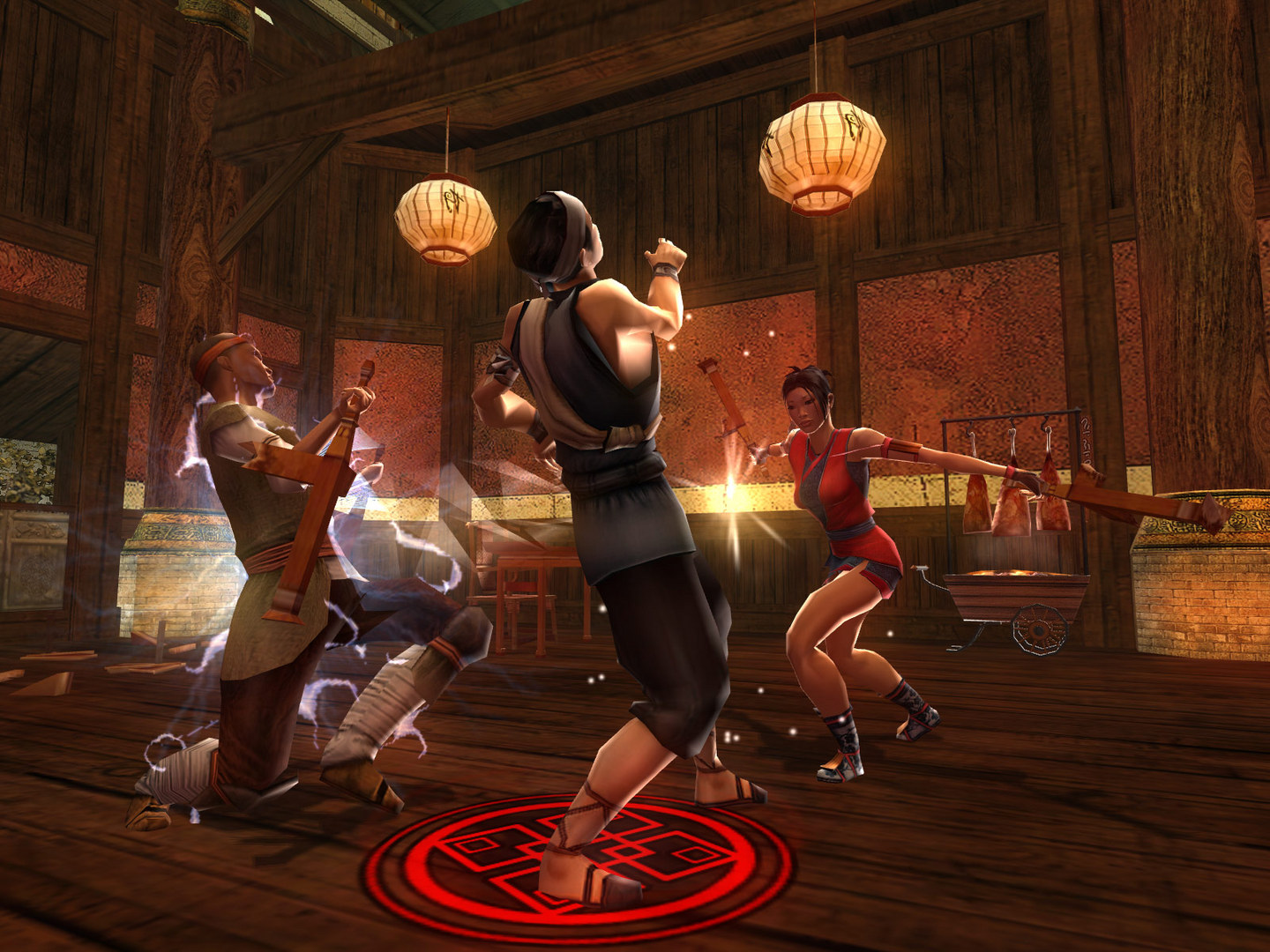
That duality is the atmosphere: a silk robe stitched with fraying thread. You walk through markets humming with fox spirits and jade-tongued merchants, past shrines where ancestors murmur in smoke—and yet the camera stutters, the dialogue trees sometimes skip emotional beats, the final act rushes like a river hitting a dam. It doesn’t feel like a bug. It feels like devotion straining against limitation. You’re constantly aware of the world’s mythic weight—the way folklore isn’t backdrop but bone-deep logic—yet also its human fragility: the exhaustion in your mentor’s voice, the hesitation before a moral pivot, the way romance blooms not in grand declarations but in shared tea, unspoken glances, and the slow unfurling of trust across fractured loyalties. It makes you think about legacy—not as inheritance, but as translation: how stories bend when carried across generations, across cultures, across operating systems that no longer recognize their syntax.
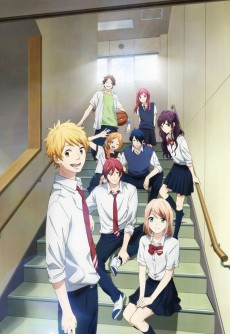
Fruits Basket (2019) shares that same aching tenderness rooted in mythic constraint. Its zodiac curse isn’t just plot device—it’s inherited grief made flesh, echoing Jade Empire’s spirit contracts, ancestral oaths, and the suffocating weight of roles assigned at birth. Both treat folklore not as spectacle but as emotional architecture: every transformation, every ritual, every suppressed memory carries the quiet gravity of something sacred and sorrowful. The pacing, too—slow, patient, emotionally granular—mirrors Jade Empire’s best moments: not the combat, but the stillness between strikes, the way Tohru’s kindness lands like a hand on a trembling shoulder, just as your character’s choice to spare—or condemn—a fallen disciple lands with equal, wordless weight.
Naruto, especially in its Shippūden arc, resonates through its JRPG Narrative pulse: the long apprenticeship, the rival who mirrors your flaws, the village-as-character, the way chakra flows like chi, and jutsu resemble martial forms distilled into mythic grammar. But more crucially, both share that raw, unfinished feeling—Naruto’s early arcs meandering, its lore deepening unevenly, its themes of forgiveness and identity circling back like a boomerang that takes seasons to return. Like Jade Empire, Naruto builds a world so immersive you forgive its structural lurches because the emotional truth—the loneliness of the outcast, the sting of betrayal, the warmth of found family—is rendered with such sincerity it overrides technical friction.
Heaven Official's Blessing completes the triad—not through action, but through mythic intimacy. Its ghosts aren’t monsters; they’re memories with teeth. Its romance isn’t conquest, but reclamation—of self, of history, of love buried under centuries of duty. That exact texture lives in Jade Empire’s quieter quests: the scholar mourning a lost text, the spirit bound by a vow older than empires, the way your own origin story unravels not with fanfare, but with a single, devastating line whispered in moonlight. Both understand that the most powerful folklore isn’t carved in stone—it’s etched in silence, in restraint, in what’s left unsaid between two people standing too close in a courtyard full of watching stars.
This is for the person who replays the Spirit Monk Temple tutorial twice, not to master combos, but to linger in the rustle of bamboo and the way light catches dust motes above the training dummies. For the one who watches Fruits Basket The Final Season and cries not at the wedding, but at the quiet shot of Shigure folding laundry—because that’s where healing lives. For the player who tolerates the DLL copy-paste ritual not out of nostalgia, but because they need to hear Master Li’s voice one more time, low and certain, as the world flickers—just for a second—into perfect, fragile focus.
→381 Anime That Match the Vibe

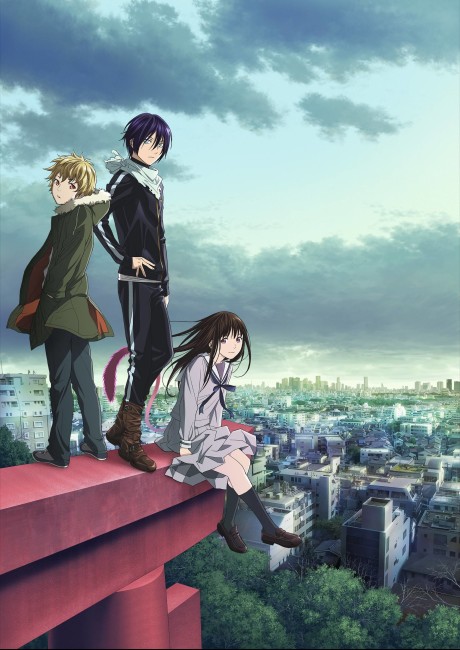
Tohru’s quiet strength amid the Soma clan’s curse echoes the Spirit Monk’s choice between open palm and closed fist—both navigate inherited burdens through empathy, not force. Where Jade Empire weaves Chinese myth into martial discipline, Fruits Basket (2019) reimagines zodiac folklore as tender, generational healing—anchoring 💔 Emotional Narrative in daily acts of care. Surprisingly, neither romanticizes destiny; they honor agency within mythic constraint.
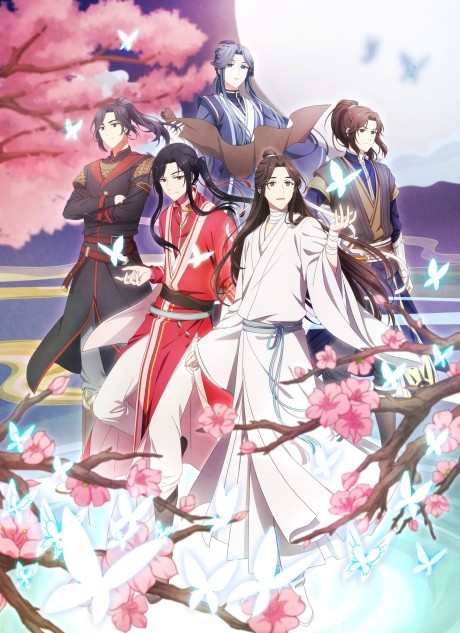
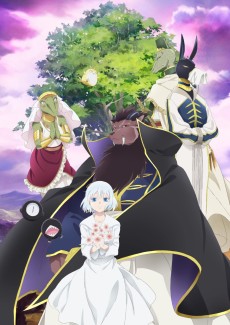
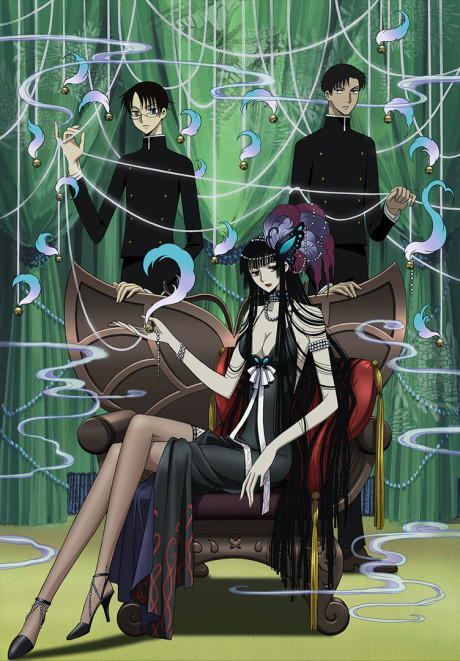
Xie Lian’s quiet dignity amid celestial scorn mirrors the Silent Monk’s stoic grace in Jade Empire’s Spirit Monk path—both embody 💔 Emotional Narrative through restrained vulnerability. Unlike most martial-arts epics, Jade Empire grounds its mythic choices in intimate moral weight, just as *Heaven Official’s Blessing* Season 2 deepens Xie Lian’s trauma and devotion with folkloric precision. Their resonance lies in how ⚡ Mythology & Folklore serve not as backdrop but as lived consequence—where heaven’s hierarchy and the Empire’s spirits demand emotional accountability, not just power.

Connected through 4 aesthetic dimensions.
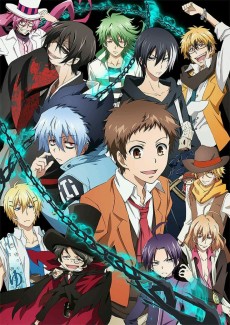
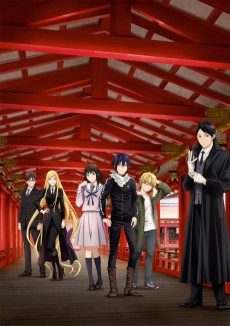
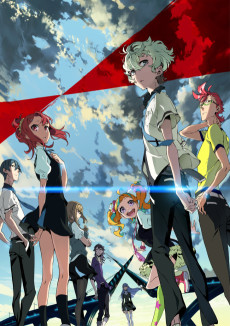
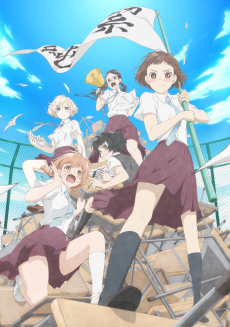
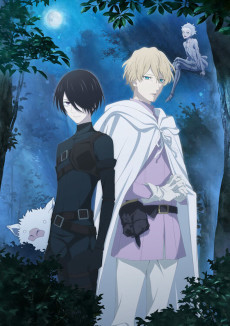
A rain-slicked duel atop Kyoto’s crumbling shrine roofs in *Laughing Under the Clouds* echoes the Ghostwalkers’ mist-shrouded trials in *Jade Empire*—both grounding mythic stakes in tactile, weather-worn terrain. 💔 Emotional Narrative binds them: Kuro’s quiet grief over lost bushidō mirrors the Spirit Monk’s agonizing choice between loyalty and truth during the Lotus Assassins’ betrayal. Unlike most action tales, neither flinches from romance as moral compass—Tien’s devotion and Ginko’s tenderness deepen rather than distract from their worlds’ crumbling orders.

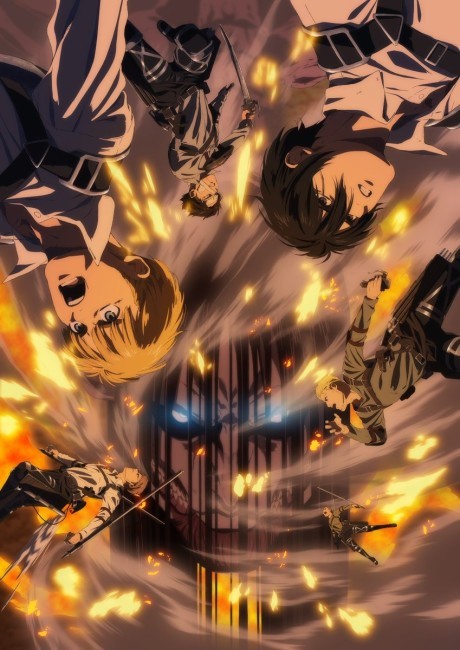
Konohagakure’s rustling bamboo groves echo the mist-shrouded Spirit Monk temples of Jade Empire’s Two Rivers—both worlds breathe mythological weight through grounded, tactile folklore. Naruto’s rasengan spirals with the same kinetic philosophy as the game’s open-palm/closed-fist duality: power isn’t just channeled, but *chosen*, moment-to-moment, in service of emotional truth. Unlike most shōnen or JRPGs, neither flinches from the quiet agony of legacy—Kyuubi’s cage mirrors the Emperor’s stolen soul, making their shared 💔 Emotional Narrative feel startlingly, achingly human.

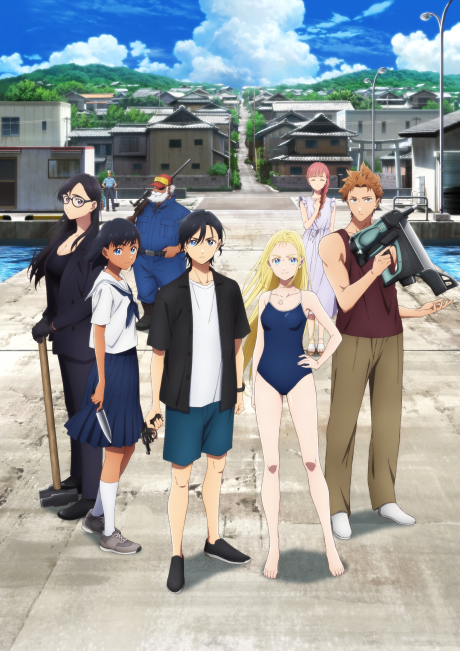
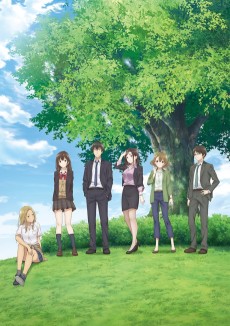
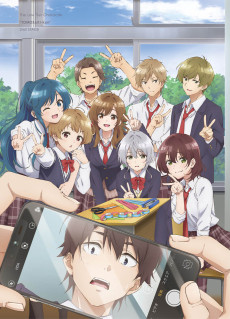
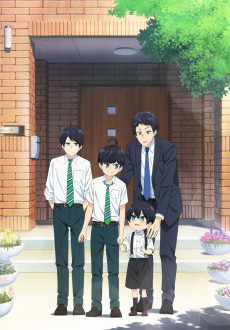
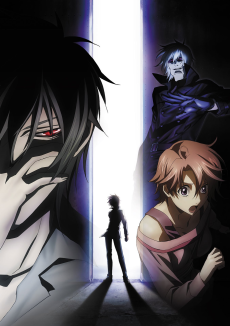
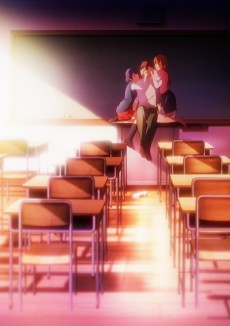
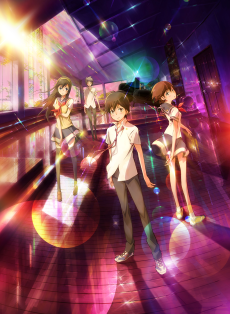
Yoshiki’s trembling hand hovering over Hikaru’s unnervingly still face—uncertain whether to touch or recoil—mirrors the player’s first confrontation with Master Li’s corrupted spirit in Jade Empire’s Spirit Monk path. Where *The Summer Hikaru Died* fractures identity through folkloric possession, *Jade Empire* weaponizes that same mythological ambiguity: is the “Spirit Monk” guiding you benevolent, or a hungry ghost wearing wisdom as camouflage? This shared tension between intimacy and violation—rooted in 💔 Emotional Narrative and ⚡ Mythology & Folklore—makes their resonance unsettlingly precise, not thematic coincidence.
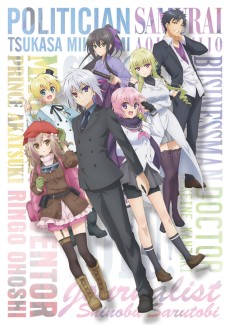
Sullivan’s doting, almost absurdly tender grandfatherly authority mirrors the Jade Empire’s Master Li—both wield immense power yet choose nurturing over domination. Where Season 2 deepens Iruma’s quiet moral courage amid demon-school politics, the game’s Open Palm path rewards empathy in combat and choice, grounding its ✨ JRPG Narrative in emotional consequence rather than spectacle. That shared reverence for gentleness as strength—woven through 💔 Emotional Narrative and ⚡ Mythology & Folklore—makes their resonance unexpectedly profound.

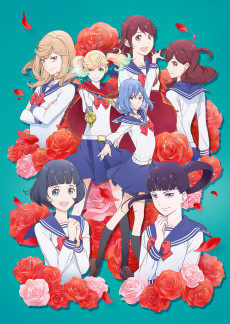
Ahiru’s transformation into Princess Tutu—fragile, luminous, and steeped in balletic sacrifice—mirrors the Jade Empire protagonist’s choice between Open Palm compassion and Closed Fist pragmatism, both wrestling with identity as performance. 💔 Emotional Narrative binds them: Ahiru fractures herself to mend others’ hearts, while the Spirit Monk confronts fragmented souls and buried myths that demand integration, not conquest. Unlike most shoujo or wuxia tales, neither work treats romance or duty as escapism—instead, they fuse 💕 Romance & Shoujo with 🖤 Adult & Dark Seinen through quiet, devastating choices: Ahiru’s final bow, the Emperor’s hollow throne.
Connected through 3 aesthetic dimensions.
Connected through 4 aesthetic dimensions.









![Fate/stay night [Heaven’s Feel] III. spring song](https://s4.anilist.co/file/anilistcdn/media/anime/cover/large/bx21719-MSdTlkno0Z0u.jpg)





































































![Fate/stay night [Heaven's Feel] I. presage flower](https://s4.anilist.co/file/anilistcdn/media/anime/cover/medium/bx20791-yPCX5GJuMH2k.png)


































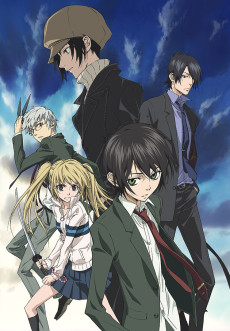


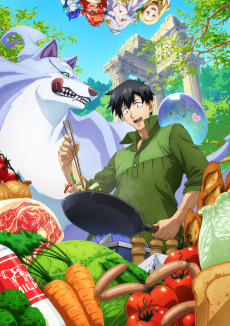




Match Dimensions Explained
❓Frequently Asked Questions
Why is Naruto recommended for fans of Jade Empire: Special Edition?
Because both lean hard into Chinese and East Asian mythology while weaving martial-arts mastery into emotional coming-of-age arcs—think Naruto’s Rasengan training mirroring your early open-palm combos in the Lotus Forest, or his struggle to balance duty and compassion echoing the game’s closed-fist vs. open-palm moral weight. And just like Jade Empire’s rushed final act, Naruto’s later arcs sometimes sacrifice pacing for thematic payoff.
Is there an anime adaptation of Jade Empire?
No—there’s never been an official anime adaptation, and BioWare hasn’t announced plans for one. That said, Heaven Official’s Blessing hits that same mythic, wuxia-tinged vibe: Xie Lian’s exile and return parallels your protagonist’s journey from student to savior, complete with celestial bureaucracy, spirit contracts, and fight choreography that feels like Jade Empire’s combat system translated to animation.
Fruits Basket vs. Heaven Official’s Blessing—which is better for Jade Empire fans who love emotional depth *and* folklore?
Go with Heaven Official’s Blessing—it nails Jade Empire’s blend of spiritual hierarchy and personal redemption more closely than Fruits Basket’s focus on trauma and family bonds. The ghostly ‘Hundred Ghosts’ arc mirrors the game’s Spirit Monk quests, and Xie Lian’s quiet strength amid divine politics echoes your character’s slow-burn authority after the Sun Hai betrayal.
What if I love Jade Empire’s worldbuilding but hate clunky legacy ports—what anime captures its vibe without the Steam.dll headache?
Welcome to Demon School! Iruma-kun Season 2 is your best bet: it swaps Jade Empire’s gritty martial discipline for playful, system-driven magic-school hierarchy—but keeps the same charm, lore density, and ‘underdog mastering forbidden arts’ energy (like Iruma learning the Forbidden Arts vs. your character unlocking the Iron Palm). No patching required—just pure, polished folklore fun.