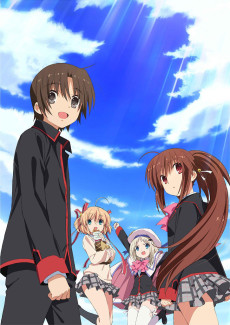
Little Busters!
When tragedy struck Riki Naoe as a child, he was rescued from grief over his parent's deaths when four other kids "recruited" him for their group—the "Little Busters." Now in high school, Riki and the other Busters are still fast friends, and though their vision of being heroes for justice may have faded, they'd still do anything for each other. Which is why Riki is now on TWO special missions. The not so secret one: recruiting new members so the Busters can form a baseball team. Preferably FEMALE recruits, as the current dude/babe ratio is an inconvenient 4 to 1. The OTHER mission, though... That's the strange one. Because Riki and Rin, the group's singular girl, are receiving odd messages, delivered by cats, concerning the existence of a "secret world" and assigning them tasks they have to complete. Were their youthful dreams of being crusaders not so fanciful after all? Or is there something even more vital at stake? Between steeling his courage to talk to girls, dealing with his own narcolepsy and facing his feelings concerning Rin, Riki may just need the strength of a superhero to solve the ultimate mystery of the Little Busters!
(Source: Sentai Filmworks)
📺Anime Details
📝Editorial Analysis
The smell of rain on hot pavement. The thwack of a baseball glove closing around a line drive. Riki Naoe’s hand trembling—not from fear, but from the sheer, unguarded weight of holding someone else’s hope in his palm as he says, “Yeah. We’ll get you on the team.” Not because she can pitch yet, not because she’s got stats—but because she showed up, breathless and earnest, and the Little Busters saw her. That moment isn’t about winning a game. It’s about the quiet, seismic shift when grief stops being a wall and becomes something you carry together, like a bat passed hand-to-hand before stepping into the batter’s box.
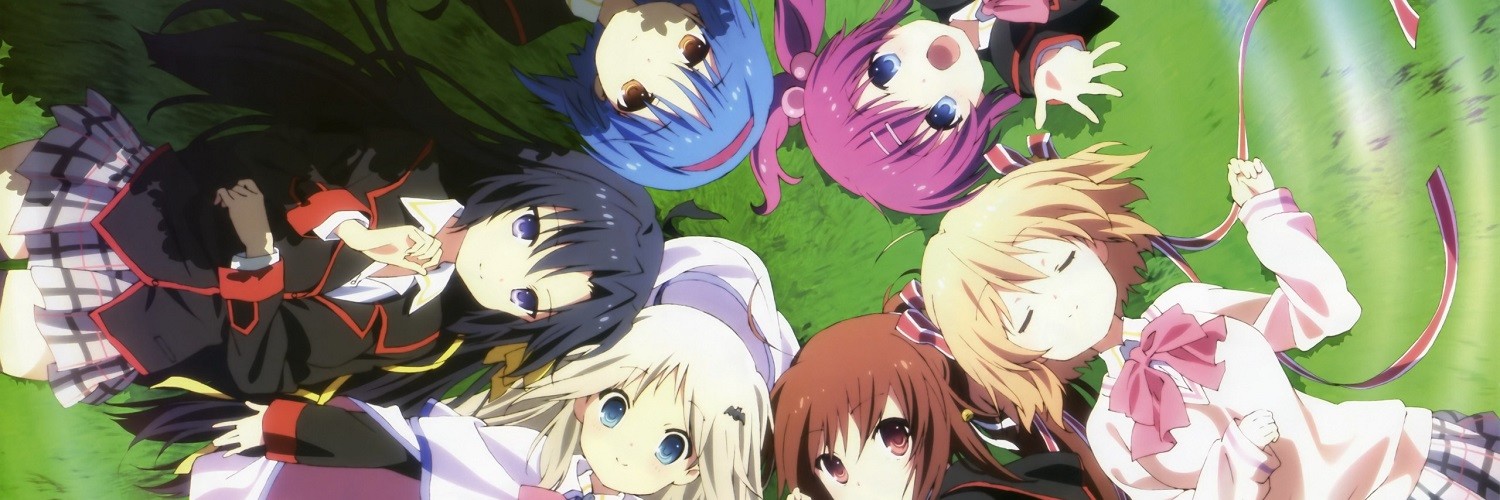
What makes Little Busters! ache so deeply isn’t its supernatural turns or slapstick pratfalls—it’s the texture of time spent. Not plot time, but breath time: lingering on the way sunlight catches dust motes in the clubroom, the rhythm of shared chores, the way laughter stutters when someone almost says something true. It’s the feeling of standing still while everything inside you is rushing—grief, loyalty, clumsy affection—all held in suspension by the simple, radical act of showing up, day after day, for people who chose you long before you knew how to choose back. This isn’t coming-of-age as transformation; it’s coming-of-age as recognition: that love isn’t always loud, but it’s always there, stitched into the seams of ordinary hours.
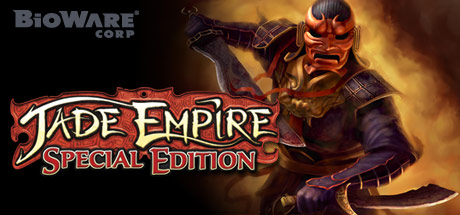
That emotional DNA—the slow burn of found family forged through daily ritual, the weight of memory carried forward without letting it bury the present—resonates sharply with Jade Empire™: Special Edition. Its description frames a martial-arts journey shaped by choice: “the path of the open palm or the closed fist.” Like Riki choosing empathy over isolation, or Kyousuke choosing to hold space instead of control, the game’s core tension lives in how identity is built through repeated, embodied decisions—not grand declarations, but small, daily alignments. A player review mentions needing to “copy and paste ‘steam.dll’” just to launch—a messy, human hurdle mirroring how Little Busters! treats healing: not as a clean cut, but as gathering scattered pieces, sometimes awkwardly, sometimes with borrowed help, until the system runs again.
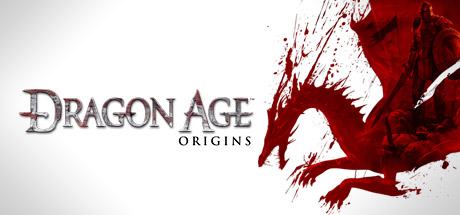
Dragon Age: Origins pulses with the same gravity of consequence. Its description asks: “what will be said about the hero who turned the tide?” But the real resonance lies in how legacy forms in the margins—in campfire conversations, in who you shield during a blight, in the dwarf noble or elven mage whose backstory isn’t exposition, but lived history echoing Riki’s orphaned silence. A player notes “the story is great and its pause attack mechanic is amazing… help a lot to strategist your tactic.” That pause—hitting X to freeze chaos, breathe, choose—is pure Little Busters!: the deliberate, tactical slowness of caring, where every decision to protect, listen, or stay late matters more than the final score.
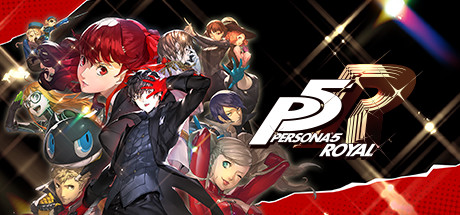
Even Persona 5 Royal, with its slick Tokyo nights and Phantom Thieves, shares this heartbeat. Its description highlights “build relations” and “daily life”—not as filler, but as architecture. Like the Busters’ baseball drills or cooking disasters, those routines are where trust calcifies. A player raves about “the seamless transition between daily life…”, that exact seamlessness—the way school days bleed into confessions, study sessions into revelations—is what makes both works feel lived-in. The supernatural isn’t escape; it’s metaphor made manifest: shadows cracked open, grief given shape, so you can finally name it.
This pairing isn’t for fans of “whimsy” or “epic battles.” It’s for the person who re-watches the cafeteria scene where Komari drops her bento—not for the joke, but for the way Rin immediately slides her own chopsticks across the table without looking up. For the player who saves before every dialogue choice in Dragon Age, not out of fear of failure, but reverence for how fragile connection is. For anyone who’s ever held a glove too tight, waiting for the next pitch—not to win, but to prove, one ordinary, trembling second at a time, that you’re still here, and so are they.
🎮9 Games That Match the Vibe


Match Dimensions Explained
❓Frequently Asked Questions
Why is Dragon Age: Origins listed as similar to Little Busters! when it’s a dark fantasy RPG?
Great question—it’s the *emotional narrative* and ensemble-cast storytelling that connects them. Like Riki’s found-family bonds with Kyousuke, Mio, and Rin, DAO lets you build deep, branching relationships with Alistair, Morrigan, and Leliana through meaningful dialogue choices and loyalty quests—especially Alistair’s bittersweet arc about duty vs. love, which hits with the same heartfelt weight as the beach scene in Little Busters! Refrain.
Is there an anime or visual novel adaptation of Jade Empire?
No—Jade Empire was originally a BioWare console JRPG (Xbox, 2005) with no anime or visual novel adaptation. It *does* share Little Busters!’s focus on emotional growth and moral choice (like choosing the Open Palm path to spare Master Li), but it’s strictly a single-player narrative-driven JRPG—no branching VNs or anime tie-ins exist, unlike Little Busters!’s multiple anime seasons and drama CDs.
How does Persona 5 Royal compare to Little Busters! for slice-of-life + emotional payoff?
Both nail the 'school life + hidden emotional stakes' rhythm, but P5R leans into stylish rebellion (think Joker’s rooftop confessions with Ann or Futaba’s trust-building in the Velvet Room), while Little Busters! roots its warmth in quiet, everyday moments—like Riki napping under the tree with Kud after practice. P5R’s daily life loop (attending school, hanging at Shibuya, maxing Confidants) delivers similar comfort and catharsis, especially during rainy-day hangouts or the poignant 'Last Surprise' ending sequence.
What if I love Little Busters!’s heartfelt group dynamics but hate combat? Any good matches?
Then skip Dragon Age and Persona 5 Royal—and go straight to Strong Bad's Cool Game for Attractive People. It’s pure comedic, dialogue-driven storytelling with zero combat, and its episodic structure (like 'The Wizard Sniffer') mirrors Little Busters!’s vignette-style bonding—just swap tearful beach confessions for absurd email-based shenanigans and Strong Bad’s surprisingly sincere moments with The Cheat. It’s low-stakes, character-forward, and emotionally grounded in its own ridiculous way.