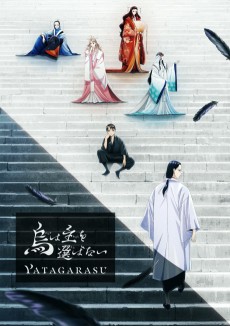
YATAGARASU: The Raven Does Not Choose Its Master
📺Anime Details
📝Editorial Analysis
The scent of rain on cold stone. A raven’s wing brushing the edge of a royal decree—ink still wet, seal unbroken—before it lifts into the bruised twilight over a capital city built on layered lies. No fanfare, no music swell—just the quiet shush of feathers and the weight of a name that isn’t yours, pressed like a brand onto your collarbone. That’s the first breath of YATAGARASU: The Raven Does Not Choose Its Master: not action, but stillness before fracture, where every bow hides a blade and every “Your Highness” is a calculated risk.
What makes this anime vibrate with such particular gravity isn’t its shapeshifting or assassins—it’s how deeply it trusts silence to carry consequence. You don’t feel power here as spectacle, but as pressure: political pressure tightening around bloodlines, the suffocating weight of adoption papers signed in candlelight while real parents vanish without trial, the way an ojou-sama’s smile never reaches her eyes because she’s already counting the exits. It’s a world where loyalty isn’t declared—it’s withheld, measured in milliseconds between heartbeat and hesitation. There’s no grand prophecy, no chosen one—just competence, calculation, and the slow, grinding erosion of self when your identity is state property. You don’t root for victory. You brace for revelation.
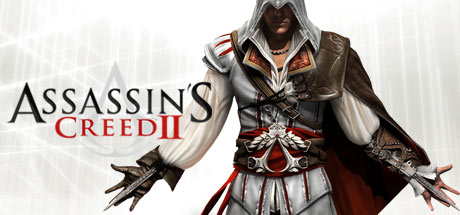
That same bone-deep tension lives in Assassin's Creed™: Director's Cut Edition—not in its dated textures, but in its political thriller spine and tactical warfare rhythm. The player review admits flaws, yet the core remains: “a next-gen game… that redefines the action genre” by making movement itself a language of surveillance and subterfuge. Like YATAGARASU’s protagonist navigating court corridors where a single misstep unravels years of cover, Altair doesn’t just fight—he reads architecture, interprets glances, deciphers hierarchy through posture and proximity. Both demand you hold your breath mid-stride, trusting that the most dangerous thing isn’t the knife—it’s the person who knows your true name and hasn’t spoken it yet.
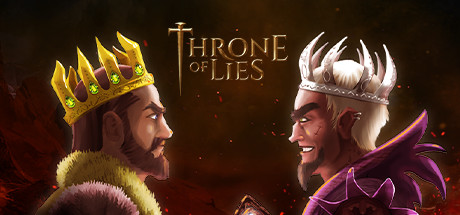
Then there’s Throne of Lies®: Medieval Politics, tagged explicitly with Political Thriller and JRPG Narrative. Its very premise—medieval court intrigue where truth is currency and betrayal is protocol—mirrors YATAGARASU’s royal affairs and conspiracy scaffolding. Here, dialogue isn’t exposition; it’s leverage. Every alliance is provisional, every confession a potential trap—exactly how YATAGARASU frames estranged family dynamics: not as emotional wounds, but as live wires buried beneath protocol. The anime’s adoption arc isn’t about found family warmth—it’s about legal fiction weaponized, identity as a dossier. So is Throne of Lies®, where choosing whom to trust reshapes your entire narrative trajectory—not through magic, but through consequence, vote by vote, whisper by whisper.
And Rise of the Argonauts, though draped in myth, shares something quieter: the anticlimactic ache of unresolved grief. The player review calls its ending “anticlimactic since nothing happens”—but that’s precisely where it echoes YATAGARASU’s emotional DNA. Jason’s vow isn’t fulfilled with fanfare; it curdles into obsession, then exhaustion. Likewise, YATAGARASU refuses catharsis. There’s no triumphant coronation, no tearful reunion—just the hollow click of a lock turning away from home, the raven flying out, not in. Both understand that some wounds don’t scar—they calcify into posture. You carry them forward, not healed, but refined.
This pairing isn’t for fans of lore dumps or power-ups. It’s for the ones who pause mid-quest to watch NPCs argue over grain tariffs, who replay dialogue trees searching for the line where respect cracks into threat, who feel relief when a character finally lies—not because they’re evil, but because honesty would be fatal. It’s for people who recognize dignity in restraint, tragedy in protocol, and the deepest kind of courage: choosing to remain unseen, even when seen would mean safety. They don’t want heroes. They want architects of silence—and the precise, devastating moment the silence breaks.
🎮26 Games That Match the Vibe




Match Dimensions Explained
❓Frequently Asked Questions
Why does YATAGARASU feel so different from Assassin's Creed despite both having political intrigue and dark fantasy?
Great question — it’s all in the pacing and tone. YATAGARASU leans hard into psychological dread and Shinto-Buddhist symbolism (like the crow spirit’s fragmented memories and the cursed shrine sequences), while Assassin’s Creed: Director’s Cut Edition grounds its dark fantasy in historical realism and parkour-driven tactical warfare — think rooftop chases in Jerusalem, not ritual purification trials. The political thriller layer in YATAGARASU is intimate and morally ambiguous (e.g., choosing whether to betray your clan master during the ‘Crimson Vow’ scene), whereas Assassin’s Creed frames politics as empire-scale espionage with clear faction lines.
Is there a manga or anime adaptation of YATAGARASU?
No — unlike Rise of the Argonauts (which inspired multiple Greek myth anthologies but no official anime) or Loki (which had a short-lived webcomic tie-in), YATAGARASU remains exclusively a visual novel with no licensed adaptations. The developer, Nitroplus, has confirmed it’s intentionally standalone — they even declined a pitch for a Throne of Lies® crossover manga last year because they wanted to preserve YATAGARASU’s tightly controlled narrative rhythm and tonal ambiguity.
How does Kingdom Come: Deliverance II compare to YATAGARASU for players who love slow-burn, consequence-heavy storytelling?
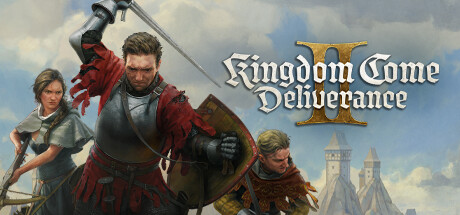
They’re polar opposites in execution, even though both score 83 and share ‘Political Thriller’ and ‘Dark Fantasy’ dimensions. YATAGARASU locks you into tight, dialogue-driven branching paths where every choice reshapes your relationship with characters like Kuroda (the raven-tongued strategist) or the silent shrine maiden — one wrong word in the ‘Midnight Confession’ scene can lock out entire endings. Kingdom Come: Deliverance II, meanwhile, uses systemic simulation: your reputation with factions like the Royalists or Hussites changes organically based on actions like bribing guards or refusing a noble’s unjust order — no dialogue trees, just world-state ripple effects.
What’s the best game like YATAGARASU if I want that same oppressive, rain-soaked Edo-period mood with layered folklore?
Rise of the Argonauts nails the mythological weight and tragic grandeur, but for *that exact* YATAGARASU vibe — misty shrines, ink-wash aesthetics, and quiet dread — Loki is your closest match. Its Norse hero’s journey includes haunting ‘spirit trial’ sequences (like navigating Yggdrasil’s rotting roots while hearing whispers in Old Norse), and its folklore dimension isn’t just set dressing — it’s baked into mechanics, like how sacrificing a relic at Mimir’s Well unlocks memory fragments mirroring YATAGARASU’s ‘Crow’s Eye’ flashbacks. Just brace for those infamous crashes — it’s gorgeous, but unstable.