
Act of War: Direct Action
Tomorrow's War Is NOW Ripped from today's headlines, Act of War: Direct Action™ is a frightening tale of suspense, international intrigue and geopolitical military conflict. This real-time strategy experience puts you squarely in control of counterterrorist forces and delivers a first look at tomorrow's war.
🎮Game Details
💬What Players Say
"Actually not bad at all, the dialogue for the campaign is dumb and a bit cringe but it's like C&C 3 and for just over $3"
"10/10 Got oil"
📝Editorial Analysis
The hum of a Black Hawk’s rotors cuts through desert static—then silence, sudden and heavy, as your command unit halts at the edge of a burning oil refinery. No music swells. No hero monologues. Just heat haze, distant gunfire, and the clipped radio chatter of Delta Force operators calling in coordinates right now. That’s the pulse of Act of War: Direct Action: not spectacle, but urgency—a war ripped from today’s headlines, delivered with the blunt, unvarnished weight of a classified briefing dropped onto your desk. It’s not cinematic. It’s operational. And yes—“10/10 Got oil…” isn’t irony. It’s reverence. Because in this world, oil isn’t a MacGuffin—it’s the hinge on which nations pivot, the reason your drones loiter over contested pipelines at 3 a.m., the quiet engine of every tactical decision you make.
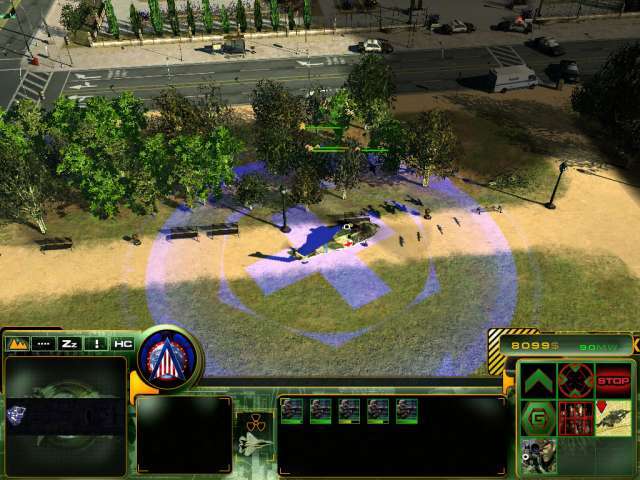


What makes Act of War: Direct Action vibrate with such peculiar intensity isn’t its RTS mechanics or even its Cold War–adjacent realism—it’s the dread of proximity. This isn’t war as myth or legend. It’s war as logistics, as asset allocation, as consequence. You don’t “win” a mission—you contain, extract, suppress. The dialogue may land with the cringe of a mid-2000s C&C cutscene (“Actually not bad at all…”), but that awkwardness only deepens the immersion: it feels like overhearing real people—flustered, overworked, speaking in acronyms—trying to hold back chaos with duct tape and doctrine. You think about supply lines while staring at a satellite feed. You feel exhaustion, not triumph, after clearing a compound. There’s no glory here—just responsibility, heavy and unrelenting.
That same pressure-cooker realism pulses through AJIN: Demi-Human, where political thriller tension isn’t abstract—it’s embodied. When a captured AJIN is dissected in a sterile lab under Ministry oversight, the horror isn’t just biological; it’s bureaucratic. The same cold calculus governs both the game’s oil seizures and the anime’s detainment protocols: lives measured in strategic yield, ethics deferred for operational necessity. Both trade in body horror & occult not as fantasy, but as plausible escalation—what happens when biotech outpaces law, when a single immortal corpse becomes a weaponized geopolitical variable.
Then there’s The Genius Prince's Guide to Raising a Nation Out of Debt, where tactical warfare unfolds not on battlefields but in balance sheets and border treaties. Prince Liscor doesn’t raise armies—he leverages debt, manipulates grain tariffs, and stages economic coups. His maneuvers mirror the game’s resource-centric command: every oil field secured, every pipeline rerouted, every contractor vetted, is a silent negotiation with entropy itself. The shared dimension isn’t action—it’s leverage. Both understand that power isn’t seized in firefights, but calculated, compounded, and quietly enforced.
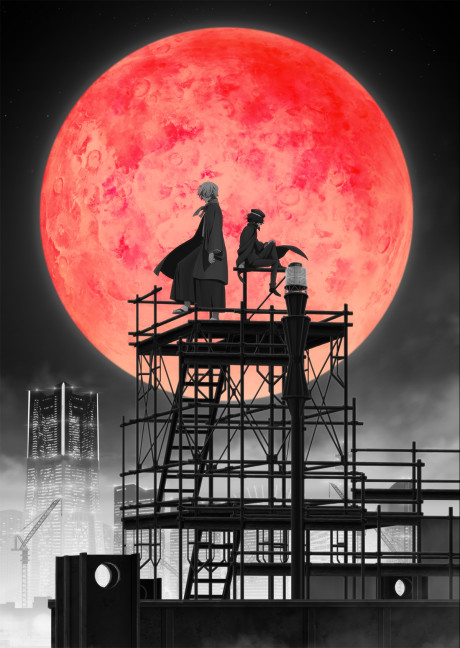
Even Lord El-Melloi II's Case Files {Rail Zeppelin} Grace note resonates—not through magic battles, but through its occult bureaucracy. A mage-killing parasite isn’t fought with spells alone, but with forensic analysis, jurisdictional wrangling between Clock Tower factions, and the slow, grinding dread of something unclassifiable slipping through regulatory cracks. Like Act of War: Direct Action, it treats the supernatural not as wonder, but as threat vector—one requiring inter-agency coordination, redacted reports, and the chilling realization that the real enemy might be the system meant to contain it.
These pairings aren’t for fans of “cool powers” or “epic battles.” They’re for the person who rewatches the scene where the analyst cross-references satellite timestamps because the pacing feels true. For the viewer who pauses As a Reincarnated Aristocrat… S2 not for the appraisal skill’s flash—but for how the protagonist quietly rewrites inheritance law to stabilize grain exports. For the player who replays Act of War: Direct Action’s refinery mission not to perfect DPS, but to test whether deploying engineers before air support reduces civilian casualty estimates by 0.3%. This is for those who find beauty in procedure, tension in restraint, and meaning in the margin between policy and powder. Not heroes. Not villains. Just people holding the line—with spreadsheets, satellites, and very little sleep.
→137 Anime That Match the Vibe

Connected through 3 aesthetic dimensions.

Connected through 3 aesthetic dimensions.

Connected through 3 aesthetic dimensions.

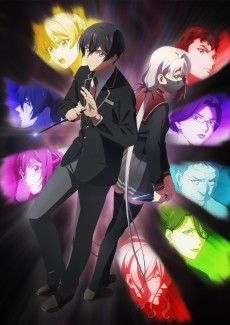
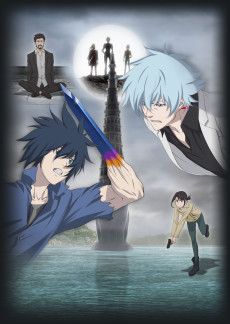
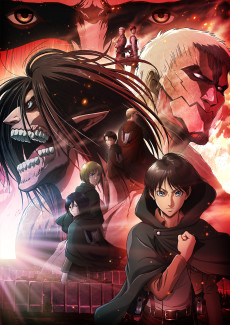
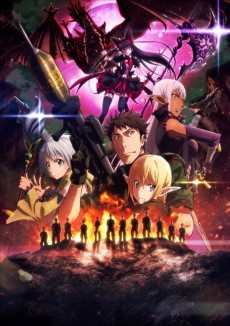
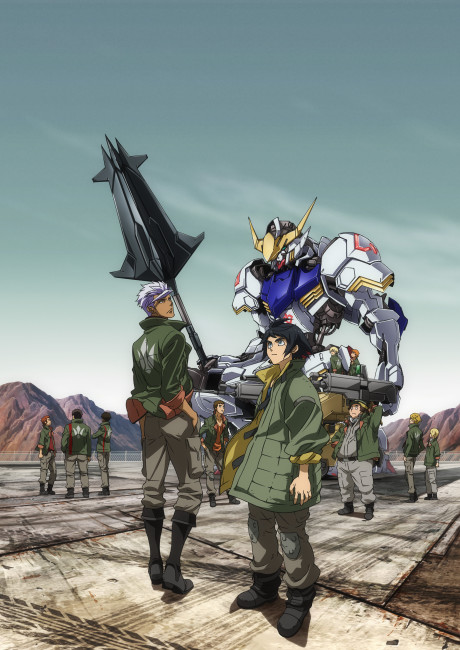
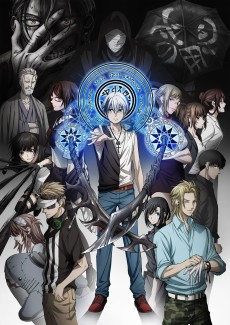
Kei Nagai’s first resurrection—bloodied, disoriented, staring at his own unblinking corpse—mirrors the visceral dread of Act of War’s opening drone strike on a civilian convoy: both weaponize political thriller tension through bodily violation. Where the game stages tactical warfare across oil fields and black-site bunkers, AJIN fractures identity through body horror—Nagai’s immortality isn’t power but evidence of systemic dehumanization. That shared obsession with how states dissect, exploit, and erase the human body makes their resonance unsettlingly precise.

Connected through 2 aesthetic dimensions.

Connected through 2 aesthetic dimensions.

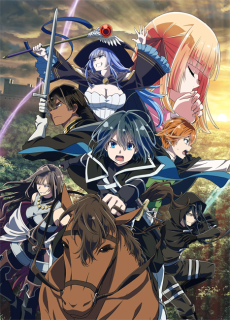
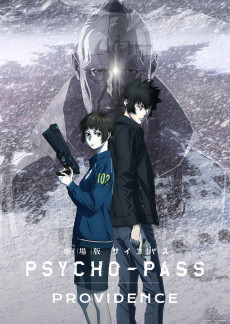
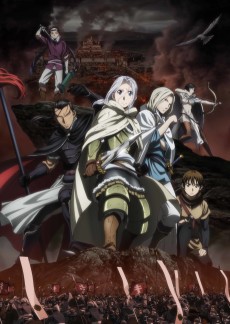
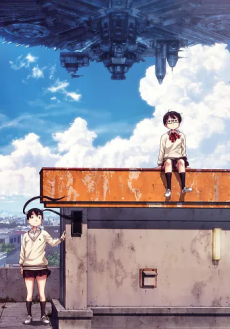
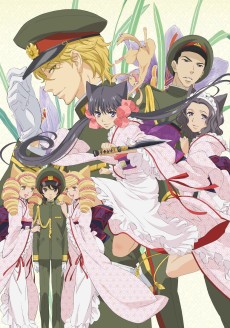
A prince calculating grain tariffs while drones patrol contested airspace—*The Genius Prince* and *Act of War* collide in tense, grounded political thriller logic. Unlike most fantasy anime, this season roots its debt crisis in granular resource logistics and diplomatic brinkmanship, mirroring the game’s real-time oil-field seizures and NATO-style coalition tensions. That shared 🏛️ Political Thriller DNA makes their resonance startling: one deploys tactical warfare with spreadsheets and satire, the other with armored brigades and satellite intel—both treating statecraft as high-stakes, sweat-soaked calculus.
Connected through 2 aesthetic dimensions.

Connected through 2 aesthetic dimensions.

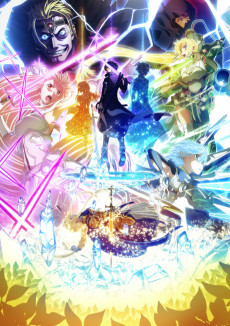
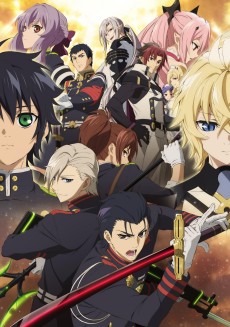
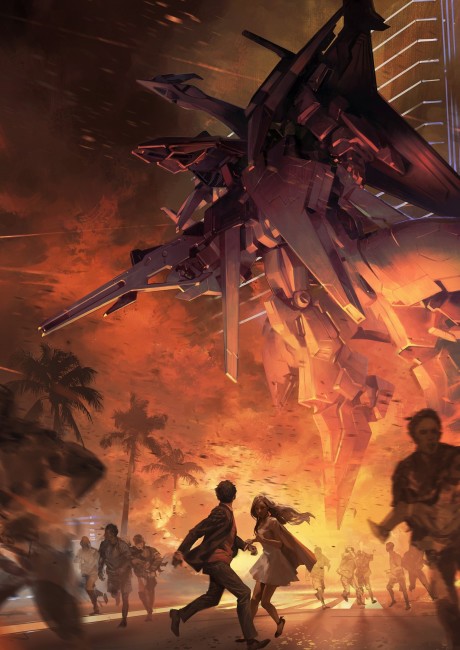
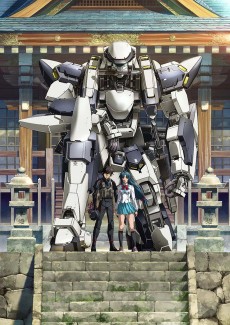
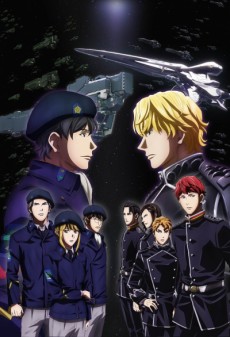
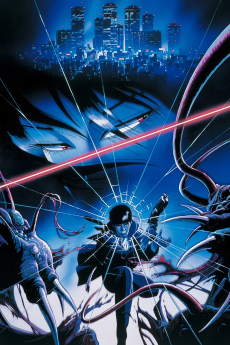
Tatsuya’s quiet command during the Tokyo orbital weapon crisis mirrors Delta Force operatives coordinating under drone surveillance in Act of War’s Kuwait City campaign—both hinge on precise, high-stakes tactical warfare where civilian infrastructure becomes a contested battlefield. Unlike most supernatural anime, *The Girl Who Summons the Stars* grounds its magic in geopolitical realism: the JSDF’s uneasy alliance with the Magic Association echoes the game’s NATO–private-military entanglements. This political thriller tension—where strategy outpaces spectacle—makes their resonance startlingly coherent.





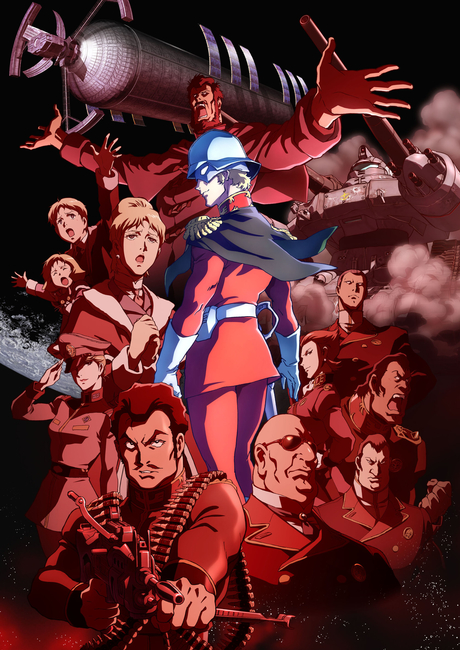
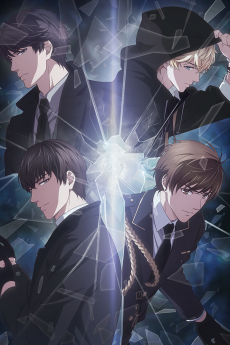



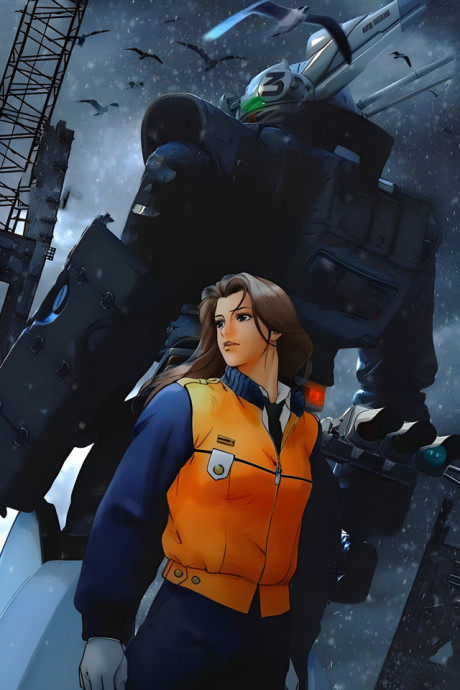

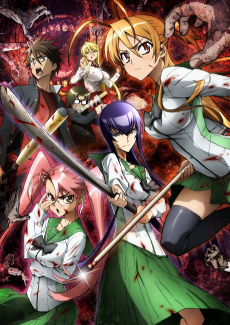



































































Match Dimensions Explained
❓Frequently Asked Questions
Why is AJIN: Demi-Human recommended for fans of Act of War: Direct Action?
Because both dive deep into morally gray counterterrorism ops where civilian lives hang in the balance—like when Kei Nagai gets captured and interrogated by JSDF forces after the Shibuya incident, mirroring Act of War’s tense hostage-rescue missions in oil-rich conflict zones. The political thriller layer hits hard too: AJIN’s government cover-ups and black-site experimentation echo the game’s ‘ripped from today’s headlines’ geopolitical dread, especially during the ‘Cage’ arc’s military tribunal scenes.
Is there an anime adaptation of Act of War: Direct Action?
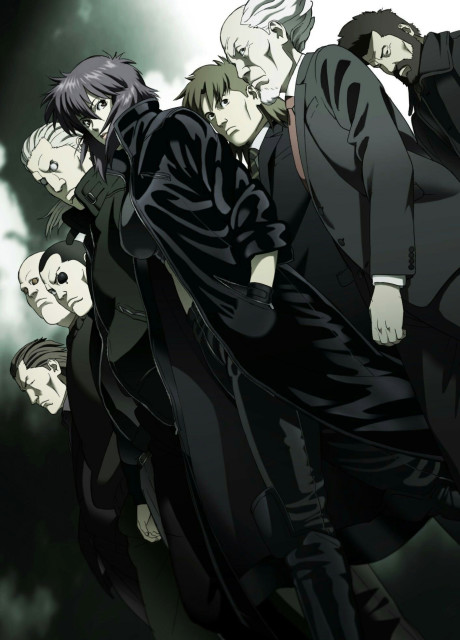
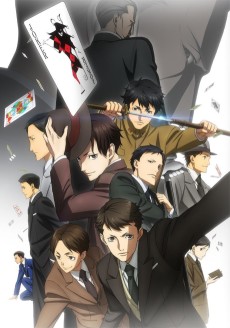
Nope—Act of War: Direct Action never got an anime adaptation (or any official animated series). But if you love its gritty, oil-fueled tactical realism and shadowy international conspiracies, Lord El-Melloi II's Case Files {Rail Zeppelin} Grace note nails that same vibe: think armored magus trains crossing contested borders, body horror via cursed relics, and a tense standoff aboard the Rail Zeppelin that feels like a real-time strategy mission gone personal.
How does The Genius Prince's Guide compare to Act of War: Direct Action in terms of warfare?
While Act of War drops you straight into firefights with M4s and Humvees in unstable petro-states, Genius Prince swaps bullets for budget sheets and battalion deployments—but the tactical stakes are just as high. Watch Prince Liscor calculate troop movements *and* grain subsidies to outmaneuver the Empire, then pivot to a live-fire drill where his elite 'Rising Sun' unit executes a textbook flanking maneuver—exactly the kind of precise, resource-aware command you’d manage in Act of War’s campaign missions.
What’s the best anime like Act of War if I want that ‘oil war tension’ but with magic?
Go straight to The Irregular at Magic High School The Movie: The Girl Who Summons the Stars—it’s got Act of War’s ‘tomorrow’s war is now’ urgency dialed up to eleven. When Miyuki and Tatsuya deploy to the Arctic Circle to stop a rogue nation’s magical weapons platform, their stealth insertion, satellite-jamming tech, and zero-margin-for-error combat over frozen tundra hit the same nerve as Act of War’s Caspian Sea oil rig assault—just swap drones for spell-locked artillery and geopolitics for mage politics.