
Fullmetal Alchemist: Brotherhood
"In order for something to be obtained, something of equal value must be lost."
Alchemy is bound by this Law of Equivalent Exchange—something the young brothers Edward and Alphonse Elric only realize after attempting human transmutation: the one forbidden act of alchemy. They pay a terrible price for their transgression—Edward loses his left leg, Alphonse his physical body. It is only by the desperate sacrifice of Edward's right arm that he is able to affix Alphonse's soul to a suit of armor. Devastated and alone, it is the hope that they would both eventually return to their original bodies that gives Edward the inspiration to obtain metal limbs called "automail" and become a state alchemist, the Fullmetal Alchemist.
Three years of searching later, the brothers seek the Philosopher's Stone, a mythical relic that allows an alchemist to overcome the Law of Equivalent Exchange. Even with military allies Colonel Roy Mustang, Lieutenant Riza Hawkeye, and Lieutenant Colonel Maes Hughes on their side, the brothers find themselves caught up in a nationwide conspiracy that leads them not only to the true nature of the elusive Philosopher's Stone, but their country's murky history as well. In between finding a serial killer and racing against time, Edward and Alphonse must ask themselves if what they are doing will make them human again... or take away their humanity.
(Source: MAL Rewrite)
📺Anime Details
📝Editorial Analysis
The rain in Central City doesn’t fall—it settles, heavy and cold, into the collar of Edward Elric’s red coat as he stands before the ruined remains of the Fifth Laboratory. His automail hand clenches. Alphonse’s empty armor lies half-buried in rubble. No music swells. Just the hiss of steam from broken pipes, the distant groan of a collapsing ceiling, and the quiet, awful weight of a truth just confirmed: they were lied to. Not by enemies—but by the very institution that swore to protect them. That moment isn’t about action or spectacle. It’s about the floor dropping out from under your moral compass—and realizing you’ve been walking on false foundations for years.
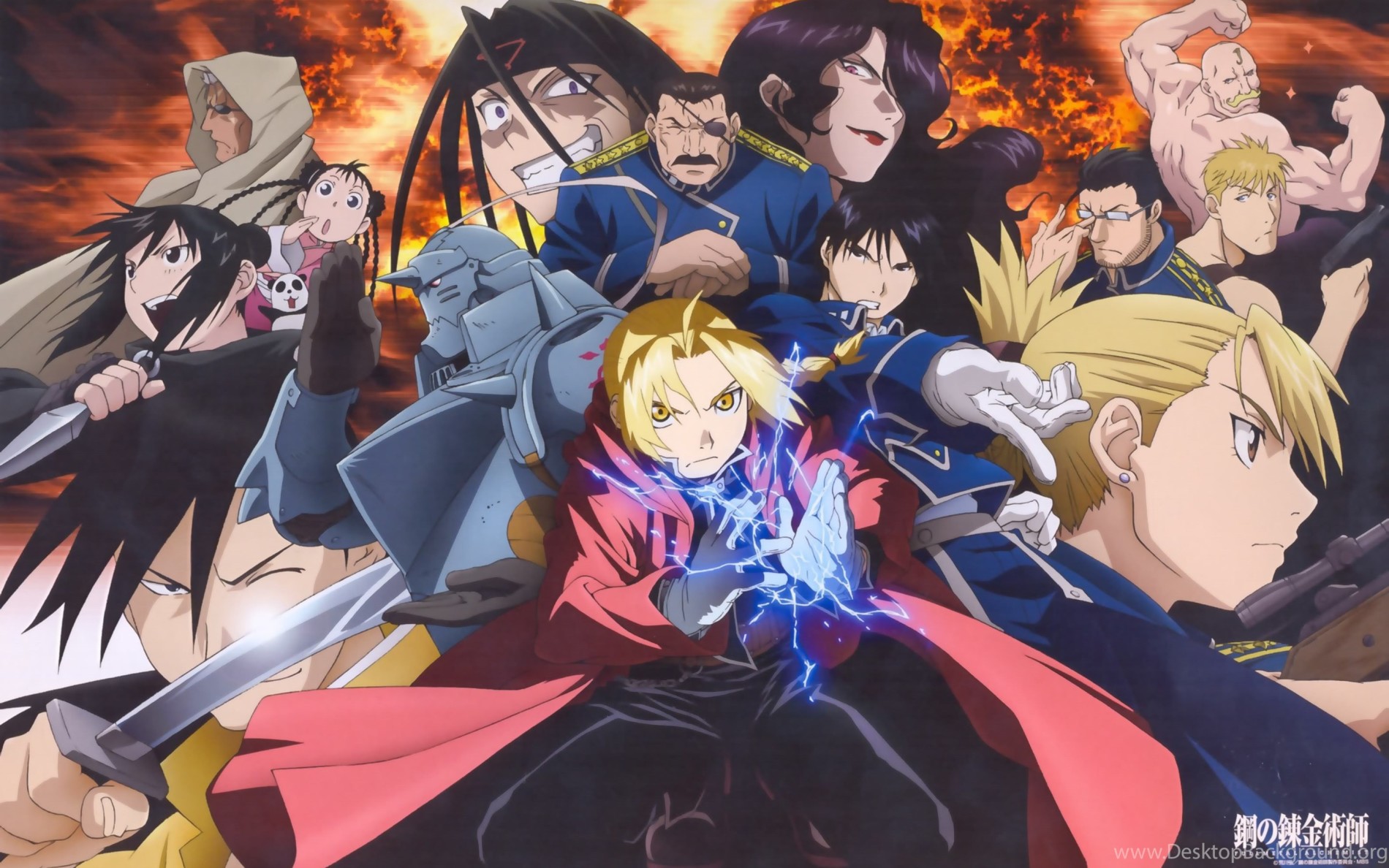
What makes Fullmetal Alchemist: Brotherhood singular isn’t its alchemy system or war backdrop—it’s how relentlessly it grounds consequence. Every choice echoes—not just in plot, but in posture, silence, and scar tissue. You feel the weight of duty when Roy Mustang signs papers he knows will send soldiers to die. You taste the bitterness of compromise when Grumman withholds truth to preserve fragile peace. This isn’t tragedy as spectacle; it’s tragedy as sedimentary layer—accumulated, inescapable, quietly reshaping who people become. It makes you question not just what is right, but who gets to define it, and at what human cost. The philosophy isn’t lectured—it’s lived, in every rationed meal, every delayed apology, every salute given with eyes too tired for conviction.
That same suffocating, systemic gravity pulses through BioShock™, where the player walks through Rapture’s drowned halls and uncovers a utopia rotting from within—not because of monsters, but because its founders believed ideology could override human frailty. Its description calls it a Political Thriller, Cyberpunk & Dystopia, but what resonates with Brotherhood is how both force you to confront the hollowness of absolute ideals: objectivism in Rapture, militarized order in Amestris. A player review calls it “one of the most revolutionary games ever!”—not for its guns, but because it made you feel complicit, just as Ed feels complicit in the Ishvalan genocide long before he holds a rifle. The horror isn’t in the splicers—it’s in recognizing your own willingness to believe the lie, until the lie cracks open.
Then there’s Assassin's Creed™: Director's Cut Edition, described as redefining action by merging “impressive graphics and physics” with something deeper: Tactical Warfare and Political Thriller. Its player review admits dated textures—but notes “no issues with me.” Why? Because what lingers isn’t visual fidelity, but the texture of power as architecture: how institutions build walls not of stone, but of silence, hierarchy, and sanctioned forgetting. Like Brotherhood, it asks you to move through cities governed by invisible chains—Jerusalem’s factions mirroring Amestris’ military bureaucracy—where every rooftop leap is also a negotiation with authority you didn’t choose but must navigate. The tension isn’t between hero and villain, but between duty and conscience, measured in footsteps across sun-baked tiles and bloodstained marble.
And Beyond Good and Evil™, tagged with Emotional Narrative, drops you into a world where “Jade, a young investigative reporter,” uncovers “a terrible government conspiracy” alongside her “loyal pig friend Pey'j.” Its player review shouts “Crazyyy game!”—but the resonance with Brotherhood isn’t in tone, it’s in structure: both center ordinary people weaponizing empathy as resistance. Jade doesn’t wield alchemy or swords—she wields questions, recordings, trust. Like Winry repairing automail not just as mechanic but as witness, Jade’s reporting is an act of moral alchemy: transmuting silence into evidence, fear into solidarity. Her fight isn’t for dominance—it’s for memory, for the stories buried beneath propaganda. That’s the same heartbeat as Brotherhood’s slow, aching reckoning with Ishval: not vengeance, but reckoning.
This pairing sings to the person who replays a scene not for the fight, but for the pause after—the one where a character stares at their hands, wondering what they’ve become. It’s for the reader who bookmarks pages where dialogue is sparse and grief is held in the space between breaths. It’s for the player who saves before a choice—not to reload, but to sit with the weight of it. Not heroes chasing glory, but humans navigating systems too vast to shatter, yet too vital to ignore. They don’t want catharsis. They want clarity—sharp, uncomfortable, and earned.
🎮7 Games That Match the Vibe






Match Dimensions Explained
❓Frequently Asked Questions
Why does BioShock get recommended so much for Fullmetal Alchemist: Brotherhood fans?
Because both dive deep into morally gray political thrills where ideology clashes with human cost—like when FMA:B’s Ishvalan War forces characters to confront systemic oppression, BioShock’s Rapture makes you question objectivism through its crumbling, corpse-strewn halls and audio diaries from doomed philosophers. You’ll feel that same weighty tension in every choice, especially during the ‘Would you kindly?’ twist, which hits with the emotional gut-punch of Scar’s backstory arc.
Is there a Fullmetal Alchemist: Brotherhood game adaptation?
No—there’s never been an official, canon game adaptation of Fullmetal Alchemist: Brotherhood. The closest are fan-made mods or older Japan-only titles like *Fullmetal Alchemist* (2004, PS2), but those follow the original anime, not Brotherhood’s tighter, more faithful plot. So fans turn to games like *Beyond Good and Evil*, where Jade’s investigative grit, Pey’j’s loyalty, and the oppressive Alpha Sections mirror the Elric brothers’ truth-seeking mission and found-family bonds.
How does Beyond Good and Evil compare to Deus Ex: Invisible War for FMA:B vibes?
Beyond Good and Evil nails the emotional narrative + political thriller combo—Jade’s quiet courage and moral clarity echo Edward’s growth, while the alien occupation of Hillys feels as suffocating as Amestris under Father’s shadow. Deus Ex: Invisible War leans harder into cyberpunk dystopia and factional ambiguity (like the Order vs. Omar), but lacks the heartfelt character chemistry and accessible storytelling that makes FMA:B resonate—so if you want warmth *and* conspiracy, go Beyond first.
What’s the best game like Fullmetal Alchemist: Brotherhood if I want that ‘weighty, thoughtful, morally complex’ vibe?
BioShock is your top pick—it’s got that same layered worldbuilding, tragic idealism gone wrong (Andrew Ryan vs. Father), and unforgettable set pieces like the first descent into Rapture’s ruined lobby, which lands with the same haunting grandeur as the opening train sequence in Brotherhood. Plus, its 84 Metacritic score and player praise as ‘revolutionary’ back up how deeply it sticks with you—just like watching Truth’s gate unfold.