Assassin's Creed™: Director's Cut Edition
Assassin's Creed™ is the next-gen game developed by Ubisoft Montreal that redefines the action genre. While other games claim to be next-gen with impressive graphics and physics, Assassin's Creed merges technology, game design, theme and emotions into a world where you instigate chaos and become a vulnerable, yet powerful, agent of...
🎮Game Details
💬What Players Say
"I should probably start with the flaws first. Being an older game now, some of the models and textures are quite dated but no issues with me but I can see that for other players. The story can sometimes be very repetitive too...."
"Honestly, this game is a masterpiece that deserves a proper remake or remaster. Adding achievements would be the perfect finishing touch."
"its a solid game yeah its repetitive af but i overall had fun. the story isnt much to write home but its a solid foundation and starting point for the franchise as a whole. Most of the characters and enemies outside Malik, Altair and Al Mualim were pretty forgettable and didnt really stand out that much in my opinion but were serviceable in the roles they played in the game...."
📝Editorial Analysis
The first time you stand atop the Damascus citadel at dusk—wind tugging at your hood, the city sprawling in fractured ochre and dust-gray beneath you—you don’t feel like a hero. You feel exposed. Not by guards, but by silence. The official description calls it a world where “you instigate chaos and become a v…”—the sentence cuts off, mid-breath, like the game itself refuses to name what you become. Player reviews echo that ellipsis: “the story isn’t much to write home about,” “repetitive af,” yet “a masterpiece that deserves a proper remake.” That dissonance is the atmosphere—not grandeur, not triumph, but the low, persistent hum of unresolved weight: a man moving through history’s gears without ever fully grasping the machinery.
This isn’t adrenaline or catharsis. It’s melancholic exploration: the ache of walking streets you’re not meant to understand, repeating rituals (climb, eavesdrop, assassinate) not out of devotion, but because the system offers no exit. The dated textures and stiff models—cited by players—not as flaws, but as evidence: they make the world feel archival, half-remembered, like flipping through a water-damaged manuscript. There’s no voiceover exposition, no moral hand-holding—just the cold logic of the Animus, the quiet dread of Altaïr’s own voice echoing “I am nothing” long after the mission ends. You don’t conquer the city. You inhabit its margins, learning its rhythms only to exploit them—and feeling hollow when you do. That hollowness is the emotional core: political thrills stripped of glory, dark fantasy without magic, just men in robes whispering in shadows while empires grind on.
Lord of Mysteries resonates because both treat ideology like architecture—cold, load-bearing, indifferent to the people inside. Altaïr navigates Crusader and Saracen factions not as heroes or villains, but as competing bureaucratic ghosts, each with their own sealed doctrines and hidden hierarchies. Like Klein Sakuraba decoding the Thirteen Churches’ esoteric power structures, Altaïr deciphers Templar dogma through fragmented letters and guarded silences—not to defeat evil, but to map its infrastructure. The melancholy isn’t personal loss; it’s the slow dawning that no faction holds truth—only leverage.
Monster shares that same neon noir texture—not in palette, but in moral chiaroscuro. Think of Dr. Tenma’s descent: every choice clean on paper, every consequence morally radioactive. Altaïr’s assassinations mirror that. He kills “corrupt” targets—tax collectors, zealots, generals—but the player review nails it: “the story isn’t much to write home about.” Because the horror isn’t in the blood; it’s in the banality of the ledger, the way justice curdles into procedure. Like Johan’s calm monologues over rain-slicked streets, Altaïr’s missions unfold in hushed, procedural dread—no music swells, no camera lingers on faces. Just the click of a hidden blade, then silence. Both ask: what does it cost to keep walking when every path is paved with compromise?
Vampire Hunter D: Bloodlust locks into the dark fantasy dimension—not with fangs or castles, but with scale. D rides across wastelands where ancient powers sleep beneath cracked earth; Altaïr walks cities built atop older, buried cities, his leaps from minaret to minaret echoing D’s impossible, gravity-defying strides. Neither world offers salvation—only endurance. The “v” cut off in the official description? It feels like “void,” “vessel,” “vermin”—all equally plausible. D is a relic haunting a dying world; Altaïr is a tool haunting a dying creed. Their battles aren’t climactic—they’re interstitial, brief ruptures in a long, weary watch. The melancholy isn’t sadness. It’s resignation with purpose: you keep climbing because stopping means the architecture collapses entirely.
This pairing speaks to the reader who underlines passages about bureaucracy in 1984, who rewatches Patlabor 2’s tank standoff not for the hardware, but for the exhausted pause before the order is given. It’s for the player who replays the Acre assassination not for the combo, but to watch the pigeons scatter exactly the same way each time—proof that even chaos has its script. They don’t want lore dumps or power fantasies. They want the wind on the citadel wall, the weight of a hood pulled low, the quiet certainty that some truths are too large to hold—and all you can do is move, precisely, through the cracks.
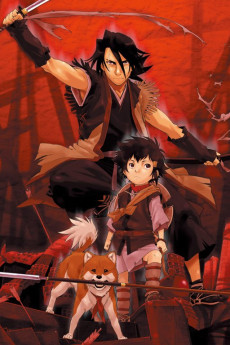
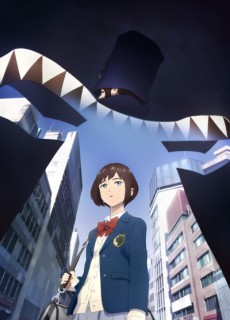
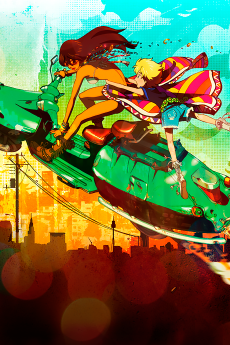
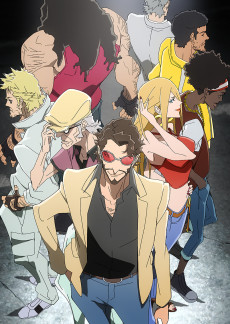
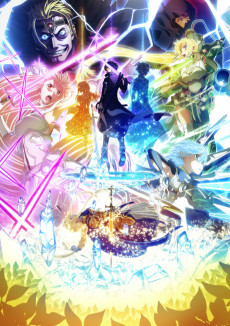
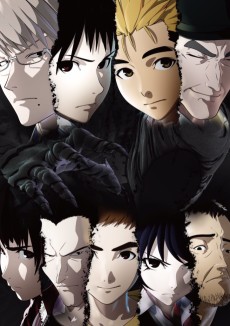
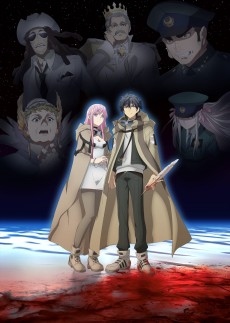
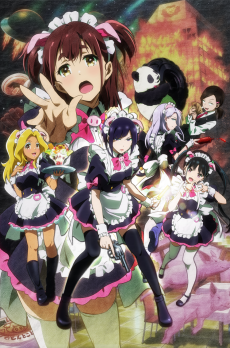
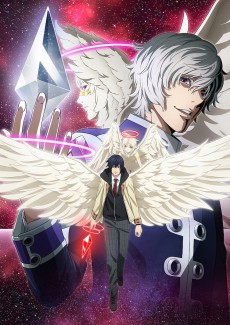
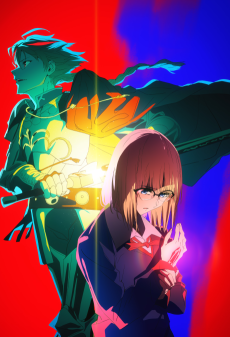
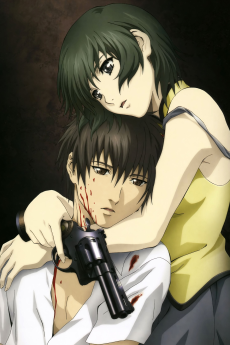
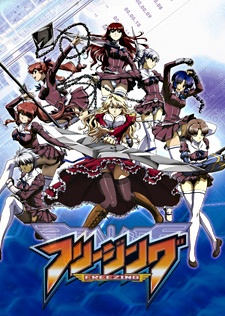
→495 Anime That Match the Vibe

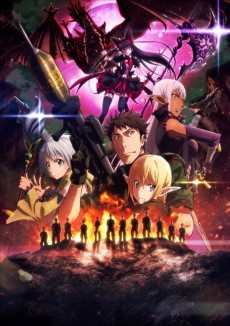
Neon-drenched alleyways of Naples pulse with the same uneasy glamour as Assassin’s Creed’s Damascus rooftops—both steeped in 🌃 Neon Noir where light doesn’t reveal truth but obscures motive. Giorno’s quiet, rain-slicked ascent mirrors Altaïr’s solitary recalibration after failure: not triumph, but melancholic resolve forged in political rot and inherited bloodlines. Unlike most action sagas that glorify power, Golden Wind and Director’s Cut Edition treat legacy as a wound you polish—not to heal, but to aim.

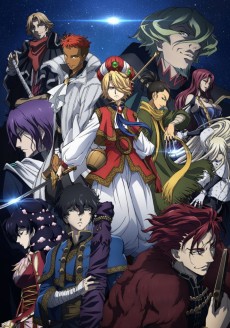
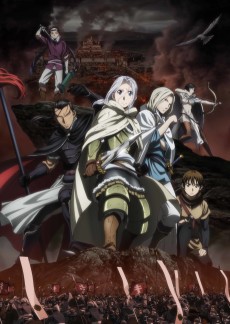
Both steep themselves in the hushed tension of crumbling empires—Jerusalem’s sun-bleached stone alleys and Magnostadt’s shadow-draped spires alike breathe with the same weary grandeur. Altaïr’s silent, precise assassinations echo Aladdin’s labyrinthine battles: each strike is a calculated calculus of power, silence, and sacrifice, reverberating with melancholic weight. Their political thrills a...

Prince Bojji’s silent, trembling hand gripping Kage’s shadow echoes Altaïr’s first hesitant leap from the Damascus rooftop—both moments fracture power hierarchies through vulnerable physicality. Unlike most political thrillers that weaponize speech, *Ranking of Kings* and *Assassin’s Creed™: Director’s Cut Edition* anchor their dark fantasy in embodied resistance: Bojji’s voiceless authority versus Altaïr’s creed-bound silence amid Masyaf’s stone corridors. This resonance feels quietly radical—a shared insistence that sovereignty isn’t declared, but forged in stillness, shadow, and the weight of a blade (or a crown) held too soon.

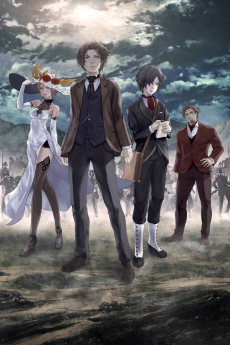
Both steep the viewer in shadow-draped urban labyrinths—Jerusalem’s narrow, sun-bleached alleys and Shadow’s rain-slicked Neo-Victorian cityscapes—where every rooftop ledge and fog-choked alleyway pulses with latent violence. The rhythmic tension of tactical infiltration mirrors Cid’s hyper-precise, almost balletic combat: a blade drawn in silence before chaos erupts, then recedes into stillnes...

A rooftop leap across Damascus’ sun-baked minarets mirrors Lawrence’s quiet tension in the Rowen inn—both moments pulse with 🏛️ Political Thriller weight, where every whispered deal or stolen glance risks unraveling fragile alliances. Unlike most fantasy adventures, *Spice and Wolf*’s Season 1 (the only TV season referenced) grounds its stakes in ledger books and grain prices, just as *Assassin’s Creed*’s “Director’s Cut Edition” frames assassination not as spectacle but as melancholic duty amid crumbling Crusader politics. This resonance feels quietly radical: economic realism and historical dread entwine, not through battles, but through the hush before a contract is signed—or a blade is drawn.
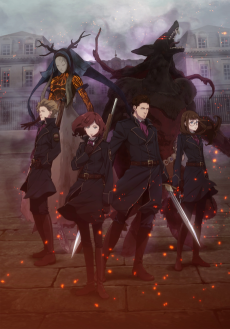
Both drown London in rain-slicked, electric-noir chiaroscuro—AC’s flickering gaslight-and-neon alleys mirror Moriarty’s shadow-choked Baker Street, where fog curls like static and every cobblestone hums with conspiracy. Their political thrillers unfold through morally inverted protagonists: Altair’s blade cuts through Templar hypocrisy just as Moriarty’s silk-gloved hand orchestrates revolution...

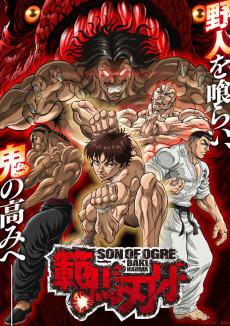
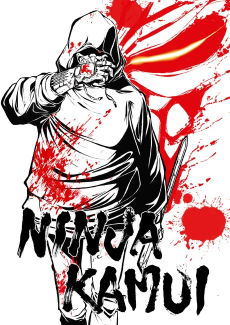
Both drown in rain-slicked, neon-bleeding cityscapes where ancient conspiracies pulse beneath modern infrastructure—Jerusalem’s cramped, blood-streaked alleys mirror BAKI’s Tokyo underworld lit by flickering pachinko parlors and subway tunnels. Their political thrillers coil around immortal hierarchies: the Templars’ cold calculus echoes Hanma’s lineage-driven power structures, while both deplo...

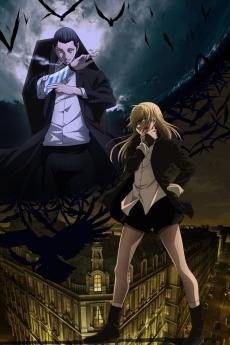
Both steep in a neon-drenched, rain-slicked political thriller atmosphere where conspiracy breathes through ornate architecture—Assassin’s Creed’s Damascus alleys glow with sodium-orange lamplight and shadowed archways mirroring Gosick’s 1920s Sauville, where fog curls around Gothic spires and library stacks cast long, interrogative silhouettes. Victor’s quiet intensity and Altaïr’s restrained ...

Klein Moretti’s first descent into the Gray Realm mirrors Altaïr’s rooftop leaps across Damascus—both moments fuse political thriller tension with vertiginous, almost sacred geometry. Unlike most fantasy thrillers, neither work treats power as mere spectacle: the Churches’ bureaucratic occultism echoes the Templars’ institutional control, each enforcing order through layered deception. This resonance feels startlingly fresh—dark fantasy as systemic critique, not just grim aesthetics.
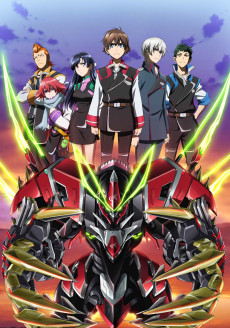
Both plunge into rain-slicked, neon-drenched cityscapes where political conspiracies coil through labyrinthine alleys and shadowed rooftops—Damascus’ flickering oil lamps mirror Nagoya’s glitching holograms in equal measure. Ezio’s silent, blade-in-shadow takedowns resonate with Izuku’s desperate, gravity-defying maneuvers amid collapsing infrastructure, each movement a tactical calculus under ...














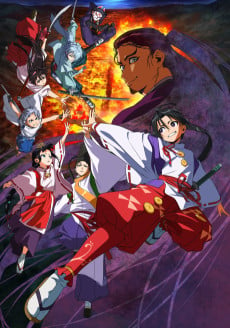




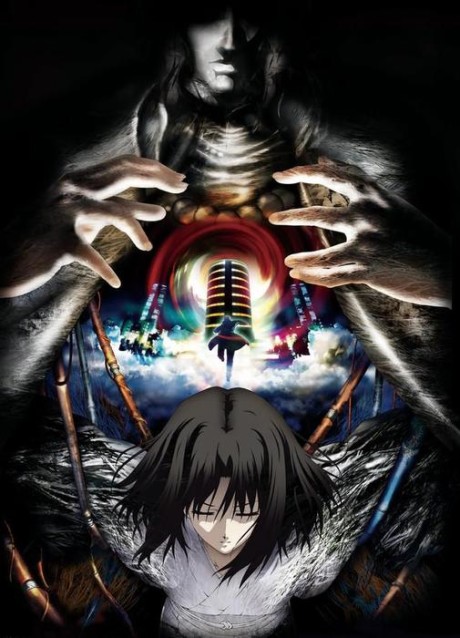

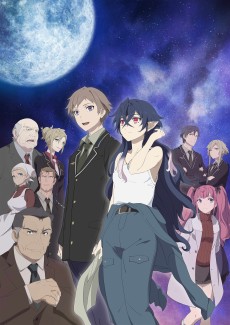
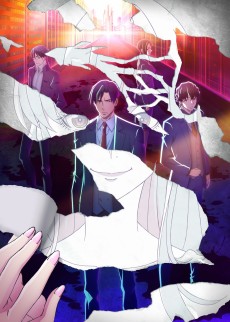

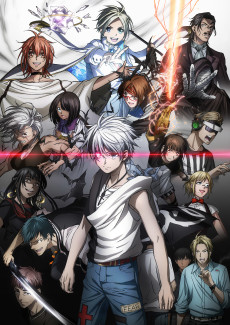


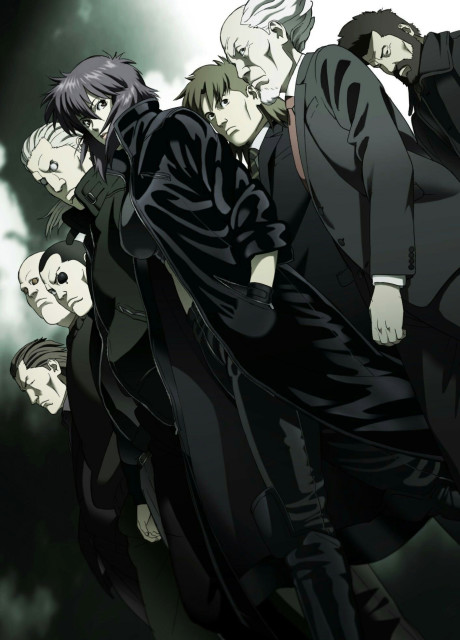
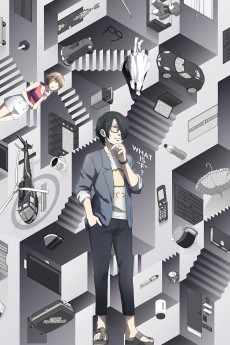

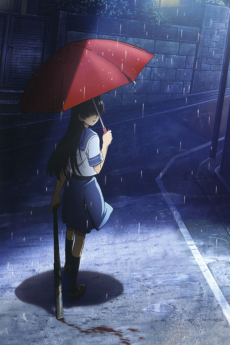






















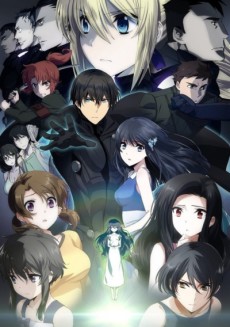

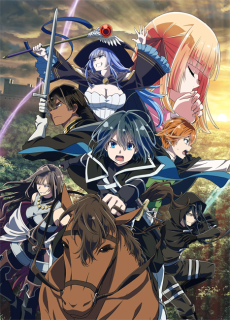
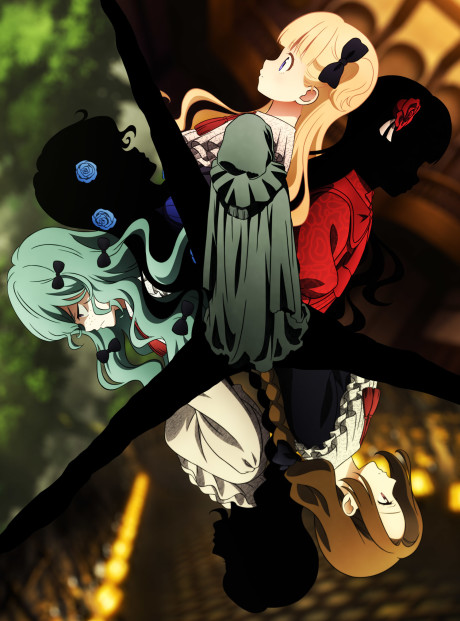





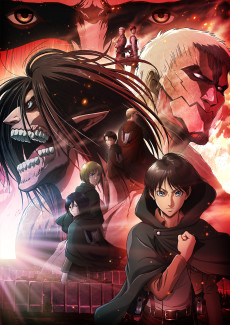
























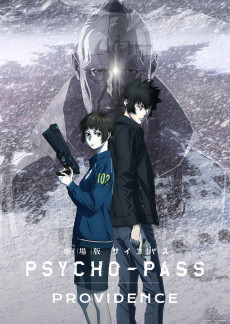


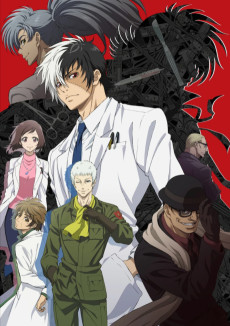


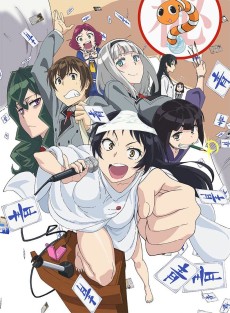

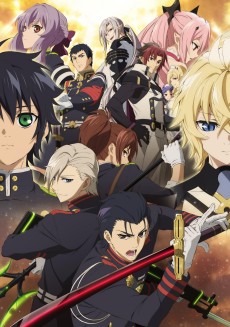


























































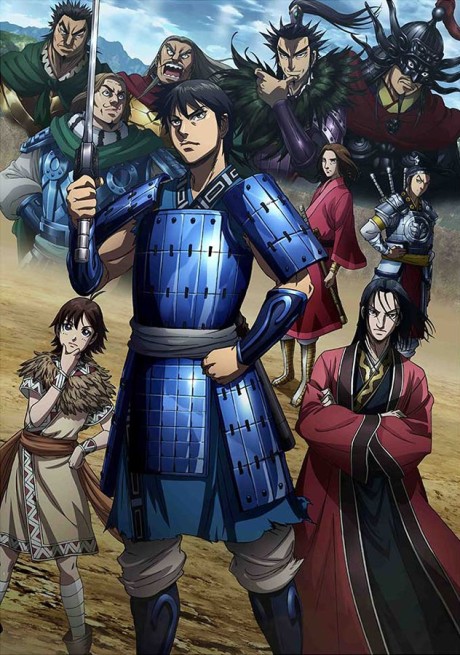





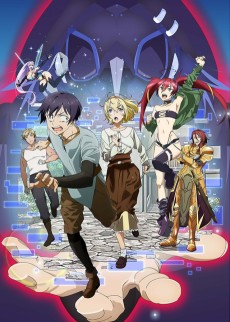
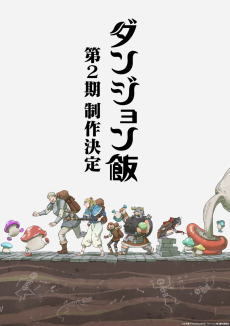
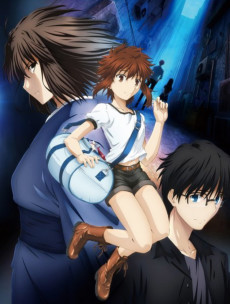
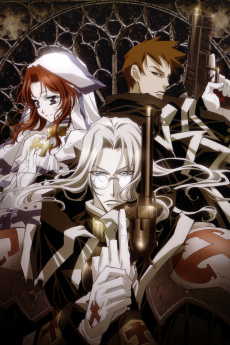
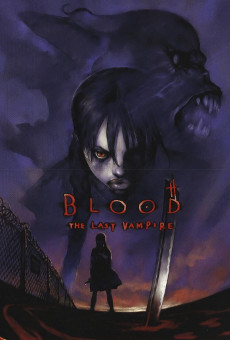
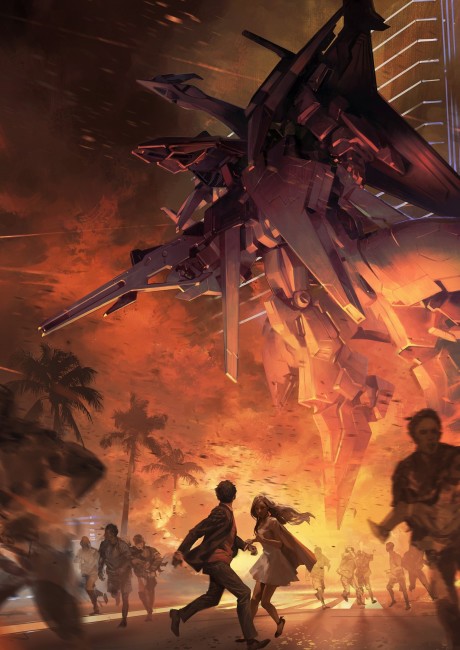


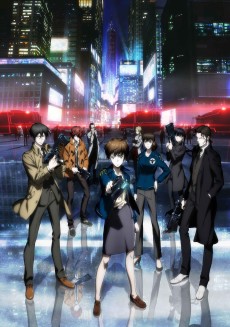



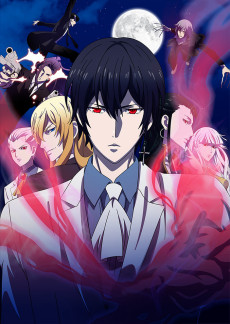




















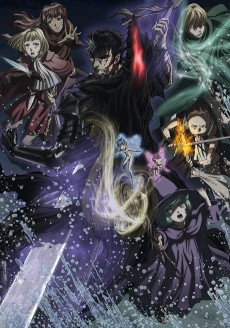

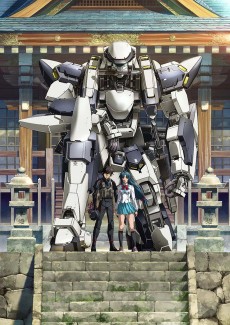



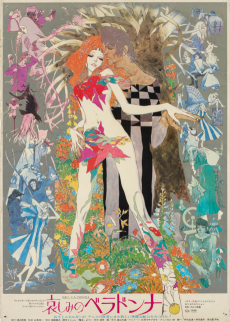
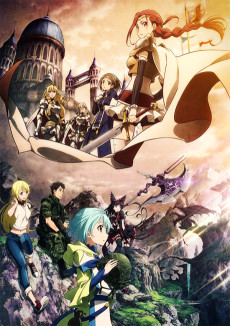


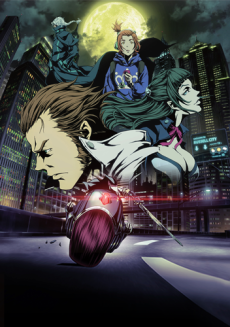
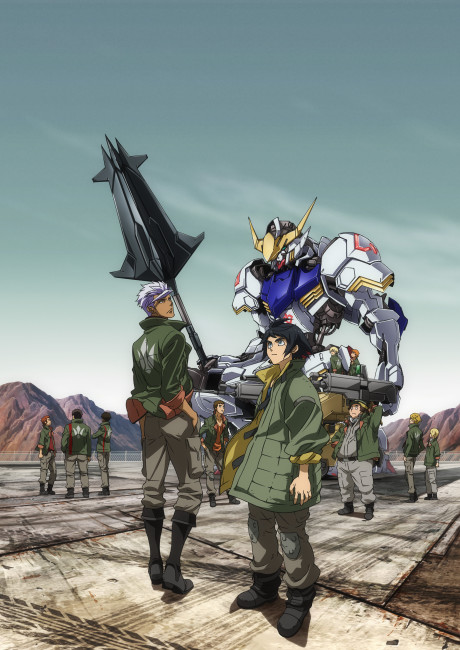

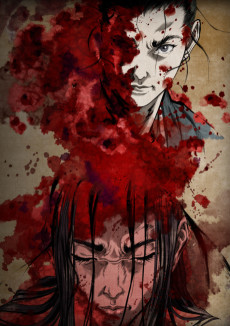









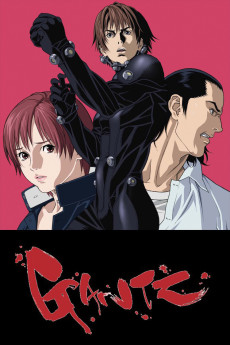
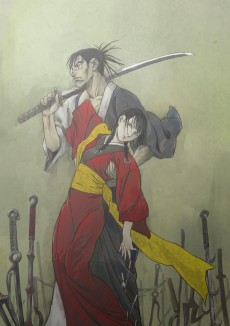






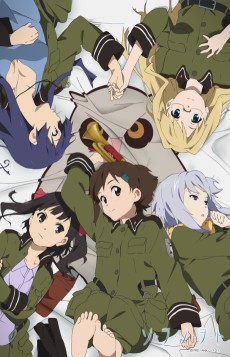

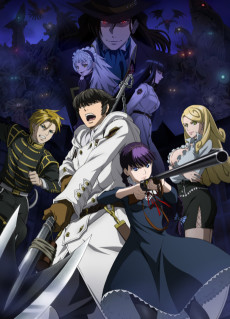







![Fate/stay night [Heaven’s Feel] III. spring song](https://s4.anilist.co/file/anilistcdn/media/anime/cover/large/bx21719-MSdTlkno0Z0u.jpg)







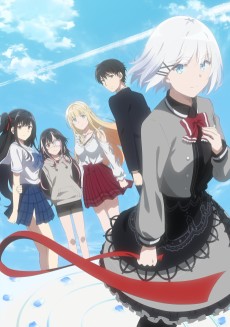

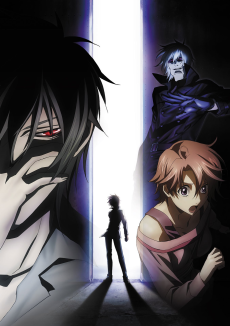
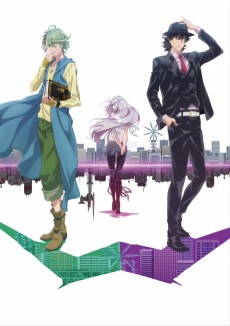

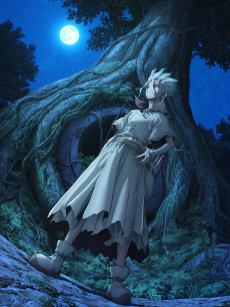
















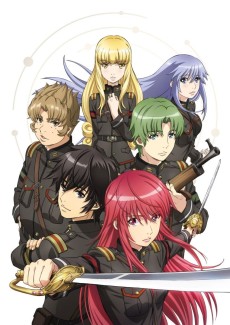
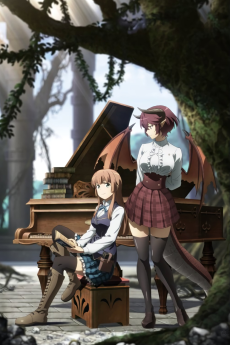



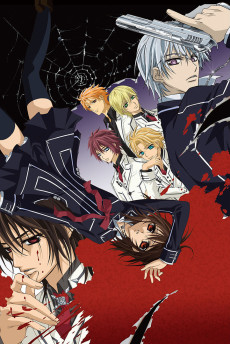
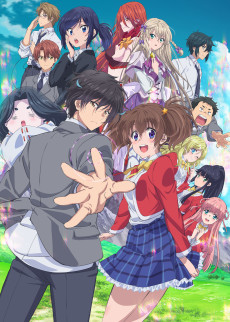

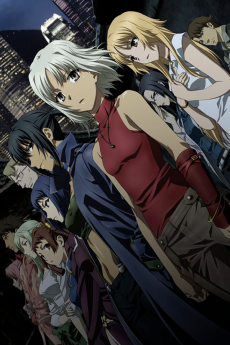
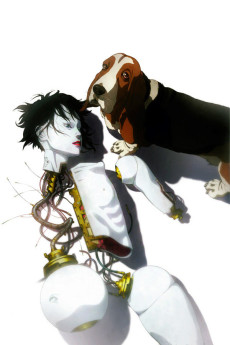



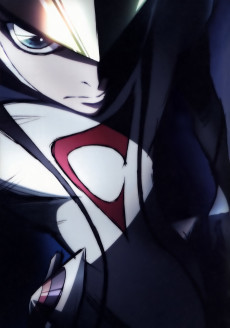

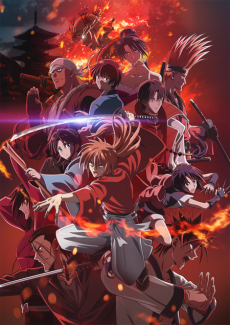






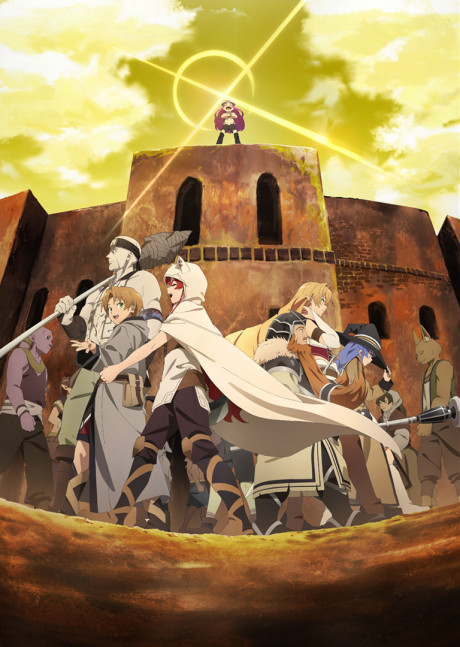
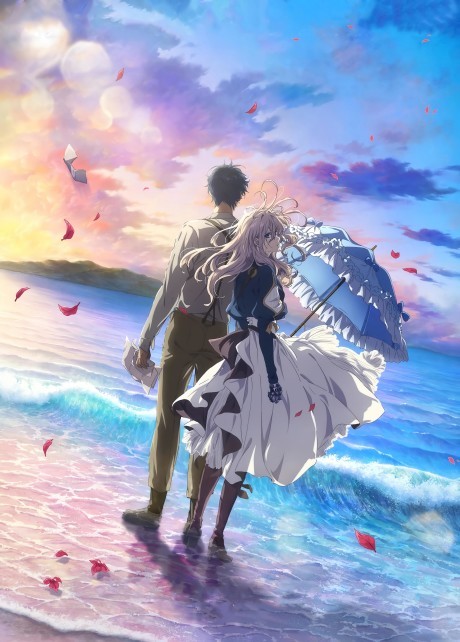


Match Dimensions Explained
❓Frequently Asked Questions
Why is Monster recommended for Assassin's Creed fans despite having no parkour or assassinations?
Because both hinge on a lone, highly skilled operative navigating layered political conspiracies—think Johan Liebert’s chilling manipulation of East German institutions mirroring Altaïr’s infiltration of Templar-controlled Acre and Damascus. The slow-burn tension in Monster’s ‘511 Kinderheim’ arc, with its shadowy bureaucracy and moral ambiguity, hits the same nerve as Assassin’s Creed’s ‘trust no one’ ethos and morally gray missions.
Is there an anime adaptation of Assassin's Creed: Director's Cut Edition?
No—there’s never been an official anime adaptation of Assassin’s Creed: Director's Cut Edition (or any version of the game). Ubisoft has only released live-action films, comics, and novels; the closest thing to an anime-style take is how Vampire Hunter D: Bloodlust mirrors the game’s core DNA: a lone, hooded warrior moving through ancient, politically fractured lands (like D’s journey across the post-apocalyptic Mediterranean), using precision strikes and stealth against elite, ideologically driven enemies.
How does Lord of Mysteries compare to Mobile Police Patlabor 2: The Movie for Assassin’s Creed vibes?
Lord of Mysteries leans into Dark Fantasy + Political Thriller—like when Klein Moretti infiltrates the ‘Society of the Serpent’ while juggling secret identities and forbidden knowledge, echoing Altaïr’s dual role as assassin and scholar. Patlabor 2 swaps mysticism for Tactical Warfare + Neon Noir: its tense, methodical Tokyo siege (with Minister Yaku’s quiet coup) feels like Assassin’s Creed’s ‘Acre Siege’ mission—but grounded in real-world military procedure and bureaucratic sabotage instead of hidden blades and Eagle Vision.
What’s the best anime like Assassin’s Creed for that brooding, rain-soaked, morally heavy vibe?
Vampire Hunter D: Bloodlust nails it—especially the fog-choked, gothic ruins of Castle Castellane, where D moves like a silent ghost through crumbling stone and candlelit corridors, hunting aristocratic predators who’ve seized power. That melancholic exploration, paired with political decay (the Nobles’ grip on human society) and a lone, hyper-competent outsider forced to choose between duty and conscience? It’s basically Altaïr’s Jerusalem, just with fangs and a sentient sword.