
Interviews with Monster Girls
Succubus, Dullahan and Vampire. They are known as Ajin, or "demi"s and are slightly different than the average human. They have lived alongside humans for ages under persecution. However, in recent years, they have become accepted as members of society. This story follows a high school biology teacher who has a great interest in demis and his interaction with the various demis in his school, each with their own cute problems.
📺Anime Details
📝Editorial Analysis
The steam rises from a mug of chamomile tea, held in trembling fingers—fingers that end not in nails, but in faintly glowing, translucent hooves. A Dullahan girl sits cross-legged on the classroom floor after school, her head resting gently on the edge of the teacher’s desk, eyes closed, breathing slow and shallow as he explains why her body temperature drops 3°C when she feels socially overwhelmed. No grand battle. No revelation. Just warmth, quiet concern, and the soft clink of ceramic against wood.

That’s the heartbeat of Interviews with Monster Girls: not spectacle, but tenderness—a kind of gentle, persistent care that treats difference not as danger or fetish, but as something delicate, real, and worthy of patient attention. It doesn’t ask you to marvel at the monster—it asks you to notice how her scarf slips off her shoulder when she dozes off during lunch, how her voice catches when she misreads a classmate’s smile as mockery, how her biology textbook is annotated not with diagrams, but with tiny, careful sketches of dandelions blooming through sidewalk cracks. This isn’t urban fantasy as escapism. It’s urban fantasy as witnessing—a slow, sunlit, deeply human act of listening. You don’t feel exhilarated. You feel settled. Soothed. Seen.
Which makes the game matches startling—not because they’re similar in plot or tone, but because they share the same quiet, resonant frequency of melancholic exploration. Look at Prince of Persia (score: 84), tagged with Healing & Slow Life, Melancholic Exploration, Adult & Dark Seinen. Its description calls it “an all-new epic journey”—but the player review hints at something quieter: “a new prince, new lands and a brand new story completely separate…” That separation matters. Like the Ajin in the anime, this Prince isn’t inheriting legacy—he’s navigating uncharted emotional terrain, rebuilding meaning from scratch. His movement is fluid, deliberate; his world breathes in long, suspended sighs. The healing isn’t magical restoration—it’s the slow mending of self, just as the teacher’s daily check-ins mend small fractures in trust.
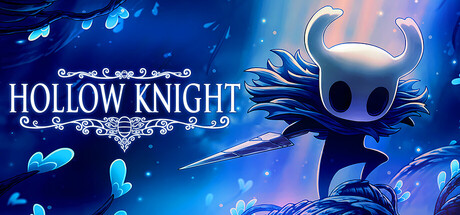
Then there’s Hollow Knight, tagged Dark Fantasy, Melancholic Exploration, Adult & Dark Seinen. Its description invites you to “forge your own path… befriend bizarre bugs, all in silence.” That last phrase—all in silence—is the key. The anime’s classroom scenes hum with unspoken understanding; Hollow Knight’s ruins echo with absence made audible. Both center on beings who’ve been erased, misunderstood, or feared—and yet, neither weaponizes trauma for shock. Instead, they offer quiet communion: the teacher handing a thermos to a shivering vampire before morning homeroom; the Knight placing a charm beside a sleeping grub, no words needed. Player reviews praise its “lovely story” and “beautiful art style”—not action, not lore dumps, but presence. That’s the DNA: reverence for the small, the fragile, the overlooked.
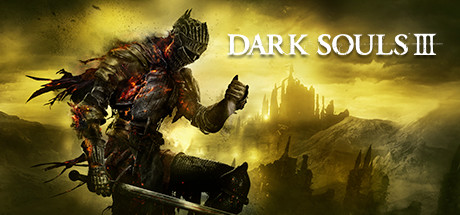
Even DARK SOULS™ III, with its brutal combat and apocalyptic decay, shares this core pulse. Its description declares “Embrace The Darkness!”—but the player review whispers something else: “Why Do We Still Reach for the Fire When It Is Dying?” That line isn’t about despair. It’s about continuance. About tending flickers. In Interviews with Monster Girls, every shared lunch, every adjusted lesson plan for light-sensitive eyes, every time the teacher pauses mid-sentence to let a succubus regulate her empathy overload—that’s reaching for the fire too. Not to conquer darkness, but to keep warmth alive within it.
This pairing isn’t for fans of high stakes or power fantasies. It’s for the person who replays the scene where the vampire girl finally eats a strawberry—not because it’s sweet, but because she’s learning, slowly, that her body can hold joy without consequence. It’s for the player who lingers in Hollow Knight’s City of Tears just to watch rain fall through broken stained glass. For the one who walks past every enemy in Prince of Persia just to feel the wind shift over ancient stones. For those who find solace in slowness, courage in softness, and profound recognition in the quiet labor of being kind—to others, and to oneself.
🎮20 Games That Match the Vibe


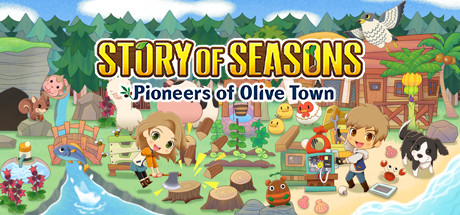
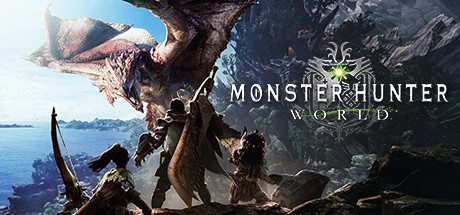
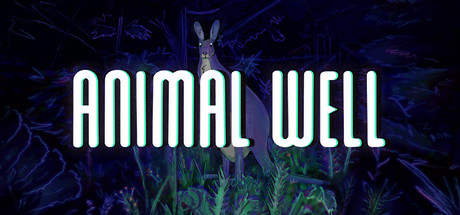
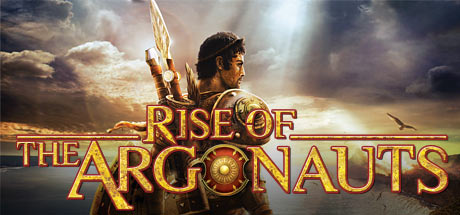





Match Dimensions Explained
❓Frequently Asked Questions
Why does Prince of Persia keep showing up in 'Games Like Interviews with Monster Girls' lists when it's not about monsters or romance?
Great question—it’s all about shared *mood* and *narrative texture*, not surface themes. Prince of Persia (2024) leans hard into Melancholic Exploration and Adult & Dark Seinen—think quiet, rain-slicked ruins, morally ambiguous choices, and that slow-burn emotional weight you feel watching Tetsuo’s conversations with the succubus or lamia unfold. It’s not about monster girls, but it *is* about healing, isolation, and layered human (and non-human) vulnerability—just like the anime’s quieter, more introspective scenes.
Is there an official game adaptation of Interviews with Monster Girls?
No—there’s never been an official game adaptation, licensed or otherwise. The closest you’ll get are games that match its core dimensions: Adult & Dark Seinen tone, Melancholic Exploration pacing, and Healing & Slow Life vibes. Sacred Gold and Assassin’s Creed: Director’s Cut Edition both hit those notes hard—even though they’re medieval/fantasy or historical stealth games—thanks to their somber worldbuilding, morally grey quests, and emphasis on solitude over spectacle.
How does Hollow Knight compare to DARK SOULS III for someone who loves the melancholy, slow-burn feel of Interviews with Monster Girls?
Both nail Melancholic Exploration and Adult & Dark Seinen—but Hollow Knight leans into poetic sorrow and insectoid intimacy (like befriending the fragile, moth-like Zote or uncovering the Pale King’s tragic legacy), while DARK SOULS III leans into existential dread and cyclical decay (think Lothric’s crumbling spires and the fading embers). If you loved how Interviews lingers on quiet moments—like Kurisu’s tea rituals or the dryad’s forest solitude—you’ll likely find Hollow Knight’s atmosphere more resonant than Souls’ relentless tension.
What’s the best game like Interviews with Monster Girls if I just want something soothing but still emotionally weighty?
Go straight to Prince of Persia (2024)—it’s the only match with Healing & Slow Life as a core dimension. Its sand-based time mechanics aren’t just flashy; they’re meditative, like rewinding a tense conversation to choose gentler words. You’ll feel that same tender gravity as when Tanaka sits with the vampire girl at dusk, listening instead of solving—plus lush, painterly ruins and a score that breathes like a sigh. Sacred Gold and Assassin’s Creed? Too janky or dated for that calm focus.