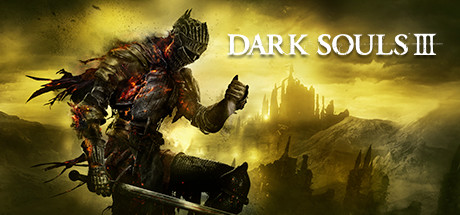
DARK SOULS™ III
Dark Souls continues to push the boundaries with the latest, ambitious chapter in the critically-acclaimed and genre-defining series. Prepare yourself and Embrace The Darkness!
🎮Game Details
💬What Players Say
"Why Do We Still Reach for the Fire When It Is Dying? I did not truly understand Dark Souls when I defeated a difficult boss. That understanding arrived slowly, like cold rain sinking into old stone...."
"1st Dark Souls 3 run: denial, anger, bargaining, depression, and acceptance. 3th Dark Souls 3 run NG++: Dancing with the undead and demons. The game will force you to love it."
"Insanely epic game."
📝Editorial Analysis
The cold rain sinks into old stone. Not the rain of a storm, but the slow, quiet seep of understanding—after the bonfire dims, after Gael’s final breath rasps across the ash-choked air of the Ringed City, after you’ve watched Friede’s scythe carve silence from your third life in NG++. That’s when it arrives: not triumph, but a hollow resonance, like striking a cracked bell. “Why Do We Still Reach for the Fire When It Is Dying?” — not as a question of mechanics, but as a tremor in the throat, the kind that rises when you stand before Lothric’s crumbling spires and realize the fire isn’t just fading—it’s choosing to fade, and you’re holding its last ember like a vow you never swore.
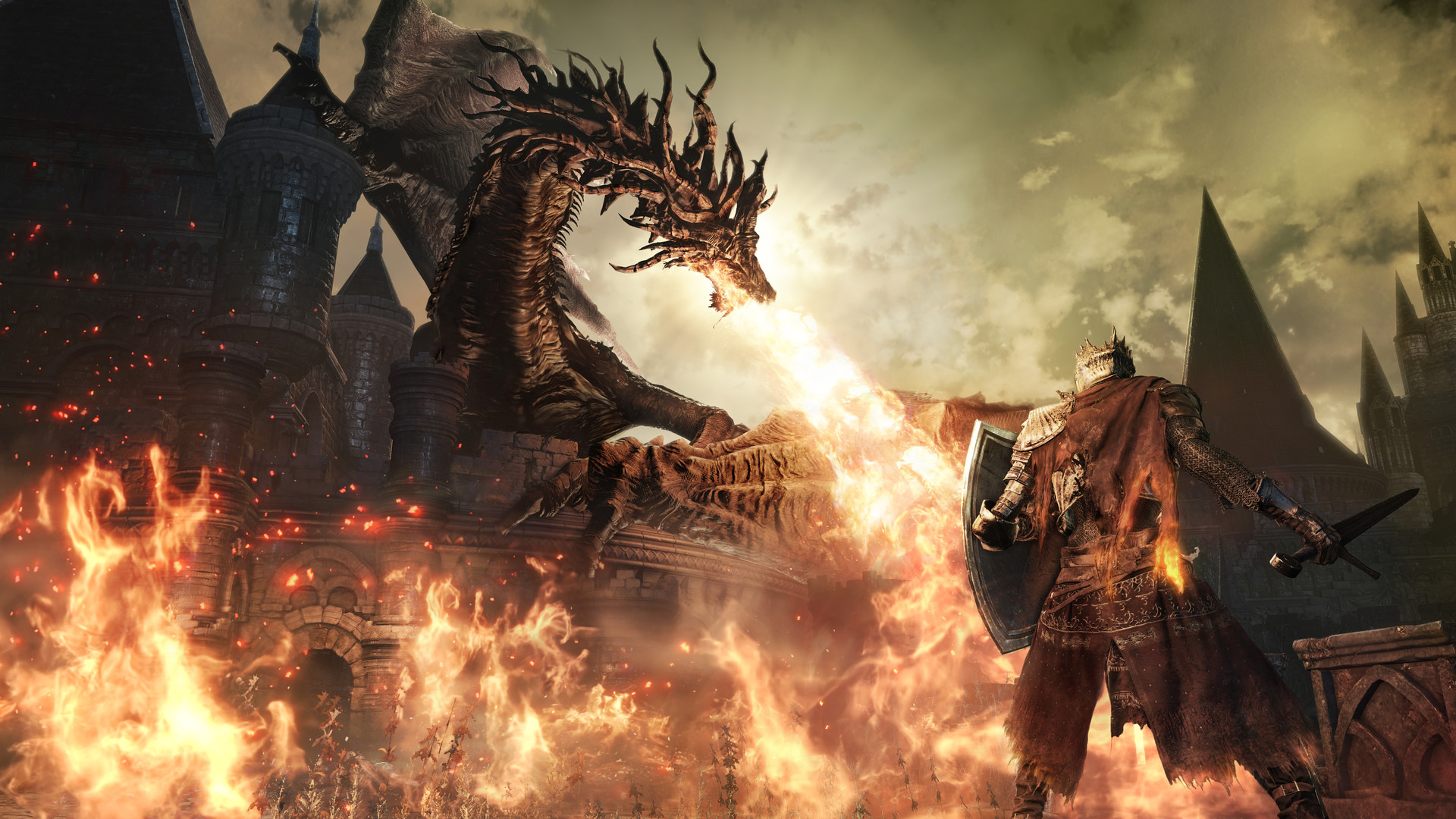
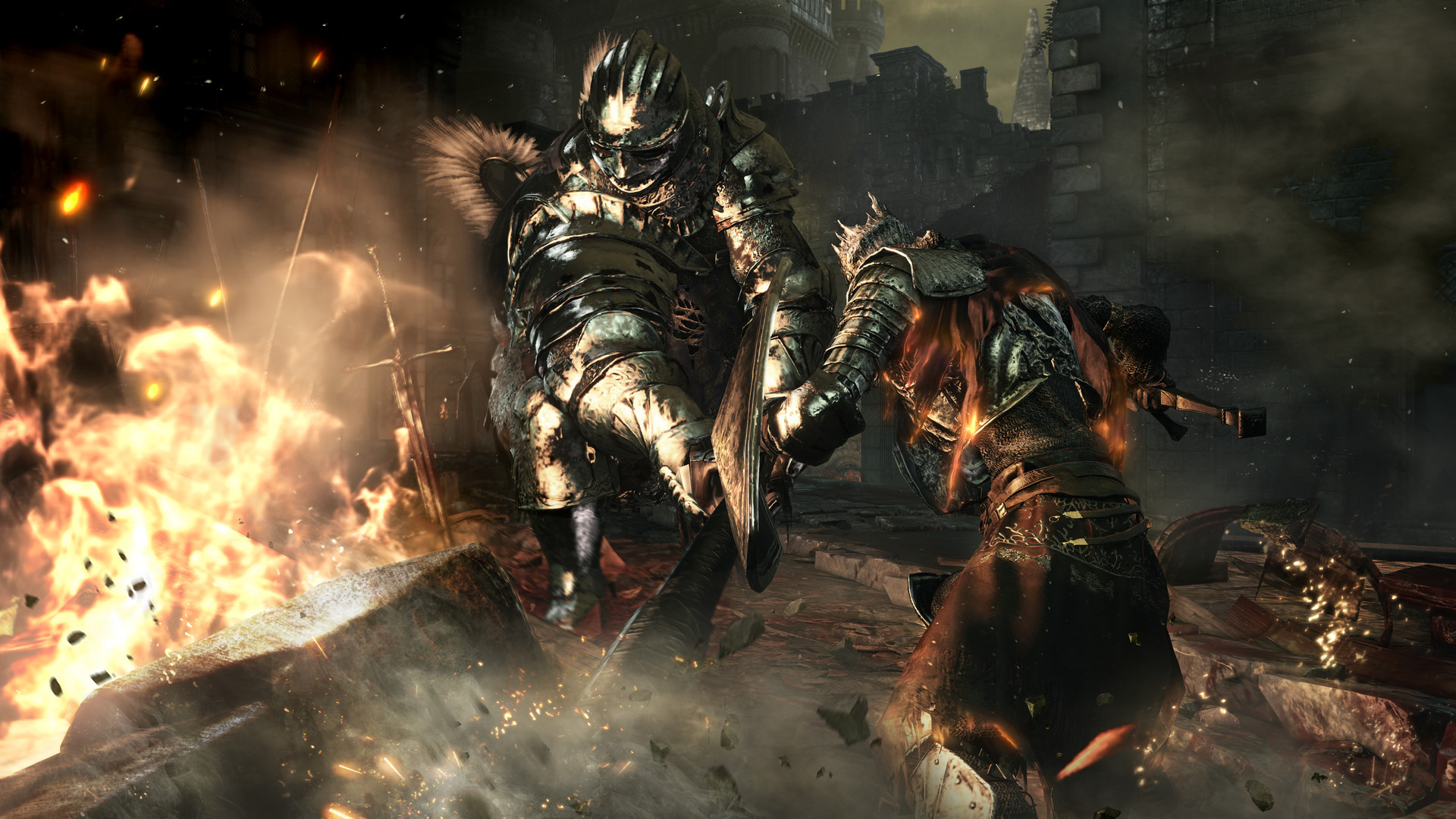

This isn’t despair dressed up as difficulty. It’s something quieter, heavier: melancholic exploration. Dark Souls III doesn’t scream at you with gore or grand speeches. It whispers through hollowed-out cathedrals where stained glass bleeds rust instead of light, through the way your character’s breathing grows ragged not just from stamina loss—but from carrying centuries in their posture, their stagger, the way they kneel beside a corpse and don’t loot it right away. The game makes you linger, not because it’s generous, but because it trusts you to feel the weight of endings. You aren’t saving the world—you’re bearing witness to its slow unspooling. And in that bearing, something strange happens: you begin to love the decay. Not the suffering, but the honesty of it—the way grief, exhaustion, and devotion fold into one another like smoke around a dying flame. That’s why the third run isn’t harder—it’s darker, richer, more intimate. You’re no longer fighting bosses. You’re dancing—with the undead, with demons, with time itself.
Frieren: Beyond Journey’s End shares that same hush. Not in its pacing—Frieren moves with deliberate, almost ceremonial slowness—but in how it treats memory as both wound and compass. Like Dark Souls III, it refuses catharsis on demand. Frieren watches stars die; the Ashen One watches fires gutter. Both understand that meaning isn’t forged in victory, but in the quiet acts between: lighting a torch, mending a broken blade, remembering a name whispered once, long ago. Their shared dimension—Melancholic Exploration—isn’t about sadness as an endpoint. It’s about sorrow as terrain you learn to navigate, map, even tend.
Spice and Wolf, at first glance, feels like daylight breaking through the gloom—merchant roads, coin clinking, warm hearths. But look closer: the world is fraying at the edges. Crops fail. Faith wanes. Trade routes collapse not from war, but from entropy—the slow, grinding erosion of trust, harvests, and divine favor. Lawrence and Holo don’t chase salvation; they negotiate survival, barter for grace, and sometimes lose. Their journey mirrors the Ashen One’s not in spectacle, but in scale: both measure greatness in small, stubborn continuities—a signed contract, a lit candle, a single flame kept alive against the encroaching grey. Dark Fantasy here isn’t about monsters under the bed—it’s about the monsters in the ledger, in the silence after the last hymn fades.
Demon Slayer: Kimetsu no Yaiba hits with visceral force—blood, speed, sorrow carved into every frame—but its deepest alignment with Dark Souls III lies in how both treat legacy as a physical weight. Tanjiro carries his sister’s scarf like armor. The Ashen One wears the Hollow’s crown like a shroud. Neither seeks glory. They seek continuity: a way to honor what’s gone without becoming its monument. The Hashira’s deaths aren’t setbacks—they’re thresholds. So are the Lords of Cinder. Each fall deepens the gravity of the path ahead, not by raising stakes, but by lowering the ceiling of hope—until what remains isn’t ambition, but devotion. That’s the shared pulse beneath the ash and blood: melancholic exploration as ritual, as reverence.
This pairing isn’t for the thrill-seeker or the lore-hunter alone. It’s for the person who replays a boss fight not to master it, but to relearn its rhythm—to feel the exact moment Friede’s scythe catches the light, or when Frieren pauses mid-spell, her hand hovering over a grave she hasn’t visited in two hundred years. It’s for those who find solace not in answers, but in the texture of questions worn smooth by repetition. Who understand that some fires aren’t meant to be reignited—but witnessed, tended, carried—not as weapons, but as lanterns. Light, yes. But dim. And all the more precious for it.
→144 Anime That Match the Vibe

A lone traveler pauses at a crumbling bridge in Lothric—stone worn smooth by centuries, mist clinging to skeletal trees—mirroring Kraft Lawrence’s quiet awe before an ancient shrine where Holo rests beneath cherry blossoms. Unlike most fantasy pairings, their melancholic exploration isn’t about conquest or salvation, but the fragile weight of memory carried across decaying roads and forgotten trade routes. That shared dimension—🌿 Melancholic Exploration—makes their resonance startling: both find transcendence not in triumph, but in the hush between footsteps, in knowing the world is ending, and choosing to walk it anyway.

Frieren’s quiet walk through the snow-dusted ruins of a fallen human city—where she pauses to trace a faded mural of her old party—echoes the hollowed cathedrals of Lothric, where every crumbling arch whispers of lost kingdoms and unspoken grief. This shared *Melancholic Exploration* isn’t nostalgia; it’s time made tactile—Frieren’s centuries-long hindsight mirroring the player’s slow, embodied reckoning with cycles of decay and devotion in Dark Souls III’s ash-choked world. Surprisingly, both locate profound warmth not in triumph, but in the fragile, deliberate act of tending to memory itself.

A desolate bonfire glow flickers across cracked cobblestones in Lothric—then cuts to the Yoruno Gloss team’s cramped, candlelit review chamber, where melancholic exploration bleeds into absurd intimacy. Unlike most dark fantasy, both anchor their bleakness in weary, deeply adult characters who confront existential dread not with heroism, but with dry wit and reluctant empathy—succubus reviews and hollowed knights alike perform rituals of meaning in collapsing worlds. This resonance isn’t ironic; it’s sincere, threading 🌿 Melancholic Exploration through decayed grandeur and tender, awkward humanity.

Raphtalia’s quiet vigil atop Q’ten Lo’s crumbling spires mirrors the hollowed knight’s solitary march through Irithyll’s snow-choked ruins—both scenes steeped in 🌿 Melancholic Exploration. Where Dark Souls III weaponizes despair through environmental storytelling, Season 4 of *Shield Hero* channels that same weight into Raphtalia’s bodily vulnerability and political erasure, reframing resilience as endurance without fanfare. This resonance feels startlingly intimate: two narratives refusing catharsis, letting silence and snow speak louder than swords.

Dark worlds where beauty and brutality coexist — every victory comes at a cost.
Dark worlds where beauty and brutality coexist — every victory comes at a cost.

Dark worlds where beauty and brutality coexist — every victory comes at a cost.

Dark worlds where beauty and brutality coexist — every victory comes at a cost.
Dark worlds where beauty and brutality coexist — every victory comes at a cost.

Nezuko’s silent, bloodstained resilience—crouched in bamboo groves or shielding Tanjiro—echoes the hollowed knights of Lothric, their armor scarred by repeated falls yet still gripping swords. This shared **melancholic exploration** lingers not in despair alone, but in quiet, bodily endurance: Tanjiro’s breath control mirrors the player’s deliberate stamina management before a boss’s third phase. Unlike most action spectacles, both root transcendence in exhaustion—where every parry, every hashira technique, every bonfire rest feels earned, fragile, and sacred.

















































![Fate/stay night [Heaven’s Feel] III. spring song](https://s4.anilist.co/file/anilistcdn/media/anime/cover/large/bx21719-MSdTlkno0Z0u.jpg)





























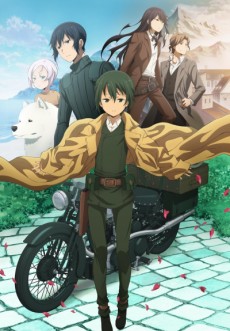








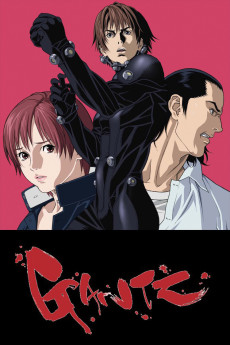

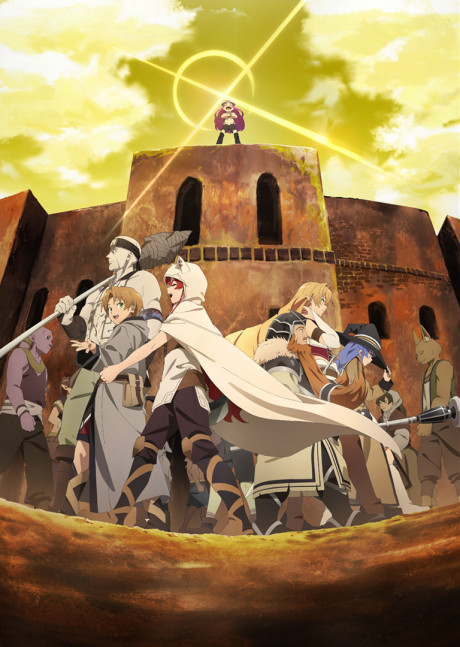


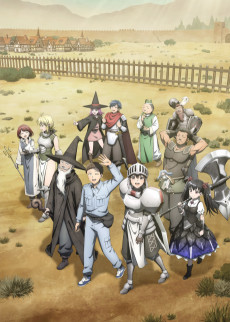
Match Dimensions Explained
❓Frequently Asked Questions
Why is Frieren: Beyond Journey’s End considered the top anime like Dark Souls III?
Because it mirrors DS3’s core emotional rhythm—like watching Frieren silently walk through snow-covered ruins of a fallen elven city, her quiet grief echoing the Ashes of Ariandel’s frozen wasteland. The show’s pacing, its reverence for decayed grandeur, and how it treats time like a weight (not a resource) hit the same melancholic exploration vibe as Gael’s tragic boss fight or Friede’s haunting cathedral—where every step feels earned and heavy.
Is there a Dark Souls III anime adaptation?
No official anime adaptation exists—but *Vampire Hunter D: Bloodlust* comes closest in spirit: think D’s lone, weathered journey across gothic wastelands, his swordplay echoing the deliberate, stamina-based combat of DS3, and that eerie, candlelit cathedral scene where he faces the ancient, regal vampire queen—pure Ashes of Ariandel energy, right down to the oppressive silence before the strike.
How does Demon Slayer compare to Spice and Wolf for Dark Souls III vibes?
Demon Slayer nails the visceral, high-stakes dread—like Tanjiro facing Upper Moon Two Doma in the Infinity Castle’s collapsing halls, where every dodge and breath matters like dodging Lothric’s twin princes. Spice and Wolf trades that intensity for slower, more philosophical weight: Holo and Kraft navigating crumbling trade routes and forgotten shrines, evoking DS3’s lore-dense worldbuilding and the quiet sorrow of the Firelink Shrine bonfire scenes.
What’s the best anime like Dark Souls III if I want that ‘dancing with the undead’ feeling from NG+++?
Go straight to *Interspecies Reviewers*—yes, really. Its dark-seinen tone, layered worldbuilding, and surprisingly poignant moments (like the veteran reviewer quietly lighting incense for a fallen companion in a ruined brothel-turned-sanctuary) capture that bittersweet, weary-but-resilient NG++ mood. It’s not about flashy fights—it’s about enduring, adapting, and finding meaning in decay, just like your third playthrough where even the Hollows feel like old friends.