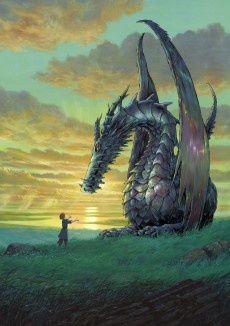
Tales from Earthsea
📺Anime Details
📝Editorial Analysis
The wind doesn’t whistle in Tales from Earthsea—it settles, thick and quiet, like dust falling through sunlit air in an abandoned granary. You feel it most when Ged stands barefoot on cracked earth near a ruined watchtower, his fingers brushing dry stalks of barley, the scent of turned soil and distant salt hanging just beneath the silence. No music swells. No dragon roars. Just that slow, heavy breath of land holding its grief.
That’s the feeling: melancholic exploration. Not sorrow as drama, but sorrow as weather—persistent, unremarkable, woven into the texture of travel, agriculture, slavery, even swordplay. This isn’t a world built for spectacle; it’s built for witnessing. Magic here isn’t flashy incantation—it’s balance, fracture, consequence. The dissociative identities aren’t plot twists—they’re wounds worn like old scars, visible only when light hits them just so. The orphan doesn’t seek glory—he seeks recognition, not as hero, but as whole. And dragons? They don’t hoard gold. They remember names—and names carry weight, memory, loss.
That emotional DNA—melancholic exploration—is why Sacred Gold, Monster Hunter: World, and Two Worlds Epic Edition resonate so deeply, despite surface differences. Look at the shared dimension: dark fantasy, yes—but more crucially, melancholic exploration. Not “explore to conquer,” but “explore because the world is already broken, and walking through it is its own kind of reckoning.”
Sacred Gold’s description opens with “a shadow of evil has fallen on the kingdom of Ancaria”—not a sudden invasion, but a settling, like that wind in Earthsea. Its player review calls it “full of jank, bugs and is not very stable”—and yet, that instability mirrors the anime’s refusal to smooth over rupture. When Ged stumbles through villages scarred by slavery or magic gone sour, there’s no clean UI, no quest marker blinking insistently. Like Sacred Gold’s jank, the world resists easy navigation—not as flaw, but as fidelity to exhaustion, to terrain that refuses to yield.
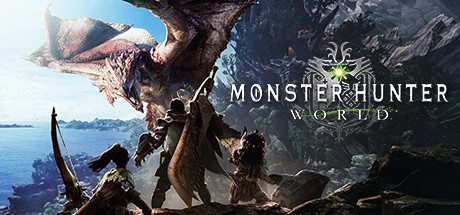
Monster Hunter: World shares that same hushed reverence for scale and silence. Its description offers no grand prophecy—just the act of journeying into the perilous world. No “save the realm.” Just tracking, observing, kneeling beside a fallen elder dragon whose breath still steams in cold air. Player reviews don’t praise lore dumps—they praise the weight of a carved bone weapon, the way mist clings to the Coral Highlands at dawn, how long it takes to skin a beast without rushing. That slowness—the time spent with the world, not over it—is pure Earthsea. When Ged watches a dragon glide over tilled fields, not as threat but as ancient witness, it’s the same awe you feel watching a Rathalos crest a ridge in Monster Hunter—not as boss, but as sovereign geography.
And Two Worlds Epic Edition, with its “300 years after Aziraal has been banished,” lives in aftermath. Its description centers on a sister’s disappearance—not as inciting incident, but as absence made physical, like the hollow where Ged’s shadow should be. The player review notes playing it across four operating systems, across decades—XP to Windows 11—not chasing perfection, but returning, persistently, to a world that feels lived-in, worn thin at the edges. That endurance, that quiet loyalty to a flawed, fading place—that’s the heart of Earthsea’s travel. Not destination, but continuance.
Who loves this pairing? Not the player who needs clear stakes or tidy resolutions. It’s the one who replays a forest path just to hear the rustle of leaves change with season. The viewer who pauses Tales from Earthsea not to analyze symbolism, but to count how many times a character blinks before speaking—or doesn’t blink at all. The person who finds comfort not in triumph, but in the certainty that soil remembers rain, that dragons remember names, that even broken identities leave footprints in dust. They don’t seek escape. They seek resonance—that rare, aching alignment where wind, word, and wound settle together, and you finally feel known, not fixed.
🎮38 Games That Match the Vibe













Match Dimensions Explained
❓Frequently Asked Questions
Why does Sacred Gold match Tales from Earthsea so well despite being so janky?
Because both lean hard into melancholic exploration—wandering vast, rain-slicked ruins and mist-choked forests while carrying the weight of a broken world, just like Ged’s journey across Earthsea’s archipelago. Sacred Gold’s dimly lit Ancaria, with its crumbling temples and sorrowful NPC quests (like rescuing villagers haunted by spectral orcs), mirrors Earthsea’s tone far more than its clunky combat or bugs ever undermine it.
Is there a Monster Hunter game that captures Earthsea’s quiet, poetic vibe?
Monster Hunter: World surprisingly does—it’s not about loud spectacle, but about lingering in mist-draped ancient forests, observing dragon migrations at dawn, and feeling small amid colossal, weathered ruins like the Elder Dragon lairs. The hushed reverence before a Rathalos flight or the quiet ritual of preparing a meal at camp echoes Ged and Tenar’s moments of stillness and meaning.
How is Two Worlds II HD different from Assassin’s Creed Director’s Cut for Earthsea fans?
Two Worlds II HD leans into Earthsea’s mythic melancholy—Kyra’s disappearance and the slow unraveling of ancient magics mirror Ged’s guilt and redemption arc—while Assassin’s Creed DC trades poetry for urban grit: you’re scaling Acre’s sun-baked walls as Altaïr, not sailing silent seas. Both hit ‘Melancholic Exploration’, but Two Worlds II’s magic system and sibling-driven lore feel closer to Le Guin’s themes.
What’s the best game like Tales from Earthsea if I want that slow, rainy, introspective mood?
Sacred Gold—yes, really. Ignore the bugs: its overcast skies, fog-wrapped mountain passes, and lonely NPC dialogues (like the grieving hermit in the Grey Marches who speaks of ‘words lost to the wind’) nail Earthsea’s hushed, weather-softened sorrow. Even its unstable performance somehow reinforces that fragile, decaying world feeling—like turning pages in an old, water-stained book.