Alice: Madness Returns
🎮Game Details
💬What Players Say
"I will not refund this game because it "kinda" works for me (after editing config files manually) You have to edit the FPS cap manually in a config file buried deep inside the file system. I am very upset with the state of the game in the hands of EA. EA destroyed the Alice franchise...."
"my bf bought me this game in 2024, i played for an hour, couldn't make a jump, rage quit, returned to it two years after and finally completed it! all my frustrations from this game were purely skill issues <3 this game has easily become one of my favourites of all time, i love that they took the original alice in wonderland and created such a dark twist on things. the game is beautiful, i love the dresses, and weapons (pepper grinder my beloved, what would i do without you)...."
"Got the chance to finally play this and even though this game was created back in 2011, the graphics are still really good imo. I was hooked immediately and although I didn't get to play the first game, I did watch a playthrough so i understood what i was getting into. Really loved how this was a much darker story of Alice...."
📝Editorial Analysis
The first time you leap from a crumbling clocktower in Victorian London—heart hammering, screen trembling with the weight of descent—you don’t land cleanly. You overshoot. You clip through geometry. You curse, restart, and try again—not because the game broke, but because your hands haven’t yet learned the rhythm of Alice’s fractured gravity. That moment—frustration tinged with reverence, rage that dissolves into awe when the camera pulls back to reveal Wonderland’s warped skyline bleeding ink-black vines across a bruised violet sky—is the soul of Alice: Madness Returns. It’s not just platforming; it’s repetition as ritual, mastery earned only after surrendering to the game’s unyielding, beautiful cruelty—exactly as one player described: two years between attempts, rage-quit then, catharsis now, all rooted in skill, not broken code.
This isn’t horror that startles—it’s horror that settles. A slow, velvet dread that pools behind your ribs. The official description calls it “grim reality” and “beautiful yet ghastly Wonderland”—and that duality is the engine. You’re never safe in either world: London’s gaslit alleys reek of suppressed trauma, its cobblestones slick with something darker than rain; Wonderland isn’t escape—it’s amplification, where teacups scream, roses bleed black sap, and every platform hides teeth. The graphics—still “really good” in 2024, per a player’s stunned admission—aren’t just crisp; they’re textured with memory: soot clinging to brickwork, porcelain cracks spiderwebbing across Alice’s own skin, light refracting wrong through stained-glass butterflies. It makes you feel unmoored, yes—but also seen. Like the game knows your grief is too heavy for polite society, so it gives it claws, wings, and a serrated blade named the Vorpal Blade.
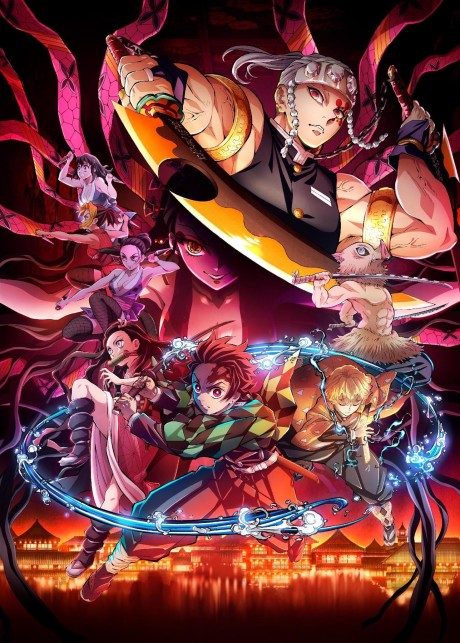
That emotional architecture—the interplay of Dark Fantasy, Action Spectacle, and layered visual unease—resonates fiercely with certain anime. BAKI, with its neon-drenched underground arenas and hyper-stylized violence, shares the same physical poetry of pain: every punch lands with bone-deep consequence, every victory feels carved from exhaustion—not unlike finally nailing that impossible wall-jump after twenty tries. The Neon Noir dimension isn’t just lighting; it’s moral ambiguity rendered in electric blues and arterial reds, where justice is muscular, messy, and deeply personal. Then there’s Demon Slayer: Kimetsu no Yaiba Entertainment District Arc, where the Body Horror & Occult isn’t grotesque for shock—it’s intimate, psychological. Tamayo’s experiments, Daki’s silk-thin control over flesh, the way demons wear human forms like ill-fitting masks—all echo Wonderland’s logic: identity is mutable, violation is aesthetic, and healing looks like wielding your own distortion as a weapon. Same goes for Chainsaw Man – The Movie: Reze Arc, where Reze’s bomb-laden body isn’t just spectacle—it’s trauma made kinetic, desire fused with detonation, love and annihilation sharing the same breath. And Kizumonogatari Part 2: Nekketsu, with its fever-dream editing and blood-as-ink visuals, mirrors Alice’s descent into subjective truth: logic collapses, time stutters, and the line between wound and wonder blurs until you can’t tell if the rose petal falling is beautiful or infected.
This pairing isn’t for the casually curious. It’s for the person who watches Baki’s final fight and cries—not from triumph, but from recognizing the sheer, stubborn love in enduring that much punishment. It’s for the one who replays Demon Slayer’s dance sequences not for choreography alone, but for how every flicker of light on a demon’s tear tells a buried story. It’s for the player who edits config files at 3 a.m., not to “fix” the game, but to meet it on its own terms—who understands that frustration isn’t a bug, it’s the first tremor before the ground opens into something sacred. They don’t seek escapism. They seek resonance: the kind that hums in your molars when beauty and brutality share the same frame, when every jump, every slash, every frame of animation whispers, I know what it costs to stay whole.
→211 Anime That Match the Vibe
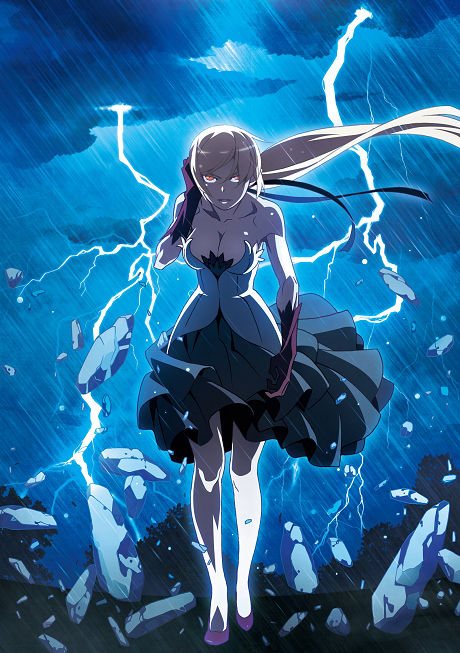
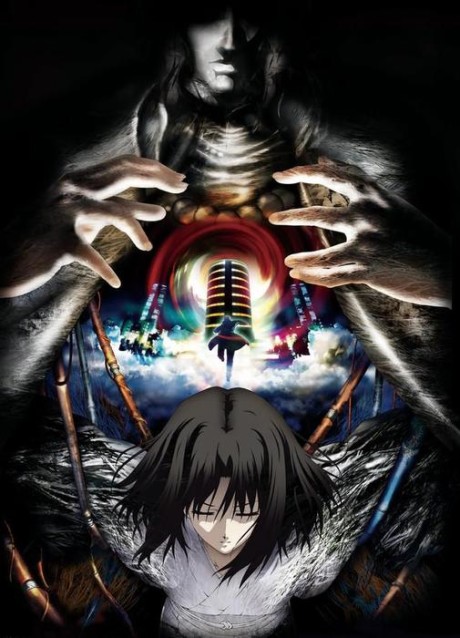
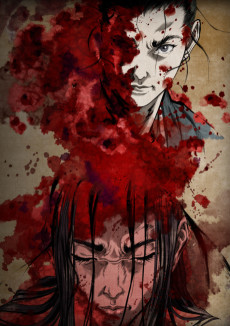
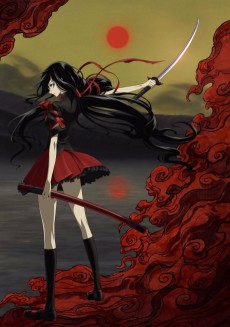
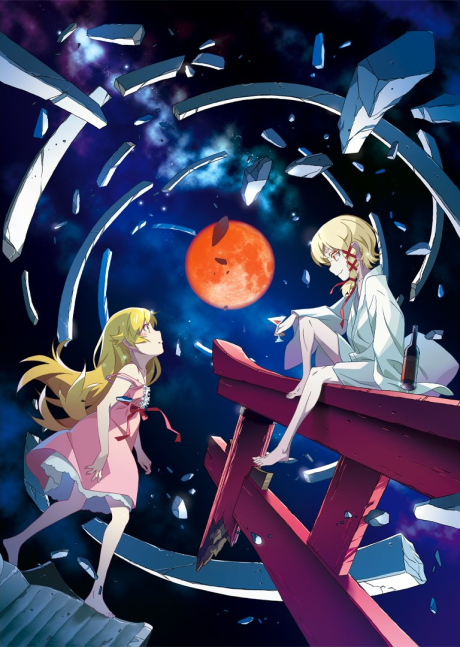
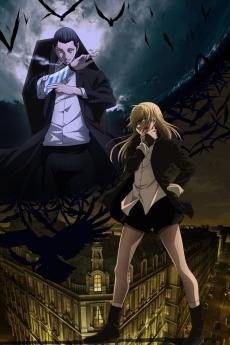
Koyomi’s grotesque blood-soaked transformation in *Nekketsu*’s climax—veins bursting, limbs elongating under crimson light—mirrors Alice’s dollhouse dismemberment sequence where porcelain limbs snap and reassemble in neon-lit madness. Unlike most psychological narratives, both weaponize **Body Horror & Occult** not for shock alone, but as visceral metaphors for trauma’s physical inscription: Koyomi’s vampirism as self-annihilation, Alice’s Wonderland as dissociative fragmentation. That they anchor such extremity in intimate, trembling vulnerability—Koyomi’s whispered apologies, Alice’s choked sobs—makes their dark fantasy resonance unnervingly precise.

Dark worlds where beauty and brutality coexist — every victory comes at a cost.

Dark worlds where beauty and brutality coexist — every victory comes at a cost.

Dark worlds where beauty and brutality coexist — every victory comes at a cost.
Dark worlds where beauty and brutality coexist — every victory comes at a cost.
Dark worlds where beauty and brutality coexist — every victory comes at a cost.
Dark worlds where beauty and brutality coexist — every victory comes at a cost.

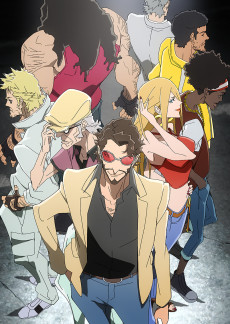
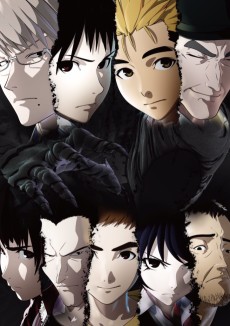
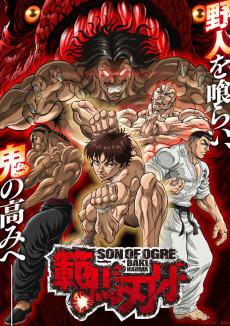
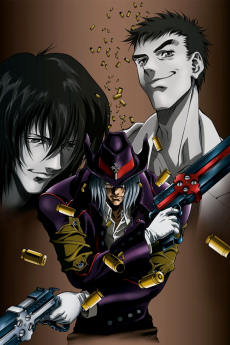
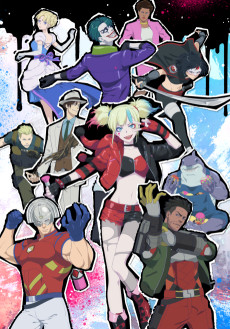
Baki’s brutal sparring with the “Pit Fighter” in the underground arena—blood slick on concrete, neon signs bleeding color onto sweat-slicked skin—mirrors Alice’s descent into the warped, razor-edged Wonderland of the Dollmaker’s asylum. Where *Madness Returns* weaponizes psychological fragmentation through **Neon Noir** lighting and distorted architecture, *BAKI*’s ONA season translates raw physical trauma into visceral, almost hallucinatory action spectacle. This isn’t just shared darkness—it’s a rare convergence where body horror and mental collapse are rendered with equal, unsettling precision.
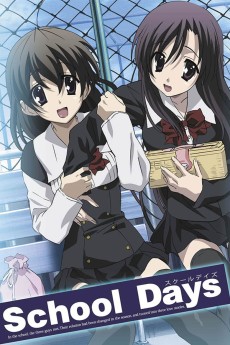
Dark worlds where beauty and brutality coexist — every victory comes at a cost.
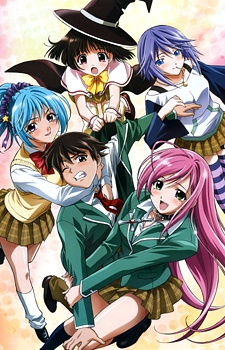
Dark worlds where beauty and brutality coexist — every victory comes at a cost.


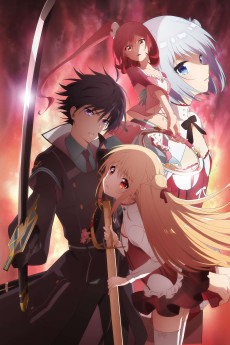




![Fate/stay night [Heaven’s Feel] III. spring song](https://s4.anilist.co/file/anilistcdn/media/anime/cover/large/bx21719-MSdTlkno0Z0u.jpg)


















![Tokyo Ghoul: [PINTO]](https://s4.anilist.co/file/anilistcdn/media/anime/cover/medium/bx21326-Vmunxqzj1umc.jpg)





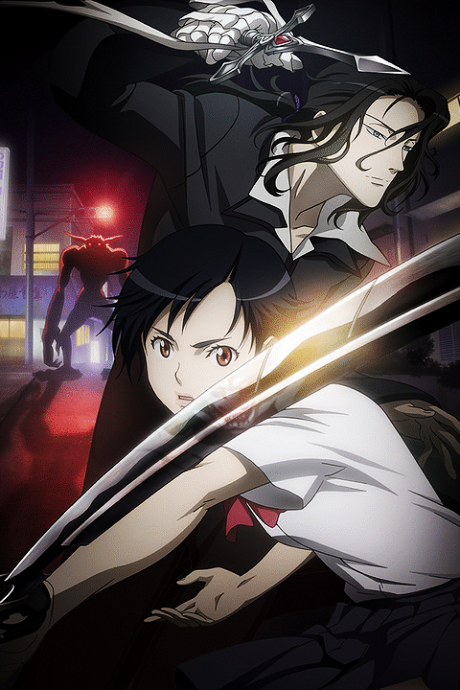
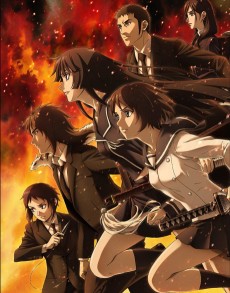









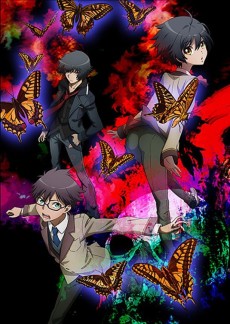


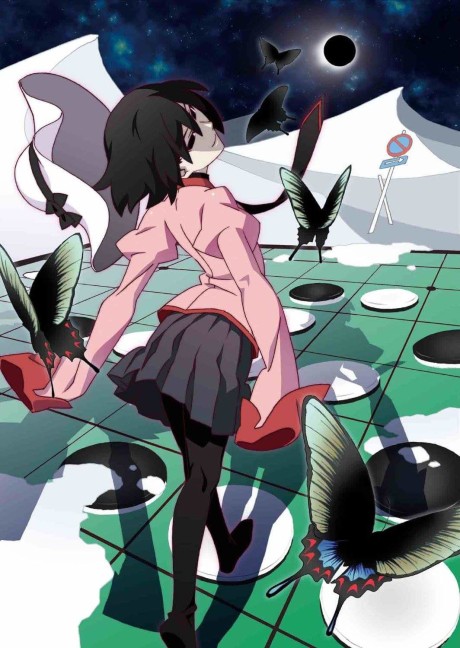


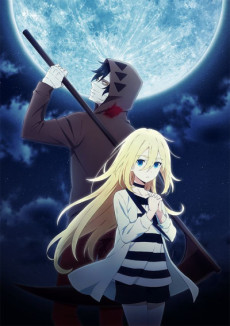
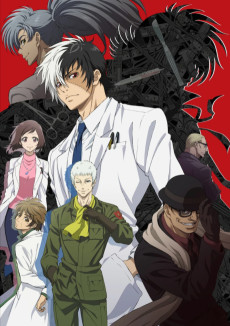


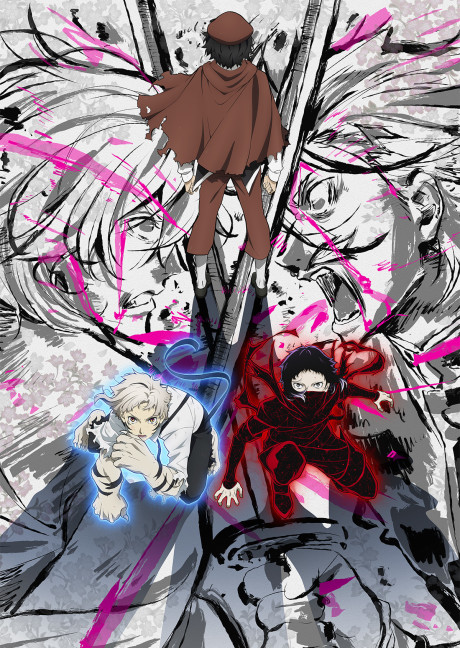
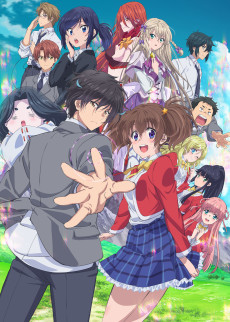

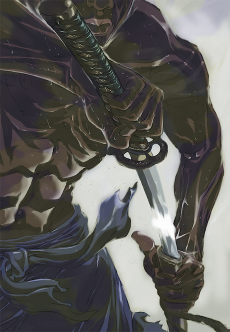
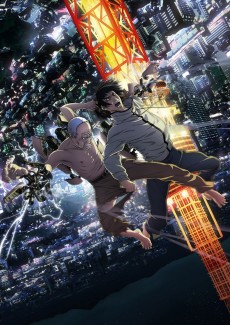

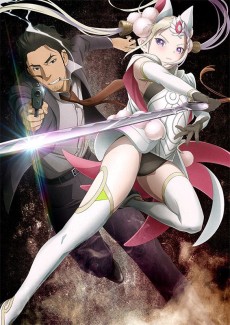
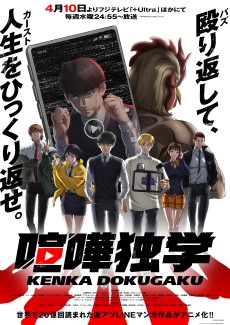










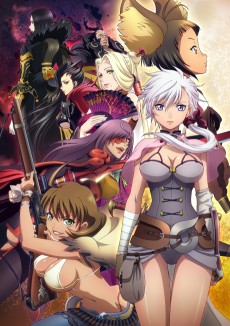

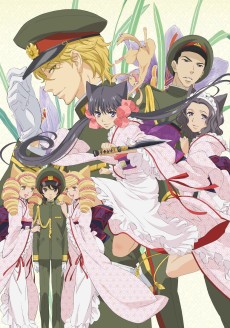
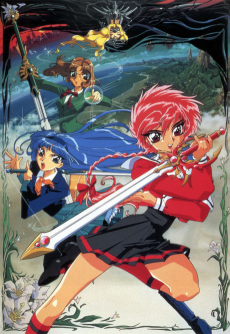

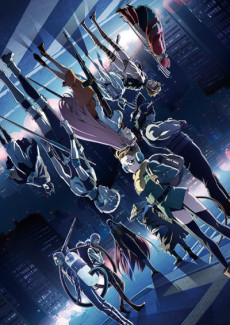

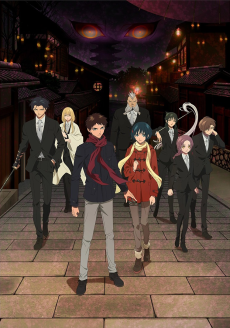
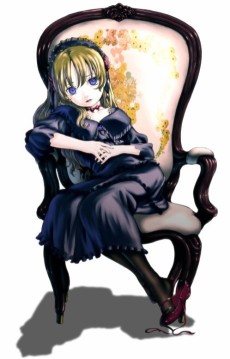
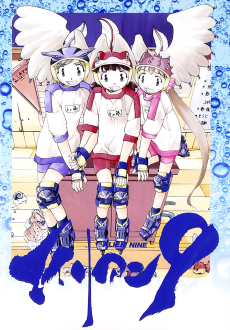

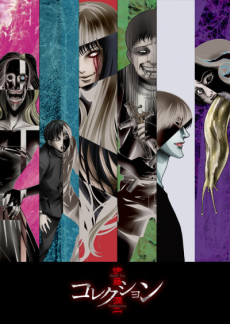




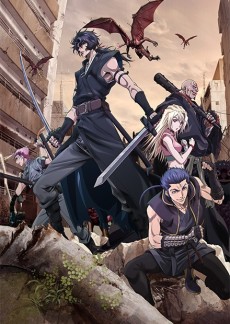
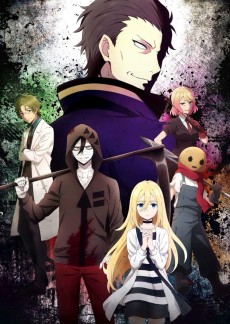


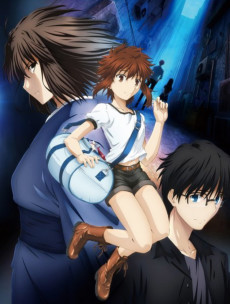

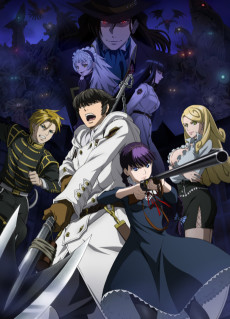






Match Dimensions Explained
❓Frequently Asked Questions
Why is BAKI recommended for fans of Alice: Madness Returns?
BAKI nails that same grim-yet-stylized contrast between brutal reality and hallucinatory fantasy — like when Hanma Baki fights in the prison yard while flashes of primal, distorted visions warp the background, mirroring how Alice’s Victorian London bleeds into Wonderland’s grotesque beauty. Both lean hard into Dark Fantasy and Action Spectacle, with visceral combat (Baki’s bone-crunching throws vs. Alice’s Vorpal Blade slashes) and psychological weight rooted in trauma.
Is there an anime adaptation of Alice: Madness Returns?
No — there’s never been an official anime adaptation of Alice: Madness Returns (or the first game). The closest you’ll get are anime *like* it in tone and texture, like Kizumonogatari Part 2: Nekketsu, where the neon-drenched, blood-slicked hospital corridors and Kaiki’s surreal, body-horror-infused monologues echo Alice’s descent through fractured realities and her warped perception of safety.
How does Demon Slayer’s Entertainment District Arc compare to Alice: Madness Returns?
Both hit that razor’s edge between haunting elegance and visceral horror — think Tanjiro’s fight with Daki in the lantern-lit brothel, where flowing kimonos and delicate music clash with exposed tendons and dismemberment, just like Alice’s tea party turning into a gut-punch reveal of her parents’ charred remains in the asylum. They share Dark Fantasy, Action Spectacle, and Body Horror & Occult — especially in how trauma physically reshapes the world around the protagonist.
What’s the best anime like Alice: Madness Returns if I want that ‘beautiful but deeply unsettling’ mood?
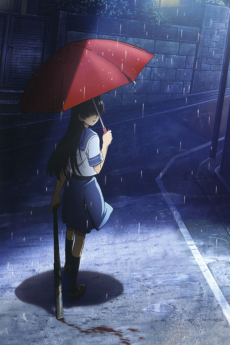
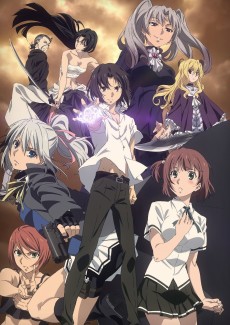
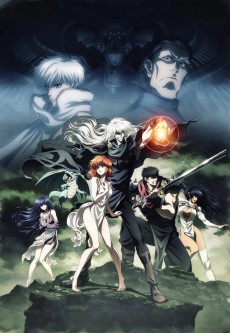
Go straight to the Garden of Sinners Chapter 5: Paradox Paradigm — its rain-slicked, neon-noir Tokyo streets feel as meticulously oppressive as Victorian London, and the way Shiki’s quiet intensity unravels a conspiracy involving decaying bodies and mirrored realities mirrors Alice’s slow, chilling realization that Wonderland isn’t escape — it’s evidence. It’s all Dark Fantasy + Neon Noir, no filler, just dread wrapped in gorgeous lighting.