
Hero Without a Class: Who Even Needs Skills?!
📺Anime Details
📝Editorial Analysis
The first time Renjiro swings his sword—not with flash or flourish, but with a thunk that jars his shoulder and sends dust puffing off dry grass—you feel it in your molars. No glowing aura, no dramatic wind gust, just the weight of steel meeting air, the quiet exhaustion of a boy who’s been training since before breakfast, alone, under a sun that bleaches the color from the thatched roofs of his rural village. That moment isn’t about power-up—it’s about presence. The kind that settles in your ribs like warm tea after a long walk: unshowy, deeply grounded, stubbornly real.
What makes Hero Without a Class: Who Even Needs Skills?! vibrate at this particular frequency isn’t its shounen scaffolding or even its CGI—though the rural textures matter, the way light pools in muddy hoof prints, how demon silhouettes flicker not as threats but as interruptions to routine. It’s the quiet certainty of competence without spectacle. This anime doesn’t ask you to believe in destiny—it asks you to believe in repetition, in calluses, in the slow accrual of instinct that makes a sword feel like an extension of breath. You don’t watch it waiting for the big reveal; you watch it because Renjiro’s morning run feels true, because his tomboy classmate’s grin has the same unguarded warmth as a shared bento box on a wooden porch. There’s no grand prophecy humming in the background—just the low, steady thrum of enoughness: enough skill, enough heart, enough time skipped not for drama, but for growth you can almost taste—like the faint metallic tang of rain before thunder.
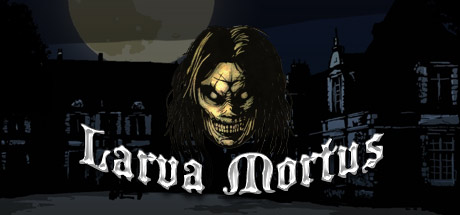
That feeling—the visceral, unglamorous weight of action—echoes sharply in Larva Mortus. Its description calls it a “fast-paced hack and slash top-down shooter” where you’re an exorcist agent hunting monsters in “a dark, ominous, and randomly generated atmos.” But look closer: the player review says “fun gameplay loop and nice weapons…”—not “epic lore” or “cinematic set pieces.” It’s the loop that matters: the swing, the recoil, the reload, the next corridor. Like Renjiro’s sword drills, it’s rhythm over revelation. The dread isn’t theatrical—it’s atmospheric, textural, built into the grain of the world, just like the way mist clings to those rural hills before a demon appears—not with fanfare, but as a shift in light, a pause in birdcall.
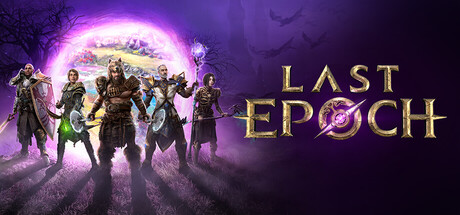
Then there’s Last Epoch, tagged with “Time & Memory” alongside Roguelike & Action Spectacle. Its inclusion isn’t about time travel mechanics—it’s about accumulation. Renjiro’s time skip isn’t montage magic; it’s silent years of muscle memory, of watching seasons turn while sharpening blades, of learning what a demon’s hesitation looks like before it strikes. Last Epoch’s design leans into that same reverence for layered experience—skills earned, paths retraced, choices folded into identity. The “Time & Memory” dimension isn’t nostalgia; it’s embodied history, exactly how Renjiro moves through combat—not as a hero who arrives, but as someone who belongs in motion, every parry weighted with what came before.
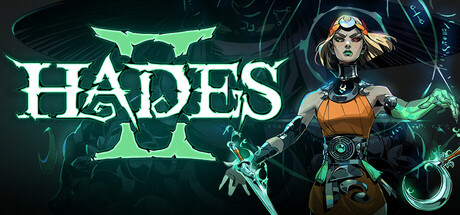
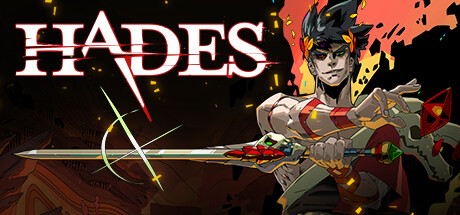
And Hades II, with its “Dark Fantasy” and relentless “Action Spectacle”, lands with uncanny resonance—not because both feature demons, but because both treat them as terrain. In Hades II, enemies aren’t just obstacles; they’re part of the ecosystem, their patterns woven into the rhythm of escape. Same in Hero Without a Class: demons don’t descend—they emerge, from forest edges, from storm clouds, from the bored sigh of a village elder. They’re environmental, inevitable, almost mundane. The spectacle isn’t in defeating them—it’s in the precision of surviving them, again and again, like Zagreus sprinting past the same cyclops, learning its breath, its blink, its stumble—just as Renjiro learns the exact arc where a lesser demon’s claw drags too slow.
This pairing sings to the player who replays the same boss not to “git gud,” but to know it—to feel the groove of its animation, the texture of its defeat. To the viewer who rewatches Renjiro’s sparring scenes not for plot, but for the way his wrist flicks just so when redirecting force. It’s for the ones who find catharsis not in victory, but in continuity—in the deep, settled joy of competence that doesn’t need applause, just space, time, and the quiet hum of something true being done, again and again, with hands that remember.
🎮37 Games That Match the Vibe







Match Dimensions Explained
❓Frequently Asked Questions
Why does Hero Without a Class feel so different from Hades II even though both are roguelike action spectacles?
Great question—it’s all in the pacing and tone. Hero Without a Class leans hard into absurd, skill-free slapstick (like spamming ‘Punch’ to launch bosses into orbit), while Hades II doubles down on tight, precision-based combat with god-tier animations—think Melinoë weaving between Cerberus’ jaws mid-dodge. Both share that 85-score Roguelike & Dungeon + Action Spectacle DNA, but Hades II’s Dark Fantasy layer adds weighty mythic stakes you won’t find in Hero’s chaotic, fourth-wall-breaking gags.
Is there an anime or manga adaptation of Hero Without a Class?
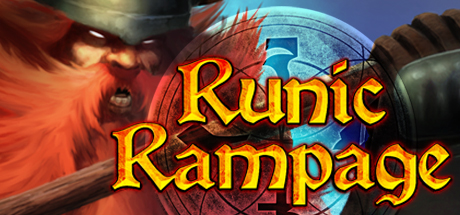
Nope—not yet! Unlike Dragon Nest (which *did* spawn official manga adaptations and animated shorts tied to its MMORPG lore), Hero Without a Class remains purely light-novel/web-novel territory. The closest thing is how Runic Rampage mirrors its vibe: no skills, just pure chaos—imagine a boss fight where you accidentally yeet yourself off a cliff and win by clipping through geometry. Zero anime, zero merch… just raw, uncut 'who even needs skills?' energy.
What’s the best game like Hero Without a Class if I want that same ‘I broke the game and it loved me’ feeling?
Larva Mortus—hands down. You play as an exorcist agent who stumbles into over-the-top weapon glitches (like the ‘Soul Siphon Shotgun’ that sometimes pulls enemies *into* your own hitbox and knocks you both into a pit—then awards XP for it). It nails that same ‘rules? what rules?’ joy, and shares Hero’s 85-score Roguelike & Dungeon + Action Spectacle combo. Plus, player reviews literally say ‘fun gameplay loop and nice weapons…’—they’re *celebrating* the jank.
How accurate is it to say Last Epoch is like Hero Without a Class?
It’s *technically* accurate—but wildly misleading. Both sit at 85 in Roguelike & Dungeon and Action Spectacle, sure—but Last Epoch is all about deep, deliberate buildcrafting (e.g., stacking Time & Memory mechanics to rewind boss phases), while Hero gleefully burns skill trees with a flamethrower. If Hero is a cartoon where you punch a dragon into next Tuesday, Last Epoch is the meticulous blueprints for rebuilding that dragon *after* you punched it. Same score, opposite design philosophies.