Arx Fatalis
This critically acclaimed first-person RPG from Arkane Studios takes the player on an amazing journey into the fantasy world of Arx. Arx is wrought with turmoil, brought to the brink of destruction by a violent war.
🎮Game Details
💬What Players Say
"Arx is a great game, but with a few major drawbacks. The premise of this post-apocalyptic fantasy world feels genuinely fresh. Exploration is truly exciting, partly thanks to amazing ambients...."
"Got completely softlocked at the deathclaw ripoff section because I didn't take everything off the dwarf corpse and now the game can't be completed because said deathclaw ripoff one shots me. Absolute ♥♥♥♥♥♥♥ game, doesn't stop bugging out or getting me stuck on random ass objects even with Arx Libertatis installed. Avoid this pile of ♥♥♥♥♥♥♥, don't waste 15 hours on it like I did."
"I only began to enjoy it a few hours in but now I really like it. Obviously, it's very old and in the beginning it is not easy to get into. Yet, the literal levels of depth and verticality are absolutely fantastic...."
📝Editorial Analysis
The first time you crouch behind a crumbling archway in Arx Fatalis, listening—the drip of subterranean water, the low groan of shifting stone, the distant, guttural rasp of something that shouldn’t breathe down here—you aren’t thinking about stats or saves. You’re holding your breath. Not because the game told you to, but because the ambients—those “amazing ambients” one player praised—make silence feel like a physical weight. This isn’t atmosphere as backdrop. It’s atmosphere as witness: the world of Arx is wrought with turmoil, not just narratively, but acoustically, spatially, vertically. You feel it in your shoulders when you scale a moss-slicked ladder into a collapsed bell tower, then drop three stories into a flooded crypt—because the “literal levels of depth and verticality” aren’t just design flourishes; they’re the architecture of dread and discovery fused.
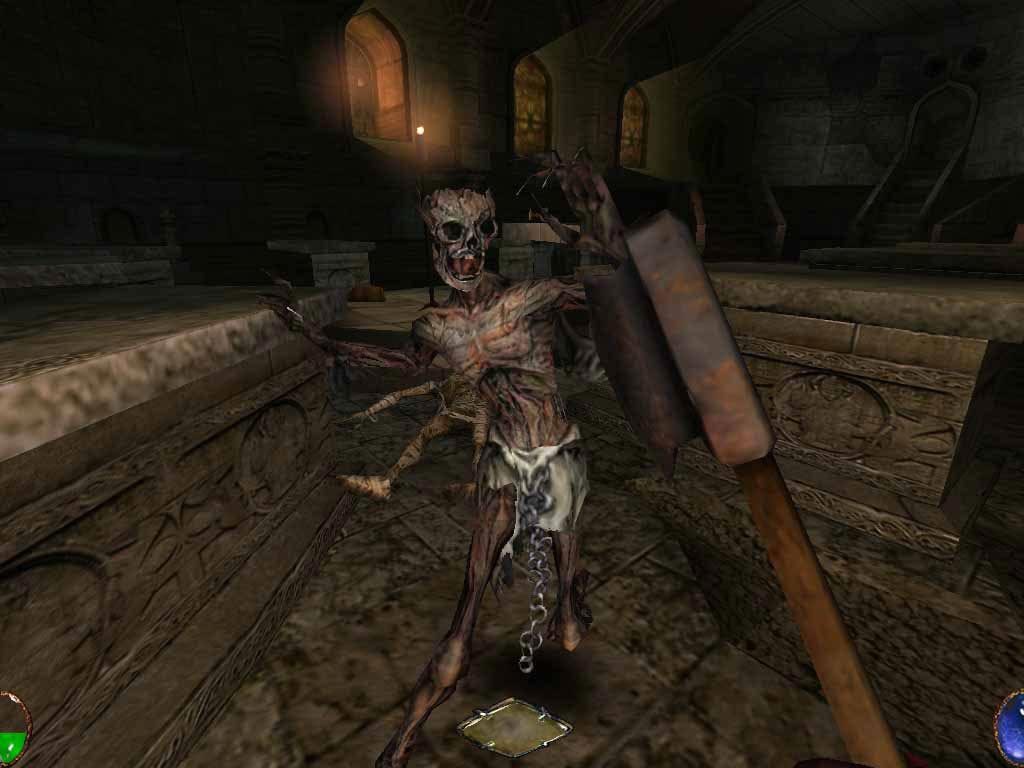
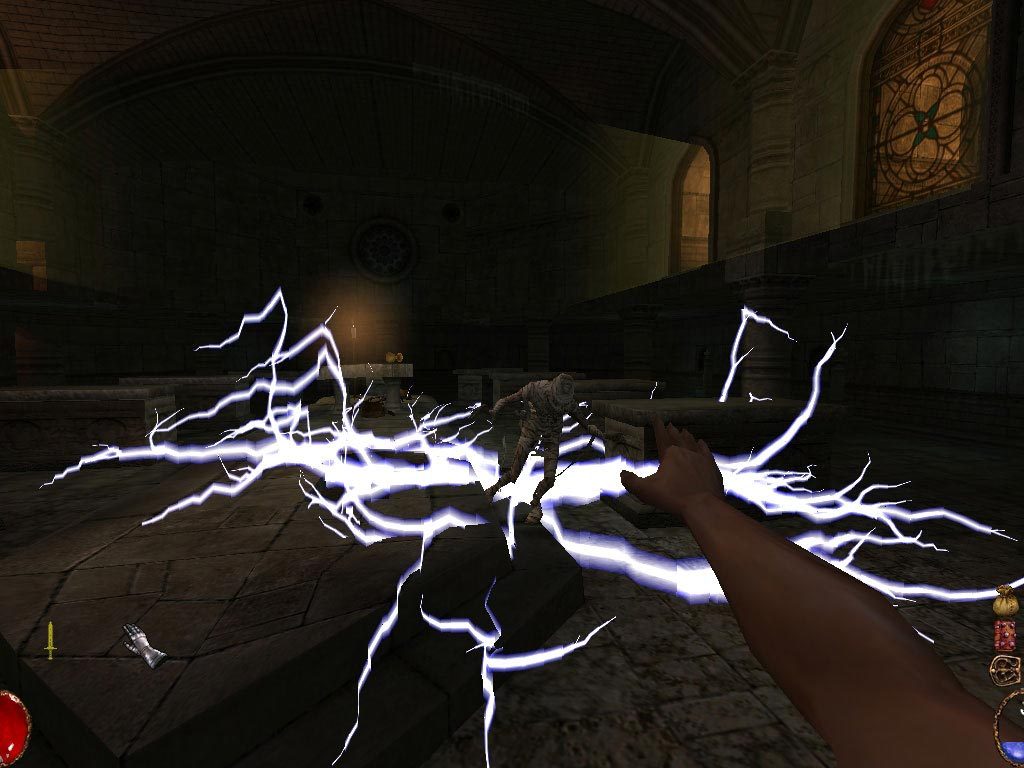
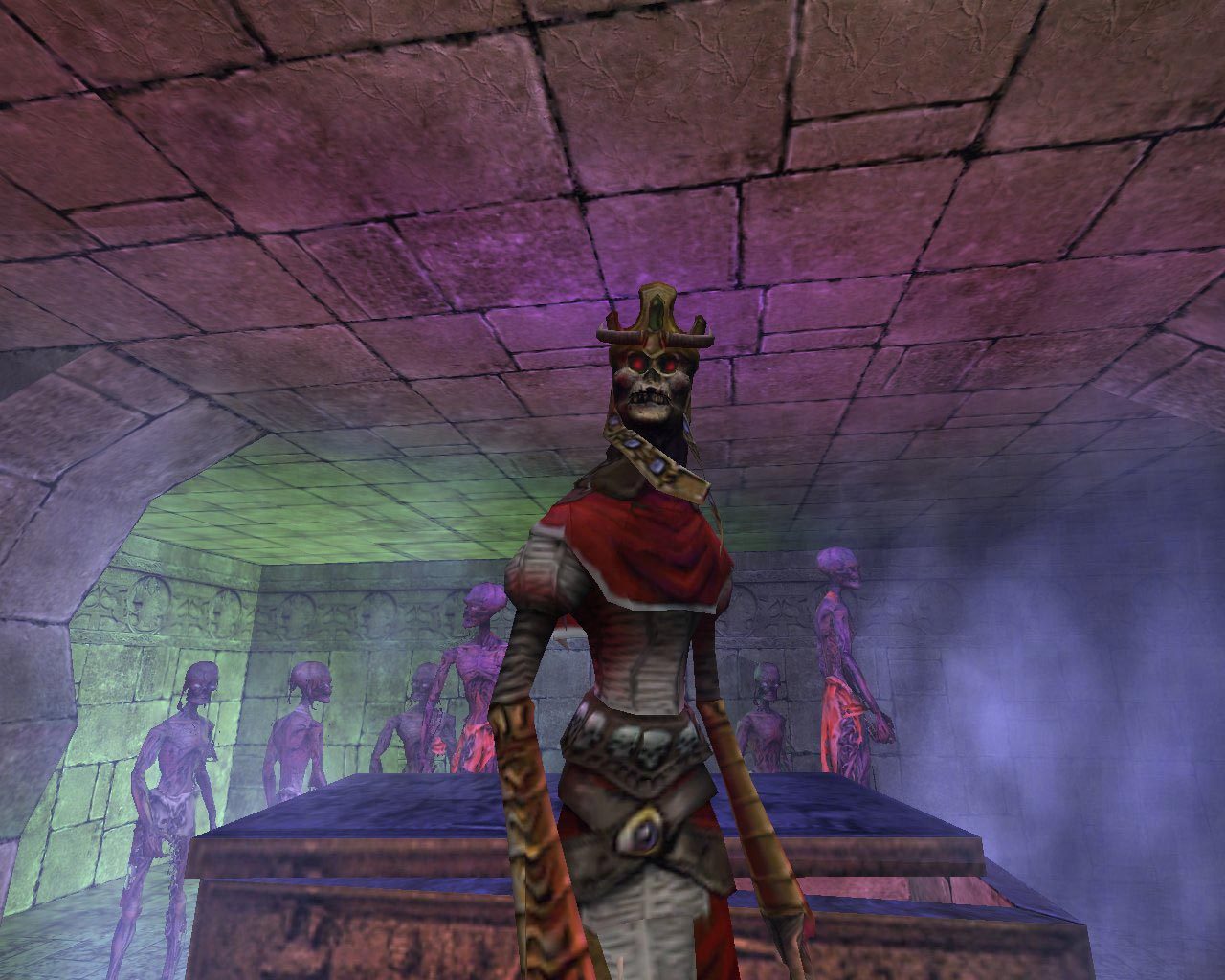
What makes Arx Fatalis ache in the chest isn’t its post-apocalyptic fantasy premise alone—it’s how that premise settles. It doesn’t shout apocalypse; it exhales decay. You walk through halls where torchlight barely licks the ceiling, and the air tastes of damp iron and old ash. There’s no heroic fanfare—just the brittle tension of survival in a world brought to the brink of destruction by a violent war that left no victors, only survivors who’ve forgotten why they’re still digging. That melancholy isn’t passive; it’s active exploration: every corridor you map, every corpse you loot (and yes—that dwarf corpse, whose overlooked inventory can softlock your entire journey, turning triumph into quiet panic), becomes an act of fragile agency. The game doesn’t hand you meaning. It makes you scrape for it—in rubble, in whispers, in the way light fractures across a cracked stained-glass window depicting a god who stopped answering prayers.
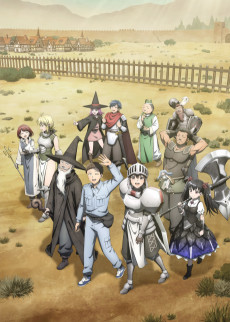
That same emotional DNA hums in Solo Leveling Season 2 —Arise from the Shadow—, where dungeons aren’t arenas but geologies of trauma: layered, unstable, breathing with predatory logic. Like Arx, its darkness isn’t decorative—it’s structural. The vertical plunge into a collapsing abyss mirrors Arx’s descent into forgotten vaults; both make power feel earned only through spatial intuition and nerve. Then there’s Delicious in Dungeon, which shares Arx’s melancholic exploration: the party moves through ruins not as conquerors, but as archaeologists of loss—mapping corridors where magic failed, where meals were last shared, where silence hangs thick with what’s been buried. Its warmth isn’t denial of darkness; it’s tenderness within it—a direct echo of Arx’s rare, flickering moments of camaraderie amid the dripping dark. And Magi: The Labyrinth of Magic—its labyrinth isn’t metaphorical. It’s vertical, architectural, alive: staircases spiral into voids, ceilings collapse mid-conversation, and every chamber holds memory like sediment. Like Arx, its world feels literally carved by war—walls scarred with ancient spells, floors warped by cataclysm—and discovery is always laced with sorrow.
This resonance isn’t about monsters or magic systems. It’s about how space holds emotion. In Arx Fatalis, a hallway isn’t empty—it’s waiting. In The Unwanted Undead Adventurer, a dungeon isn’t a challenge—it’s a testament: worn boots on cold stone, rust on a long-forgotten sword, the exhaustion in a veteran’s voice as he explains why certain doors must never be opened. And I May Be a Guild Receptionist, but I’ll Solo Any Boss to Clock Out on Time nails the same exhausted intimacy—the way bureaucracy and dread coexist in a single filing cabinet full of cursed contracts, the softlock of routine echoing Arx’s infamous dwarf corpse glitch: both are systems that punish carelessness with existential weight, yet reward stubborn presence with rare, hard-won grace.
You’d love these pairings if you’ve ever paused mid-game—not to check a wiki, but to listen to rain hitting a broken skylight in a ruined chapel; if you crave stories where hope isn’t shouted, but found in the hinge of a rusted gate, in the warmth of a shared meal in a drafty ruin, in the quiet click of a lock finally yielding after three failed attempts. If you don’t just want to defeat the dark—but to understand its texture, its weight, its terrible, beautiful patience.
→113 Anime That Match the Vibe

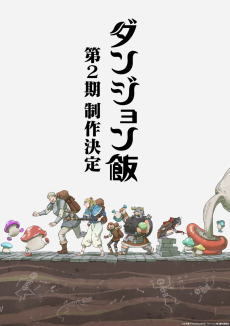
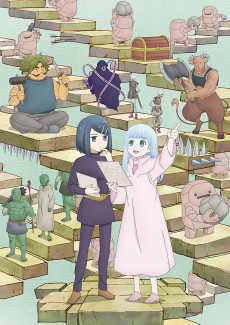
Arx’s crumbling, lantern-lit catacombs—where every damp stone whispers forgotten cults and desperate survival—mirror Laios’s meticulous dungeon foraging: both treat darkness not as void, but as layered ecology. Unlike most dark fantasy, they anchor melancholic exploration in tactile ritual—whether harvesting glowing mushrooms from Arx’s fungal vaults or simmering goblin stew over a salvaged brazier. This resonance feels quietly radical: horror and hunger become shared grammars of care, not just threat.

Arx’s crumbling, torch-lit dungeons—where every corridor breathes decay and danger—echo Jin-Woo’s shadow-wracked solo descents in *Solo Leveling* S2, where each floor of the Double Dungeon forces brutal, roguelike adaptation. Unlike most dark fantasy pairings, neither work romanticizes power: Arx’s protagonist claws survival from cursed magic, while Jin-Woo’s ascension is laced with maternal sacrifice and visceral cost. This shared tension—between dungeon as existential trial and shadow as both weapon and wound—makes their resonance startlingly intimate.

Connected through 2 aesthetic dimensions.

Arx’s crumbling, torch-lit catacombs—where every corridor breathes decay and danger—mirror Alina’s guild desk buried under monster reports and unpaid overtime slips. Unlike most fantasy comedies, this anime weaponizes the 🎲 Roguelike & Dungeon aesthetic not for permadeath, but for bureaucratic absurdity: her solo boss raids are timed like shift changes, echoing Arx’s relentless, system-driven tension. That shared dark fantasy grit—where survival hinges on resourcefulness, not just strength—makes their resonance startlingly precise.

Connected through 4 aesthetic dimensions.

Connected through 2 aesthetic dimensions.
Connected through 3 aesthetic dimensions.

Connected through 2 aesthetic dimensions.

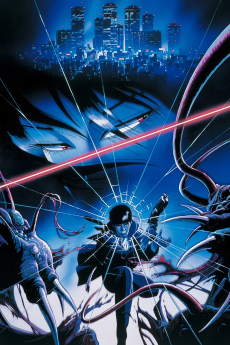
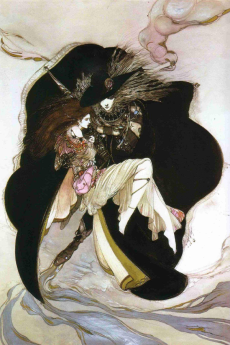
Arx’s subterranean prisons—where cultists warp flesh into blasphemous idols—echo the OVA’s grim altar scenes, like the desecrated Temple of Maan where Kall-Su’s corruption festers. Unlike most dark fantasy, both weaponize body horror not for shock but as theological consequence: mutation is divine punishment made visceral. This resonance feels startlingly coherent—not just aesthetic, but philosophical—binding Arx’s occult dread to Lodoss War’s tragic, god-scarred fatalism.

Connected through 4 aesthetic dimensions.




































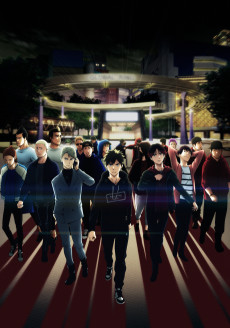

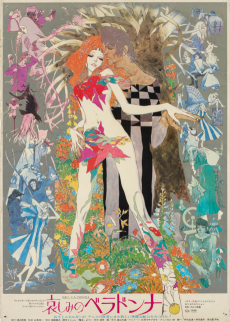









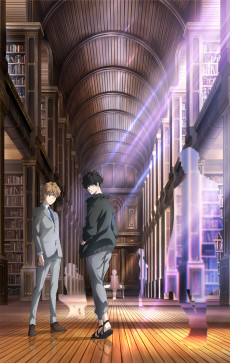




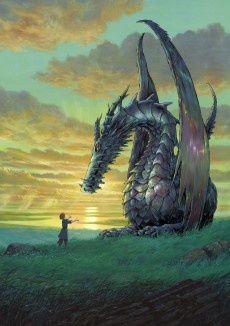


























![Fate/stay night [Heaven’s Feel] III. spring song](https://s4.anilist.co/file/anilistcdn/media/anime/cover/large/bx21719-MSdTlkno0Z0u.jpg)


![Tokyo Ghoul: [PINTO]](https://s4.anilist.co/file/anilistcdn/media/anime/cover/medium/bx21326-Vmunxqzj1umc.jpg)





Match Dimensions Explained
❓Frequently Asked Questions
Why is Delicious in Dungeon considered similar to Arx Fatalis despite the anime being so lighthearted?
Great question—it’s all about that melancholic exploration vibe and dungeon mechanics, not tone. Think of Falin’s quiet, methodical mapping of the dungeon levels in Episode 7, or how the party carefully documents traps and ambient decay in the Sunken Ruins—just like Arx’s vertical, multi-tiered caverns where sound design makes every drip and distant growl feel alive. The game’s ‘amazing ambients’ and ‘levels of depth and verticality’ directly mirror how Delicious in Dungeon treats the dungeon as a breathing, layered character.
Is there an anime adaptation of Arx Fatalis?
Nope—Arx Fatalis has never been adapted into an anime (or any official animated series). But fans who love its post-apocalyptic fantasy world and dungeon-crawling grit often lean into titles like *The Unwanted Undead Adventurer*, where Ristarte’s grim survival in the Abyss echoes Arx’s ‘wrought with turmoil’ setting—and that brutal softlock moment with the dwarf corpse? Yeah, Ristarte’s early-game resource desperation hits that same desperate, consequence-heavy energy.
Solo Leveling Season 2 vs Magi: The Labyrinth of Magic—which is closer to Arx Fatalis’ dungeon experience?
Magi wins on structural fidelity: its Labyrinth isn’t just a backdrop—it’s a sentient, vertically stacked maze with shifting paths, sealed chambers, and ancient runes you *must* decipher to progress—just like Arx’s literal ‘levels of depth and verticality’. Solo Leveling leans harder into power fantasy, while Magi mirrors how Arx forces you to *learn* the dungeon’s logic (remember that deathclaw ripoff section? Magi’s Djinn trials demand that same careful observation and consequence-aware play).
What’s the best anime like Arx Fatalis if I want that oppressive, immersive dungeon atmosphere?
Go straight to *I May Be a Guild Receptionist, but I’ll Solo Any Boss to Clock Out on Time*—especially Episodes 11–12, where Mira descends alone into the Blackroot Chasm. The way the camera lingers on crumbling staircases, echoing drips, and flickering torchlight against oppressive stone walls nails Arx’s ‘amazing ambients’ and ‘post-apocalyptic fantasy’ weight. And when she bypasses a trap by noticing subtle floor tile wear? That’s pure Arx energy—no hand-holding, just environmental storytelling and consequence-driven exploration.