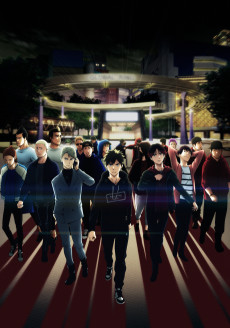
Ikebukuro West Gate Park
Based on a series of urban mystery novels.
Crime-ridden Ikebukuro is a haven for violent gangs, the Yakuza, and home to Makoto Majima. To protect his friends, this charismatic troubleshooter mediates disputes among the warring factions—even fixing problems the police can’t. But when a rising tide of violence results in Makoto losing a loved one, can he ride out the storm, or will he drown in all the spilled blood that floods his streets?
(Source: Funimation)
📺Anime Details
📝Editorial Analysis
Rain slicks the pavement of Ikebukuro West Gate Park—not the clean, cinematic kind, but the greasy, neon-bleeding kind that reflects fractured signs for pachinko parlors and love hotels. You see it in the opening shot: Makoto Majima standing under a flickering awning, cigarette smoke curling upward like a question no one’s brave enough to ask aloud. His coat is unbuttoned, his stance loose—but his eyes don’t rest. They scan the edges: the alley mouth where a gang kid vanishes too fast, the payphone booth where someone just hung up mid-sentence, the distant wail of a siren swallowed by bass from a passing club van. This isn’t tension built for payoff—it’s dread with rhythm, a city breathing in and holding it, waiting to see who blinks first.
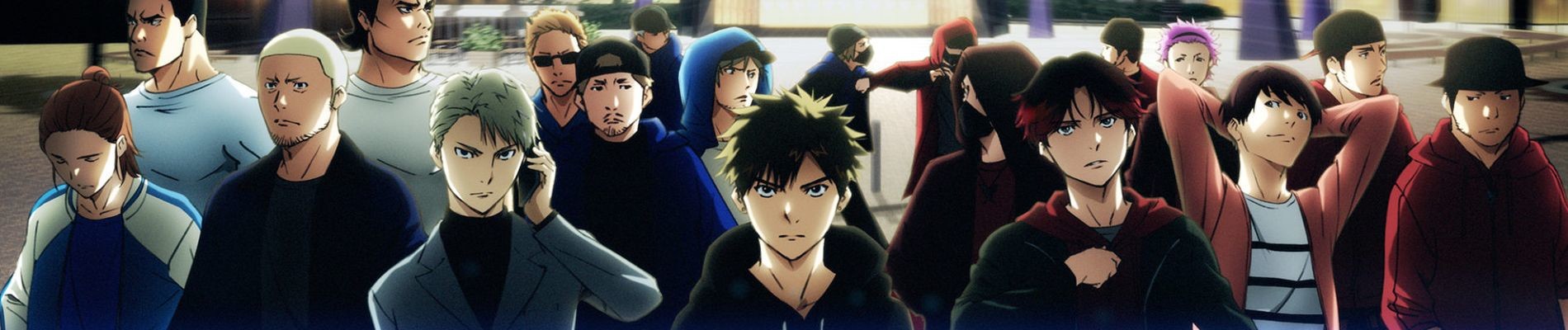
What makes Ikebukuro West Gate Park ache so deeply isn’t its crime or gangs—it’s how ordinary the violence feels. The Yakuza aren’t mythic bosses; they’re men in ill-fitting suits arguing over turf while eating convenience-store bento. The drugs aren’t cinematic highs—they’re slow leaks into schools, into friendships, into the quiet space between Makoto and his childhood friend before she’s gone. It’s melancholic exploration: walking the same streets week after week, recognizing the cracks in the concrete, the way light catches broken glass near the station entrance, the weight of a handshake that means more than words ever could. There’s no grand redemption arc—just choices made in dim rooms, consequences measured in silence, and the crushing, beautiful insistence that someone still shows up—even when showing up changes nothing.
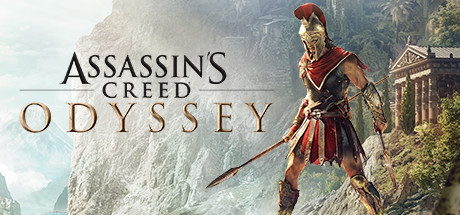
That emotional DNA pulses in Assassin's Creed™: Director's Cut Edition, where player reviews admit the models are “quite dated” but confess no issues with me. That’s the same surrender to atmosphere over polish—the crumbling stone of Jerusalem isn’t rendered in photorealism, but in texture, in shadow, in the way your assassin pauses on a rooftop not to plan an assassination, but to watch pigeons scatter at the sound of distant drums. Like Makoto navigating gang truces, you move through systems older than memory—structures that grind, endure, and demand presence without promise. It’s neon noir translated into sandstone and sun-bleached stone: same weary observation, same sense that every corner holds a story you’ll never fully hear.
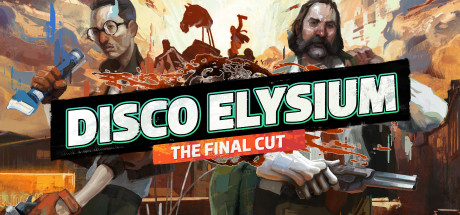
Then there’s Disco Elysium - The Final Cut, where a player review drops this line: “Capital has the ability to subsume all critiques into itself. Even those who would critique capital end up reinforcing it instead.” That’s Makoto’s entire moral weather system—mediating disputes he knows won’t end, fixing problems the police refuse to name, protecting friends while watching the ground erode beneath them. The game’s skill-check dialogue isn’t about winning arguments—it’s about surviving them, often losing dignity just to keep breathing. Like Makoto, you’re not saving the city. You’re trying not to let it erase you first. Both live inside melancholic exploration: not solving the mystery of the world, but learning its grammar of loss.
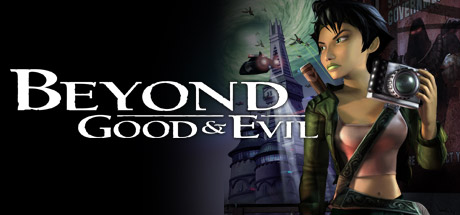
And Beyond Good and Evil™, where a player shouts “Crazyyy game! Play the 20th Anniversary edition tho. The original is too buggy…”—that raw, affectionate frustration mirrors how Ikebukuro West Gate Park treats its own chaos. Jade doesn’t fight galactic overlords with flawless choreography; she gets knocked down, misreads signals, leans on Pey’j not as sidekick but as anchor. Her investigative work is tactile, messy—like Makoto tracing a drug shipment through laundry receipts and bus schedules. Both reject slick resolution. They trust the grit: the static on a radio transmission, the tremor in a witness’s voice, the way hope flickers—not like a beacon, but like a bulb about to blow.
This pairing isn’t for fans of tidy justice or heroic ascents. It’s for the ones who linger in doorways after the credits roll—who replay a detective’s failed persuasion attempt just to hear the sigh in his voice again, who rewatch Makoto lighting a cigarette at 3 a.m. not for plot, but because that breath, that pause, that rain-slicked stillness says everything about what it costs to stay human in a place that’s already decided you’re expendable.
🎮17 Games That Match the Vibe






Match Dimensions Explained
❓Frequently Asked Questions
Why does Disco Elysium keep coming up when people talk about games like Ikebukuro West Gate Park?
Because both dive deep into melancholic exploration of urban decay and disillusioned youth—Disco Elysium’s Rainy City mirrors Ikebukuro’s layered streets, and Detective Harrier’s self-destructive inner monologues echo Sōta’s restless idealism. Its Neon Noir aesthetic (think flickering neon signs over rain-slicked alleys) and focus on dialogue-driven tension—not combat—make it a tonal twin to the show’s grounded, character-first storytelling.
Is there an official video game adaptation of Ikebukuro West Gate Park?
No—there’s never been an official game adaptation. But fans who crave that same vibe often land on Beyond Good and Evil™, where Jade’s investigative grit, Pey’j’s dry loyalty, and the oppressive yet stylish regime of the Alpha Sections echo the show’s themes of resistance, found family, and quiet rebellion in a neon-drenched city.
How does Assassin’s Creed compare to Disco Elysium for someone who loves Ikebukuro West Gate Park’s mood?
Assassin’s Creed™: Director’s Cut Edition leans harder into atmospheric, solitary exploration—like wandering through Shinjuku’s backstreets at night—but lacks Disco Elysium’s psychological depth and branching dialogue. Still, its melancholic exploration dimension (that haunting, empty Jerusalem skyline at dusk) and emphasis on observation over action make it a surprising match if you loved the show’s quieter, more reflective moments.
What’s the best game like Ikebukuro West Gate Park if I want something moody, urban, and full of morally gray characters?
Disco Elysium - The Final Cut is your strongest pick—it nails the Neon Noir + Melancholic Exploration combo with razor-sharp writing, a broken-but-brilliant protagonist, and a world where every alleyway feels lived-in and heavy with history. The player review even quotes its signature irony about systems consuming dissent, which hits the same nerve as the show’s critique of performative justice and youth disillusionment.