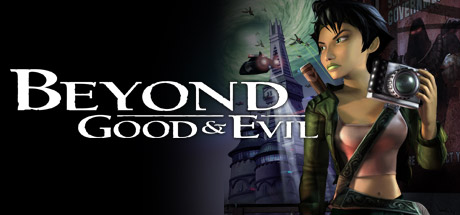
Beyond Good and Evil™
Play as Jade, a young investigative reporter, and expose a terrible government conspiracy. It is up to you and your loyal pig friend Pey'j to save your planet and its inhabitants.
🎮Game Details
💬What Players Say
"Crazyyy game! Play the 20th Anniversary edition tho."
"It holds up."
📝Editorial Analysis
The flicker of a faulty streetlamp in the rain-slicked alley behind Jade’s lighthouse home—where she pores over grainy surveillance stills while Pey’j snorts softly beside her, tail thumping against damp concrete. That quiet, heavy stillness before the next lead cracks open: not action, not spectacle, but the weight of truth pressing down like humidity before a storm. This is Beyond Good and Evil™—not as a checklist of mechanics or a lore dump, but as a breath held too long while watching your own world quietly unravel. The official description nails it in two lines: “Play as Jade, a young investigative reporter, and expose a terrible government conspiracy. It is up to you and your loyal pig friend Pey'j to save your planet and its inhabitants.” No grandiose monologues, no chosen-one fanfare—just duty, loyalty, and the slow, grinding work of seeing clearly in a place that wants you blind. And yes—crazyyy game, as one reviewer shouts—but not chaotic for chaos’ sake. The 20th Anniversary edition fixes the original’s bugs, yet what holds up isn’t just polish—it’s the ache beneath the pixels: the melancholy of resistance without guarantees, the warmth of solidarity in a system designed to isolate.
This isn’t dystopia as spectacle. It’s dystopia as texture: the hum of propaganda drones overhead, the way light catches dust motes in Jade’s cramped editing suite, the tactile drag of rewinding analog tape to catch a lie in someone’s eye. You don’t feel powerful—you feel present. Alert. Tired, but tender. The atmosphere lives in the gap between what’s said and what’s suppressed—the unspoken grief of occupied citizens, the exhaustion of maintaining cover while your friends vanish, the quiet fury when a child recites state slogans with hollow precision. It’s melancholic exploration, yes—but not passive sorrow. It’s the kind of melancholy that sharpens focus, that makes every small act of care—a shared meal, a repaired comms unit, Pey’j nudging Jade’s hand when she stares too long at a dead end—feel like quiet rebellion. There’s no neon glare for its own sake; the neon noir here bleeds into puddles, reflects off wet pavement, illuminates faces half in shadow—not to dazzle, but to obscure just enough so you have to lean in, listen closer, trust your gut.
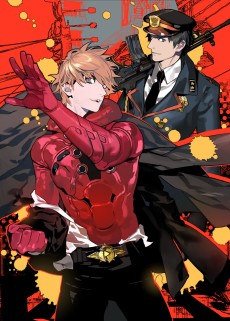
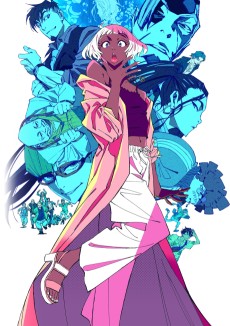
That emotional DNA pulses strongest in The Founder of Diabolism 2, where political machinations unfold in hushed boardrooms and rain-lit train platforms, each frame soaked in the same melancholic exploration—the sense that ideology isn’t abstract, but etched into tired eyes and fraying uniforms. Like Jade, its protagonist navigates layered deception not with superpowers, but with patience, empathy, and the slow accumulation of inconvenient facts. Then there’s Michiko & Hatchin, whose neon noir isn’t about sleek tech, but about the bruised glow of roadside diners and flickering bus-stop signs as two women run from systems that erased their names—mirroring Jade and Pey’j’s grounded, bodily resistance: stolen bikes, cramped hideouts, the physicality of survival. And JoJo's Bizarre Adventure: STONE OCEAN—yes, the Stand battles are operatic, but its core is emotional narrative rooted in incarceration, surveillance, and the erosion of personhood under authoritarian science. Like Jade decoding encrypted transmissions, Jolyne fights not just enemies, but the architecture of control itself—cold, bureaucratic, and utterly personal.
These pairings aren’t for fans of “cool powers” or “epic reveals.” They’re for the person who rewatches the scene where Jade quietly refiles a mislabeled evidence folder—not because it changes anything immediately, but because integrity is habit. For the viewer who pauses mid-episode of Moriarty the Patriot Part 2, staring at the way lamplight catches the tear track on a servant’s cheek before the camera cuts away—because cyberpunk & dystopia only land when they’re felt in the throat. For the player who, after hours of scanning, finally spots the tiny anomaly in a crowd photo—the one face turned away from the camera—and feels that familiar, electric jolt: someone’s hiding something. And I saw it. Not because they’re special—but because they paid attention. That’s the bond. Not spectacle. Not salvation. Just the stubborn, luminous refusal to look away.
→319 Anime That Match the Vibe

Connected through 4 aesthetic dimensions.
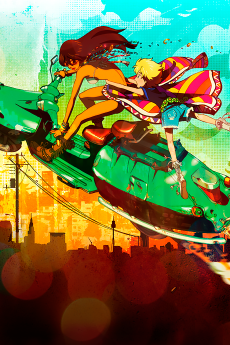
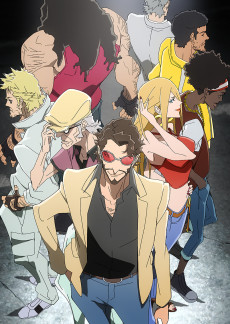
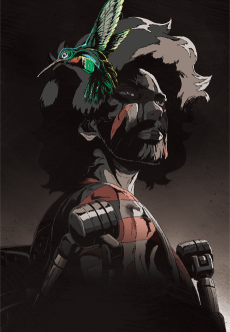
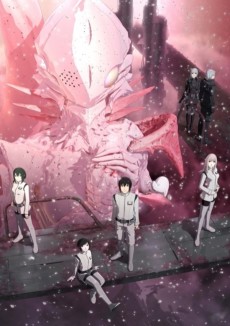
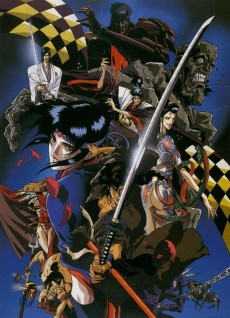
Jade’s rain-slicked, neon-drenched chase through Hillys’ decaying arcologies mirrors Michiko’s motorcycle sprint across Brazil’s sun-blasted favelas—both are acts of defiant movement against suffocating systems. 🌃 Neon Noir isn’t just palette-deep: it’s the shared grammar of surveillance, mistrust, and fragile solidarity, where Pey’j’s quiet loyalty echoes Hatchin’s wary, hard-won trust in Michiko. Unlike most political thrillers that center institutional power, these stories root resistance in the tactile bond between mismatched outsiders—making their melancholy hope feel urgently, tenderly human.
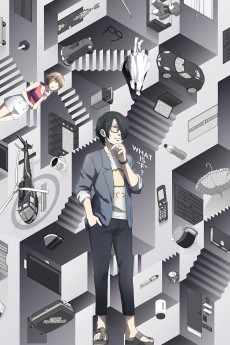
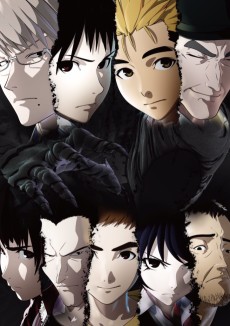
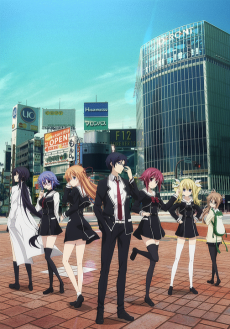
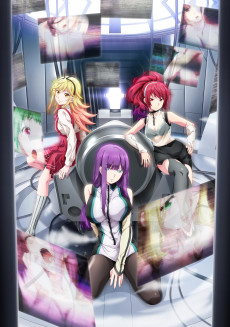
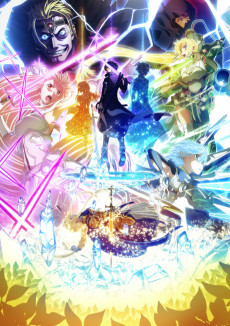
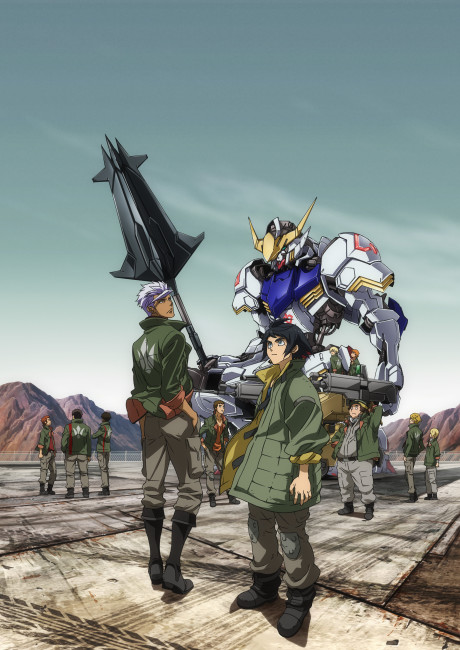
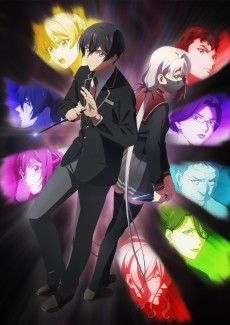
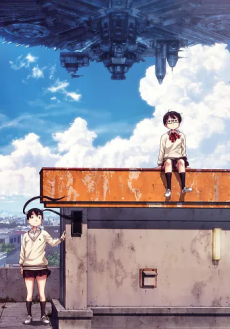
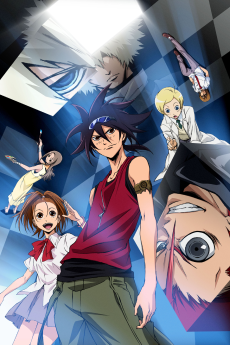
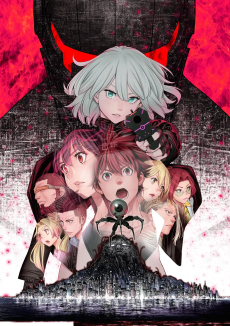
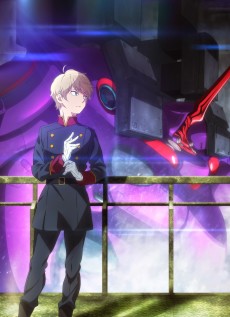
Jade’s rooftop broadcast—hijacking the state’s neon-lit propaganda grid—mirrors Souhei Saikawa’s quiet, razor-edged dismantling of the lab’s sterile utopian facade. Where *Beyond Good and Evil™* weaponizes 🌃 Neon Noir to expose surveillance masquerading as care, *The Perfect Insider*’s isolated research compound twists psychological precision into a dystopian cage. This pairing surprises: two fiercely intelligent outsiders using logic as resistance, not action, in worlds where truth is infrastructure—and betrayal wears a lab coat or a government badge.

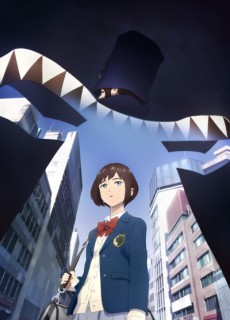
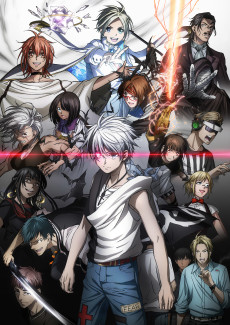
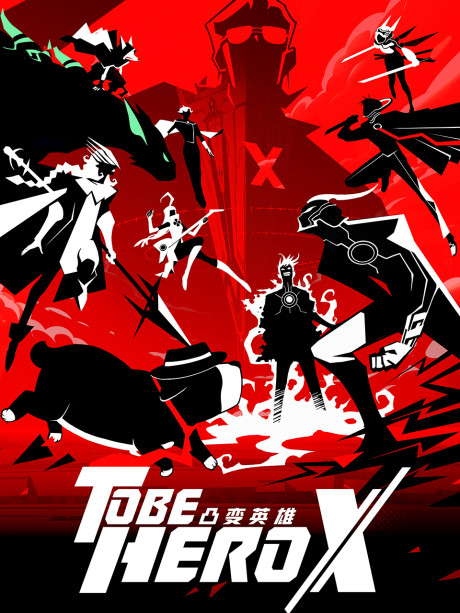
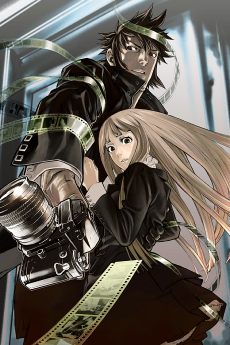
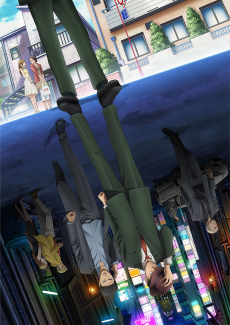
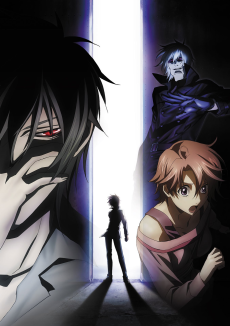
Jade’s midnight dive into the Helicarrier’s underbelly—flashlight trembling, Pey’j’s grunts echoing off rusted hulls—mirrors Wei Wuxian’s solitary vigil atop Cloud Recesses’ rain-slicked eaves, where lantern light bleeds into neon-tinged mist. This shared 🌃 Neon Noir texture deepens both works’ 🏛️ Political Thriller stakes: one exposes orbital propaganda, the other unravels sanctioned erasure of a “diabolical” truth. Surprisingly, their melancholy isn’t passive—it’s investigative, weaponized tenderness against systems that demand silence.

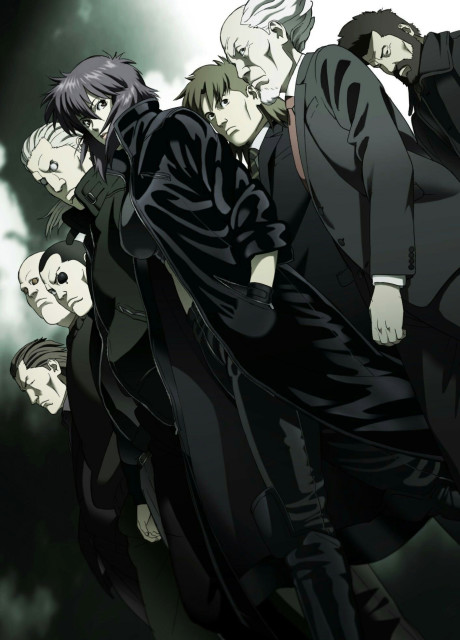
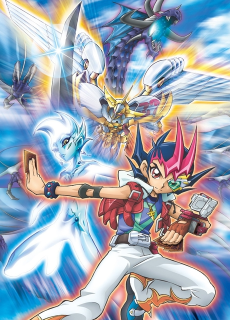
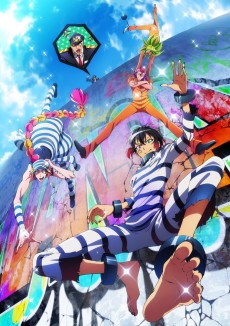
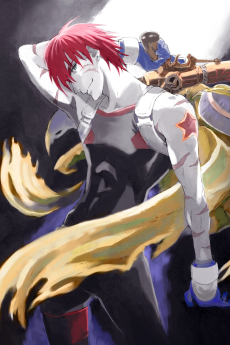
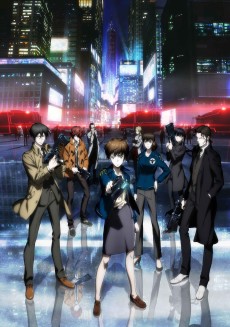
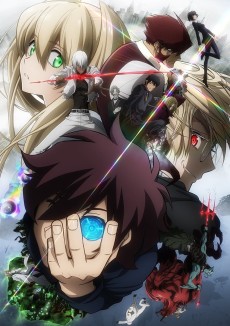
Jade’s rooftop broadcast—hijacking state airwaves to reveal the DomZ lie—echoes Jolyne’s defiant courtroom testimony in *Stone Ocean*, where truth becomes weaponized under surveillance. Unlike most political thrillers, both embed neon-noir tension in institutional decay: Hillys’ flickering holograms mirror Green Dolphin Street Prison’s oppressive, rain-slicked corridors. This resonance feels startling—two defiant women, one pig companion and one Stand-powered chain, turning oppression into revelation.
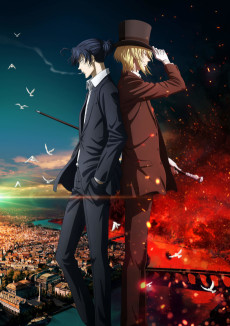
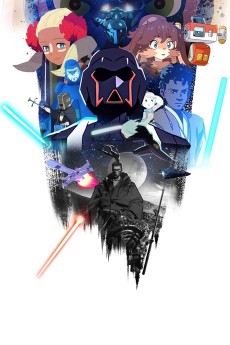
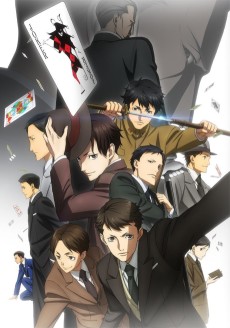
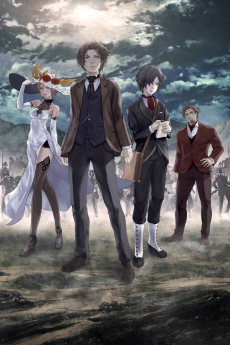
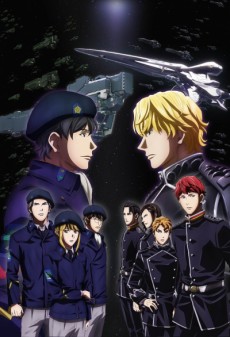
Jade’s rooftop chase through Hillys’ rain-slicked neon alleys—flashlights cutting through smog—mirrors Will Moriarty’s Season 2 descent into London’s fog-choked underbelly, where class warfare wears a velvet glove and a scalpel. Unlike most political thrillers, both weaponize atmosphere: one leans into cyberpunk & dystopia’s glitching surveillance state, the other into psychological noir’s suffocating gaslighting—yet each frames rebellion as quiet, embodied resistance. That shared tension—between exposing systemic rot and protecting the vulnerable—makes their resonance feel urgent, not nostalgic.

Connected through 3 aesthetic dimensions.
Connected through 3 aesthetic dimensions.

Connected through 3 aesthetic dimensions.
Connected through 5 aesthetic dimensions.




































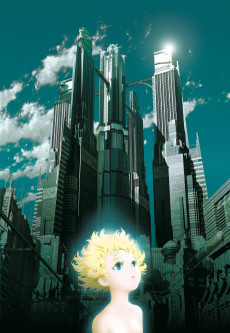
![[C] - CONTROL - The Money and Soul of Possibility](https://s4.anilist.co/file/anilistcdn/media/anime/cover/medium/bx10163-DGTY24yRLZrt.jpg)




































































































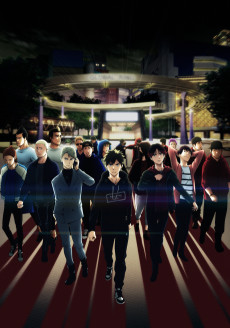


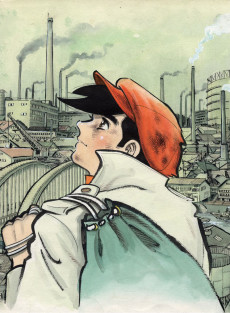


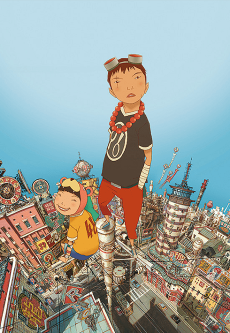


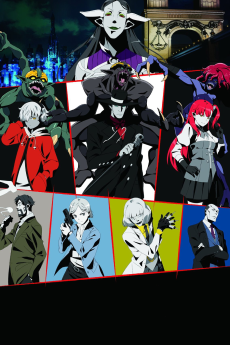



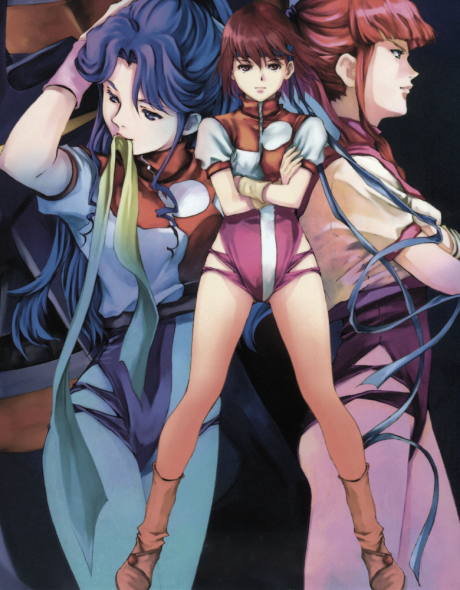

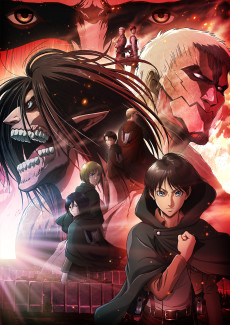



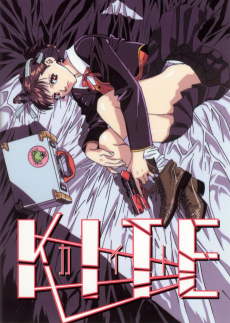



































Match Dimensions Explained
❓Frequently Asked Questions
Why is Michiko & Hatchin recommended for fans of Beyond Good and Evil?
Because both follow a scrappy, morally grounded outsider—Jade and Michiko—who use wit and street smarts to dismantle corrupt systems while protecting vulnerable people (like Pey'j and Hatchin). You’ll feel that same urgent, neon-drenched tension in the Port of Santos chase scenes and the way both stories weave melancholic exploration into their political thriller bones.
Is there an anime adaptation of Beyond Good and Evil?
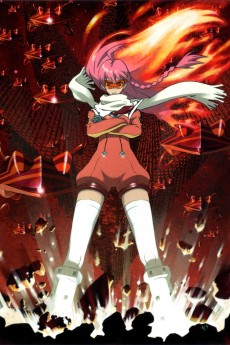
Nope—no official anime adaptation exists. But if you’re craving that exact blend of political thriller + neon noir + melancholic exploration, The Founder of Diabolism 2 (83 score) nails it with its rain-slicked cityscapes and protagonist’s quiet rebellion against a surveillance state—very much like Jade’s underground press work in the Helicarrier docks.
How does Moriarty the Patriot Part 2 compare to Beyond Good and Evil in tone and themes?
It’s a razor-sharp match: both pit an idealistic, media-savvy underdog (Moriarty / Jade) against entrenched, smiling authoritarianism—and both use cyberpunk-tinged dystopia as visual shorthand for systemic rot. Watch Moriarty’s ‘Baker Street Irregulars’ hack into Ministry servers—it’s got the same defiant, low-budget ingenuity as Jade’s stolen hoverbike escapes from Security Tower 7.
What’s the best anime like Beyond Good and Evil for when I want that moody, rain-soaked investigative vibe?
Go straight to The Perfect Insider (82 score)—its fog-choked university campus and claustrophobic mystery rooms mirror Jade’s tense infiltration of the Alpha Section labs. The lead’s notebook scribbles, paranoid radio static, and slow-burn dread around truth suppression? That’s pure Beyond Good and Evil energy—just swapped for ink-stained academia instead of pig companions.