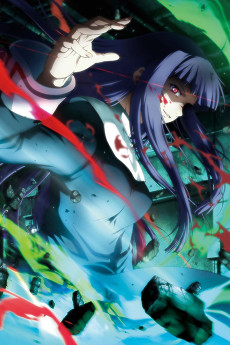
the Garden of sinners Chapter 3: ever cry, never life. (Remaining Sense of Pain)
July, 1998: One night, Mikiya helps a girl lying doubled over with stomach pains. Around that time, a number of dismembered bodies are found throughout the city. The murder victims are torn apart so badly that they don't seem like the work of a human.
(Source: Aniplex USA)
📺Anime Details
📝Editorial Analysis
Rain slicks the asphalt of Shinjuku like spilled ink. Mikiya kneels beside a girl curled on the pavement—her breath shallow, her fingers digging into her own abdomen as if trying to hold herself together from the inside out. Her eyes are open, unblinking, reflecting the sodium-orange glow of a distant streetlamp—but there’s no pain in them. Not yet. Just waiting. That stillness—before the first scream, before the first body is found torn apart not by rage, but by something older and colder—this is where the Garden of sinners Chapter 3: ever cry, never life. (Remaining Sense of Pain) begins. Not with violence, but with the unbearable weight of its imminence.
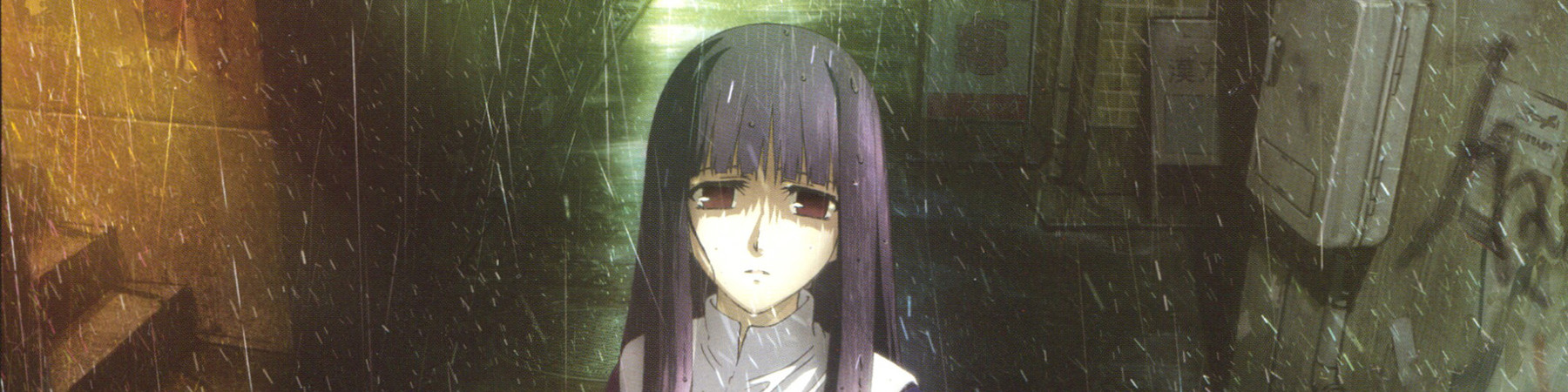
This isn’t dread built on jump scares or looming monsters. It’s the quiet horror of urban decay made anatomical—the way fluorescent light bleeds across wet concrete, how silence stretches too long between subway announcements, how a single dropped earring glints beside a bloodstain that doesn’t quite match the shape of a human wound. The atmosphere doesn’t shout tragedy—it settles, like dust in an abandoned clinic. You feel the exhaustion of adults who’ve seen too much and stopped expecting justice; you taste the metallic tang of suppressed grief in every line delivery. There’s no catharsis in revenge here—only recursion. Every act of violence echoes backward, hollowing out the perpetrator and victim alike. What lingers isn’t gore—it’s the absence of sensation where feeling should be: the numbness after trauma, the detachment of someone who’s stopped believing their own pain is real.
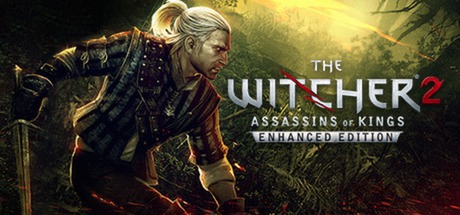
That same emotional gravity lives in The Witcher 3: Wild Hunt, where Geralt tracks Ciri through a continent rotting from war and myth. Its dark fantasy isn’t about spectacle—it’s about consequence folded into quiet moments: a mother’s trembling hands as she serves stew to a monster slayer who might kill her son tomorrow; the way dialogue choices don’t just change outcomes but atrophy relationships over time. A player review nails it: “DLC announced 11 years after release, my favourite game keeps getting better…”—because the world refuses to let go of its wounds. Like Shiki’s city, it remembers every scar.
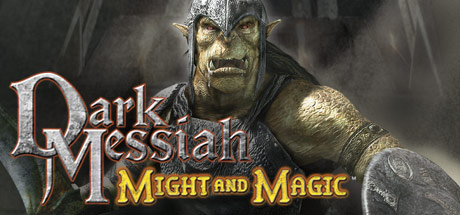
Then there’s Dark Messiah of Might & Magic, described as “a new breed of Action-RPG… in a dark and im…”—cut off mid-sentence, much like the anime’s own fractured timeline and unresolved trauma. Its neon noir aesthetic mirrors Chapter 3’s visual grammar: rain-lashed alleyways lit by flickering signs, combat that feels less like victory and more like survival through sheer, ugly momentum. A player calls it “a fantastic melee combat game that still holds up pretty well today”—not because it’s polished, but because its raw physicality echoes the anime’s unvarnished brutality: bones cracking, breath catching, movement stripped down to necessity.
And Hollow Knight, though insectoid and abstract, shares the same suffocating emotional narrative: a kingdom collapsed under the weight of its own buried truths, where every mural tells a half-remembered atrocity and every boss fight feels like excavating a repressed memory. Its “twisting caverns” and “tainted creatures” aren’t metaphors—they’re manifestations. A reviewer writes “Lovely story. Hard gameplay. 10/10…”, capturing how its difficulty isn’t punitive, but ritualistic: you fail not because you’re weak, but because the truth demands repetition, endurance, the slow, grinding work of facing what you’ve spent lifetimes avoiding.
This pairing isn’t for fans of clean resolutions or heroic arcs. It’s for the person who watches Shiki stare at her own reflection and feels their throat tighten—not because she’s dangerous, but because she’s so tired. It’s for the player who saves Geralt’s journal entry about Vesemir not to remember plot points, but to reread the line “He taught me how to survive, not how to live.” It’s for those who pause Hollow Knight’s OST mid-battle—not to catch their breath, but to sit with the silence between the notes. These works speak to people who understand that some pain doesn’t fade—it calcifies into architecture. And sometimes, the most honest thing you can do is walk slowly through its ruins, listening for the echo of your own pulse—and wondering if it still counts as life.
🎮20 Games That Match the Vibe










Match Dimensions Explained
❓Frequently Asked Questions
Why is The Witcher 3 so often recommended for fans of Garden of Sinners Chapter 3?
Because both dive deep into trauma, memory, and the weight of irreversible choices—like Shiki’s fragmented perception of pain echoing Geralt’s haunted past and Ciri’s fractured identity. The emotional narrative dimension hits hard in scenes like the Bloody Baron’s tragedy or the Isle of Mists, where moral ambiguity and lingering sorrow mirror the suffocating atmosphere of the hospital corridor and clock tower sequences in Chapter 3.
Is there a visual novel or game adaptation of Garden of Sinners Chapter 3 itself?
No—there’s no official game adaptation of *Ever Cry, Never Life*. Type-Moon never released one, and no licensed title recreates its specific plot, characters (like Shiki or Mikiya), or the visceral ‘remaining sense of pain’ mechanic. Fans turn to games like *Hollow Knight*, where the decaying world of Hallownest and the Knight’s silent, persistent suffering evoke that same quiet, bodily dread.
How does Hollow Knight compare to The Witcher 3 for capturing the mood of Garden of Sinners Chapter 3?
Hollow Knight nails the oppressive stillness and psychological weight—think the silence before the elevator scene or the slow descent into the Abyss—whereas The Witcher 3 leans into layered political grief and dialogue-driven consequence (like Geralt choosing between Triss and Yennefer). Both share ‘Dark Fantasy’ and ‘Emotional Narrative’, but Hollow Knight’s wordless storytelling and haunting OST hit closer to Chapter 3’s sensory minimalism and existential ache.
What’s the best game like Garden of Sinners Chapter 3 if I want that slow-burn, melancholic isolation vibe?
Go with *Hollow Knight*—its empty ruins, solitary traversal, and the Knight’s muted physicality (no voice, just gestures and echoes) mirror Shiki’s disconnection and the chapter’s focus on embodied pain. Even the boss fights—like the Watcher Knights or the Hollow Knight itself—feel less about victory and more about endurance, much like Shiki’s quiet, relentless presence in that hospital hallway.